Artwork
Ten Thousand Bamboos in the Mist and Rain
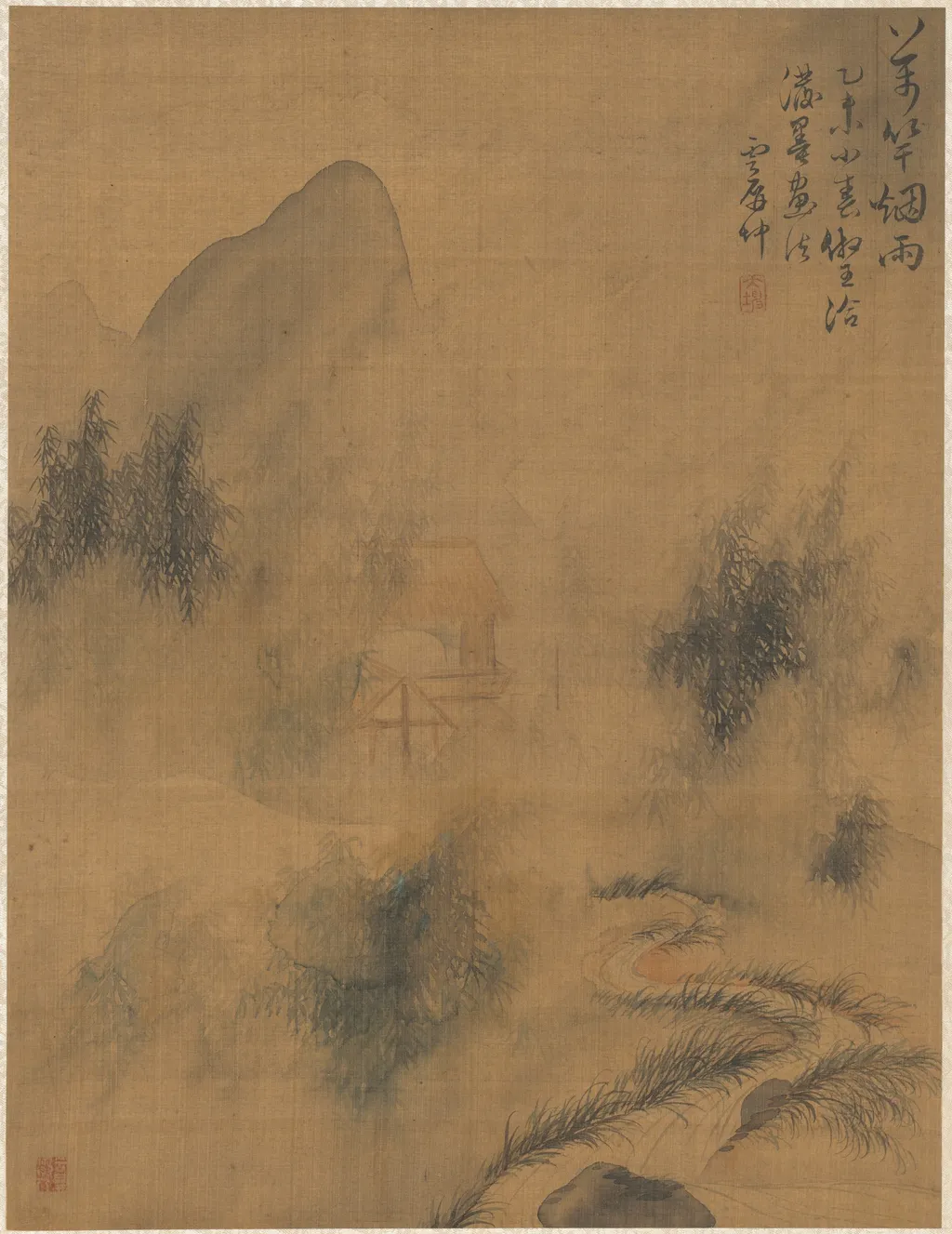
Ten Thousand Bamboos in the Mist and Rain is an unspecified painting by the Rococo painting artist Zhai Dakun. It dates from 1775 and is held in the collection of the Cleveland Museum of Art.
About this work
Overview
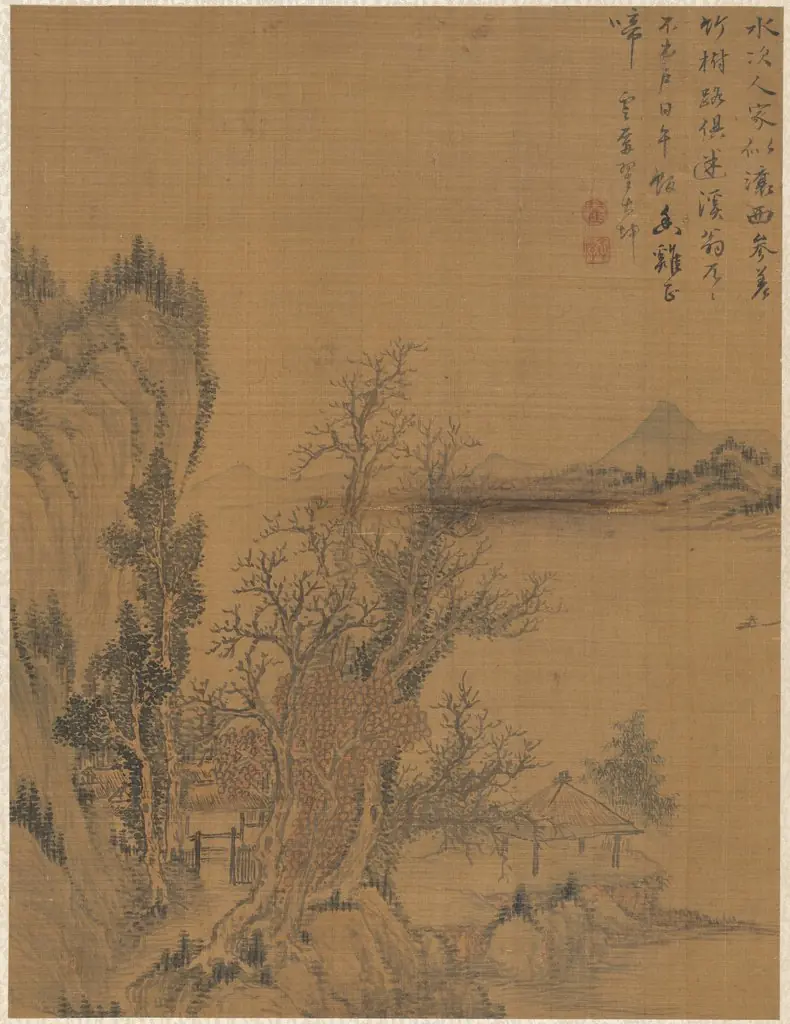
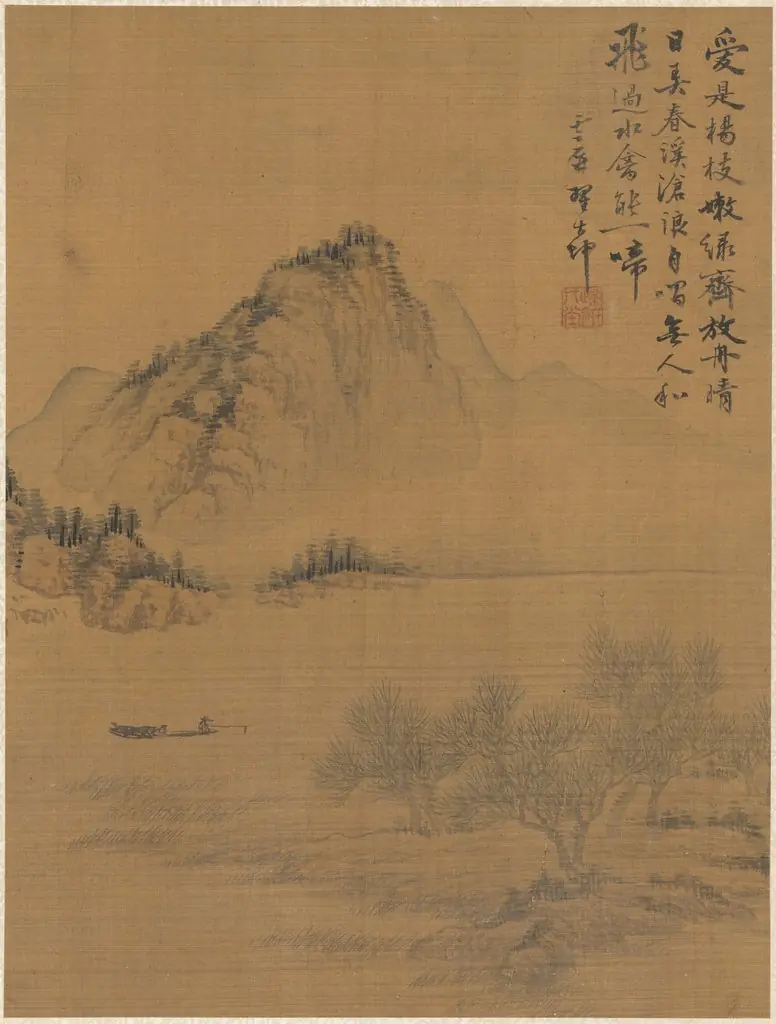
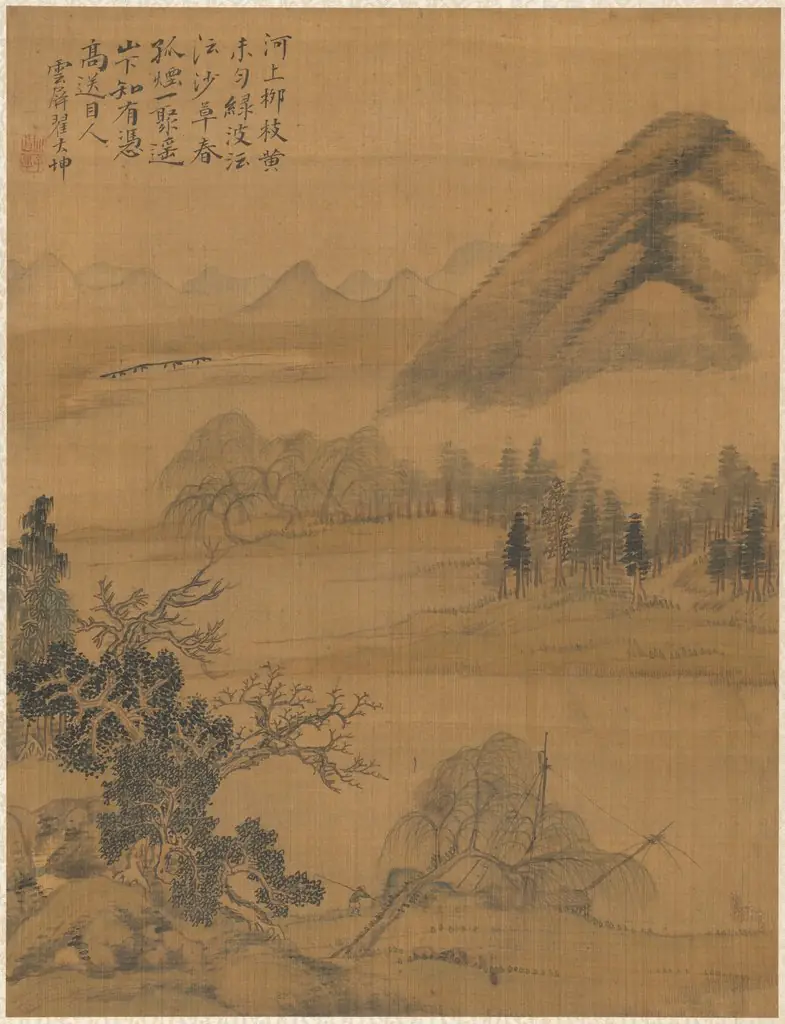
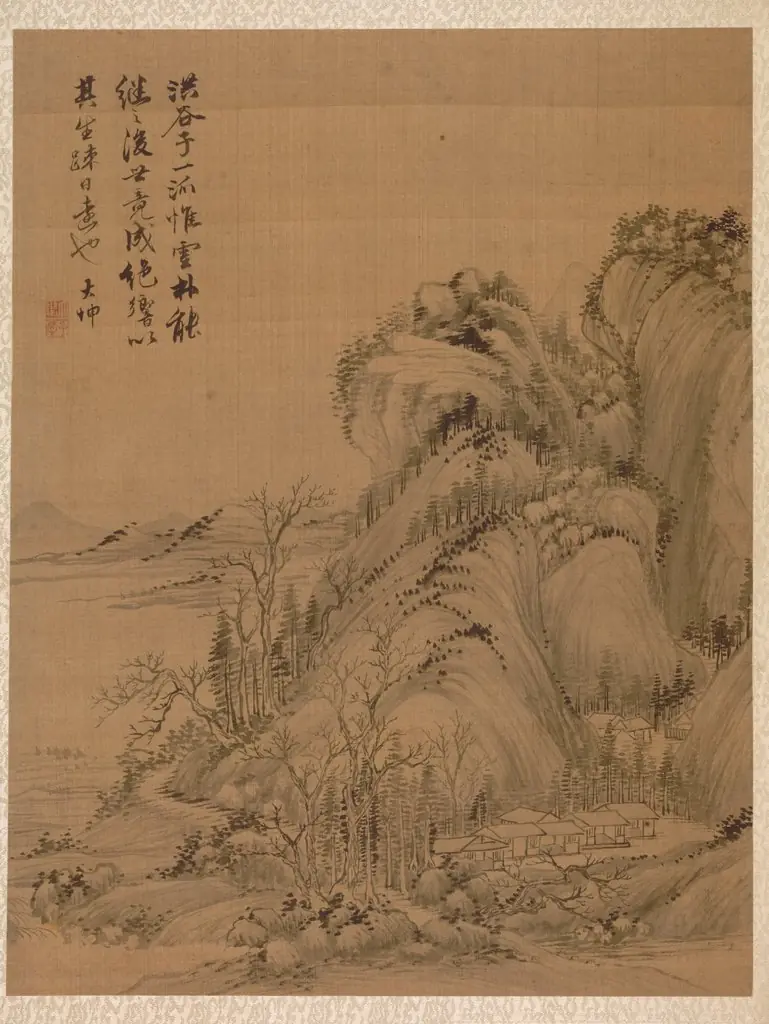
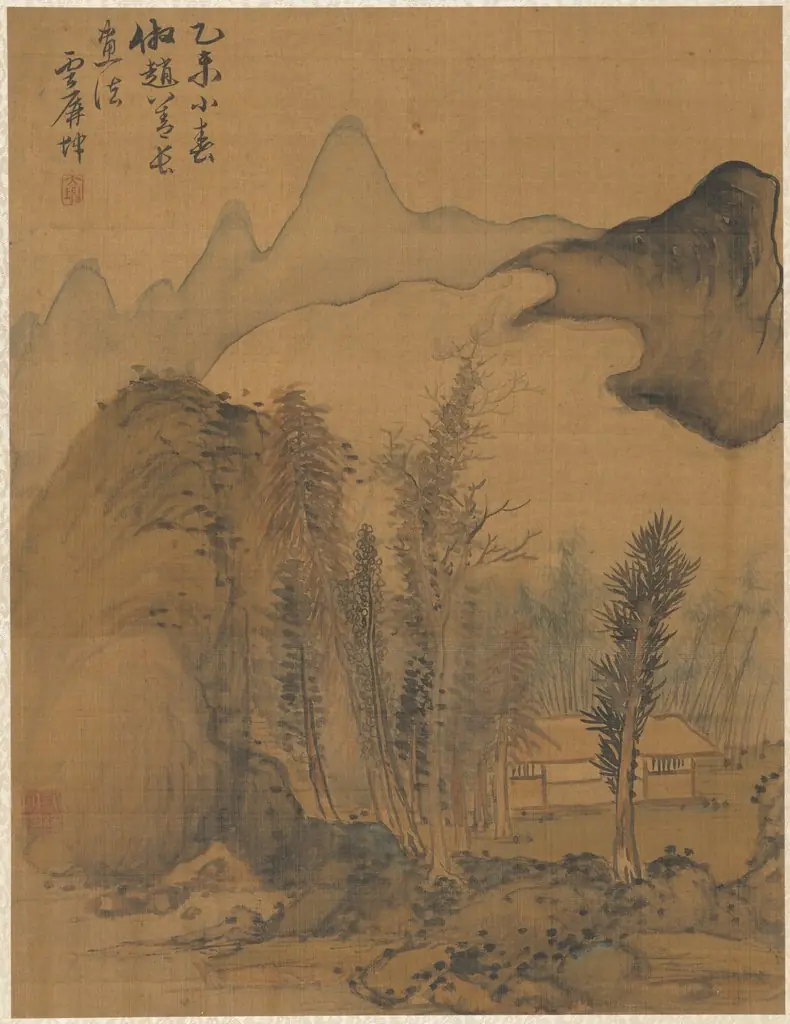
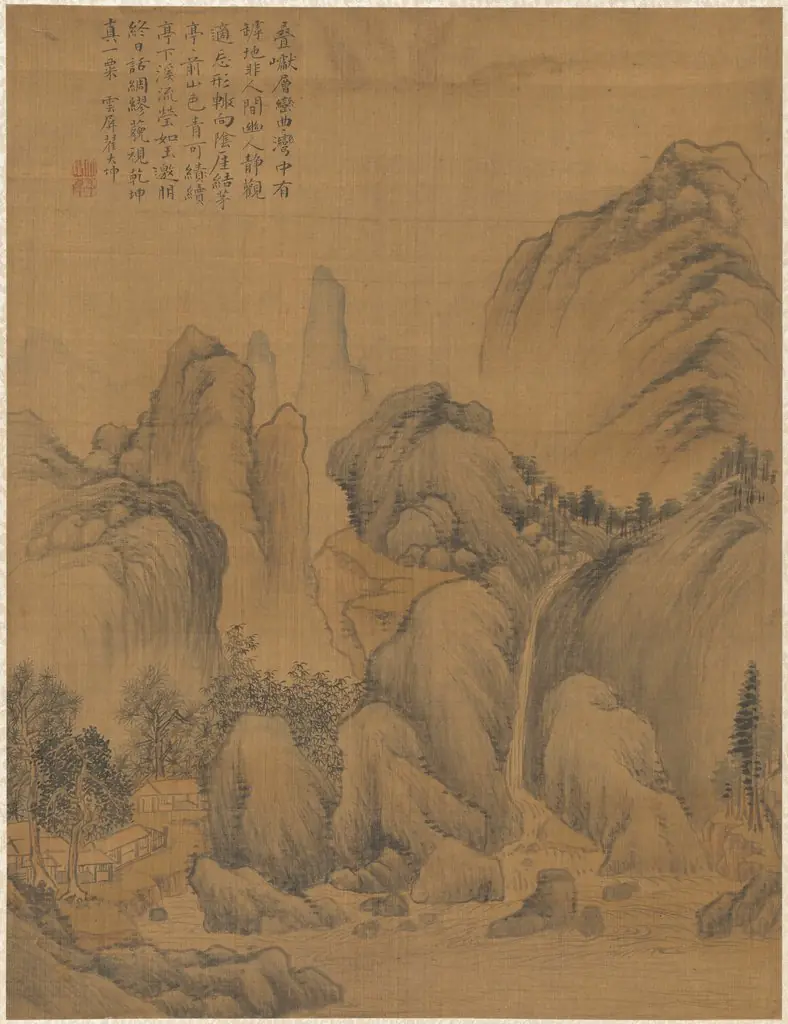
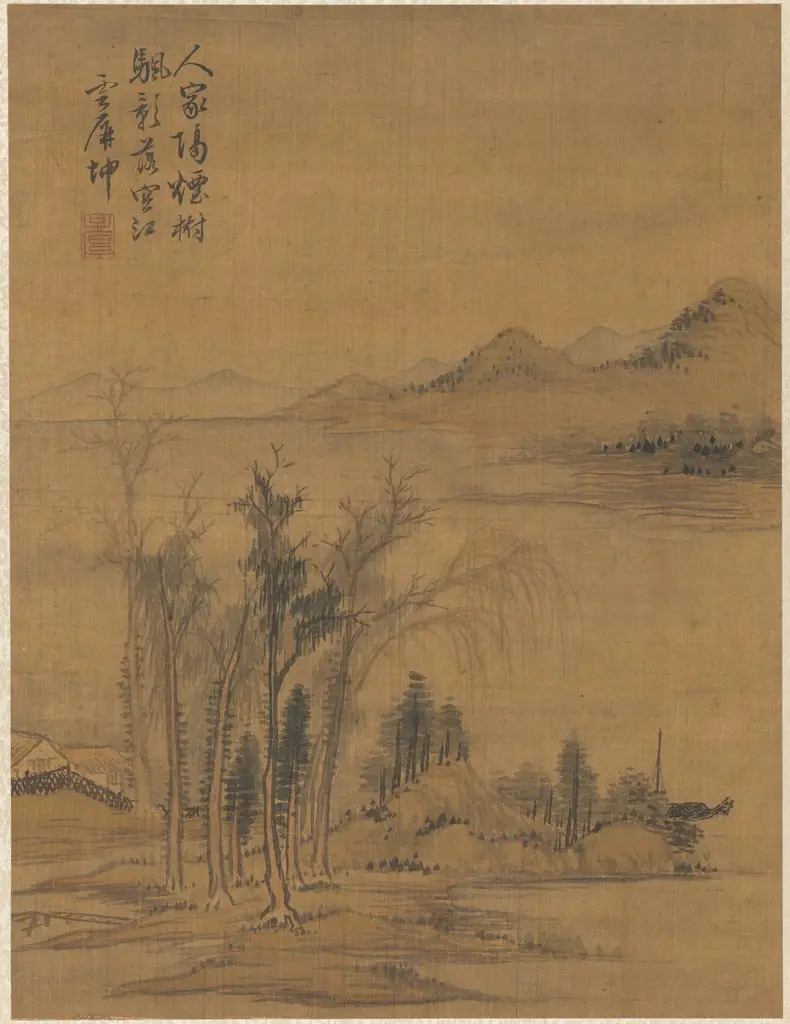
Created in 1775 by the Qing‑dynasty painter Zhai Dakun, “Ten Thousand Bamboos in the Mist and Rain” is an ink and color work on paper now in the collection of the Cleveland Museum of Art. The composition depicts a mist‑shrouded landscape where a modest cluster of trees and rocks occupies the foreground, receding toward a distant mountain and a tiny dwelling.
Subject & Meaning
The scene conveys a quiet, contemplative atmosphere, suggesting the harmony between humanity and nature. The solitary house nestled among the bamboo hints at a modest, reclusive life, while the enveloping mist and rain evoke the transience and subtlety prized in traditional Chinese landscape philosophy.
Technique & Style
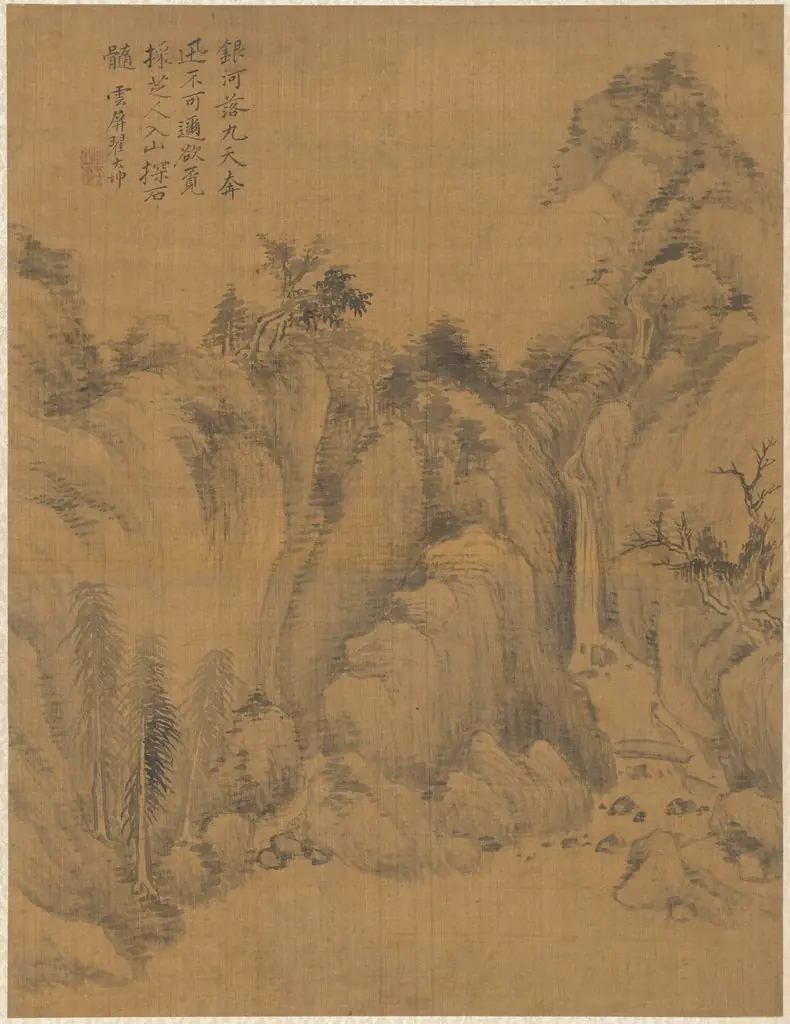
Zhai employs a restrained palette of muted greens, grays, and soft blues, applying delicate brushwork that renders foliage and rock surfaces with fine, layered strokes. The gradual modulation of ink washes creates atmospheric depth, allowing the mist to dissolve forms and impart a sense of spatial recession.
History & Provenance
The painting has remained in private collections before entering the Cleveland Museum of Art, where it is displayed as part of the museum’s Asian art holdings. Its provenance traces back to the late eighteenth century, reflecting the continued appreciation of literati landscape painting beyond its original Chinese context.
Context
Produced during a period when Chinese scholars emphasized personal expression over realistic representation, the work aligns with the literati tradition that valued brush control, poetic allusion, and the evocation of mood. Bamboo, a recurrent motif, symbolized resilience and moral integrity in the cultural lexicon of the time.
Own this work as a print
Artist & collection
Artist
Zhai Dakun painted bold, mist-soaked landscapes in the mid-Qing era, mimicking the rugged peaks and swirling clouds of earlier Chinese masters.