Artwork
Desk Album: Flower and Bird Paintings (Peony)
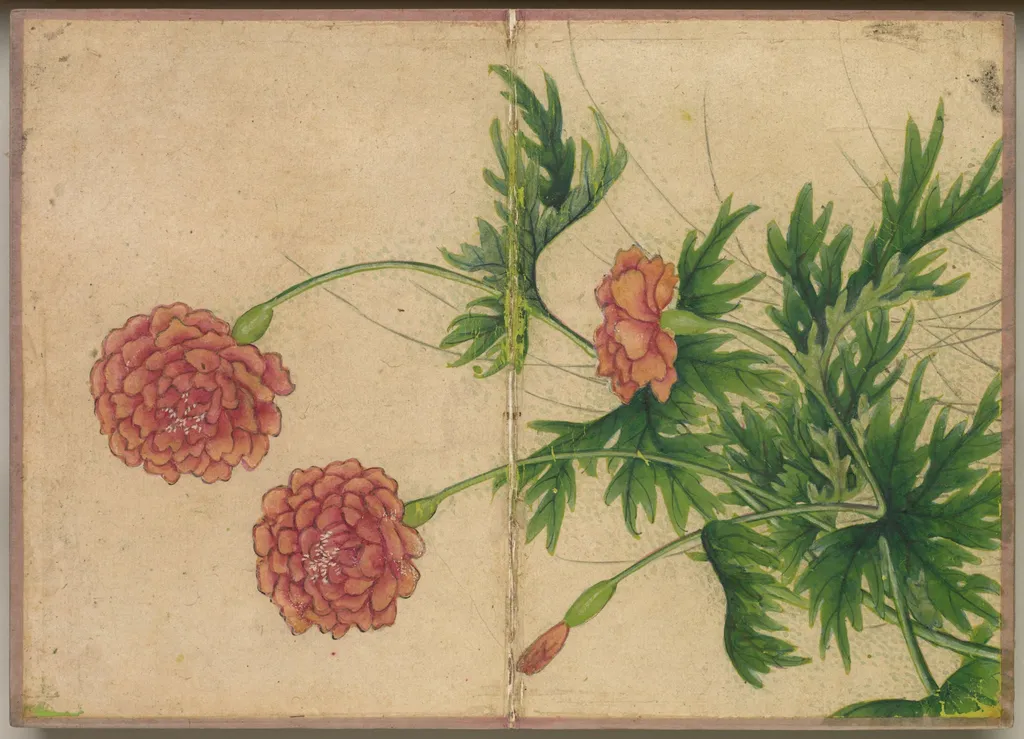
Desk Album: Flower and Bird Paintings (Peony) is an unspecified painting by the Baroque artist Zhang Ruoai. It dates from 1704 and is held in the collection of the Cleveland Museum of Art.
About this work
Overview
Created around 1704 by the Chinese artist Zhang Ruoai, this small-format painting is part of a desk album featuring floral and avian subjects.
Created around 1704 by the Chinese artist Zhang Ruoai, this small-format painting is part of a desk album featuring floral and avian subjects. It belongs to a tradition of intimate, portable artworks meant for personal contemplation rather than public display. The piece is now in the collection of The Cleveland Museum of Art, where it reflects the refined aesthetic sensibilities of early Qing dynasty literati painting.
Subject & Meaning
The painting depicts a single peony bloom, rendered with delicate brushwork and subtle tonal gradations. In Chinese culture, the peony symbolizes prosperity, honor, and feminine beauty. Its inclusion here aligns with scholarly traditions that used nature as a vehicle for moral and poetic reflection, avoiding overt narrative in favor of quiet, evocative presence.
Technique & Style
Zhang Ruoai employed ink and light color on paper, using fine, controlled strokes to suggest the texture of petals and leaves. The composition is sparse, emphasizing negative space and asymmetry—hallmarks of literati painting. While European influences were present in some Qing court art, this work adheres closely to indigenous Chinese conventions, prioritizing brush economy and expressive restraint over naturalistic detail.
History & Provenance
The painting originated as part of a bound album intended for private viewing, likely among scholar-officials. Its survival into the modern era reflects its preservation within collector circles. Acquired by The Cleveland Museum of Art in the 20th century, it entered the institution as part of a broader effort to represent East Asian album painting traditions.
Context
Though produced during a period of increased cultural exchange between China and Europe, this work does not exhibit Baroque characteristics. Instead, it continues a centuries-old Chinese tradition of ink-wash painting rooted in Confucian and Daoist ideals. The notion of Baroque influence here is misleading; Zhang’s style remains firmly within the literati canon, distinct from Western theatricality or chiaroscuro.
Legacy
Zhang Ruoai’s album leaf exemplifies the enduring value placed on understated elegance in Chinese painting. Though not widely known outside specialist circles, such works shaped later perceptions of Chinese art in the West. Their emphasis on restraint, nature, and personal expression continues to inform contemporary appreciation of East Asian aesthetics.
Artist & collection

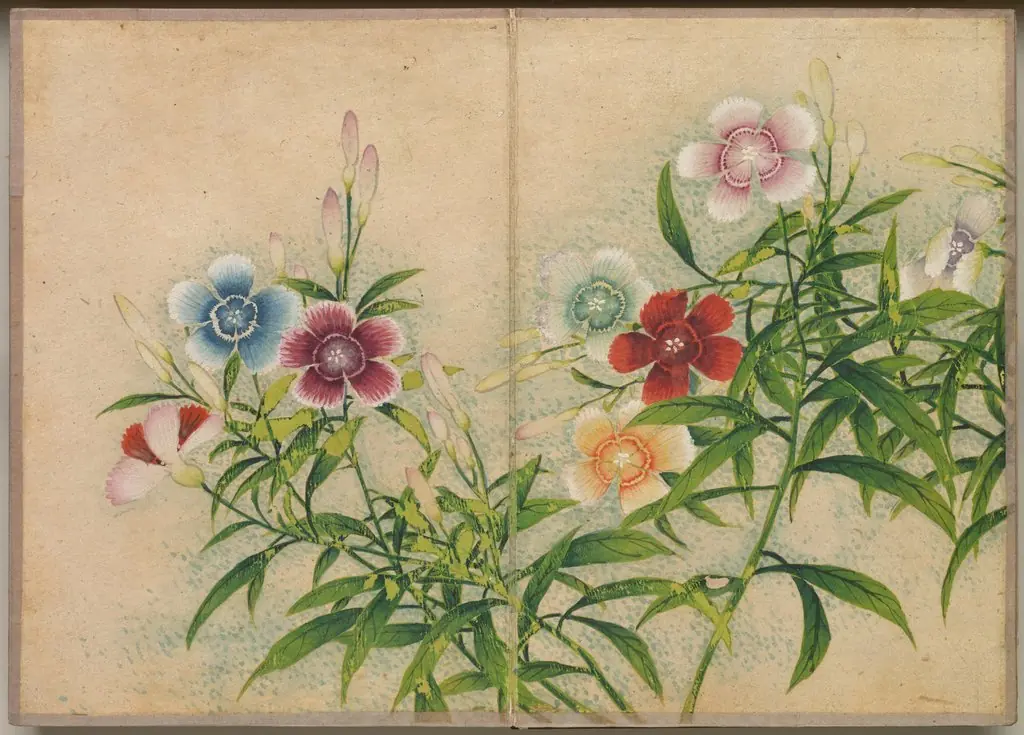 Desk Album: Flower and Bird Paintings (Pinks)
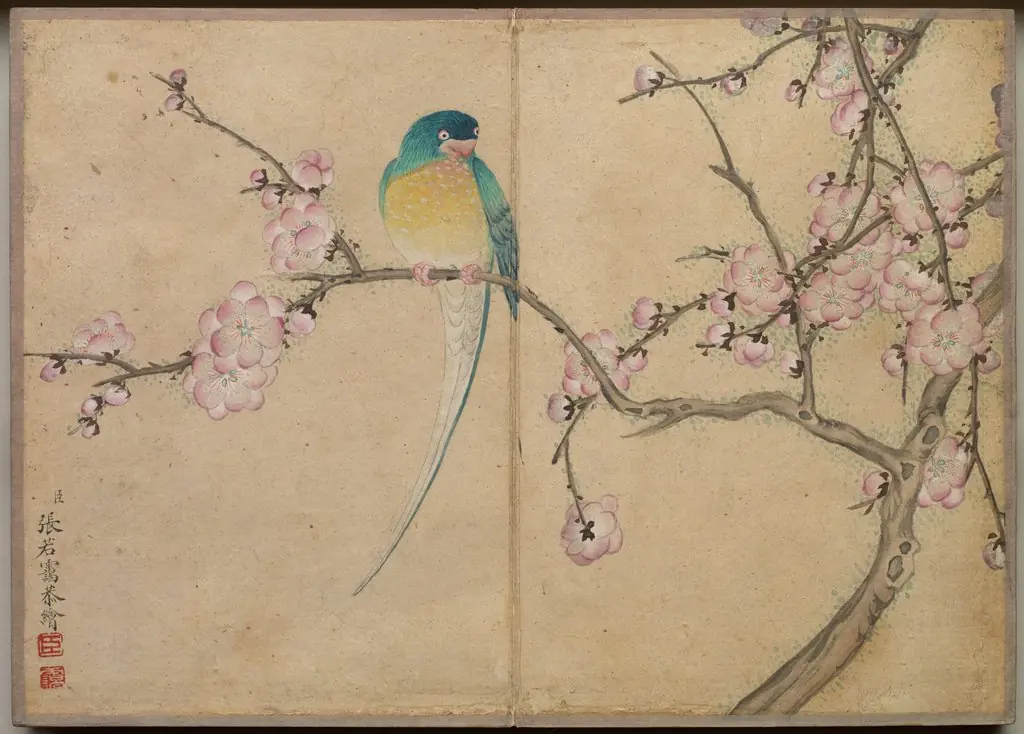 Desk Album: Flower and Bird Paintings (Bird with Plum Blossoms)
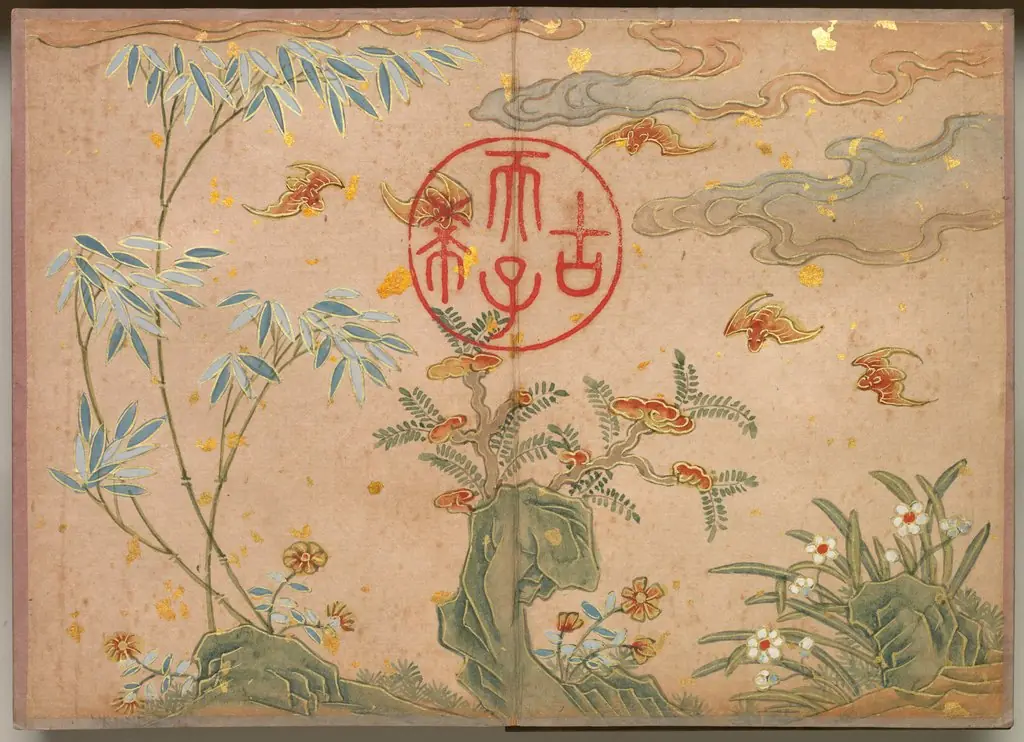 Desk Album: Flower and Bird Paintings (Bats, rocks, flowers circular calligraphy)
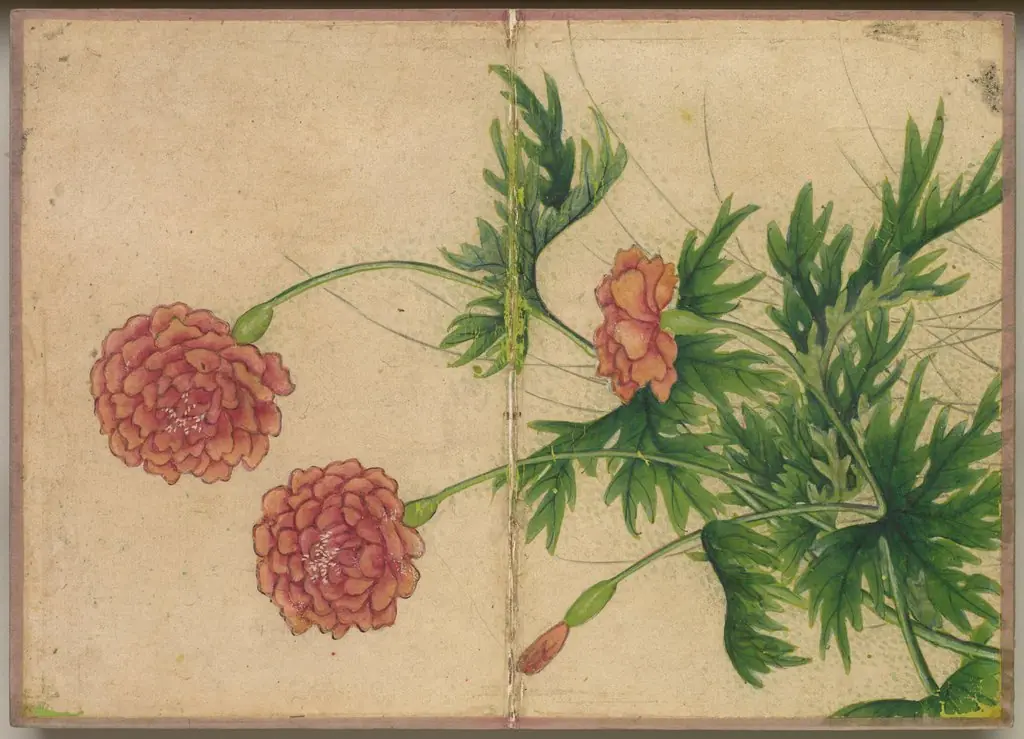 Desk Album: Flower and Bird Paintings (Peony)
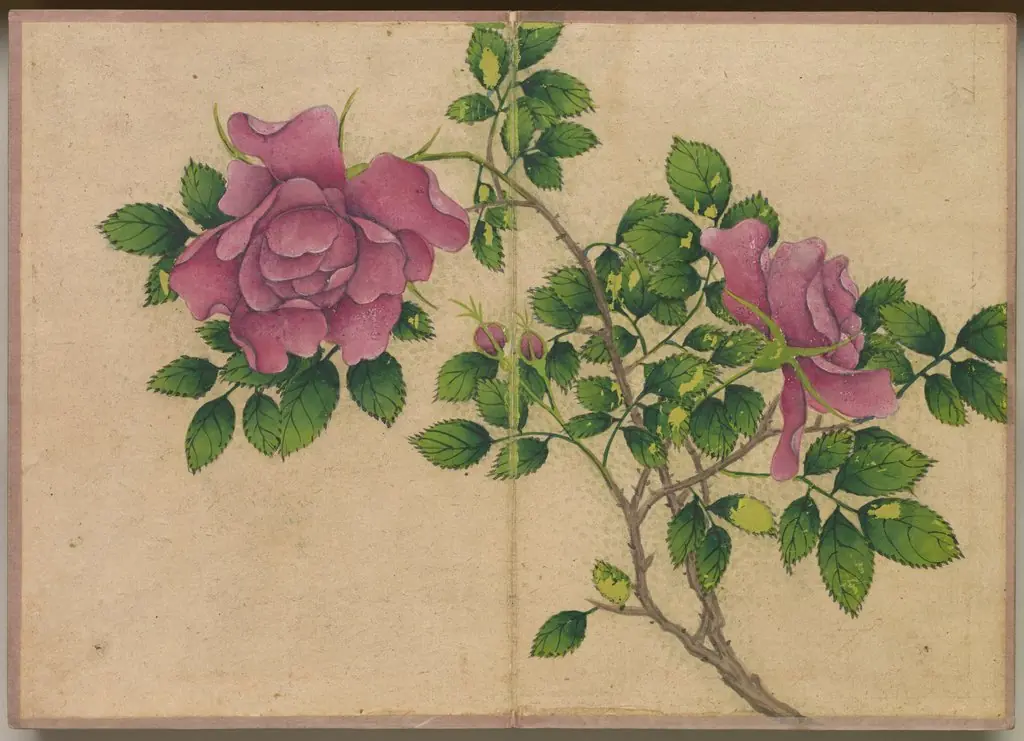 Desk Album: Flower and Bird Paintings (Rose)
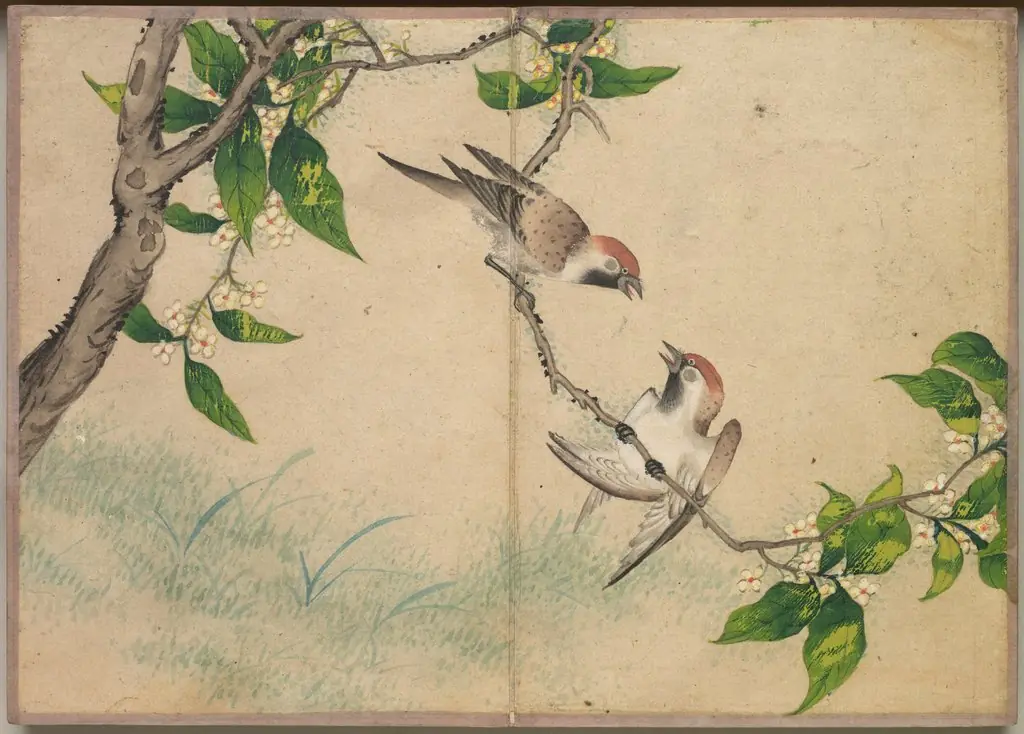 Desk Album: Flower and Bird Paintings (Gossiping Sparrows)
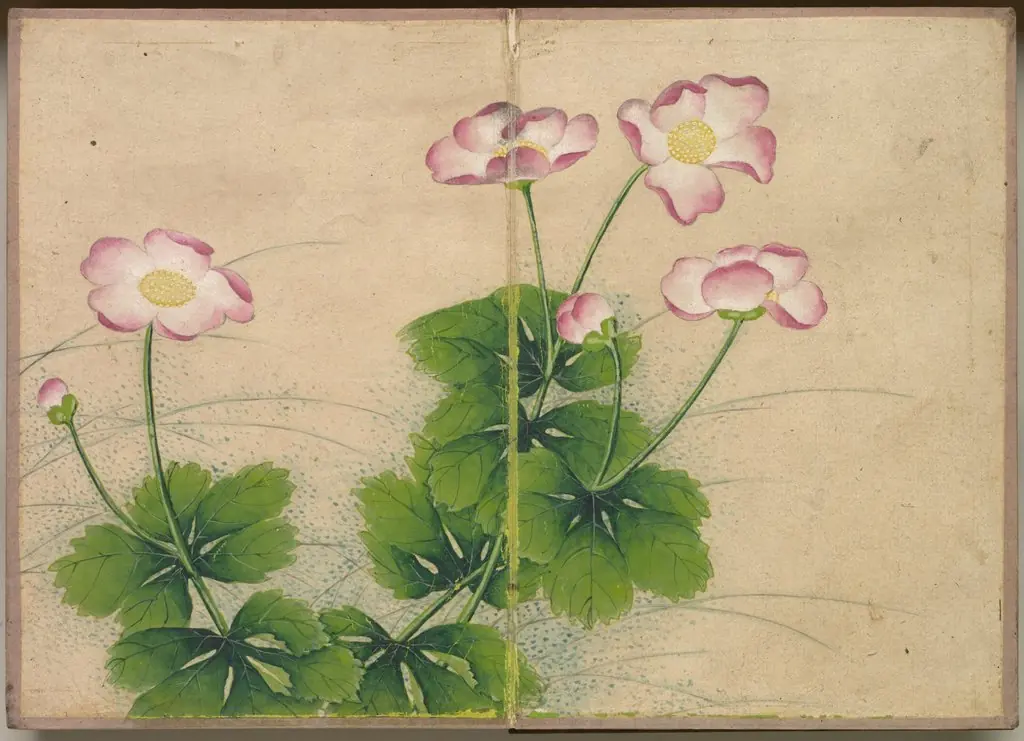 Desk Album: Flower and Bird Paintings (mallow flowers)
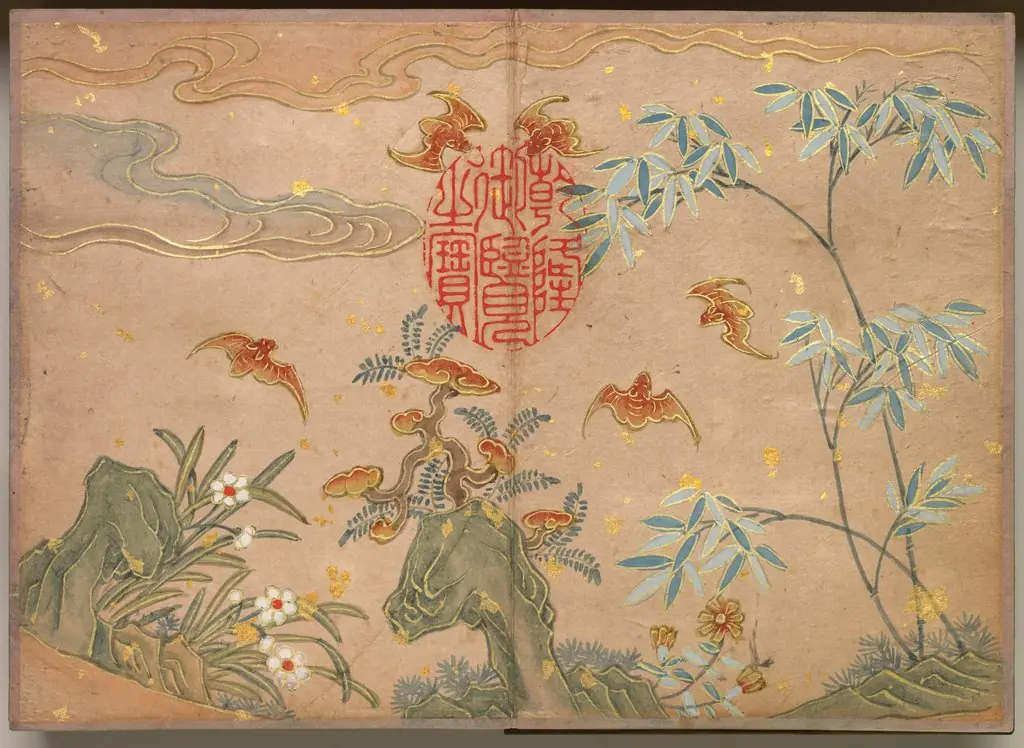 Desk Album: Flower and Bird Paintings (Bats, rocks, flowers oval calligraphy)
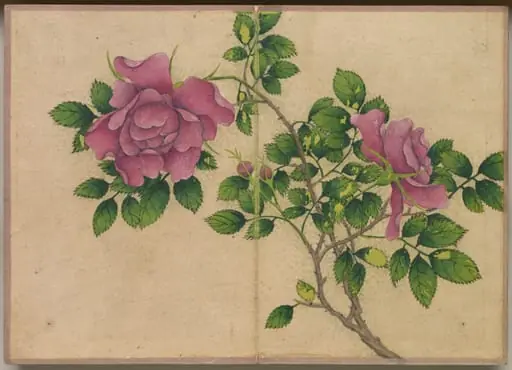 Desk Album: Flower and Bird Paintings (Rose)
 Desk Album: Flower and Bird Paintings (Climbing Blue Flowers)
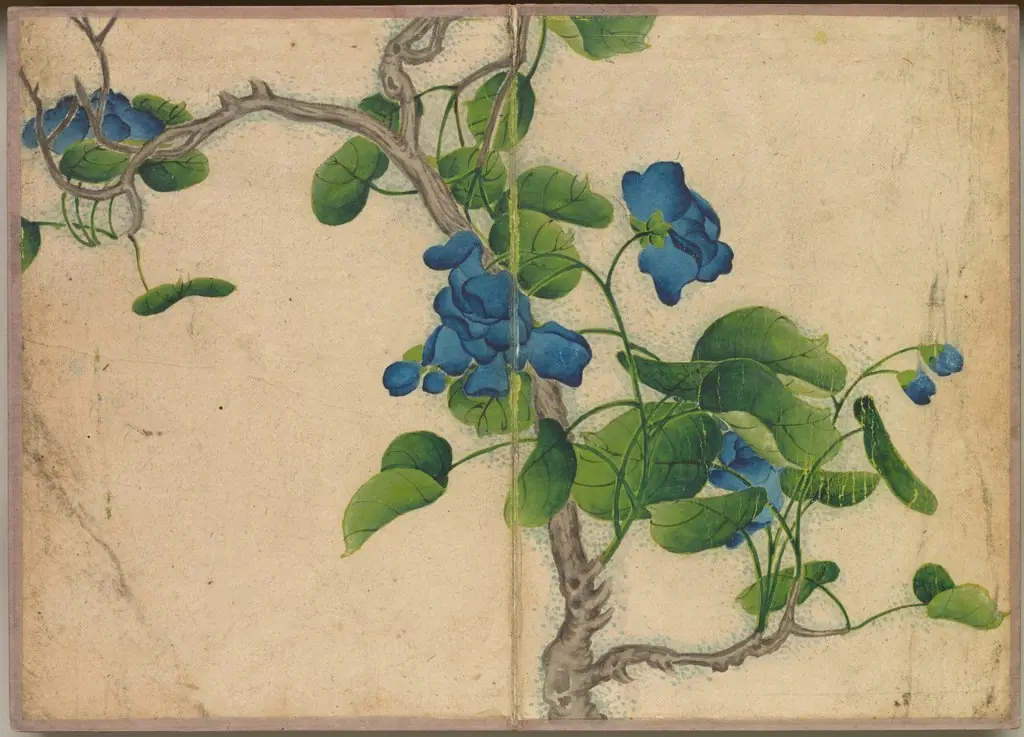 Desk Album: Flower and Bird Paintings (Climbing Blue Flowers)
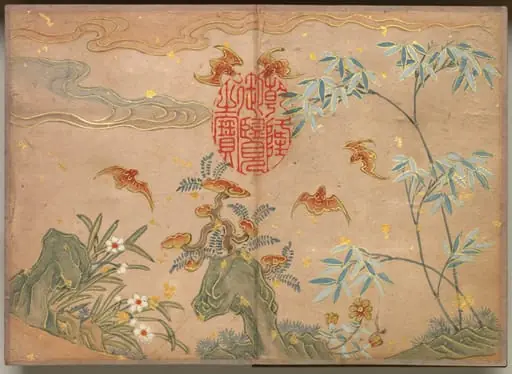 Desk Album: Flower and Bird Paintings (Bats, rocks, flowers oval calligraphy)
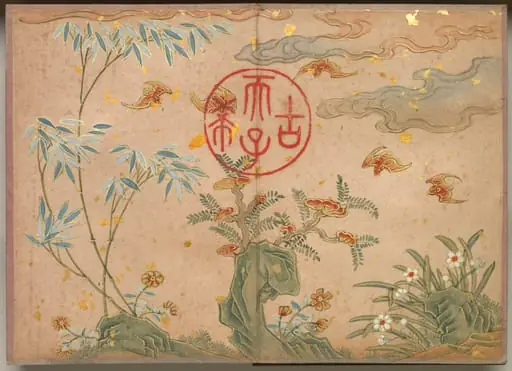 Desk Album: Flower and Bird Paintings (Bats, rocks, flowers circular calligraphy)