Artwork
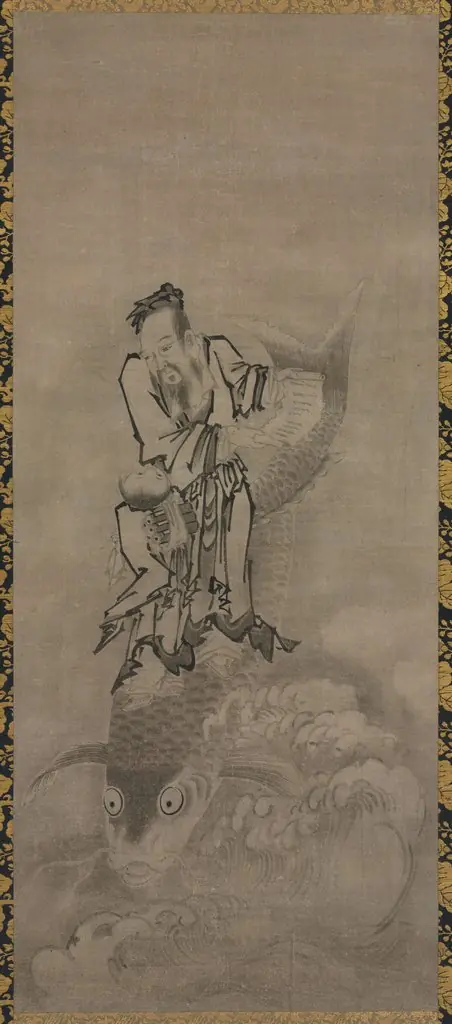
Zhongli Quan Crossing the Ocean
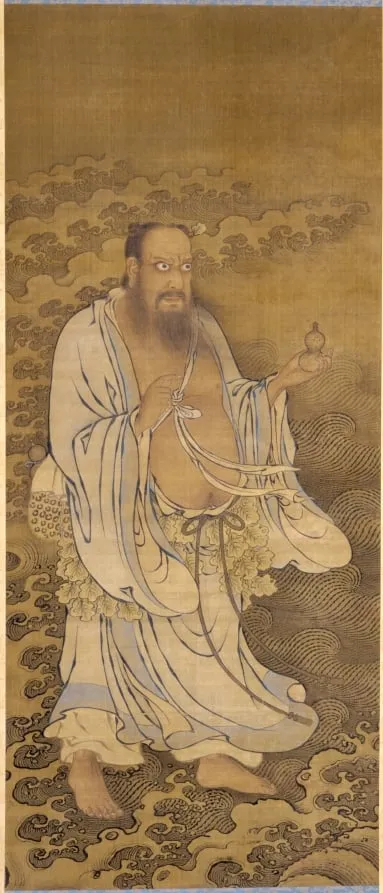
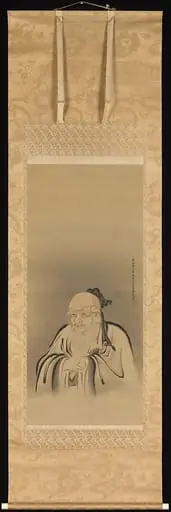
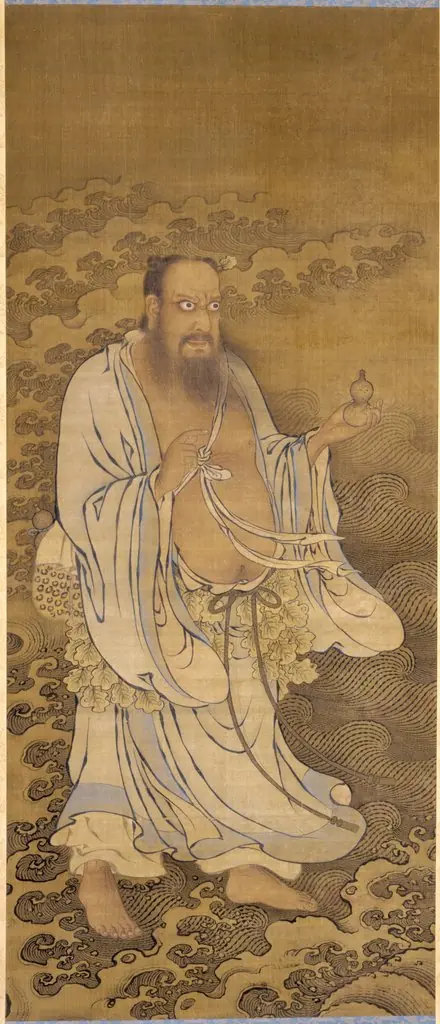
Zhongli Quan Crossing the Ocean is an unspecified painting by the Ming dynasty painting artist Zhao Qi. It dates from 1506 and is held in the collection of the Cleveland Museum of Art. This ink-on-paper scroll depicts Zhongli Quan, one of the Eight Immortals from Daoist tradition, traversing a turbulent sea.
About this work
The loose brushstrokes make the water and fabric feel alive—almost like you can hear the waves.
A man with a bare belly floats above crashing waves, his robe billowing like a flag. He holds a fan that seems to push the wind itself.
This is Zhongli Quan, one of eight Daoist immortals. Artists in the Ming dynasty often painted him mid-journey, showing off his power over nature. The loose brushstrokes make the water and fabric feel alive—almost like you can hear the waves.
To see more figures like this, look up *china, ming dynasty (1368–1644)*.
Overview
This ink-on-paper scroll depicts Zhongli Quan, one of the Eight Immortals from Daoist tradition, traversing a turbulent sea. The figure floats above churning waves, his robe swept by unseen winds, holding a fan that suggests control over natural forces. Though unsigned and unsealed, stylistic elements align with Ming dynasty conventions, particularly the energetic brushwork characteristic of Zhao Qi’s circle. The composition likely formed part of a larger series illustrating the immortals in motion.
Subject & Meaning
Zhongli Quan represents the Daoist ideal of transcendence through inner mastery. His bare midriff and open robe signify detachment from worldly concerns, while his flight over the ocean symbolizes liberation from physical limitations. The fan, a traditional attribute, is not merely a tool but an extension of his spiritual power, capable of commanding wind and wave. The scene reflects Daoist narratives where immortals demonstrate harmony with cosmic forces through effortless movement.
Technique & Style
The artist employs rapid, fluid brushstrokes to animate both the robe and the sea, creating a dynamic tension between stillness and motion. Ink washes suggest the force of crashing water without detailed rendering, while dry-brush techniques define the folds of fabric as if caught mid-billow. The lack of fine detail emphasizes spontaneity and energy, typical of Ming literati painting, where expressive gesture conveys spiritual presence more than literal representation.
History & Provenance
The painting bears no artist’s signature or collector’s seals, making direct attribution uncertain. However, its compositional rhythm, ink handling, and thematic focus align closely with works associated with Zhao Qi, a Ming-era painter known for Daoist subjects. Its survival as a single panel suggests it may have been separated from a set of eight, possibly commissioned for private devotion or scholarly display in a Ming household or temple.
Context
During the Ming dynasty, depictions of the Eight Immortals flourished in both court and popular art, reflecting widespread Daoist influence among elites and commoners alike. Paintings of immortals crossing seas or riding animals served as visual metaphors for spiritual ascent. Such images were often displayed in homes or monasteries to inspire contemplation, blending religious symbolism with aesthetic ideals of spontaneity and natural harmony.
Legacy
This work contributes to a broader visual tradition of Daoist immortals in Chinese painting, influencing later depictions in folk art and theater. Its emphasis on movement over static form helped shape the literati preference for expressive brushwork. Though not widely known outside scholarly circles, it remains a representative example of how Ming artists translated spiritual concepts into dynamic, ink-based compositions that prioritized inner energy over outward realism.
Artist & collection