Artwork
Beggars and Street Characters

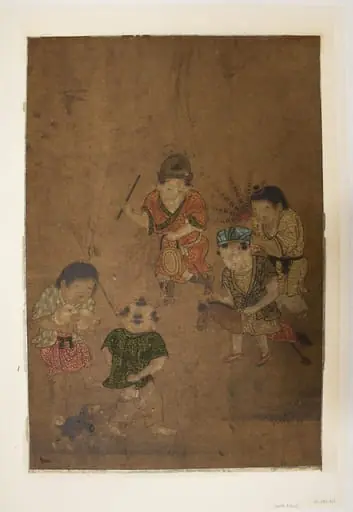
Beggars and Street Characters is an unspecified painting by the Ming dynasty painting artist Shen Zhou. It is held in the collection of the Cleveland Museum of Art.
About this work
Overview
Created in 1516, *Beggars and Street Characters* is a hand‑scroll painting from the Ming dynasty that now belongs to the Cleveland Museum of Art. Executed in the Wu School tradition, the work records a procession of itinerant figures, rendered with minimal brushwork and accompanied by columns of ink text.
Subject & Meaning
The scroll presents a line of beggars and street‑dwelling individuals, each shown in a simple stance—some leaning on crutches, others holding walking sticks. Their attire is coarse and their faces are rendered without detail, emphasizing their collective social role rather than personal identity.
Technique & Style
Shen Zhou employs a restrained palette of black ink, using only a few strokes per figure to suggest form. The lack of shading or perspective creates a flat, diagrammatic quality, while the accompanying vertical script adds a literary dimension typical of literati practice.
History & Provenance
Although Shen Zhou (1427–1509) died before the date inscribed on the work, the painting is attributed to his workshop and reflects the later continuation of his style. It entered the Cleveland Museum of Art’s collection through a 20th‑century acquisition, where it remains on display.
Context
The piece belongs to the Wu School, a Ming‑era movement that valued personal expression and scholarly pursuits over courtly conventions. Shen Zhou, a member of an influential family, withdrew from official life to focus on painting and calligraphy, a stance reflected in the work’s informal, observational tone.
Artist & collection
Artist
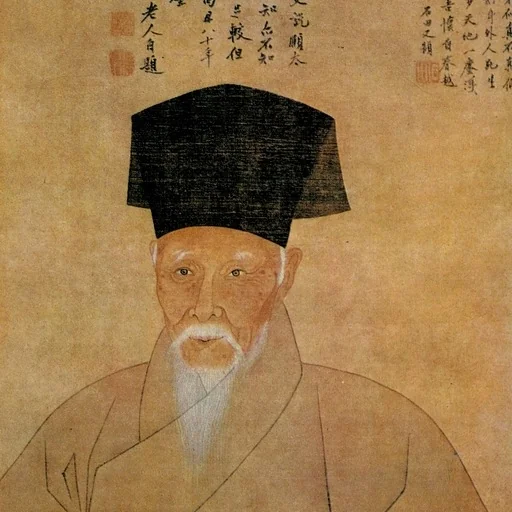
Shen Zhou spent his life in the Suzhou region of China, where his family’s money and connections mattered more than art—until it did.

 Untitled
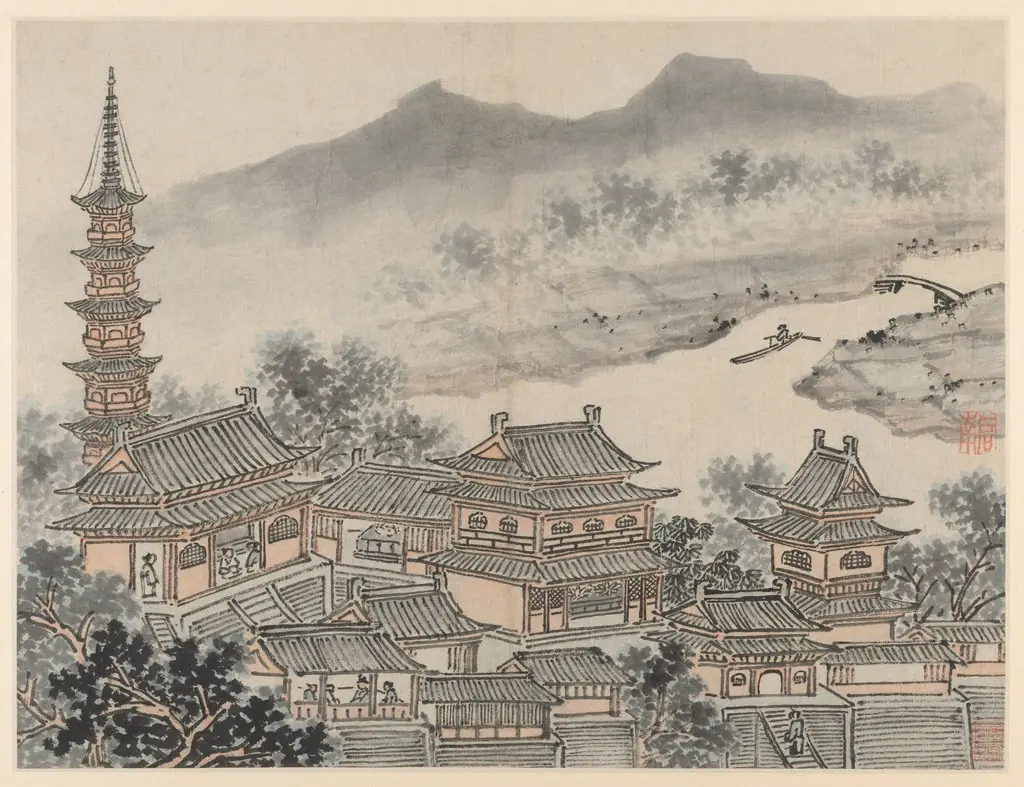 The Thousand Buddha Hall and the Pagoda of the "Cloudy Cliff" Monastery, from Twelve Views of Tiger Hill, Suzhou
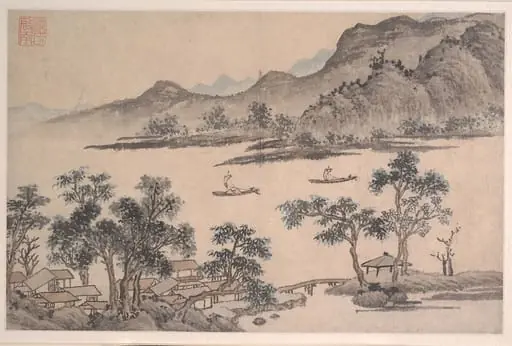 Untitled
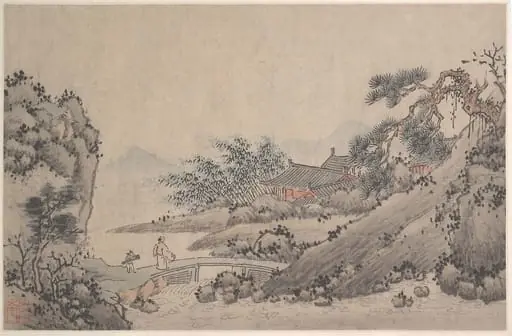 Untitled
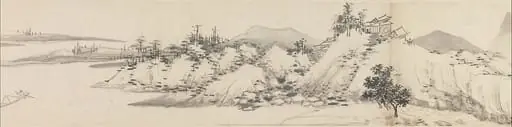 明 沈周 溪山秋色圖 卷|明 沈周 溪山秋色圖 卷明 楷書溪山秋色圖 引首|Autumn Colors among Streams and Mountains
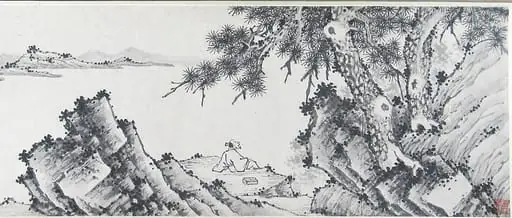 明 (倣)沈周 怡松圖 卷|Enjoying the Pines
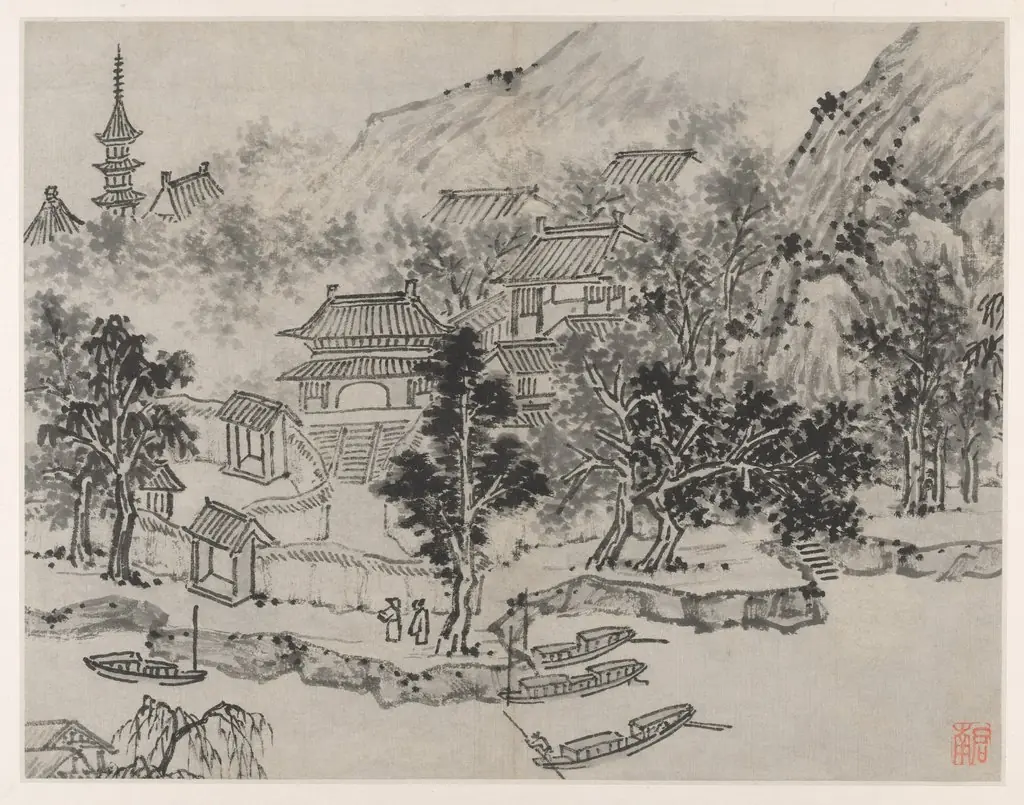 Distant View of Tiger Hill from the Canal Mooring, from Twelve Views of Tiger Hill, Suzhou
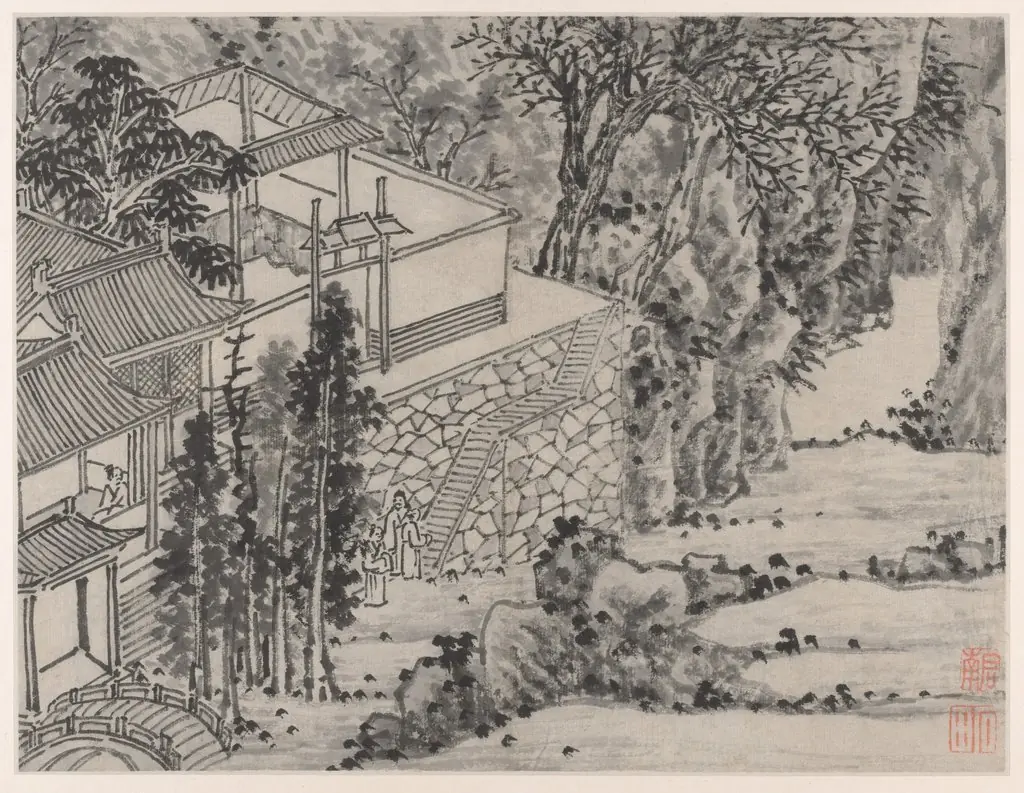 The Enlightened Stone Retreat, from Twelve Views of Tiger Hill, Suzhou