Artwork
A Goosander
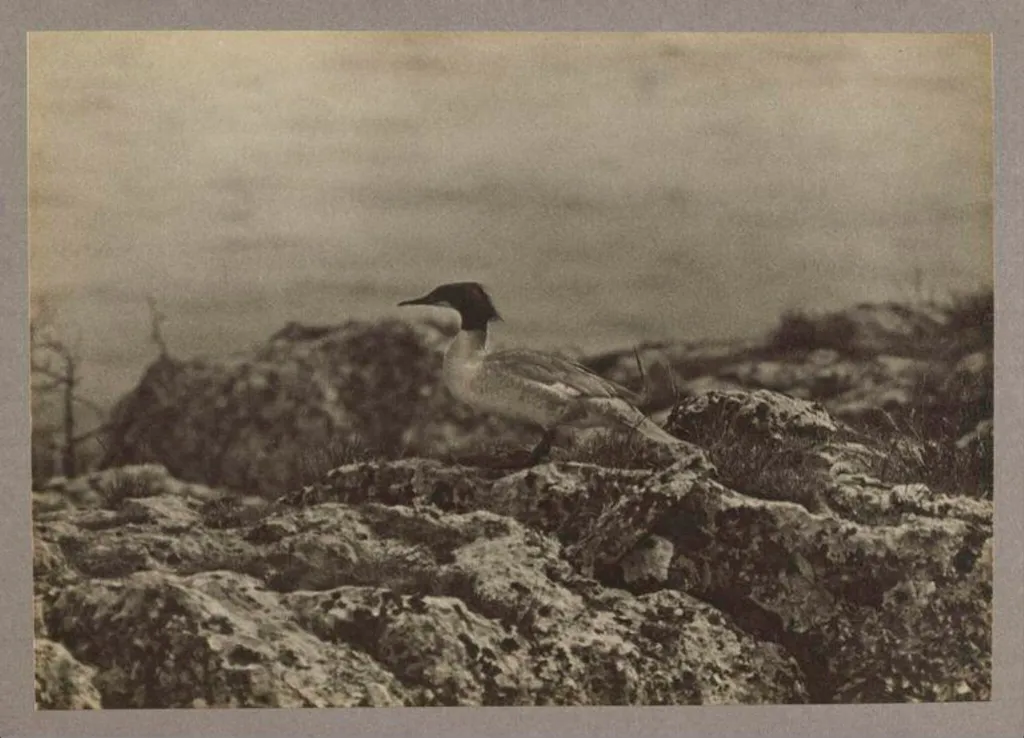
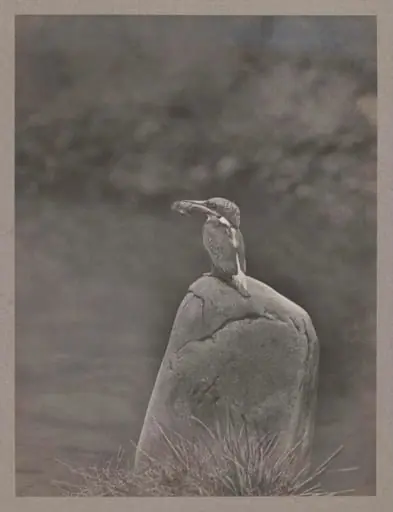
A Goosander is a photographic photography by Zoological Photographic Club. It is held in the collection of the Victoria and Albert Museum.
About this work
Overview
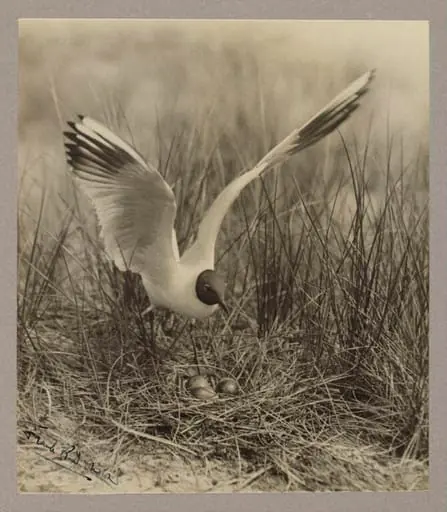
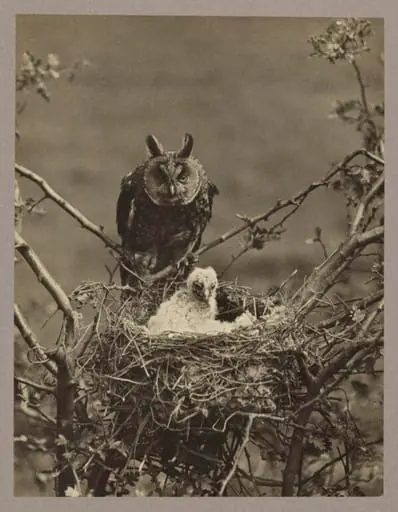
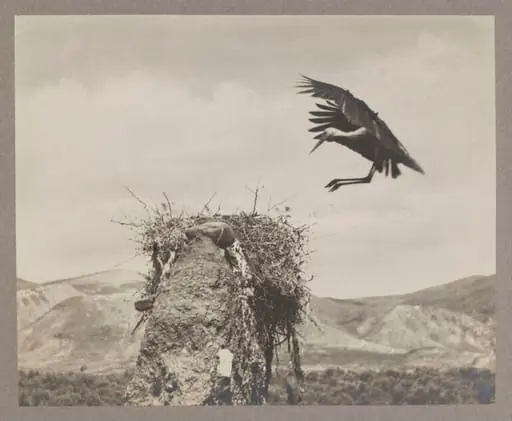
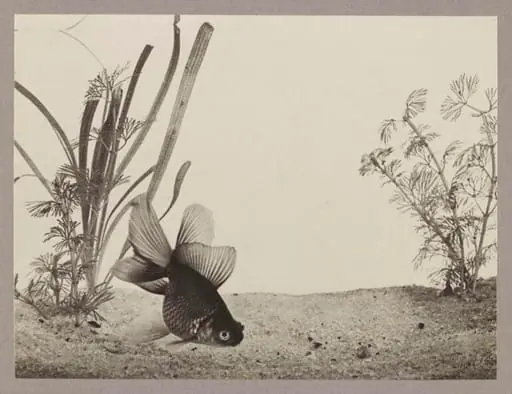
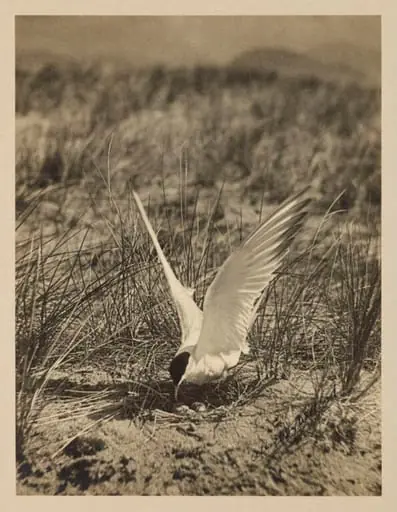
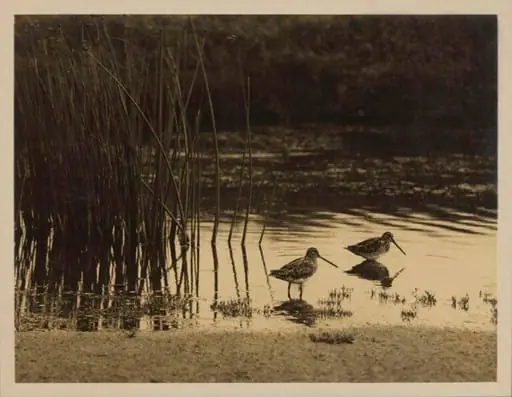
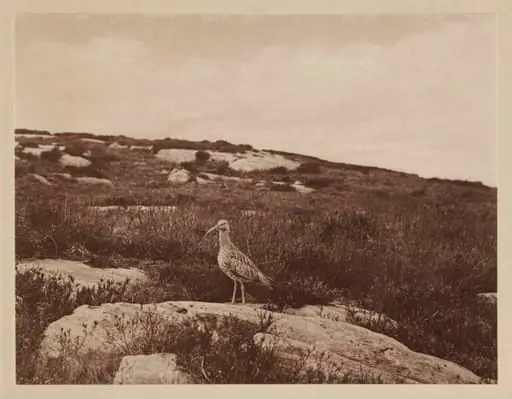
The image is one of thirty-nine photographs from a single album, cataloged under museum numbers 3250:1-2023 to 3250:39-2023.
A mounted photographic print captures a male goosander standing on a rocky outcrop, its dark head and pale body contrasting subtly with the muted tones of the surrounding terrain. The image is one of thirty-nine photographs from a single album, cataloged under museum numbers 3250:1-2023 to 3250:39-2023. The composition emphasizes stillness and natural detail, with no human or animal presence beyond the bird.
Subject & Meaning
The goosander, a diving duck native to northern Europe and Asia, is depicted in a moment of quiet rest. Its black head and white flank feathers are rendered with clarity, suggesting identification as a male in breeding plumage. The solitary setting implies a focus on the species in its unaltered habitat, reflecting the intent to document wildlife without anthropomorphic interference or staged drama.
Technique & Style
Soft, diffused lighting enhances the texture of the bird’s feathers and the rough surface of the rocks, avoiding harsh shadows. The photograph’s tonal range is restrained, favoring natural grays and earth tones that harmonize with the environment. The composition is centered and uncluttered, prioritizing observational accuracy over artistic embellishment, consistent with scientific documentation practices of the era.
History & Provenance
The photograph was produced by the Zoological Photographic Club, a late 19th- to early 20th-century group dedicated to capturing animals in the wild. It entered the museum’s collection as part of a larger album, likely donated or acquired for its contribution to natural history records. The album’s consistent numbering suggests systematic cataloging, indicating the club’s methodical approach to visual documentation.
Context
Created during a period when photography was increasingly used in zoology, this image aligns with efforts to replace illustrated plates with direct visual records. The Zoological Photographic Club operated alongside emerging fields of ethology and ecology, aiming to provide accurate references for scientists and educators. Such photographs helped shift natural history from specimen collection to habitat-based study.
Legacy
As part of a curated album, this photograph contributes to a historical archive of wildlife observation. It reflects early photographic practices that valued neutrality and precision over aesthetic flourish. Today, it serves as a record of avian appearance and habitat at the time of capture, offering insight into both biological and documentary traditions of the period.
Artist & collection
Artist
The Zoological Photographic Club took crisp, close-up photos of animals in the late 1800s, long before smartphones.