Artwork
Gitană catalană
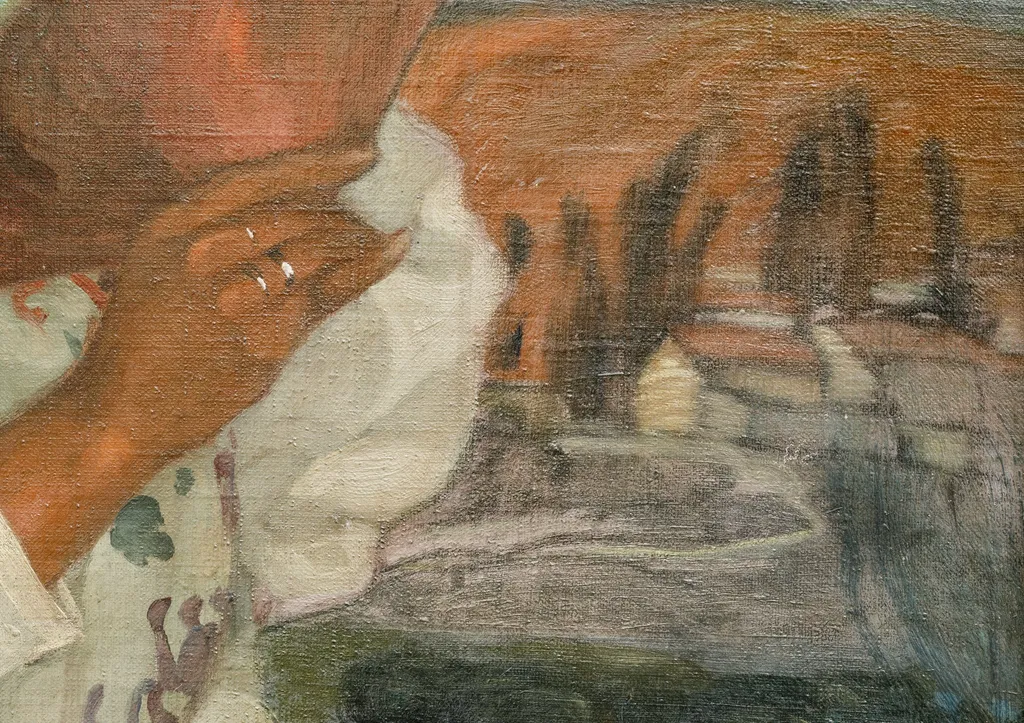
Gitană catalană is an unspecified painting by Ignacio Zuloaga y Zabaleta. It dates from 1850 and is held in the collection of the National Museum of Art of Romania.
About this work
Overview
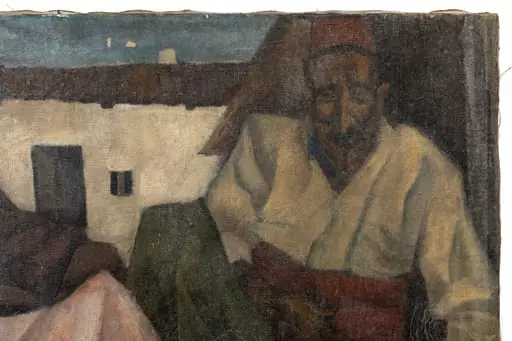
Ignacio Zuloaga y Zabaleta's 'Gitană catalană' (c. 1850) is a portrait of a woman dressed in traditional Catalan attire, characterized by a nuanced depiction of contemplation and intricate details.
Subject & Meaning
The subject, a Catalan woman, is portrayed with a subtle smile and downcast eyes, suggesting introspection. Her traditional clothing and fan may symbolize cultural identity, though the title's 'Gitană' (Gypsy) introduction complicates direct ethnic attribution.
Technique & Style
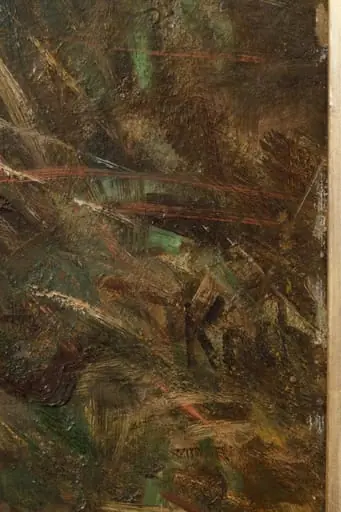
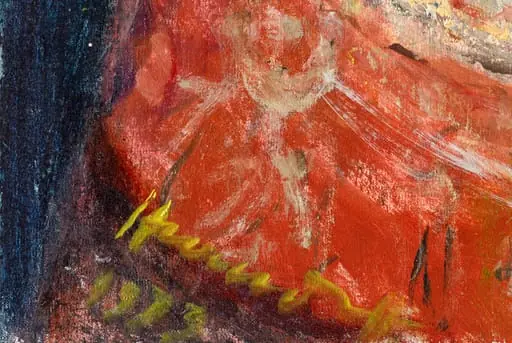
The painting features soft brushstrokes on the subject's face, contrasting with the detailed fan. Zuloaga employs chiaroscuro to create depth, focusing attention on the woman's face and accessory, evoking a style reminiscent of Velázquez.
History & Provenance
Created circa 1850, specific provenance details are not provided in the available information.
Context
Painted during a time of growing interest in folk culture, 'Gitană catalană' reflects a 19th-century artistic fascination with traditional dress and the mystique of Gypsy imagery, despite the subject's actual ethnic representation being ambiguous.
Legacy
While direct influence is not detailed, the work's style and subject matter place Zuloaga within a continuum of artists exploring Spanish cultural identities through portraiture, with echoes of the Old Masters.
Artist & collection
Artist
Ignacio Zuloaga spent years in a damp stone house in the Spanish hills, sketching the same gnarled olive tree outside his window.