Art Museum
Țării Crișurilor Museum

Image: Wikimedia Commons.
Țării Crișurilor Museum is an art museum in Oradea, Romania.
About Țării Crișurilor Museum
Overview & Identity
The Țării Crișurilor Museum (Muzeul Țării Crișurilor) is a prominent cultural and scientific institution located in Oradea, Romania, subordinate to the Bihor County Council. It functions as a comprehensive complex museum, ranking fifth in Romania by the size of its holdings, with a collection exceeding 478,000 items. The institution serves as a primary repository for the history, art, ethnography, and natural sciences of the Crișana region, preserving the heritage of the diverse populations of western Romania, including Romanians, Hungarians, Slovaks, and Swabians. It manages permanent exhibitions, memorial museums, and a vivarium, acting as a significant cultural hub with European connections.
History & Founding
The institution's origins trace back to 1872 with the establishment of the Society of Archaeology and History of Bihor County, which aimed to create a local museum. This effort culminated in the inauguration of the first dedicated museum building in Oradea in June 1896. Following World War I and the formation of Greater Romania, the museum was reorganized and reopened in 1921 with a focus on Romanian folk art. The modern Muzeul Țării Crișurilor was officially inaugurated on January 17, 1971, in the restored Baroque Palace. In 2006, the museum moved to its current location in the former Cadet School building, continuing a tradition of over 120 years of continuous existence.
Building & Architecture
The museum's history is intertwined with significant architectural landmarks in Oradea. The first dedicated museum building, completed in 1895 by architect Kálman Rimanoczy senior, was an eclectic structure inaugurated in 1896. In 1971, the museum occupied the restored Baroque Palace (Episcopal Palace), constructed between 1762 and 1776 by architect Franz Anton Hillebrandt. Since 2006, the institution has been housed in the former Cadet School, a historic monument (LMI code BH-II-m-B-01030) that serves as the current headquarters for its extensive collections and administrative functions.
Collection Highlights
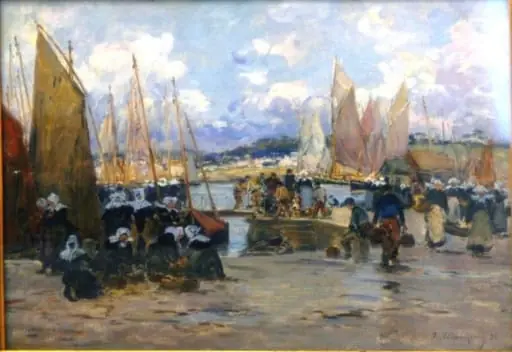
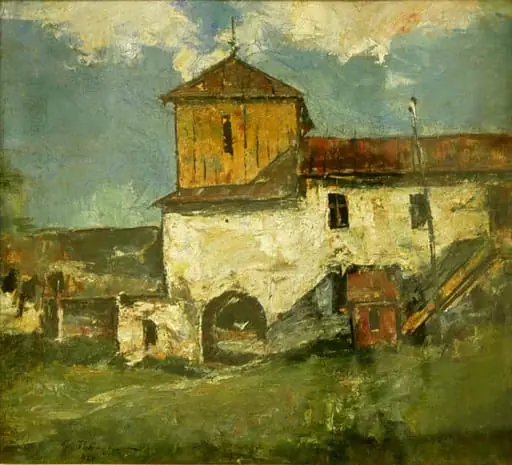
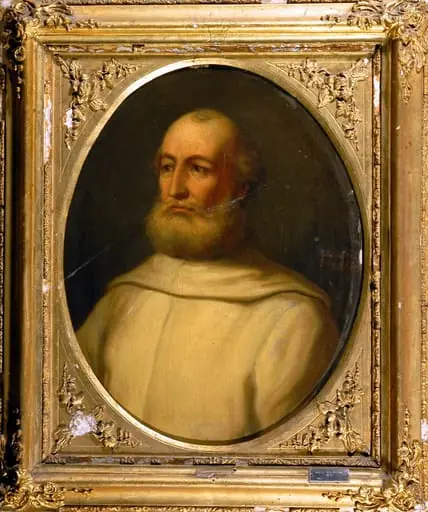
The museum's vast collection is divided into four main sections: History, Art, Ethnography, and Natural Sciences. The Art section features works by prominent 20th-century Romanian painters such as Tonitza, Petrașcu, Pallady, Ștefan Dimitrescu, Șirato, Ressu, Iser, Steriadi, Corneliu Baba, Gheață, Ciucurencu, and Țuculescu, alongside sculptures by Pacurea, Jalea, and Medrea. The History section holds documents from the 1848 Revolution and 1918 Union, historical maps, and a Bible printed in 1660-1661. The Natural Sciences section includes biological collections (botany, zoology, malacology, entomology) and paleontological specimens, while the Ethnography section covers the Crasna-Barcău, Crișul Repede, and other local regions.
Significance & Research
Beyond its exhibition role, the museum is a vital center for scientific research and publication. It publishes three specialized annual journals: 'Crisia' (archaeology and history), 'Biharea' (ethnography and art), and 'Nymphaea' (natural sciences), which have reached over 132 issues collectively. The institution conducts specific research in the Vadu Crișului Cave, which is under its administration, and maintains a vivarium where it achieved a national first in the captive breeding of the sugar glider. The museum also manages memorial museums dedicated to Endre Ady, Iosif Vulcan, and Aurel Lazăr, further cementing its role in preserving the region's intellectual and cultural legacy.
What to see at Țării Crișurilor Museum
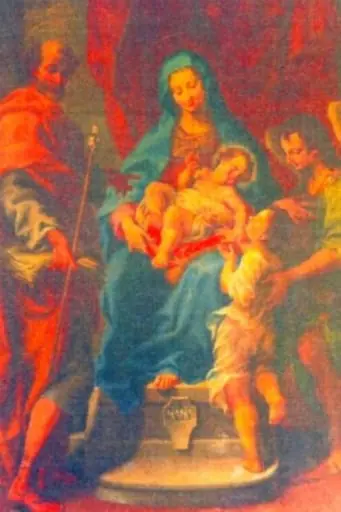
Start with Sfânta Familie by Pietro Marchesini.
Plan your visit
Țării Crișurilor Museum
- Website
- mtariicrisurilor.ro
What's on
- Read More » The Transcendental RidersFrom 13 Jul 2023
- Read More » New efforts for saving the thermal ruddFrom 12 Jun 2025
- Read More » Typography of Ideas Workshops – Furniture Decoration PaintingFrom 3 Jul 2025
- Read More » 120 Years Since the Opening of Vadu Crișului CaveFrom 19 Aug 2025