Collection
Andrew W. Mellon collection
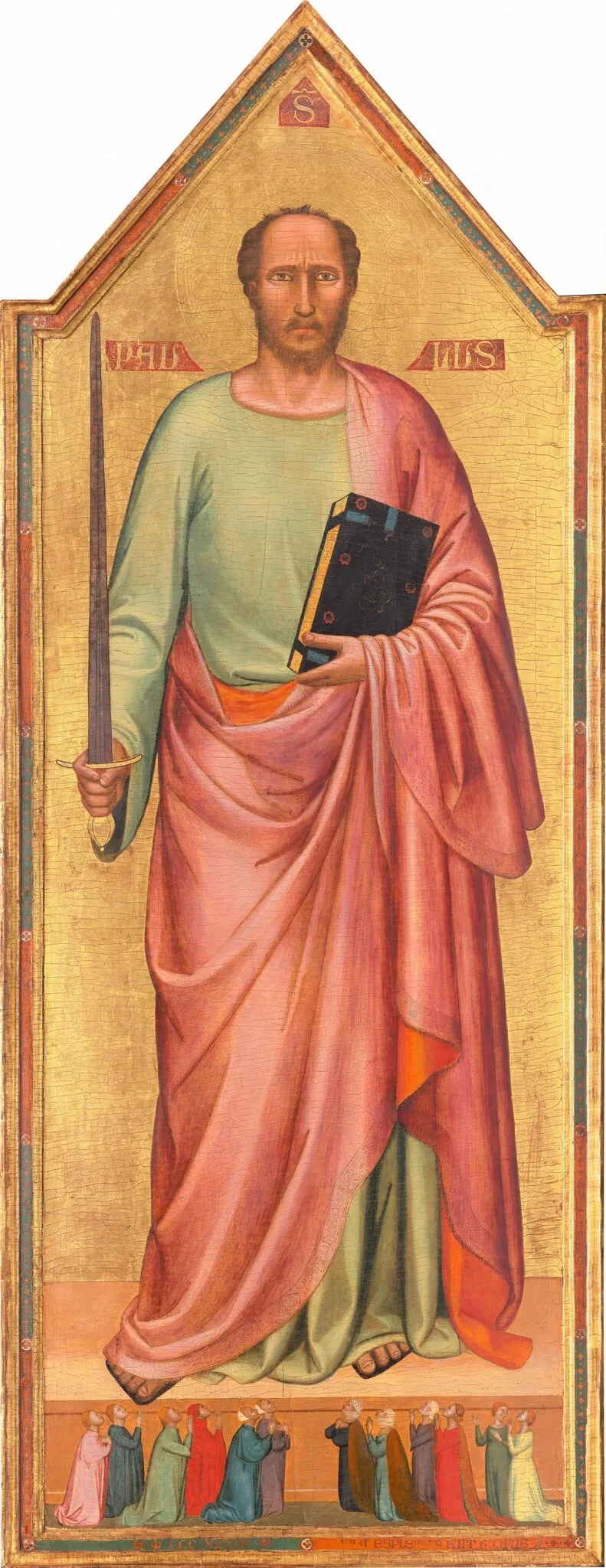
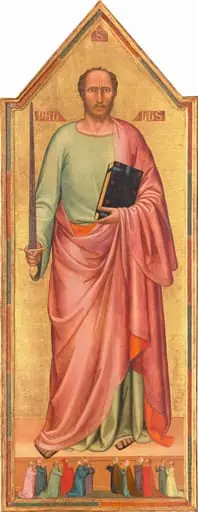
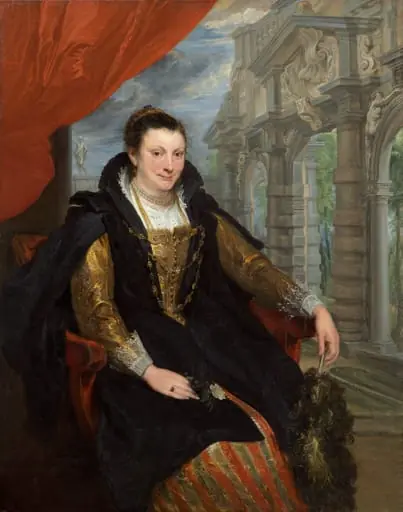
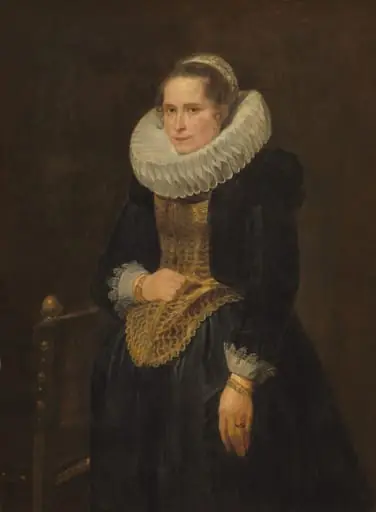
Andrew W. Mellon collection is a collection. 5 works from its collection are in this catalog, including Bernardo Daddi and Anthony van Dyck.
About Andrew W. Mellon collection
Overview
The Andrew W. Mellon collection constitutes the foundational nucleus of the National Gallery of Art in Washington, D.C., representing one of the most significant private art donations in American history. Conceived by financier and philanthropist Andrew W. Mellon, the collection was gifted to the United States government in 1937 to establish a world-class national art museum. Unlike many private collections that bear the donor's name, Mellon insisted the institution remain a truly national entity, free of his personal moniker, to ensure it would serve as a public trust for future generations. The collection originally comprised 126 paintings and 26 sculptures, serving as the core around which the museum's current holdings of over 150,000 works have grown.
History & Founding
Andrew W. Mellon, who served as U.S. Secretary of the Treasury from 1921 to 1932, envisioned a national art museum comparable to those in Europe during his tenure in public service. In 1936, he wrote to President Franklin D. Roosevelt offering to donate his personal art collection and fund the construction of a new museum in Washington, D.C. Congress officially accepted the gift in 1937. Mellon selected the renowned architect John Russell Pope to design the building. Tragically, both Mellon and Pope died within 24 hours of each other in August 1937, shortly after excavation for the foundations began. The museum was subsequently built according to their original concepts and was dedicated on March 17, 1941, by President Roosevelt, with Mellon's son Paul presenting the gift on behalf of the family.
Building & Architecture
The original structure, now known as the West Building, was designed by John Russell Pope in a neoclassical style intended to harmonize with other federal buildings on the National Mall, such as the National Archives and the Thomas Jefferson Memorial. The exterior is constructed of Tennessee pink marble, a material chosen to match the surrounding architecture. A defining feature of Pope's design was the inclusion of skylights covering virtually the entire three-acre roof, a deliberate choice to illuminate and unite the galleries with natural light. The building's design reflected Mellon's desire for a dignified, permanent home for the nation's art. Later, an East Building designed by I. M. Pei was added in 1978 to accommodate the growing collection, also clad in Tennessee pink marble to maintain visual continuity with the original structure.
Significance & Legacy
The Andrew W. Mellon collection is historically significant for transforming the cultural landscape of the United States by providing a permanent, world-class art museum in the nation's capital. Mellon's insistence that the museum not bear his name established a precedent for public-private partnerships in the arts, ensuring the institution remained a 'collection of collections' open to all citizens. The gift catalyzed further generosity from other major benefactors, including the Kress, Widener, and Rosenwald families, allowing the National Gallery to expand its holdings to over 150,000 works. The museum's founding also spurred the development of public programs, including the oldest continuous Sunday evening concert series in Washington, D.C., and extensive educational initiatives that continue to serve the public today.
Works from Andrew W. Mellon collection
Plan your visit
Andrew W. Mellon collection
- Part of
- National Gallery of Art