Art Museum
Ashmolean Museum

Image: Wikimedia Commons.
Ashmolean Museum is an art museum in Oxford, United Kingdom. 9 works from its collection are in this catalog, including Titian and Paolo Veronese.
About Ashmolean Museum
Overview & Identity
The Ashmolean Museum of Art and Archaeology is the University of Oxford's museum of art and archaeology, founded in 1683. It holds the distinction of being Britain's first public museum and the world's first university museum. Located on Beaumont Street in Oxford, England, the institution houses world-famous collections that span half a million years of human history, ranging from Egyptian mummies to contemporary art. The museum serves as a central hub for the university's research and teaching, offering free admission to the public.
History & Founding
The museum opened its doors on 24 May 1683, established to house the cabinet of curiosities and library of Elias Ashmole. This initial collection formed the basis of the institution, which was created to be a public repository for knowledge and artifacts. The original building, known as the 'Old Ashmolean,' was erected between 1678 and 1683. As the collections grew, the original structure became insufficient, leading to the construction of a new building in the mid-19th century to accommodate the expanding holdings of the University Galleries.
Building & Architecture
The museum's current primary building dates from 1841 to 1845 and was designed by Charles Robert Cockerell as the University Galleries in a Greek Revival style. In 2009, the museum underwent a major redevelopment and extension designed by Rick Mather Architects. This new six-storey structure, attached to the rear of the Cockerell building, removed confusing Victorian accretions and added 4,000 square meters of display space. The extension features a low-energy philosophy, natural light filtering through double-height galleries, and a rooftop terrace offering views of Oxford.
Collection Highlights & Notable Holdings
The Ashmolean's collections are vast, containing over 300,000 objects available to search online. Key highlights include extensive holdings of Egyptian mummies, which are among the most significant in the UK, and a renowned collection of Chinese art, including paintings and ceramics. The museum also houses major collections of European art, archaeology from the Mediterranean and Near East, and the Money Gallery, which features coins from around the world. Recent acquisitions and bequests continue to expand these diverse holdings.
Significance & Legacy
As the first public museum in Britain, the Ashmolean set a precedent for the public accessibility of cultural heritage and academic collections. Its role as a university museum integrates research, teaching, and public engagement, influencing the development of museology globally. The 2009 expansion significantly increased its capacity to display artifacts and engage visitors, reinforcing its status as Oxford's pre-eminent museum. The institution continues to be a vital center for the study of art and archaeology, hosting major exhibitions and educational programs.
Recent Developments & Renovation
The museum was extensively modernized in the early 21st century, culminating in a major reopening in 2009. This project, funded in part by a £15 million grant from the Heritage Lottery Fund, involved the creation of new galleries, an education center, and conservation studios. The renovation addressed environmental shortcomings in the older gallery spaces and introduced sustainable design features such as displacement ventilation and motion-sensor lighting. New galleries for Chinese art and other specific collections were opened in subsequent years, including 2011 and 2016.
What to see at Ashmolean Museum
Start with Bathsheba's Bath by Johann König.
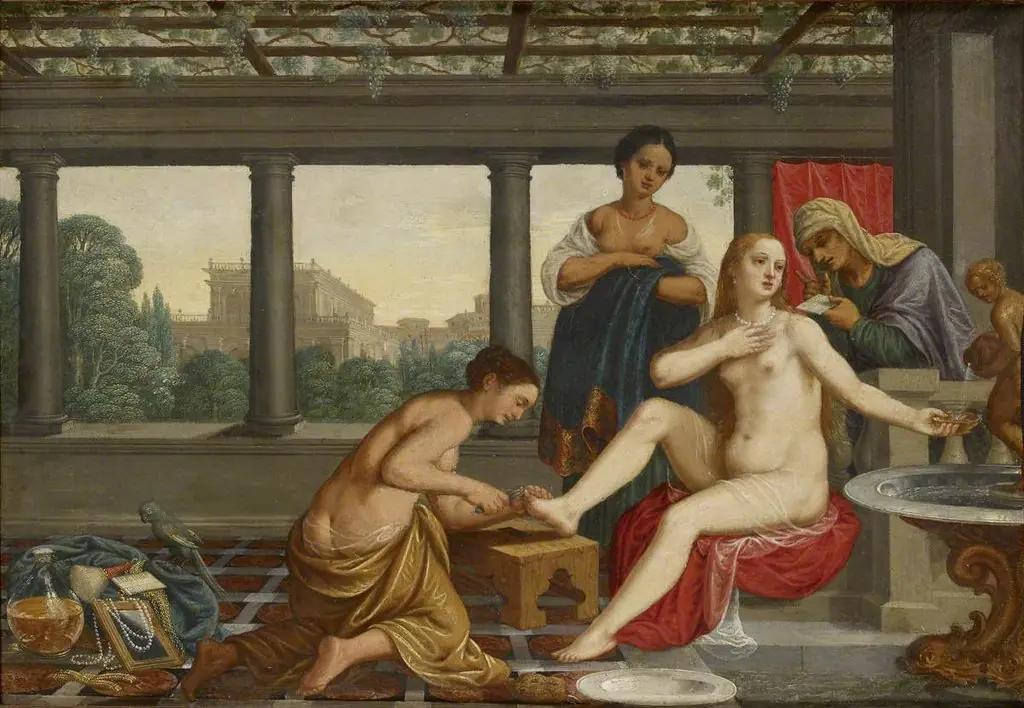
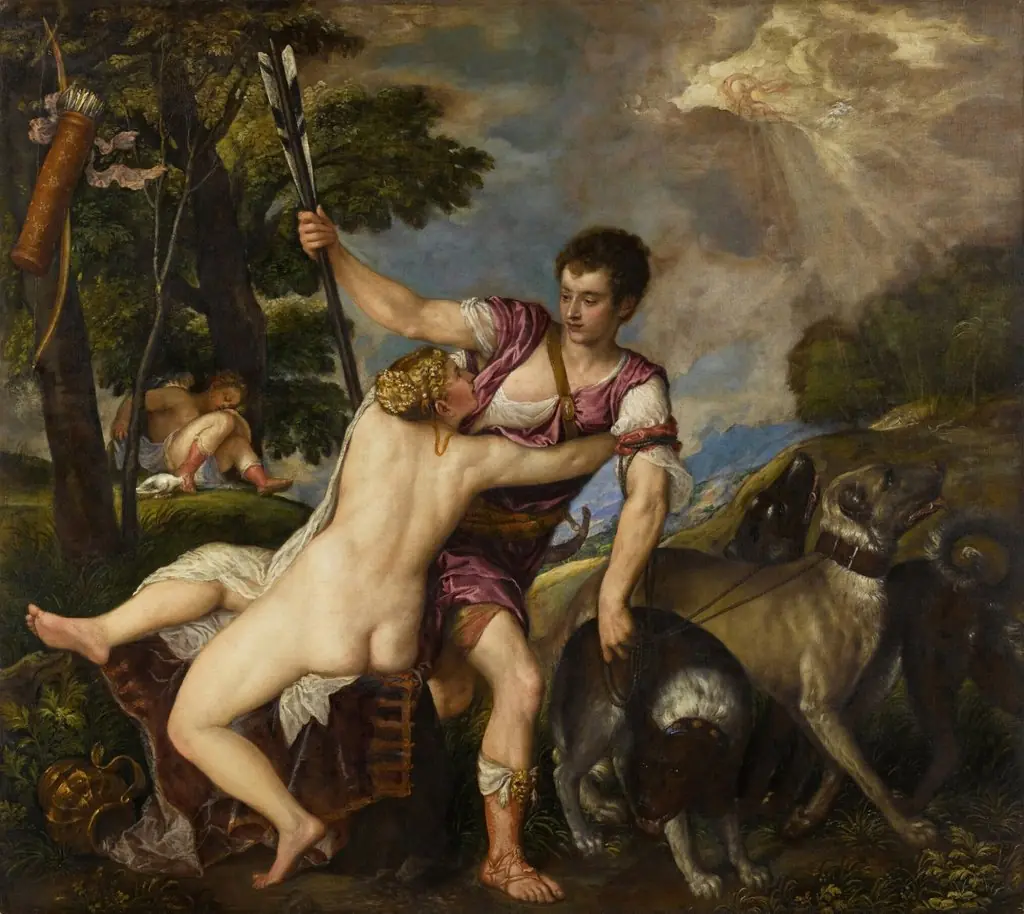
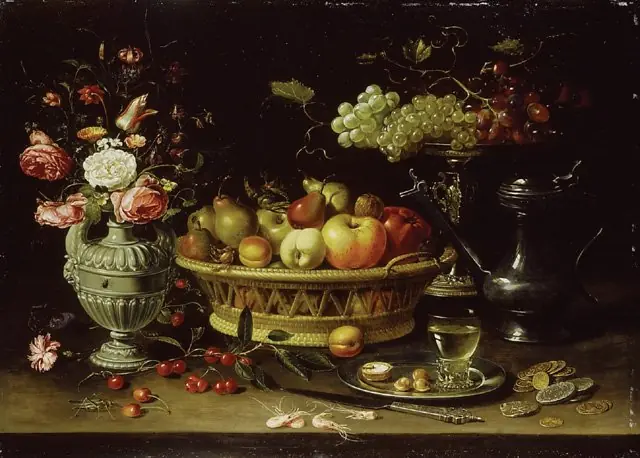
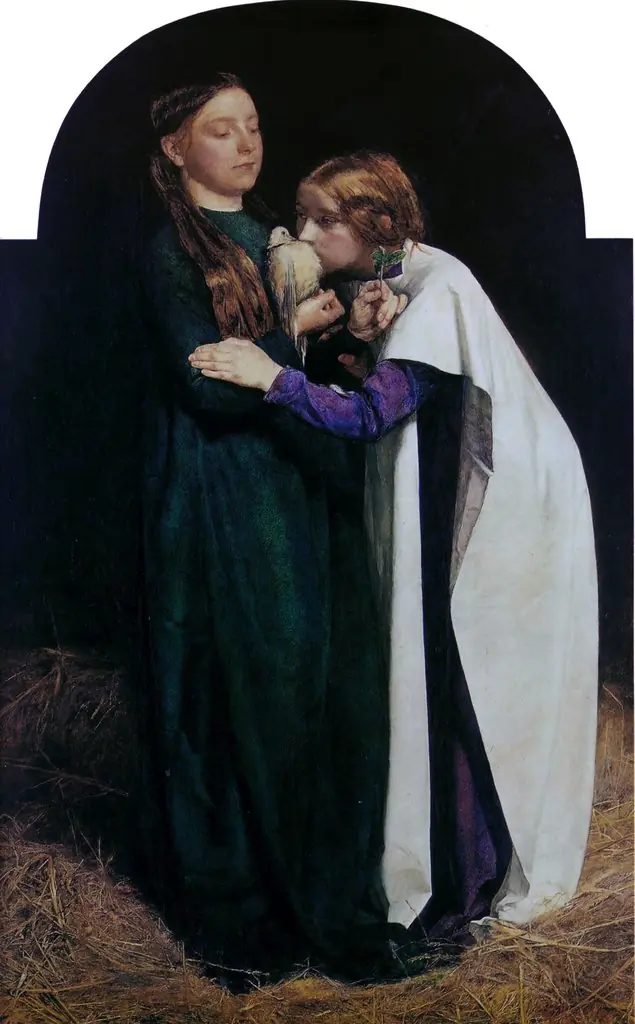
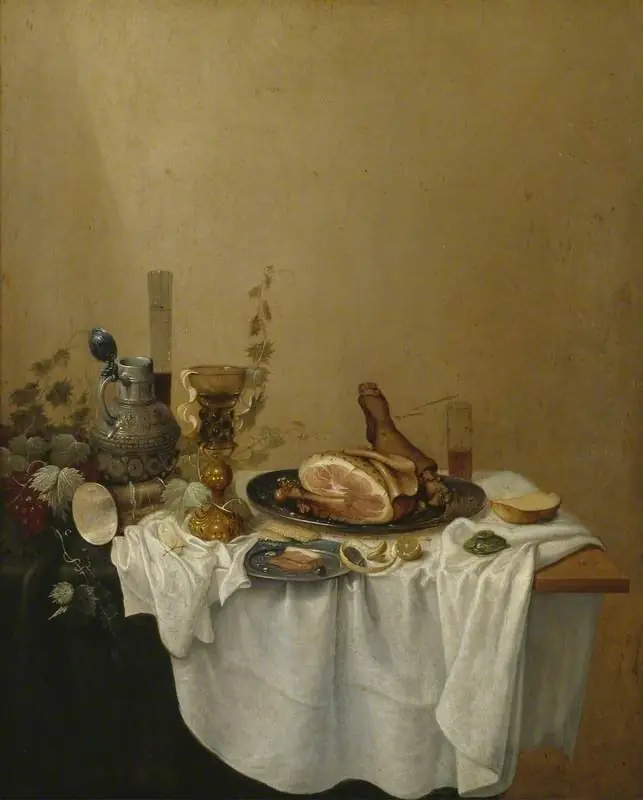
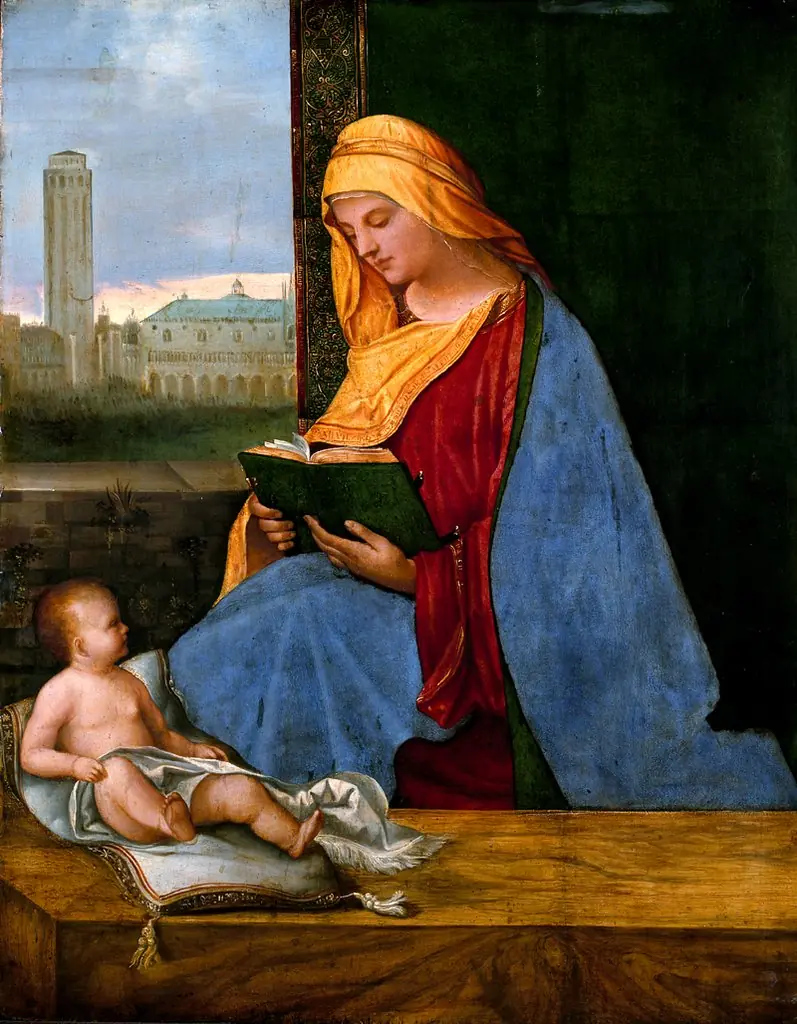
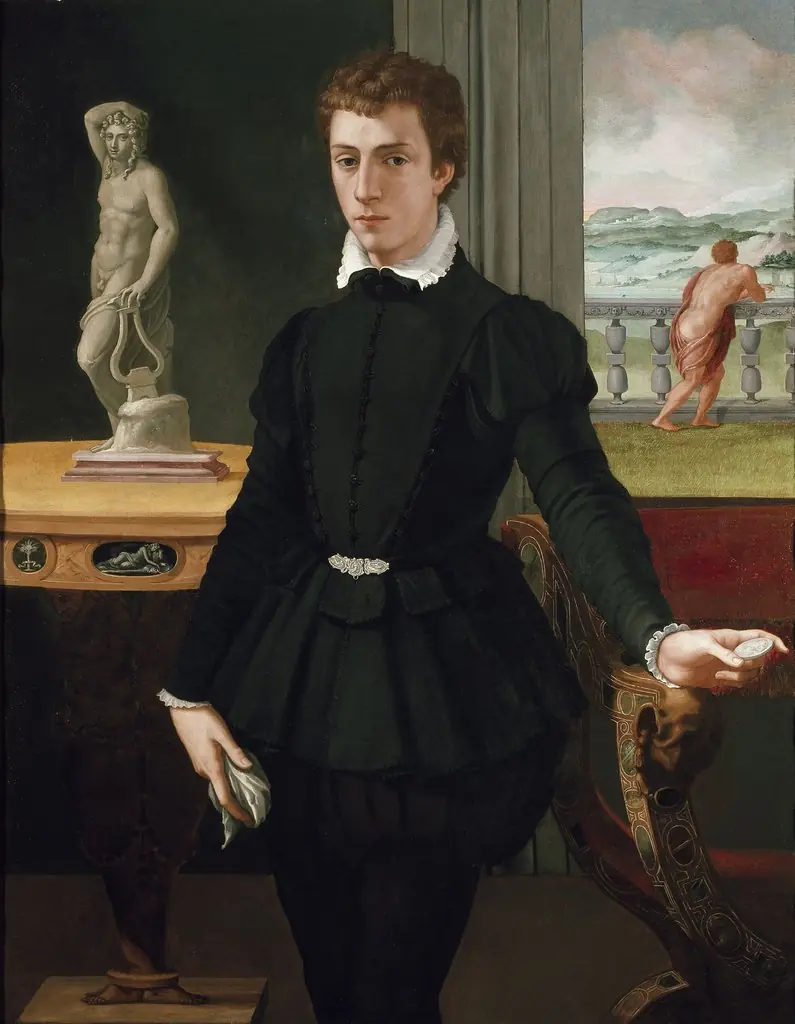
Works from Ashmolean Museum
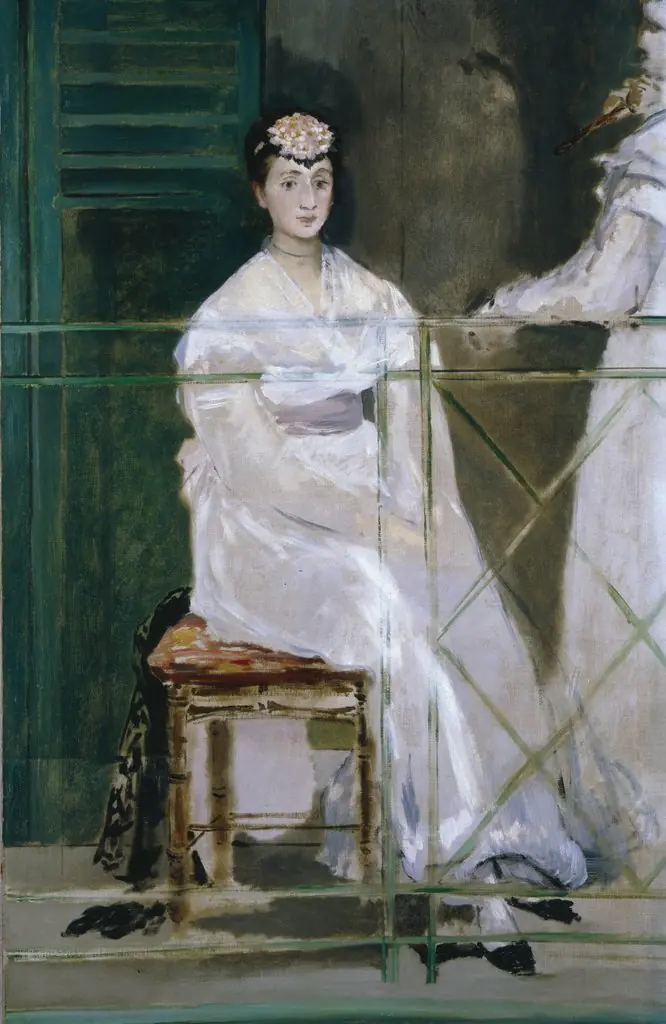
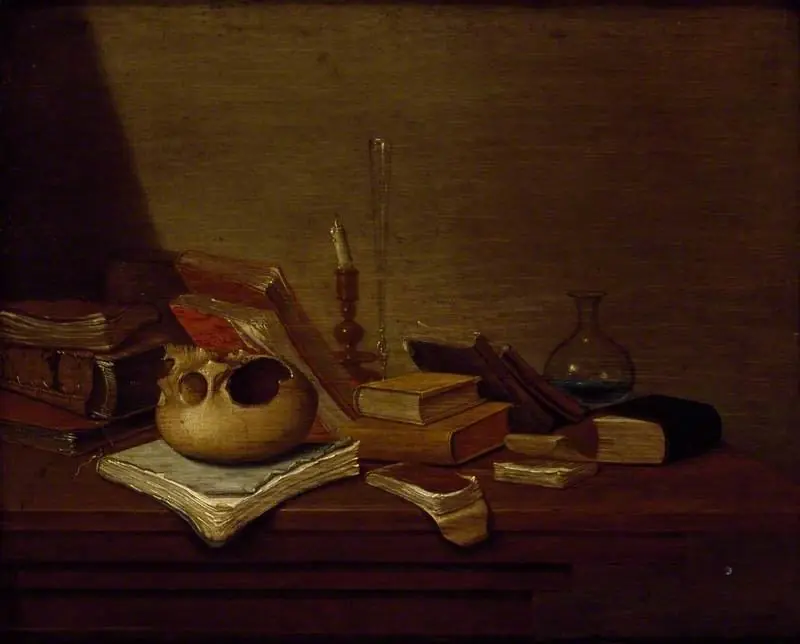
Plan your visit
Ashmolean Museum
- Website
- www.ashmolean.org
What's on
- ALL FREE EXHIBITIONS & DISPLAYS
- IN BLOOM How Plants Changed Our World19 Mar 2026 – 16 Aug 2026