Collection
Cook collection
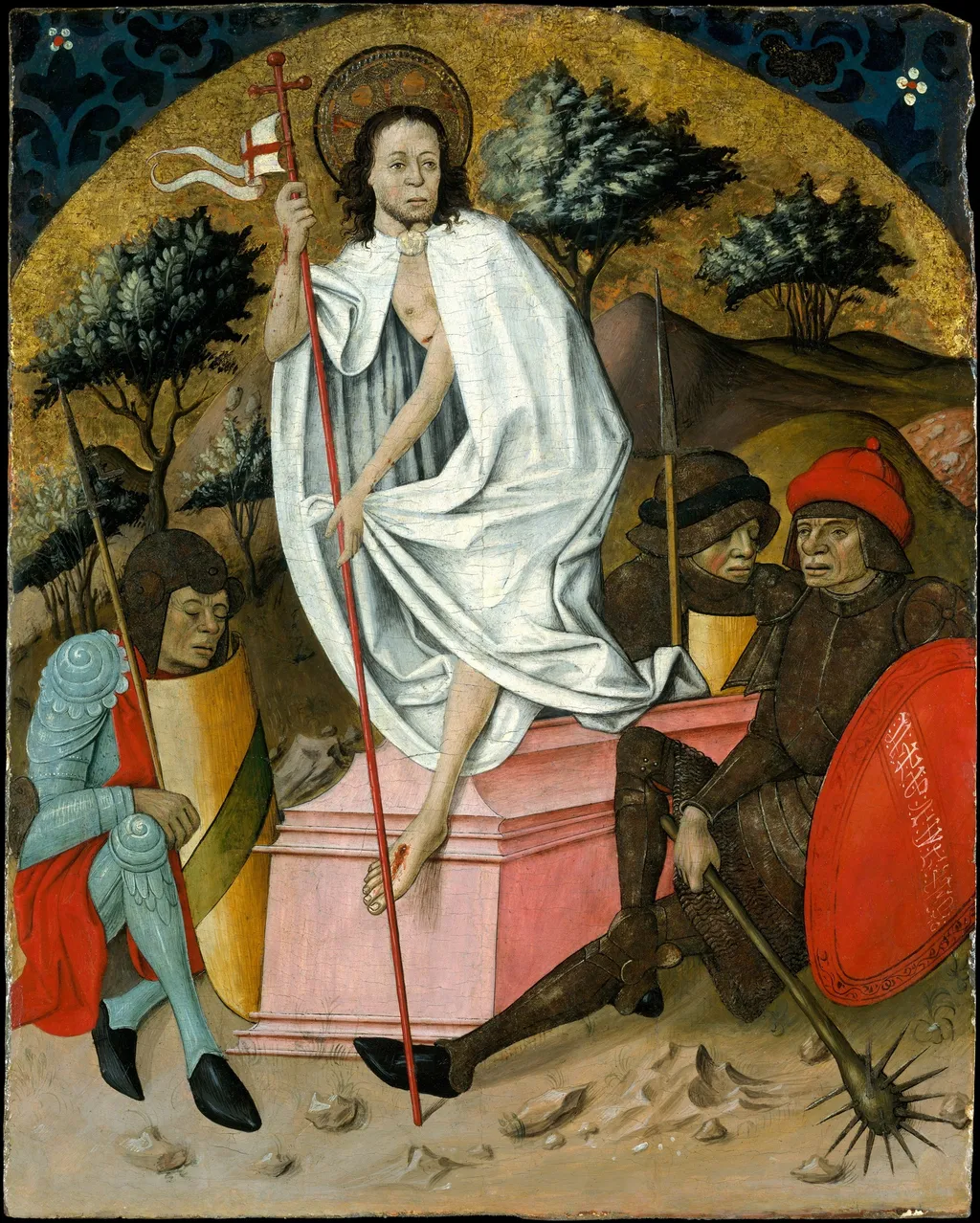
Cook collection is a collection. 3 works from its collection are in this catalog, including Ercole de' Roberti and Frans Hals.
About Cook collection
Overview
The Cook collection was a renowned private art assembly formed in the 19th and early 20th centuries, primarily located at Doughty House in Richmond, United Kingdom. Established by the wealthy textile merchant Sir Francis Cook, 1st Viscount of Monserrate, the collection aimed to rival the breadth and depth of major public galleries in England and Europe. Unlike many collectors who sought only a select group of masterpieces, Cook pursued an encyclopedic approach, acquiring works across various schools and periods, from Italian Renaissance to Dutch and Flemish Old Masters. The collection was significantly expanded by his grandson, Herbert Cook, who added notable Venetian High Renaissance works before the holdings were dispersed in the mid-20th century due to financial adversity and the turmoil of World War II.
Founder & History
Sir Francis Cook (1817–1901), born into a prosperous family of textile merchants, began his collecting journey during a youthful tour of Italy in 1840 with the purchase of Renaissance plaquettes. His collecting ambitions were catalyzed in 1868 by Sir John Charles Robinson, a prominent art critic and former curator at the South Kensington Museum, who served as his adviser for three decades. Cook's initial purchases included Italian paintings, but his scope quickly expanded to include Spanish, Portuguese, Dutch, and Netherlandish works. Following the death of his father in 1869, Cook became head of the firm Cook, Son, & Co., amassing significant wealth that allowed him to acquire major works. He was created a baronet in 1886. The collection continued to grow under his son, Sir Frederick Cook, and his grandson, Herbert Cook, who founded The Burlington Magazine and further enriched the holdings with Venetian masterpieces.
Building & Setting
The collection was primarily housed at Doughty House, a modest Georgian residence in Richmond, which the Cook family moved to around 1849. While Doughty House served as the main London base, Sir Francis Cook also maintained a summer residence at Monserrate Palace near Sintra, Portugal, a magnificent Moorish-style palace he commissioned from architect James T. Knowles Sr. on land he leased and purchased in the 1850s. The interiors of these residences were designed to reflect romantic, eclectic styles inspired by collectors like Horace Walpole and William Beckford, seamlessly integrating antiquities with contemporary furnishings. The juxtaposition of Gothic revival elements and classical art created dynamic environments where the collection was displayed, reflecting the Victorian ideal of combining historical appreciation with modern living comforts.
Collection Highlights & Notable Holdings
The Cook collection was distinguished by the presence of several extraordinary masterpieces that are now scattered across global museums. Key works included Fra Angelico and Filippo Lippi's 'Adoration of the Magi', Jan van Eyck's 'Three Marys at the Sepulchre', Velázquez's 'Old Woman Cooking Eggs', and Rembrandt's 'Portrait of a Boy' (then identified as a portrait of Titus). The collection also featured significant works by Antonello da Messina, such as 'Christ at the Column', and paintings by Rubens, including 'Meleager and Atalanta Hunting the Boar'. Under Herbert Cook, the collection acquired notable works from the Venetian High Renaissance, further enhancing its prestige. The holdings were documented in detailed catalogues published in the early 20th century, covering Italian, Dutch, Flemish, English, French, German, and Spanish schools.
Dispersal & Legacy
Despite its initial grandeur and the ambition to create a permanent encyclopedic collection, the Cook collection was ultimately dispersed in the mid-20th century. Financial adversity, exacerbated by the economic pressures of the early 20th century and the turmoil of World War II, forced the family to sell off the artworks. The dispersal began in the 1930s and continued through the 1950s, with the paintings scattered across the world to various public and private collections. Today, the legacy of the Cook collection is preserved through the surviving masterpieces in major museums and the historical documentation of its formation. The collection remains a significant example of Victorian private collecting, illustrating the tastes and ambitions of a wealthy industrialist and his successors, as well as the role of key advisers like John Charles Robinson in shaping art markets.