Art Museum
Fitzwilliam Museum

Image: Wikimedia Commons.
Fitzwilliam Museum is an art museum in Cambridge, United Kingdom. 7 works from its collection are in this catalog, including Titian and Paolo Veronese.
About Fitzwilliam Museum
Overview & Identity
The Fitzwilliam Museum serves as the art and antiquities museum of the University of Cambridge, located on Trumpington Street in central Cambridge, United Kingdom. Established to house a significant bequest, it stands as a Grade I listed building and functions as a major cultural institution within the university. The museum is organized into five distinct departments: Antiquities; Applied Arts; Coins and Medals; Rare Manuscripts and Printed Books; and Paintings, Drawings and Prints. These departments collectively manage a vast array of artifacts spanning from antiquity to the modern era, covering regions including Egypt, Greece, Rome, and various European schools.
History & Founding
The museum was founded in 1816 following the bequest of the library and art collection of Richard, 7th Viscount Fitzwilliam of Merrion, to the University of Cambridge. Viscount Fitzwilliam, an alumnus of Trinity Hall, intended to provide the university with a repository for his extensive holdings. The institution was officially opened to the public in 1848. The founding collection included a wide range of items, and the museum has since expanded through further acquisitions and loans from various university colleges. The Friends of the Fitzwilliam Museum were established in 1909 to support the institution's ongoing activities and development.
Building & Architecture
The original structure, known as the Founder's Building, was constructed between 1837 and 1843 based on designs by the architect George Basevi. Following Basevi's death in 1845, the project was completed by Charles Robert Cockerell, who oversaw the final stages leading to the 1848 opening. The building and its street frontage boundary are designated as Grade I listed structures, reflecting their architectural importance. Over the decades, the museum has undergone several significant additions and renovations, including expansions in 1921, 1931, 1936, 1966, 1975, and a major refurbishment in 2004. The Egyptian Galleries specifically underwent a £1.5 million redevelopment program completed in 2006.
Collection Highlights & Notable Holdings
The museum houses world-class collections, particularly renowned for its Egyptian antiquities, which include the 'Head of Amenemhat III', the 'Relief of the Heretic King Akhenaten', the 'Coffin Lid of Ramesses III', and a 'Book of the Dead'. Other significant holdings include the 'Bust of Antinous as Dionysos', a 'Tetradrachm' of Alexander the Great, and a 'Wine Cup' from the Renaissance period. The Applied Arts department features the Henderson collection of armour, medieval and Renaissance objects such as ivories and enamels, and scientific instruments. The museum also possesses a library of musical manuscripts and literary autographs, alongside important paintings from the English, French, Italian, Dutch, and Flemish schools.
Significance & Legacy
The Fitzwilliam Museum is recognized as one of the premier institutions for Egyptian antiquities outside of Egypt, with its galleries offering immersive displays that contextualize ancient history for families and young visitors. The museum has played a central role in the cultural life of Cambridge for nearly two centuries, serving as a partner in various academic and public initiatives. Its collection has been the subject of notable events, including the 2006 reopening of the Egyptian Galleries and the display of the 'Great Stour' in 2015. Despite incidents such as the 2006 shattering of three massive Chinese vases and the 2012 theft of 18 Chinese artifacts, the museum remains a vital center for research, education, and the preservation of global heritage.
What to see at Fitzwilliam Museum
Start with The little faun by Charles Sims.
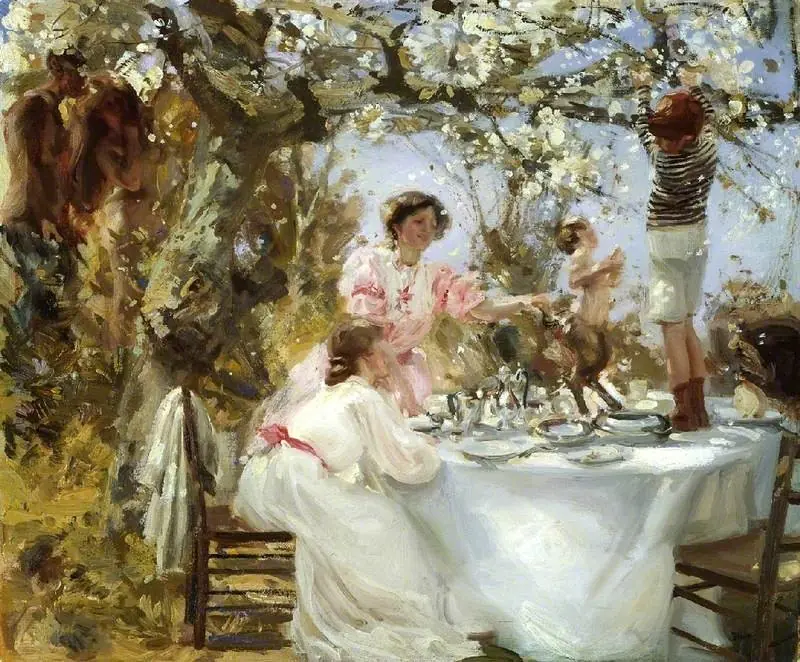 The little faun
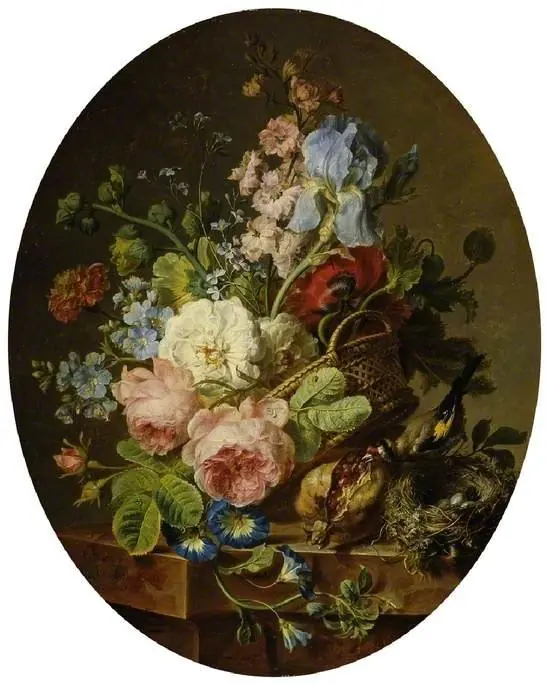 Open wicker basket of mixed flowers, including iris, roses, poppies, hollyhock, marygold, larkspur and convolulus on a marble ledge with an open pomegrante and a goldfinch with its nest
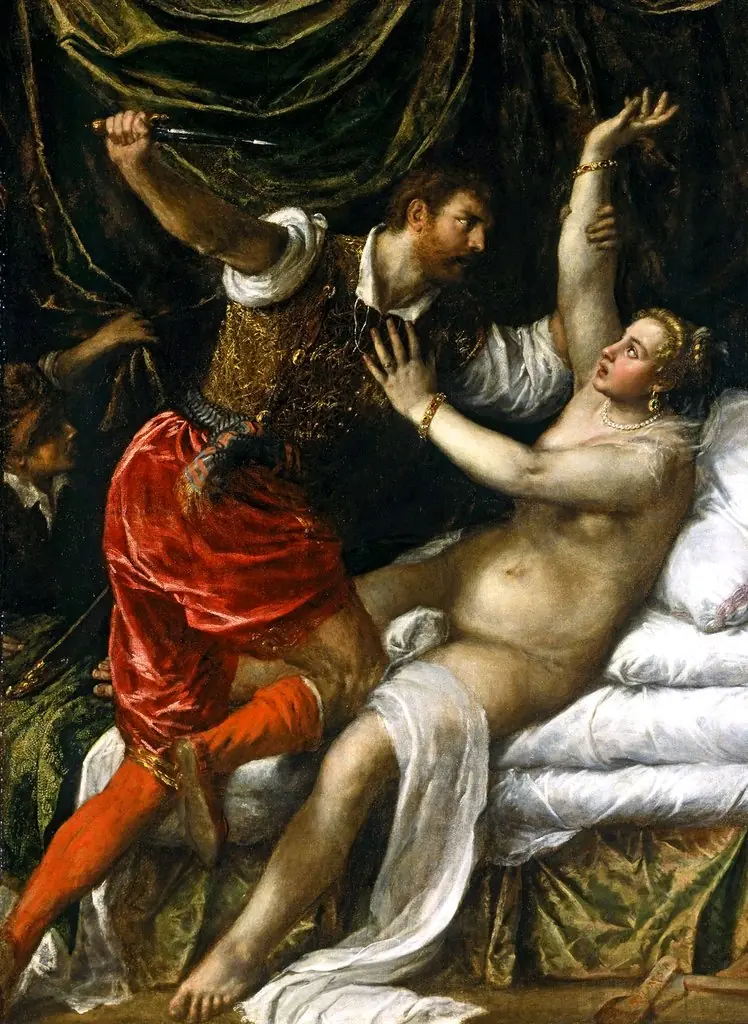 Tarquin and Lucretia
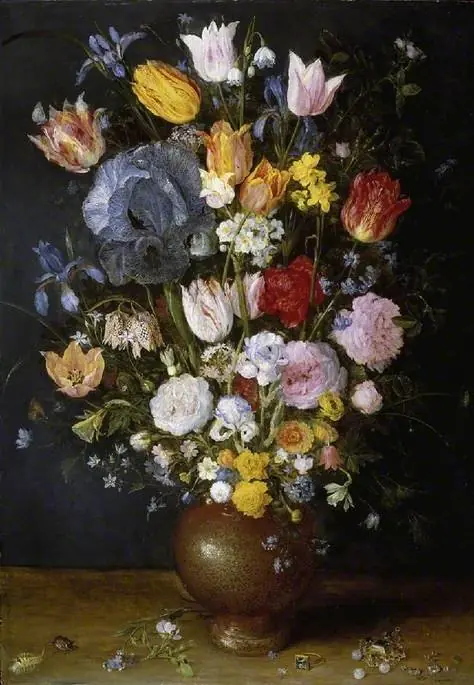 A stoneware vase of flowers
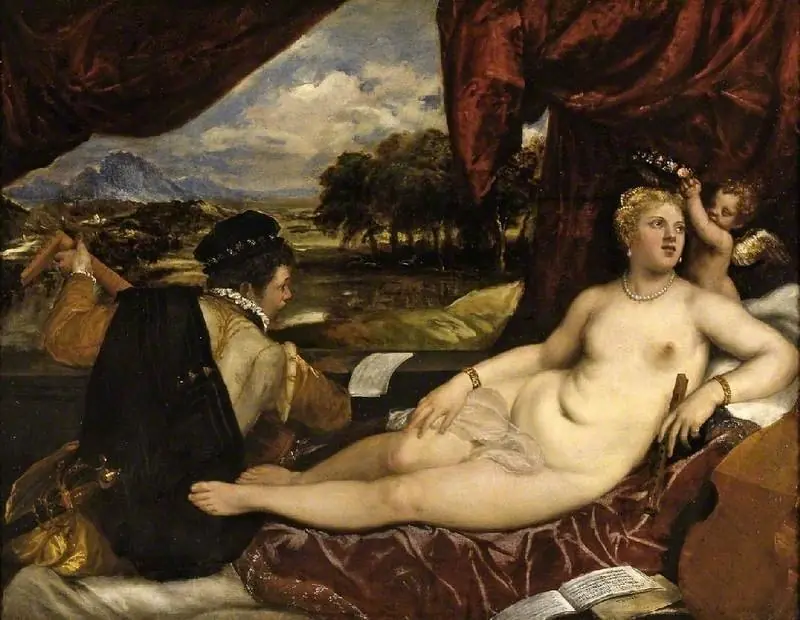 Venus and Cupid with a lute-player
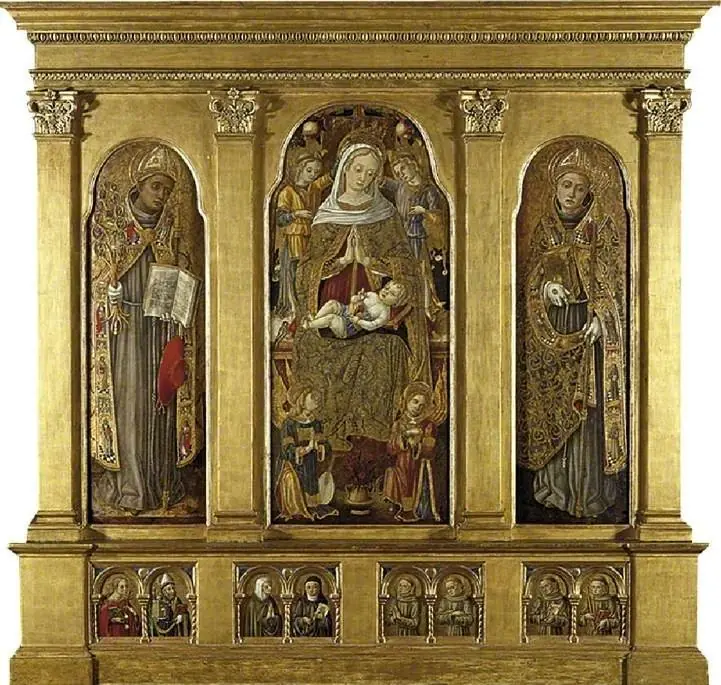 Virgin and Child enthroned; St Bonaventura (left); St Louis of Toulouse (right). below, four pairs of figures of Saints: St Agatha and St Augustine; an unidentified female Franciscan Saint and St Clar
Works from Fitzwilliam Museum
- The little faun
- Open wicker basket of mixed flowers, including iris, roses, poppies, hollyhock, marygold, larkspur and convolulus on a marble ledge with an open pomegrante and a goldfinch with its nest
- Tarquin and Lucretia
- A stoneware vase of flowers
- Venus and Cupid with a lute-player
- Virgin and Child enthroned; St Bonaventura (left); St Louis of Toulouse (right). below, four pairs of figures of Saints: St Agatha and St Augustine; an unidentified female Franciscan Saint and St Clar
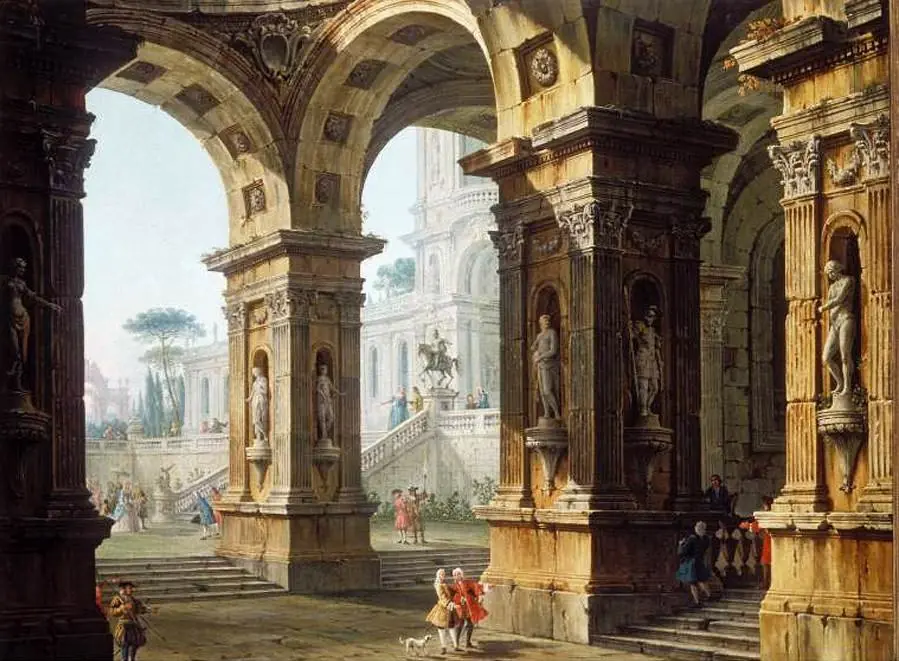 Capriccio with Elegant Figures
Plan your visit
Fitzwilliam Museum
- Website
- www.fitzmuseum.cam.ac.uk
What's on
- Frank Bowling: Seeking the SublimeFrom 27 Mar 2026
- War CraftFrom 24 Feb 2026
- Essence and PresenceFrom 15 Apr 2025