Cultural Institution
Gavrila Simion Eco-Museum Research Institute Tulcea
Gavrila Simion Eco-Museum Research Institute Tulcea is a cultural institution in Tulcea County, Romania.
About Gavrila Simion Eco-Museum Research Institute Tulcea
Overview & Identity
The Gavrila Simion Eco-Museum Research Institute (Institutul de Cercetări Eco-Muzeale „Gavrilă Simion”) is a prominent cultural and scientific institution based in Tulcea, Romania. It functions as a decentralized network comprising multiple museum centers, archaeological sites, and memorial houses dedicated to the preservation and study of the natural and cultural heritage of Northern Dobrudja and the Danube Delta. The institute's core mission involves the scientific research, collection, conservation, restoration, and valorization of this heritage for educational, cultural, and touristic purposes, serving as the primary custodian of the region's history.
Gavrila Simion: The Namesake
Gavrila Simion was born on November 18, 1928, in Adâncata, Ialomița, and passed away on April 28, 2010. He was a renowned Romanian archaeologist who specialized in the material culture of the Getae. His career was defined by extensive excavations at significant sites including Beidaud, Niculițel, Troesmis, and Aegyssus. Following his death, the institute honored his legacy by unveiling a bust in front of the museum and organizing an 'In memoriam' exhibition of documents. He is buried at Celic Monastery, and his contributions are celebrated through an anniversary volume published in 2008.
Collection & Notable Holdings
The institute manages a vast patrimony estimated at over 90,000 pieces, accumulated through decades of scientific research, acquisitions, and donations. The collection is particularly rich in archaeological artifacts resulting from the institute's research programs across Northern Dobrudja, one of Romania's most important archaeological zones. The holdings cover a wide chronological span, reflecting the region's history from antiquity through the medieval period, with a specific emphasis on the material culture of the Getae and the Roman and Byzantine presence in the area.
Structure & Museum Complex
Operating as an eco-museum, the institute is not confined to a single building but encompasses a complex of sites including the Museum of History and Archaeology, the Danube Delta Eco-Tourism Museum Center, and the Museum of Ethnography and Folk Art. It also manages specific historical monuments and sites such as the Aegyssus Fortress, the Old Lighthouse in Sulina, the Palaeo-Christian Monument in Niculițel, the Enisala Medieval Fortress, and the Panait Cerna Memorial House. This network approach allows for the integrated protection and presentation of the region's diverse heritage.
Significance & Legacy
The Gavrila Simion Eco-Museum Research Institute holds significant importance as the primary scientific and cultural authority for Northern Dobrudja. It plays a crucial role in the academic study of the region through its publications, including the 'Peuce' journal and the 'Danube Delta Journal'. The institute's work supports the protection of archaeological sites and promotes eco-tourism, bridging the gap between scientific research and public education. Its 75-year history reflects a continuous commitment to preserving the unique identity of the Danube Delta and Dobrudja regions.
What to see at Gavrila Simion Eco-Museum Research Institute Tulcea
Start with Piesă din sticlă suflată, modelată și pictată, alcătuită dintr-o cupă tronconică, fin fațetată și un picior subțire și înalt, cu talpă circulară, delimitat de două inele în relief. Piesa se încadrează, prin modul de realizare a decorului, stilului artistei Mary Gregory, specializată în sticla emailată, cu personaje și scene realizate alb pe alb pe suportul colorat (turcoaz în acest caz). Decorul apare pe cupa vasului, reprezentând o scenă cu un băiat îmbrăcat în stil victorian, ținând flori în mână, situat într-un cadru natural plin de vegetație (arbori). Piciorul și talpa paharului sunt decorate cu motive circulare aurii. Piesa se încadrează din punct de vedere estetic centrelor cehoslovace, fiind realizată posibil înaintea celui de-al Doilea Război Mondial (elemente detaliate; detalii punctate). Cromatică: turcoaz transparent, alb lăptos, auriu. by 1850.
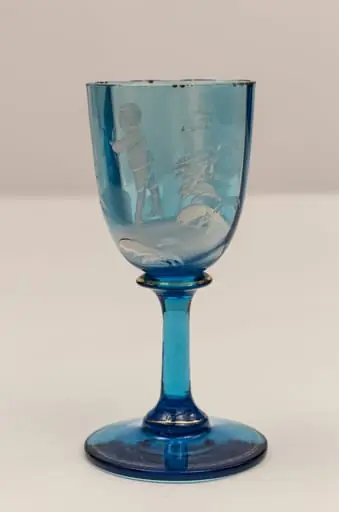 Piesă din sticlă suflată, modelată și pictată, alcătuită dintr-o cupă tronconică, fin fațetată și un picior subțire și înalt, cu talpă circulară, delimitat de două inele în relief. Piesa se încadrează, prin modul de realizare a decorului, stilului artistei Mary Gregory, specializată în sticla emailată, cu personaje și scene realizate alb pe alb pe suportul colorat (turcoaz în acest caz). Decorul apare pe cupa vasului, reprezentând o scenă cu un băiat îmbrăcat în stil victorian, ținând flori în mână, situat într-un cadru natural plin de vegetație (arbori). Piciorul și talpa paharului sunt decorate cu motive circulare aurii. Piesa se încadrează din punct de vedere estetic centrelor cehoslovace, fiind realizată posibil înaintea celui de-al Doilea Război Mondial (elemente detaliate; detalii punctate). Cromatică: turcoaz transparent, alb lăptos, auriu.
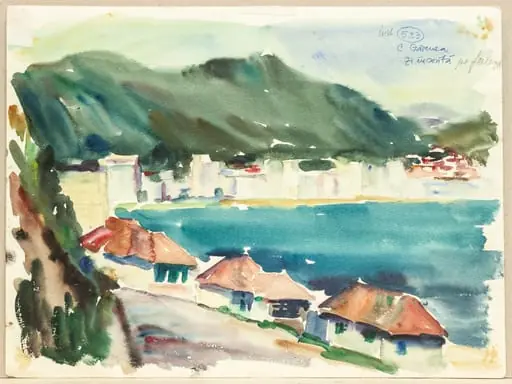 verso: La malul mării
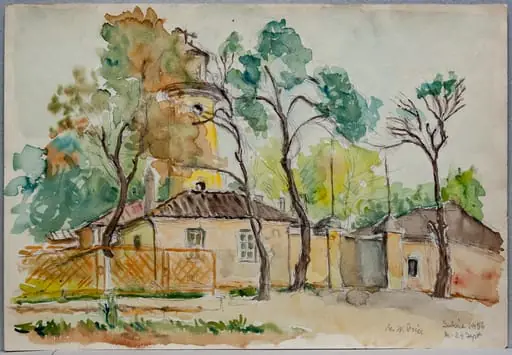 S 38 - Peisaj la Sulina (Stradă cu case și pomi)
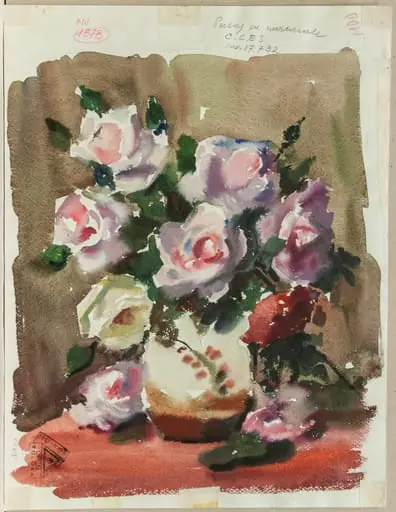 v: Vas cu trandafiri
 Pe chei Tulcea
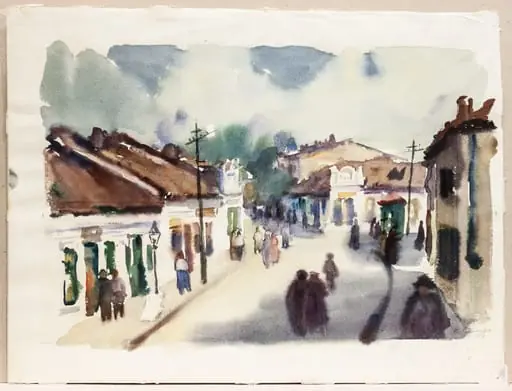 Vechiul centru din Tulcea
Plan your visit
Gavrila Simion Eco-Museum Research Institute Tulcea
- Website
- www.icemtl.ro
What's on
- În zilele de 14 și 15 august 2023, muzeele vor fi deschise pentru vizitare. program-14-15 august-2023From 15 Aug 2023