Museum
George Enescu National Museum
George Enescu National Museum is a museum.
About George Enescu National Museum
Overview
The National Museum 'George Enescu' is a cultural institution dedicated to the life and work of George Enescu (1881–1955), widely regarded as Romania's most important musician. Housed in the historic Cantacuzino Palace on Calea Victoriei in Bucharest, the museum preserves the composer's legacy through an extensive collection of personal artifacts, manuscripts, and instruments. The palace itself is a designated historical monument and a recipient of the European Heritage Label, recognized for its architectural splendor and cultural significance. As of 2021, the Bucharest headquarters has been closed for restoration and consolidation works, with the project extending beyond the initial two-year plan.
History & Founding
The museum's origins are tied to the will of George Enescu's widow, Maria Cantacuzino-Enescu. Following Enescu's death in 1955, she stipulated that the family palace be transformed into a museum. The National Museum 'George Enescu' was officially established in 1956. In 1967, Maria Cantacuzino-Enescu formally donated the building to the Romanian state to ensure its transformation into a permanent music museum. The palace had previously served as the residence of Gheorghe Grigore Cantacuzino, a former Prime Minister of Romania, and later as the home of Enescu and his wife after their marriage in 1939. The site also holds historical significance as the location where the Treaty of Bucharest was signed in 1913.
Building & Architecture
The Cantacuzino Palace is an architectural monument constructed between 1898 and 1906, designed by the renowned architect Ion D. Berindey. The building is primarily executed in the French Beaux Arts style, characterized by its grandeur and symmetry, though it features several rooms decorated in the Rococo Revival style. Notable architectural elements include a sumptuous entrance with a large canopy, gates and fences in the Louis XIV style, and a pair of stone lions guarding the entrance. The interior decoration was entrusted to prominent Romanian artists of the era, including George Demetrescu Mirea, Nicolae Vermont, and Costin Petrescu, who contributed frescoes, medallions, and stucco work that blend French elegance with Romanian folk motifs.
Collection Highlights & Notable Holdings
The museum's collection comprises goods listed in the National Cultural Heritage Treasure, offering a comprehensive view of Enescu's artistic life. Key holdings include original manuscripts of Enescu's compositions, his personal violins and pianos, and his extensive musical library. The collection also features the original furniture from the palace, decorative objects, and a vast array of photographs, letters, and documents detailing the musician's activity. Artistic highlights include six oil-on-canvas medallions by Nicolae Vermont, such as 'Shepherd with Sheep' and 'Peasant Woman with Vessel,' which are displayed in the palace's hallways and reflect the influence of Nicolae Grigorescu. The exhibition is chronologically organized across several halls, presenting testimonies of Enescu's biography through these diverse artifacts.
Significance & Legacy
The National Museum 'George Enescu' serves as the primary custodian of the legacy of one of the 20th century's most versatile musicians, who was a composer, violinist, pianist, conductor, and teacher. The institution preserves the unique atmosphere of the Cantacuzino Palace, which was a cultural hub during the Belle Époque and hosted significant political events like the signing of the Treaty of Bucharest. By maintaining the original interiors and the artist's personal effects, the museum provides an authentic context for understanding Enescu's life and the cultural milieu of early 20th-century Romania. The building's status as a European Heritage Label site underscores its importance not only to Romanian culture but to the broader European architectural and artistic heritage.
What to see at George Enescu National Museum
Start with Portret George Enescu by Fernand Cormon.
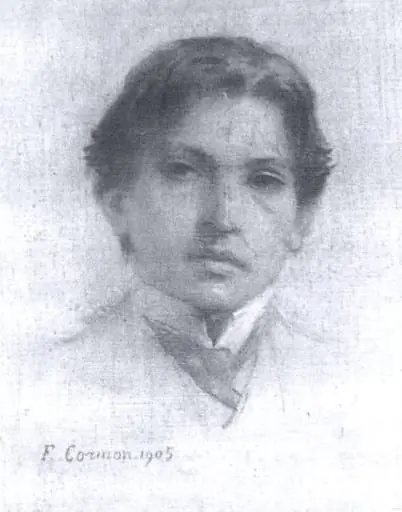 Portret George Enescu
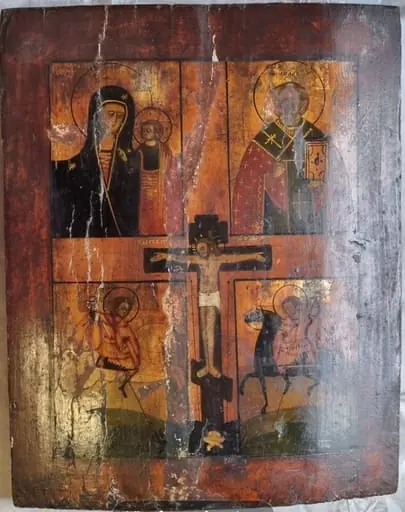 Răstignirea cu patru scene iconografice: 1) Maica Domnului cu Pruncul; 2) Sf. Nicolae; 3) Sf. Gheorghe; 4) Sf. Dumitru
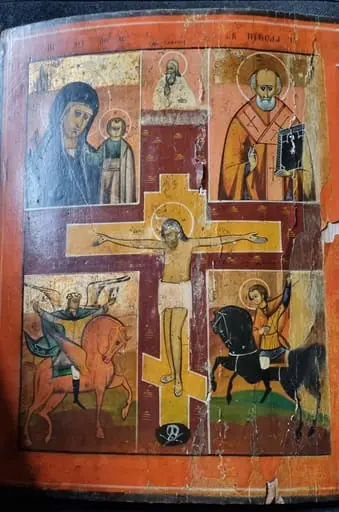 Răstignirea; Maica Domnului Kazanskaia; Sf. Nicolae; Sf. Arh. Mihail; Sf. Mucenic Dumitru
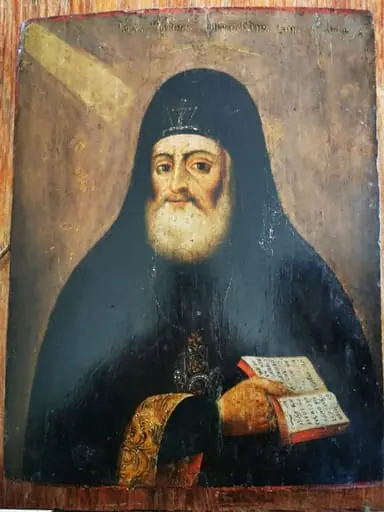 Sfântul Mitrofan Făcător de Minuni, Episcopul Voronejului
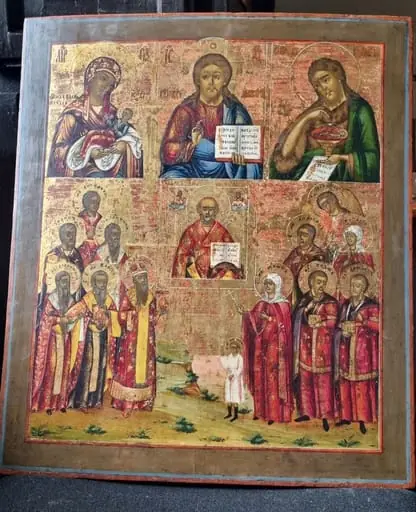 Icoană cu mai multe scene
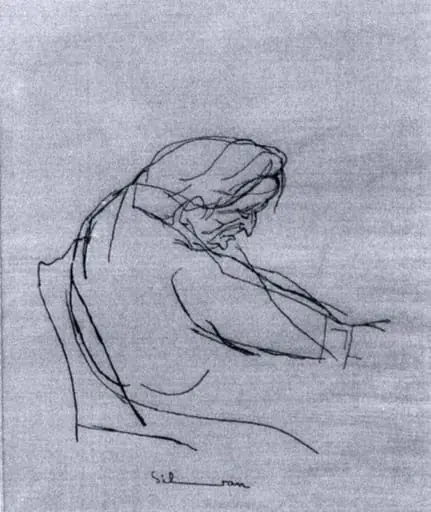 George Enescu
What's on
- Măreşte afişul Expoziția "George Enescu, promotor al copiilor-minune ai muzicii" la Botoșani5 Jun 2026 – 5 Jul 2026