Museum
Hermitage Museum

Image: Wikimedia Commons.
Hermitage Museum is a museum in Saint Petersburg, Russia. 366 works from its collection are in this catalog, including Titian and Paolo Veronese.
About Hermitage Museum
Overview
The State Hermitage Museum, located in Saint Petersburg, Russia, is one of the largest and oldest museums in the world. Founded in 1764 by Catherine the Great, it currently comprises a complex of six buildings along the Palace Embankment, including the iconic Winter Palace. The museum's collections, of which only a small part is on permanent display, comprise over three million items. These holdings include Western European art from the 13th to the 20th centuries, classical antiquities, and extensive Russian cultural artifacts, making it a premier institution for global art and history.
History & Founding
The Hermitage was founded by Catherine II of Russia in 1764. Originally, the collection was housed in the 'Small Hermitage,' a building constructed to display Catherine's private art collection. The museum's origins lie in the Empress's acquisition of significant European collections, including 4,000 paintings from old masters, 38,000 books, and 10,000 engraved gems during her lifetime. Catherine actively participated in competitive art gathering to gain European acknowledgment and portray Russia as an enlightened society, often identifying with the Roman deity Minerva as a patron of the arts.
Collection Highlights
The Western European Art collection spans from the 13th to the 20th centuries, featuring paintings, sculpture, and applied art. The collection of classical antiquities, occupying the ground floor of the Old and New Hermitage, includes Greek artifacts from the third millennium to the fifth century BC and features the massive Kolyvan Vase, weighing 19 tons. The museum also houses two treasure galleries with jewelry from the 4th millennium BC to the early 20th century, a Knights' Hall with Western European arms and armor from the 15th–17th centuries, and galleries dedicated to Italian, Spanish, French, and German fine art.
Significance & Legacy
The Hermitage complex was a creation of Catherine that solidified the site as not only a dwelling place for the Imperial family but also an important symbol and memorial to the imperial Russian state. The Palace Square, where the Winter Palace is located, served as St. Petersburg's nerve center, linking the city's most important buildings. Today, the palace and the museum are one and the same, preserving the symbolic value of the site. The museum has received the Order of Lenin and continues to be a federal cultural heritage site in Russia, attracting millions of visitors annually.
What to see at Hermitage Museum
Start with The Union of Earth and Water (Antwerp and the Scheldt) by Peter Paul Rubens.
Works from Hermitage Museum
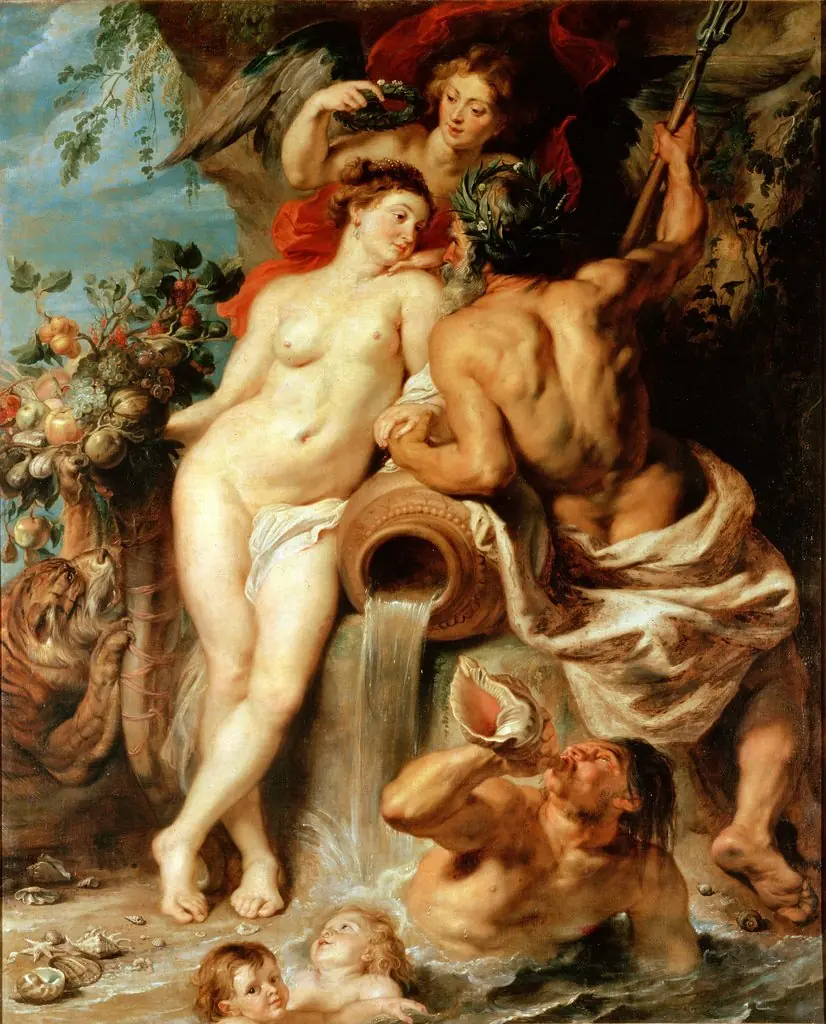 The Union of Earth and Water (Antwerp and the Scheldt)
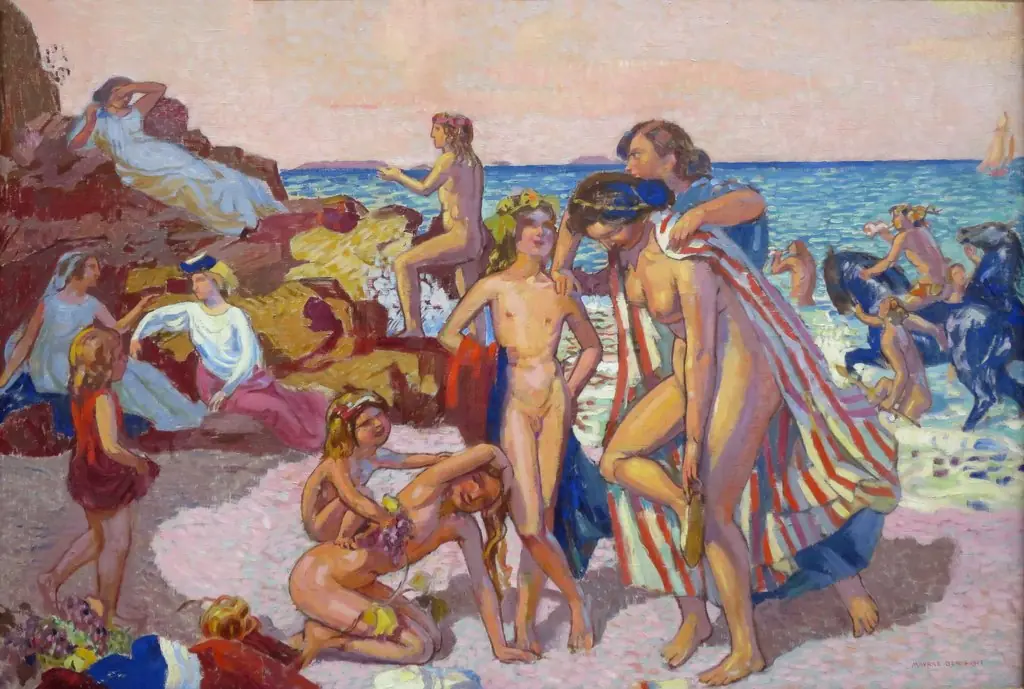 Bacchus and Ariadne
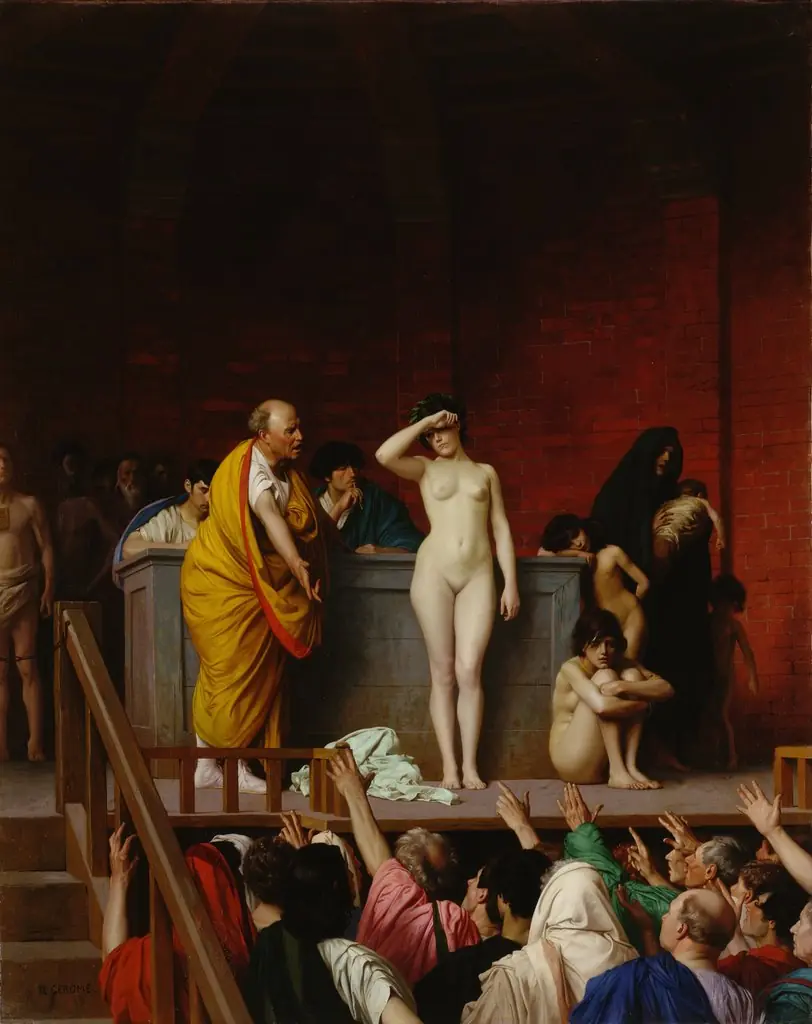 Slave Market in Rome
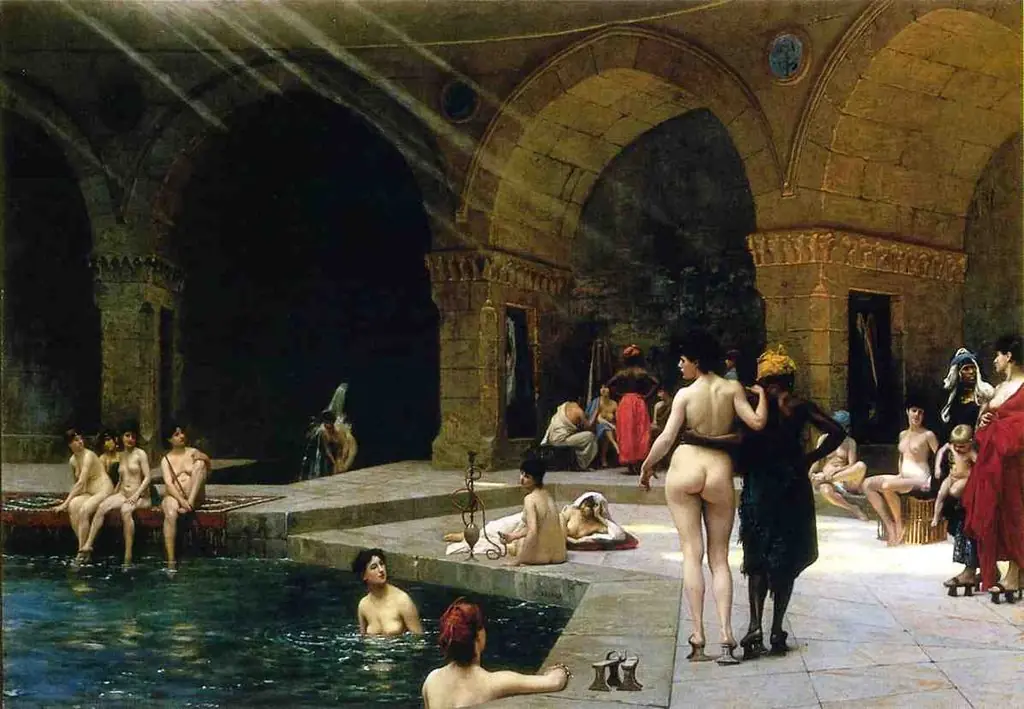 The Great Bath at Bursa
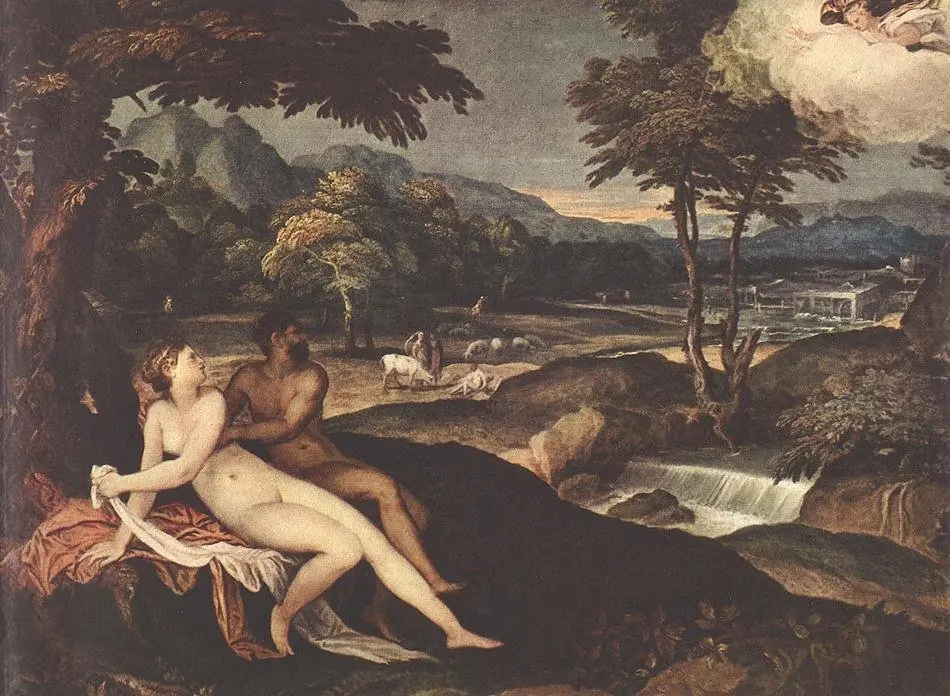 Landscape with Jupiter and Io
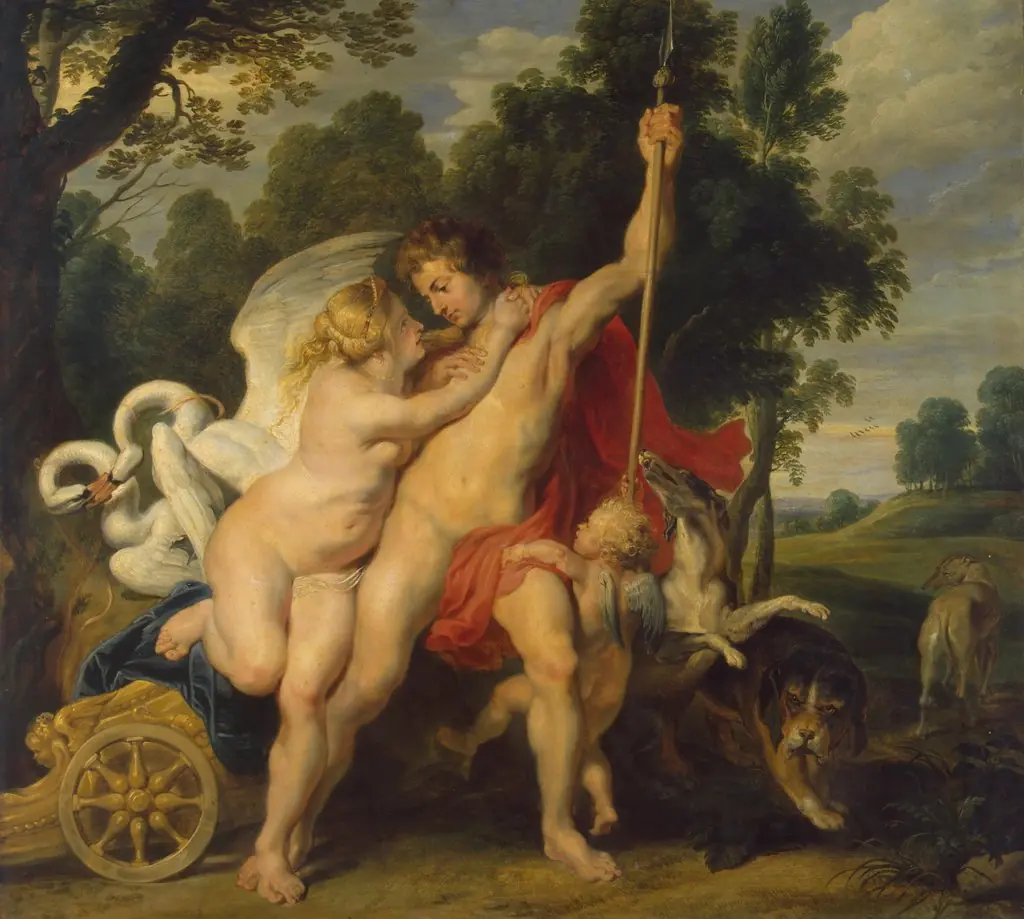 Venus and Adonis (Rubens, 1614)
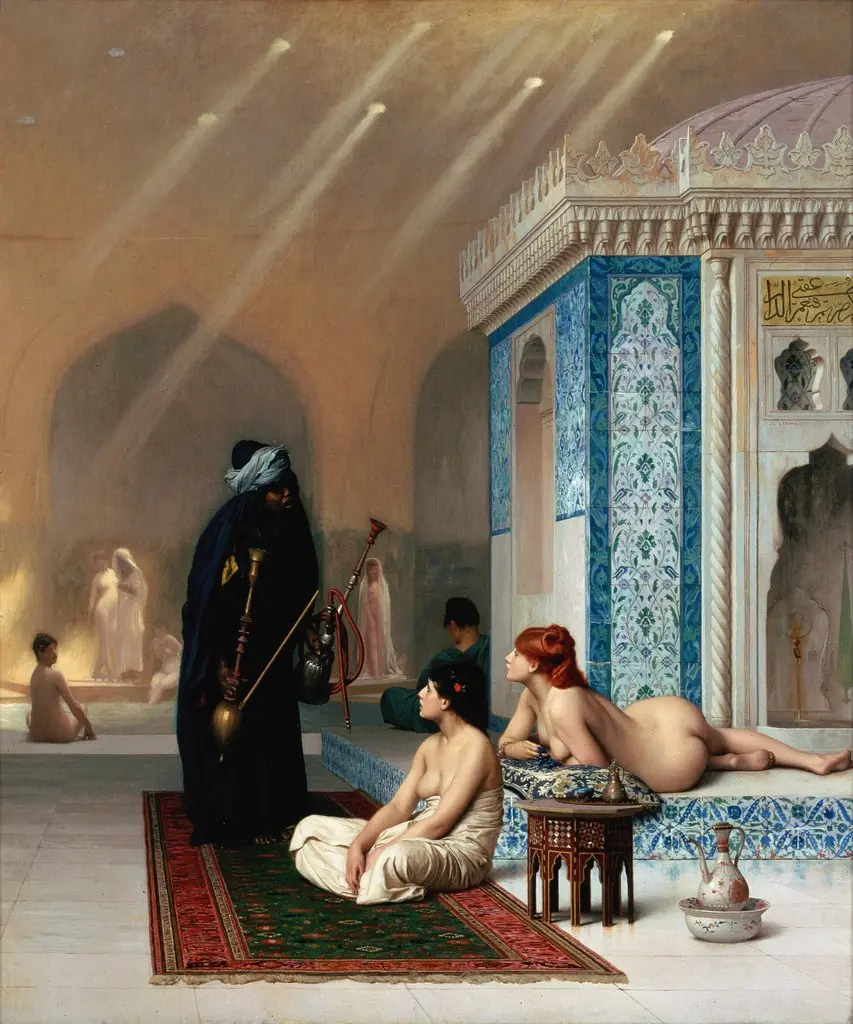 Pool in a Harem
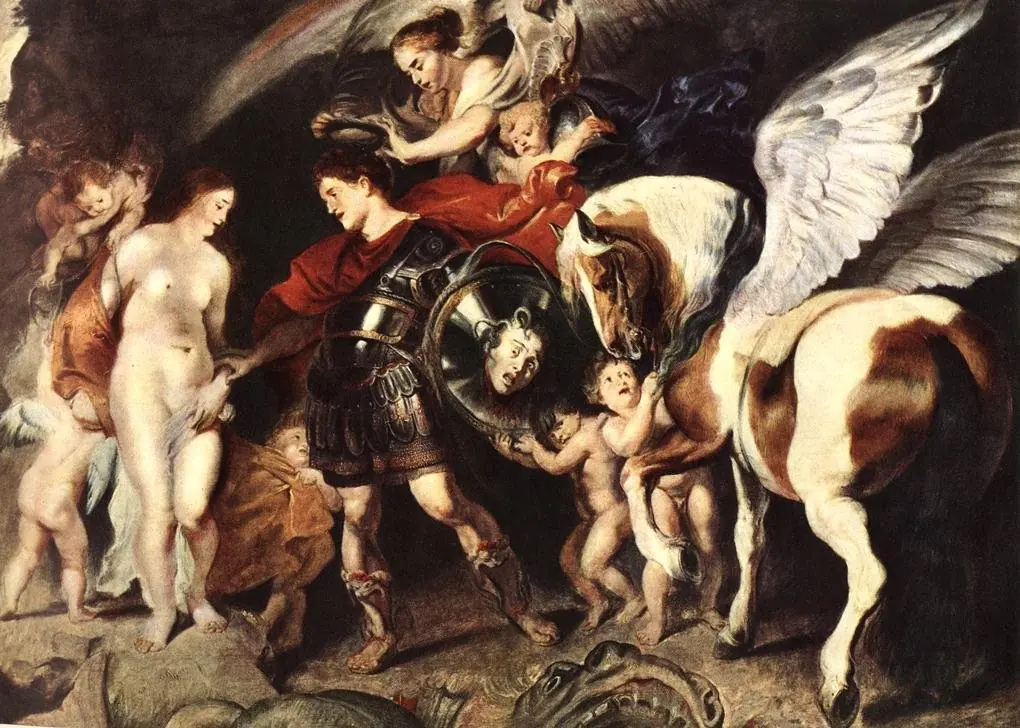 Perseus and Andromeda
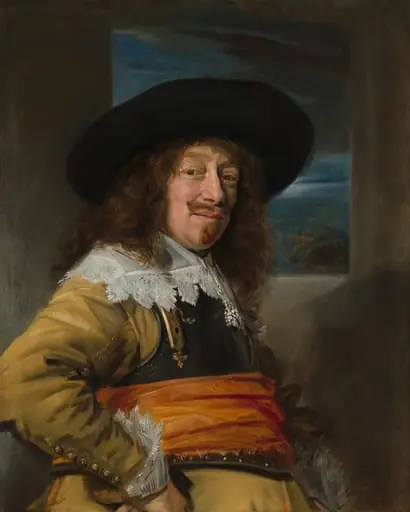 Portrait of a Member of the Haarlem Civic Guard
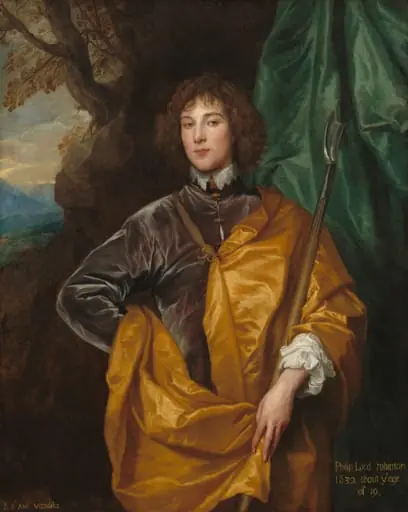 Philip, Lord Wharton
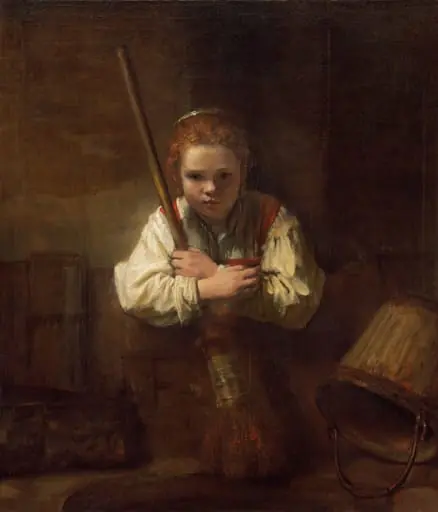 A Girl with a Broom
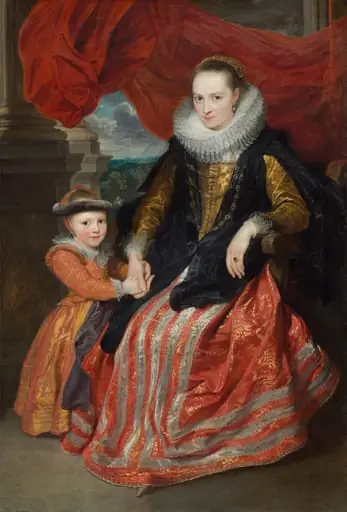 Susanna Fourment and Her Daughter
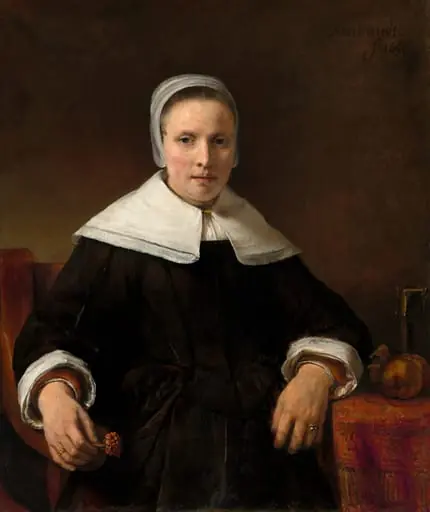 A Woman Holding a Pink
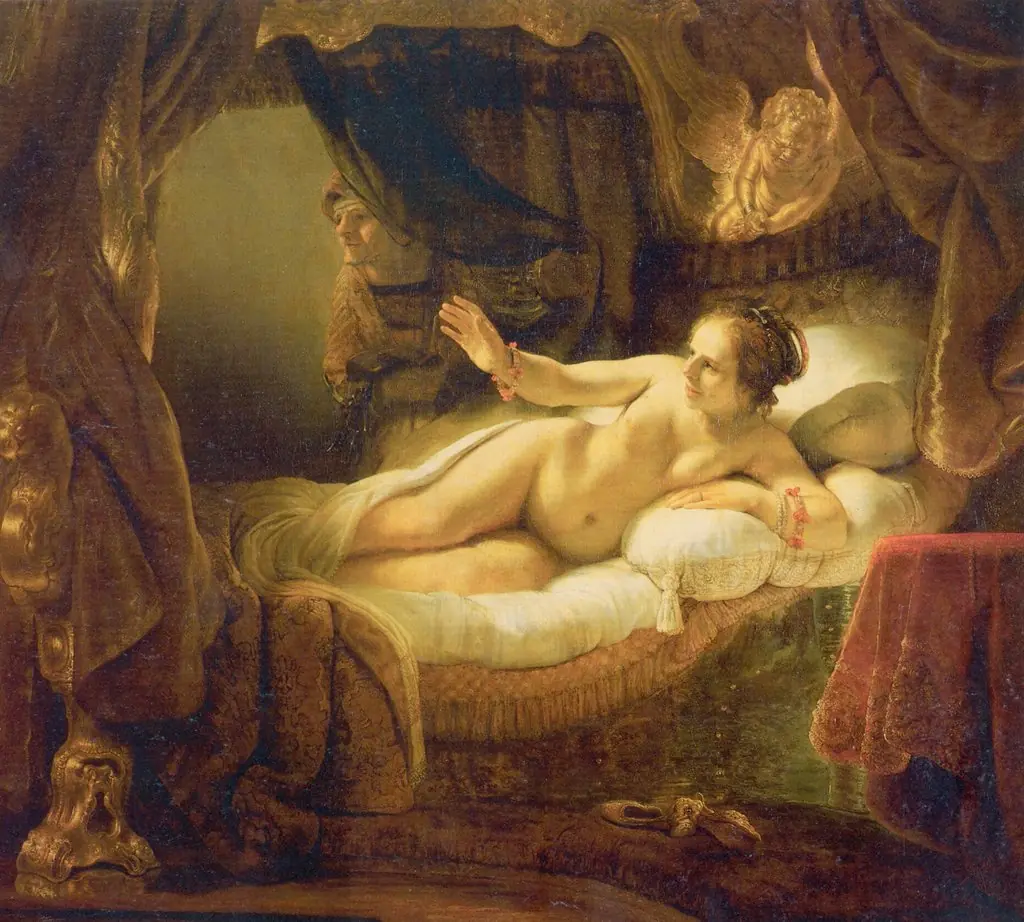 Danaë
Danaë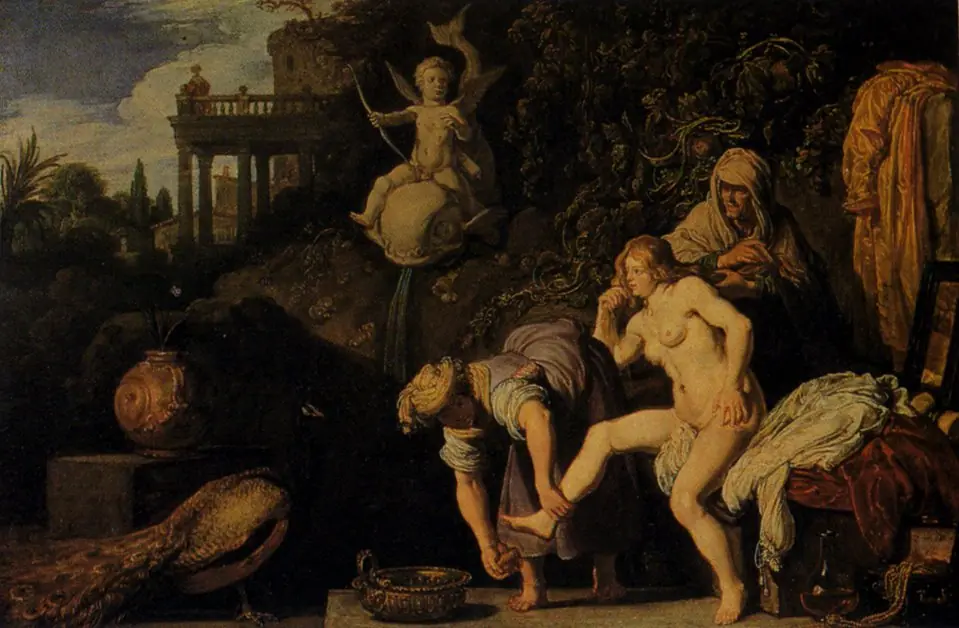 Bathsheba at her Toilette
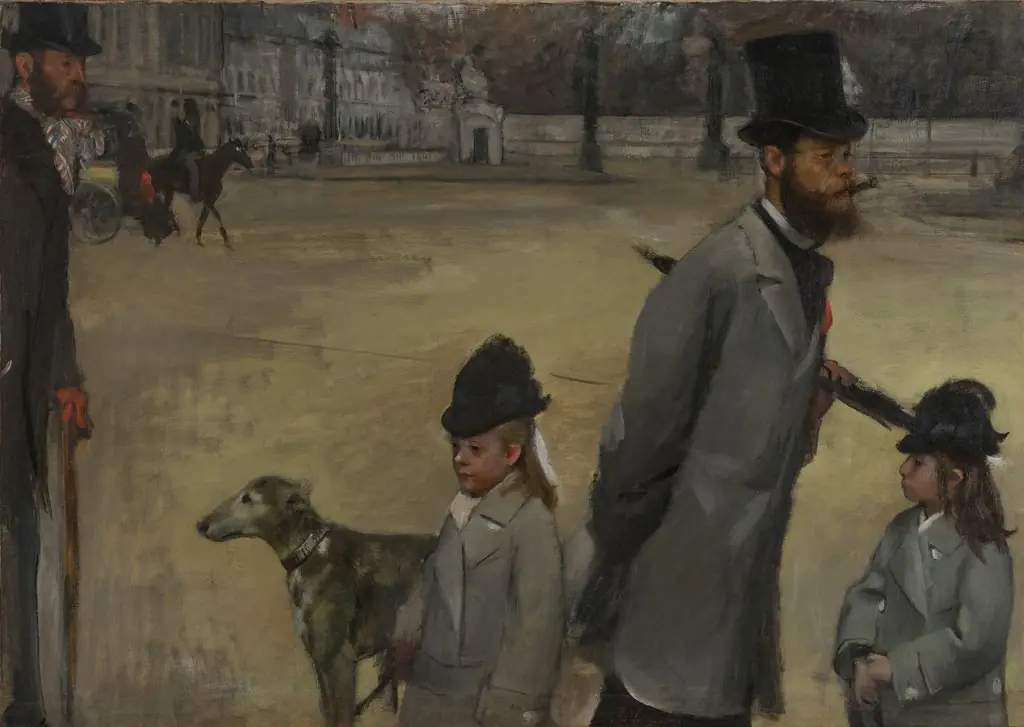 Place de la Concorde
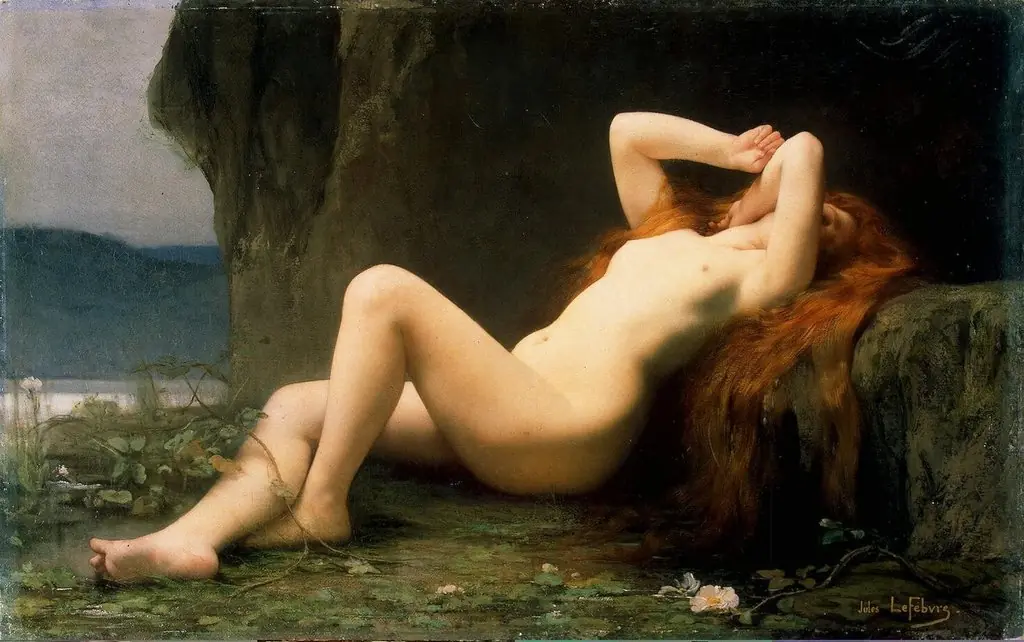 Mary Magdalene in a Grotto
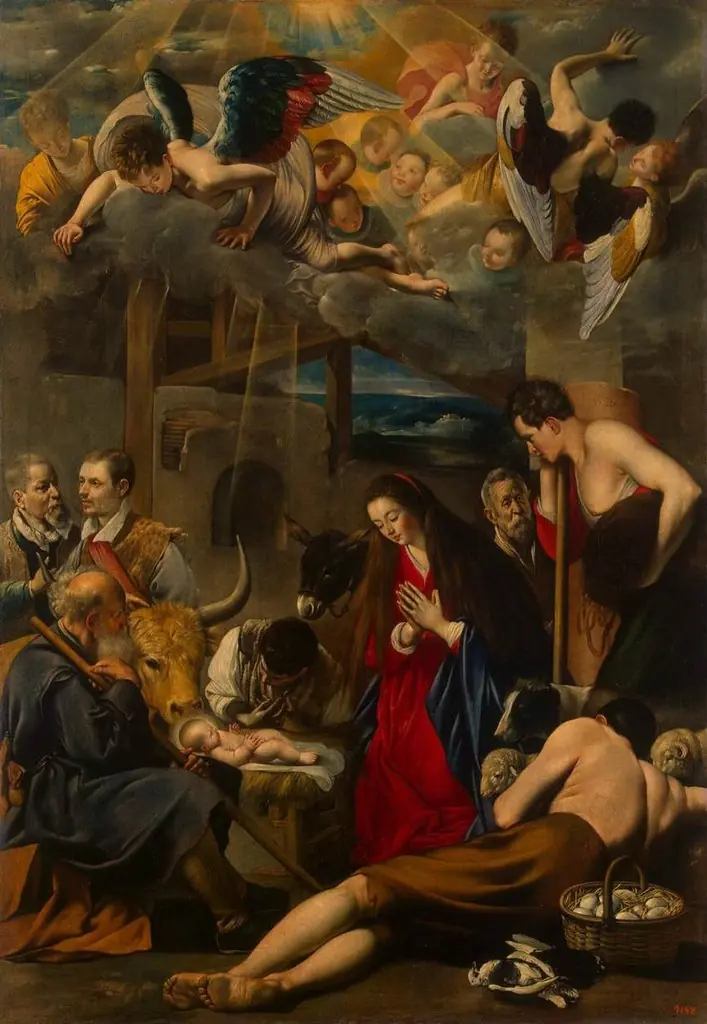 Adoration of the Shepherds
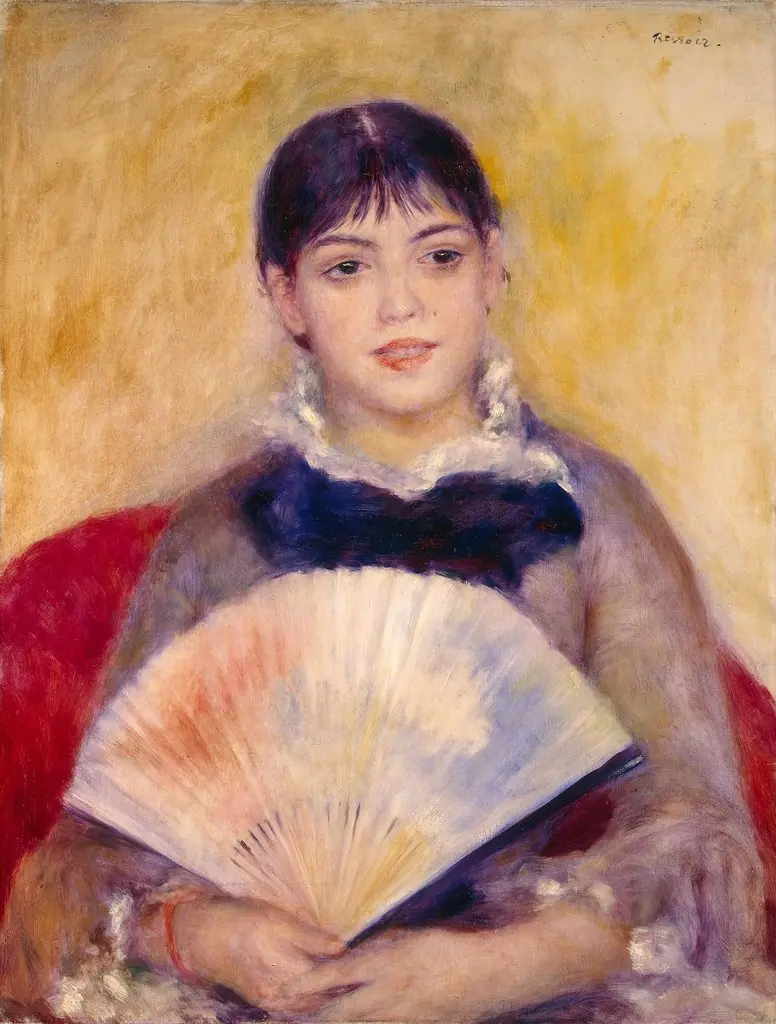 Girl with a Fan
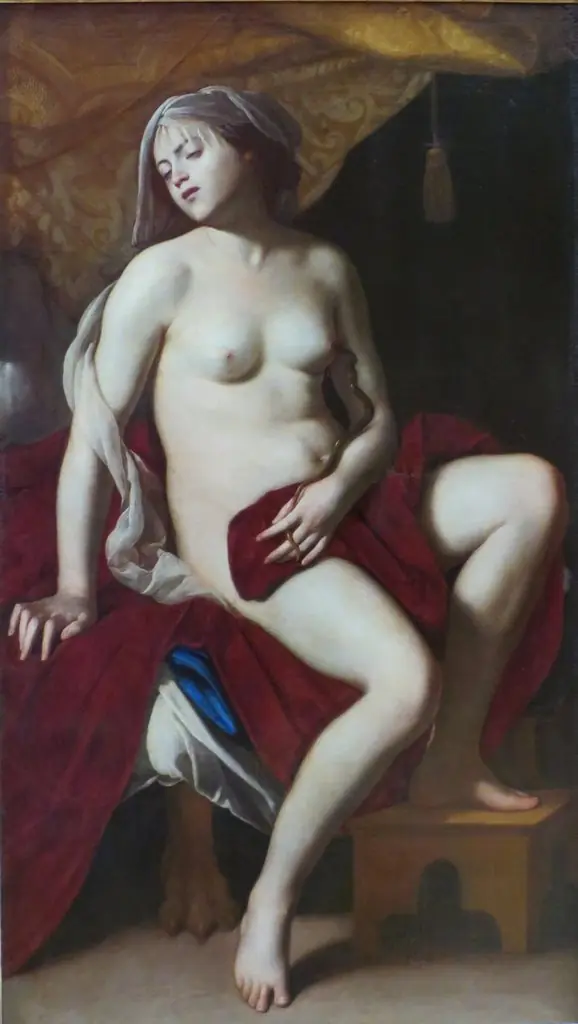 The Death of Cleopatra
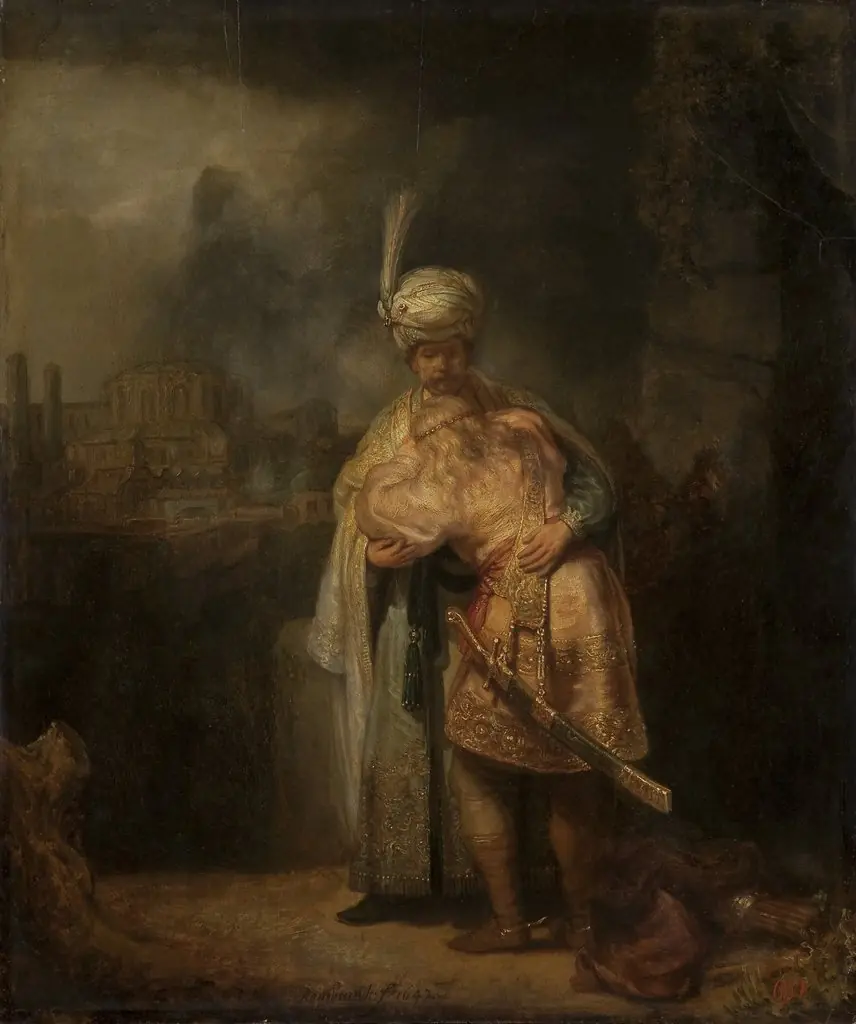 Separation of David and Jonathan
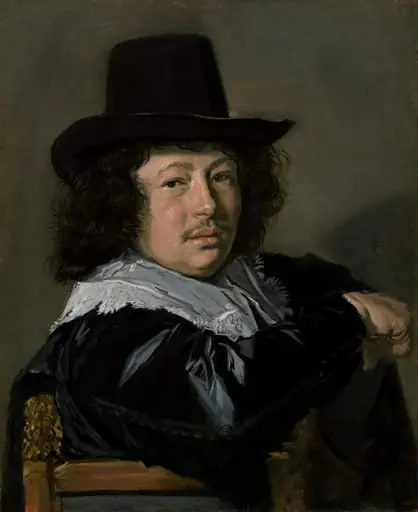 Portrait of a Young Man
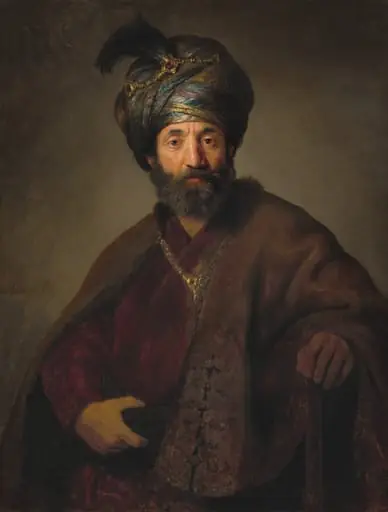 Man in Oriental Costume
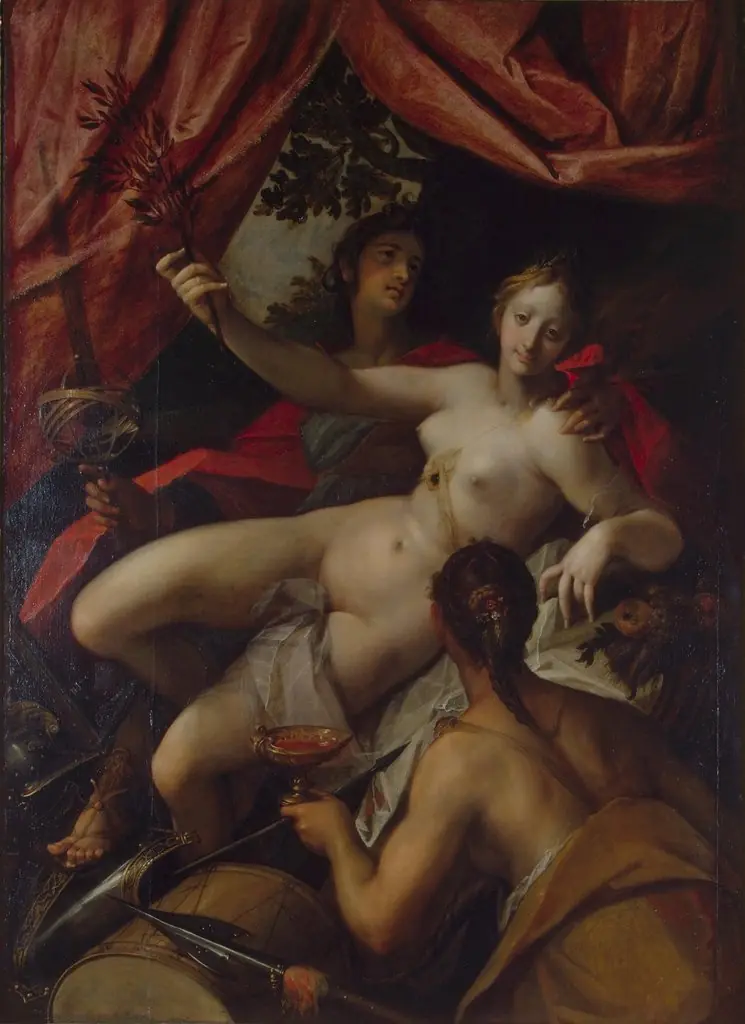 Allegory of Peace and Abundance
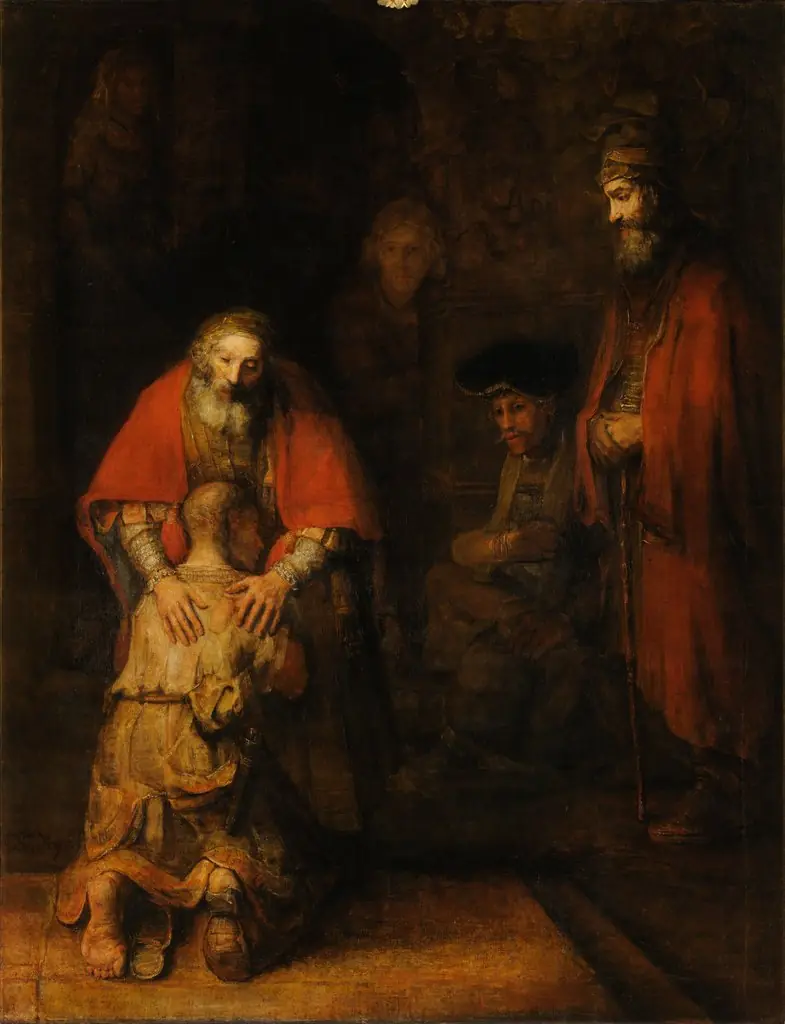 The Return of the Prodigal Son
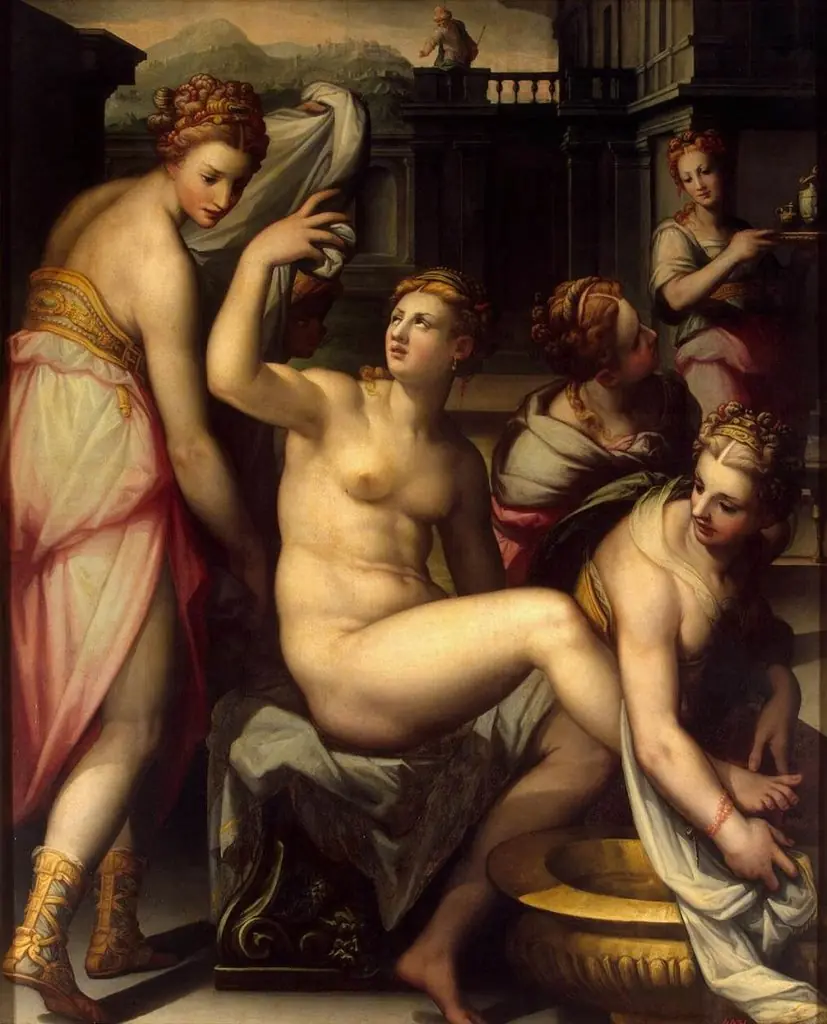 Bathsheba
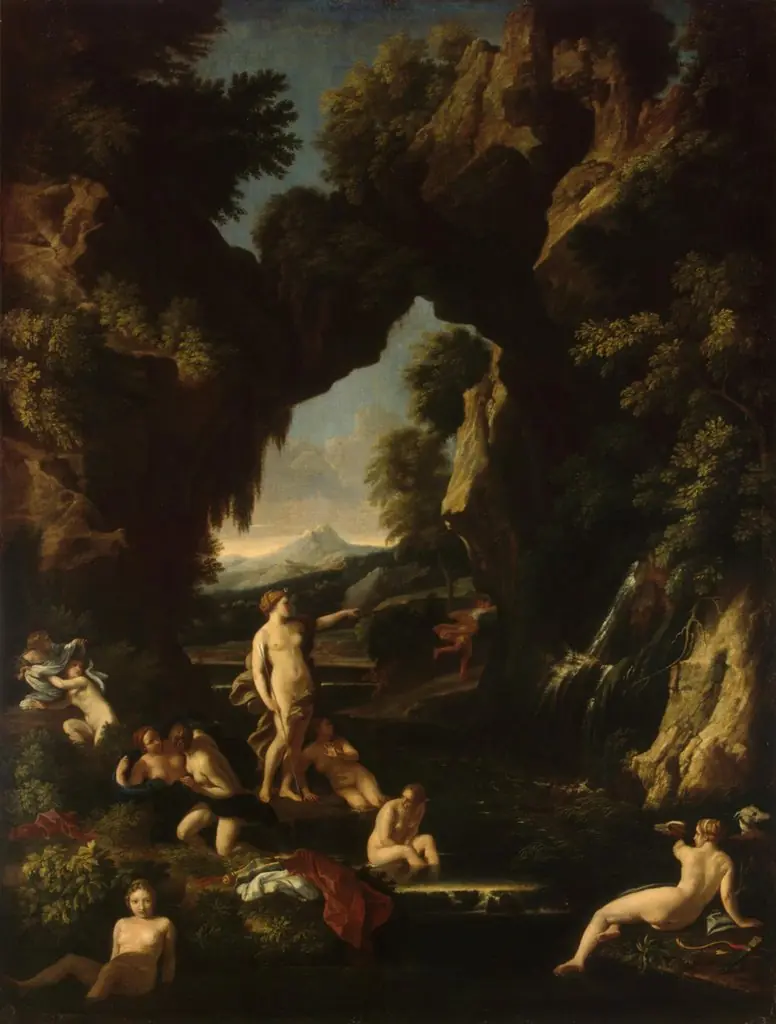 Landscape with Diana and Actaeon
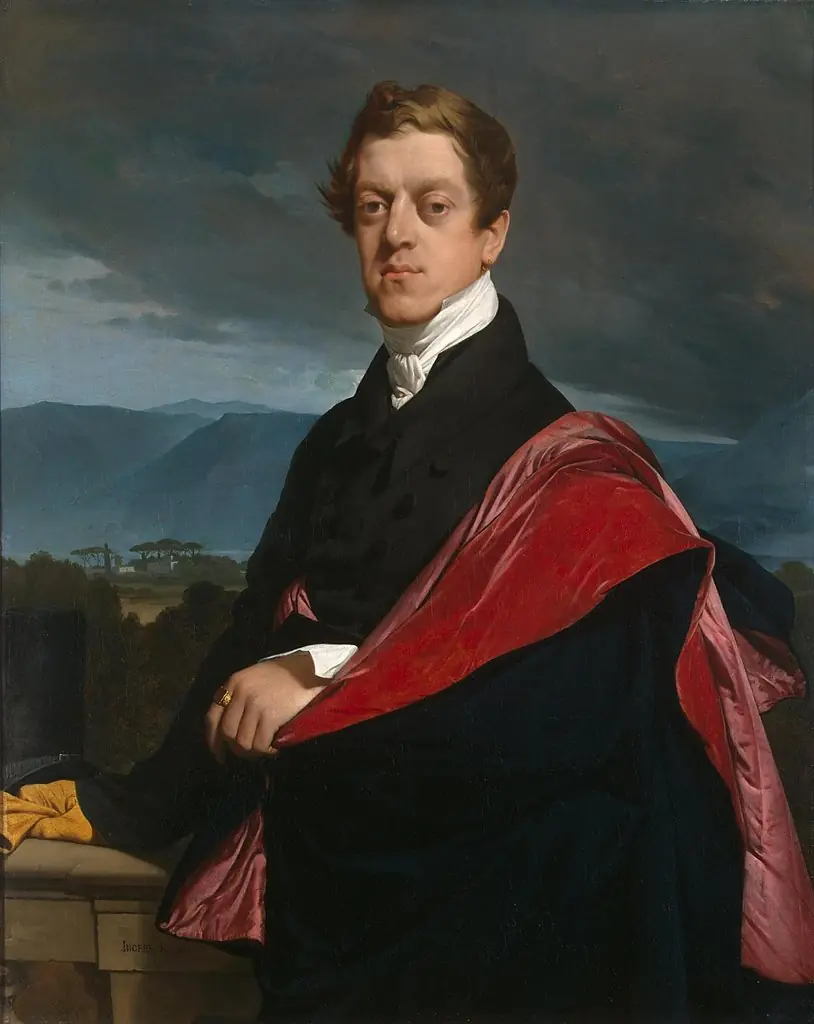 Portrait of Count Nikolay Guryev
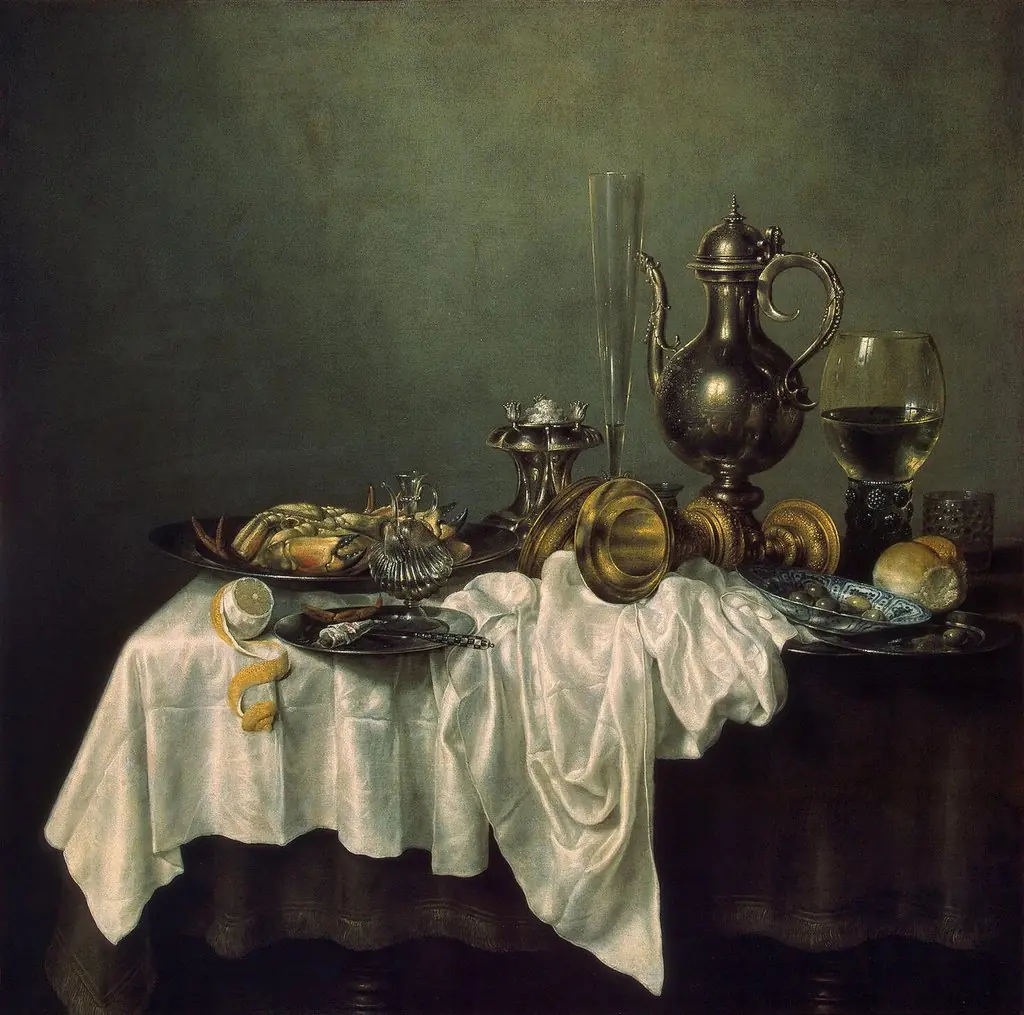 Breakfast with a Crab
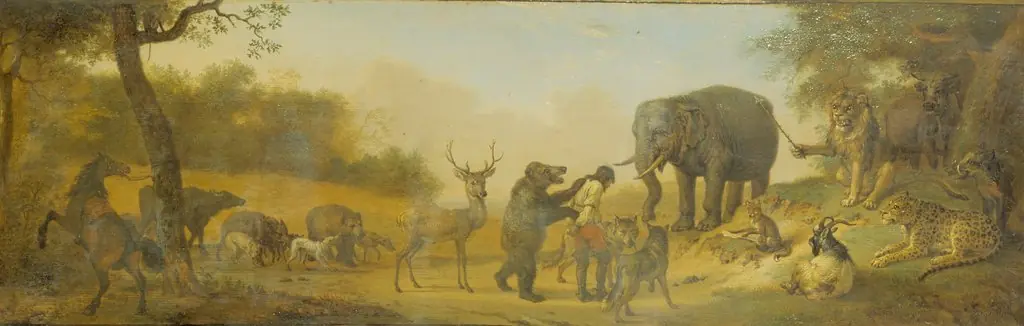 Hunter and Hounds being Judged
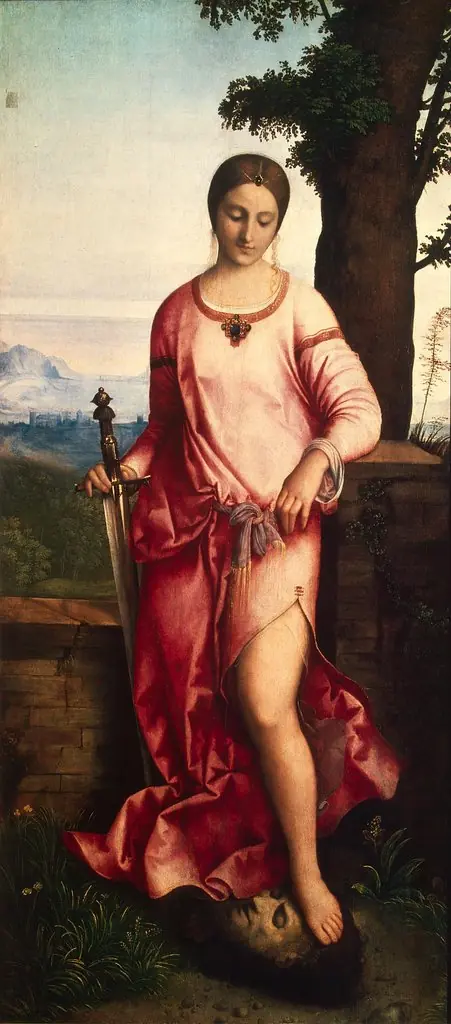 Judith
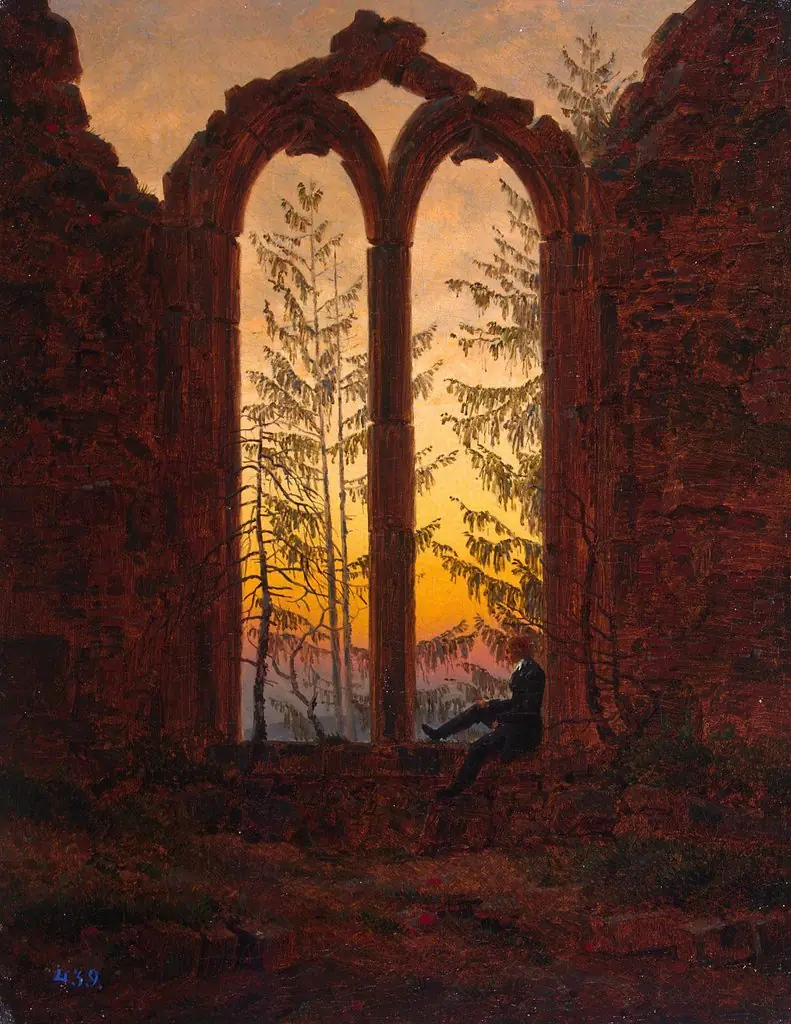 Ruins of the Oybin
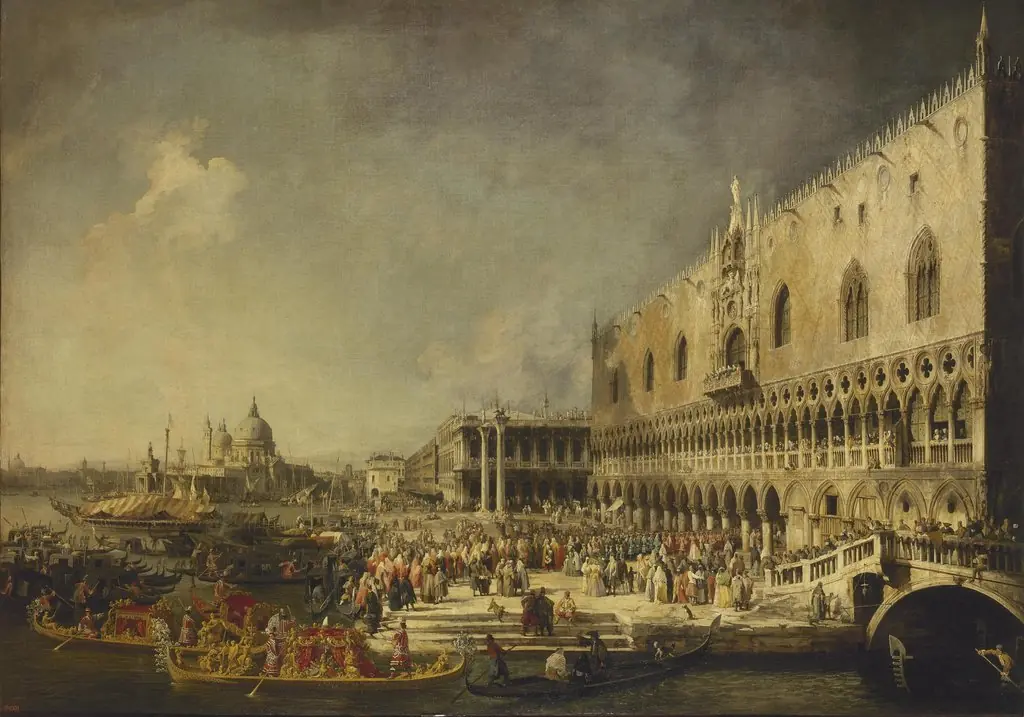 Arrival of the French Ambassador in Venice
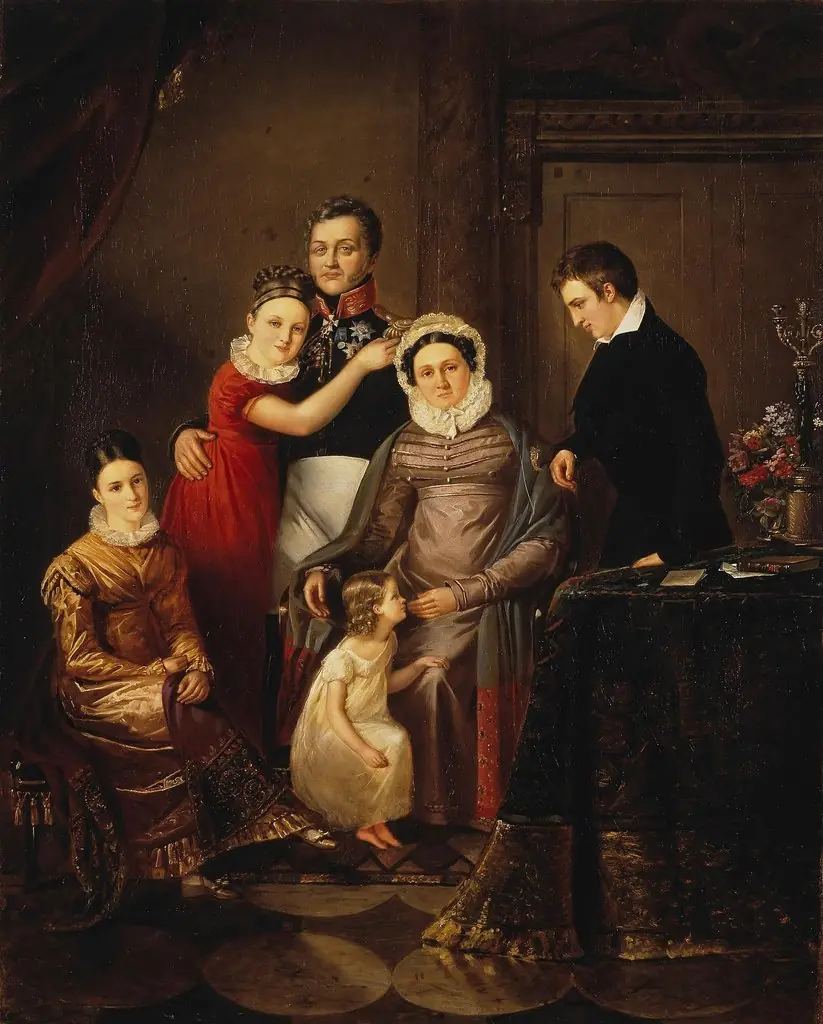 Portrait of Count Nikolai Repnin-Volkonsky with His Family
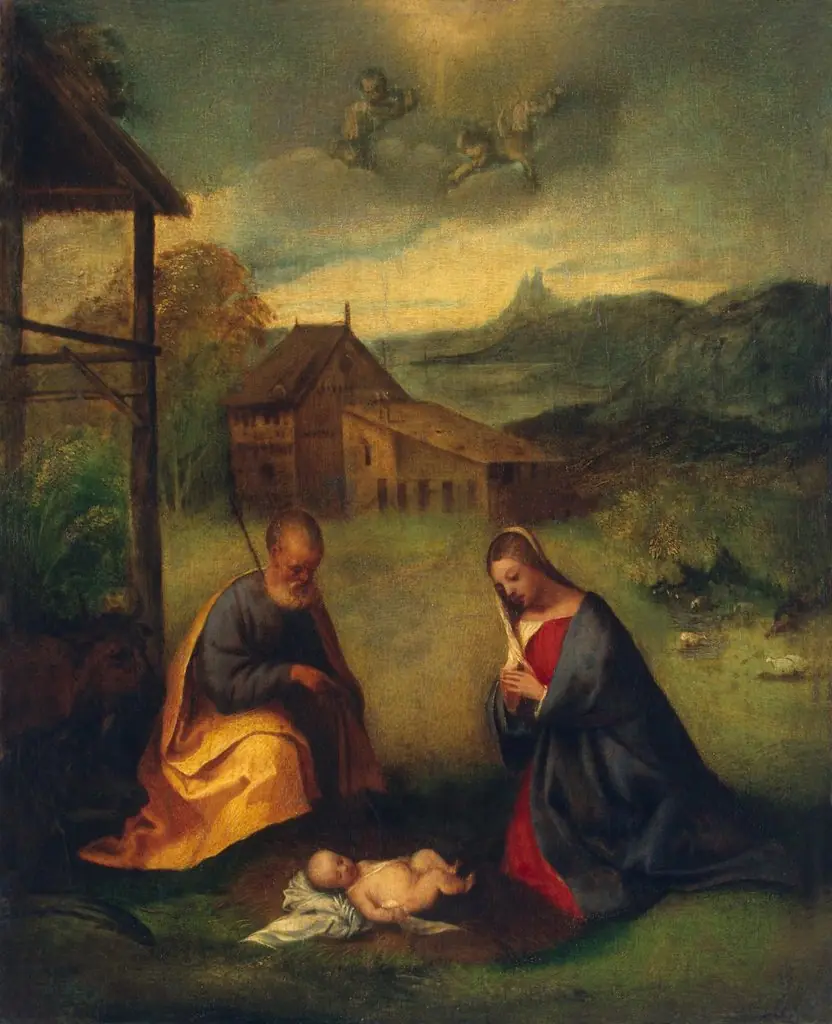 Adoration of the Christ Child
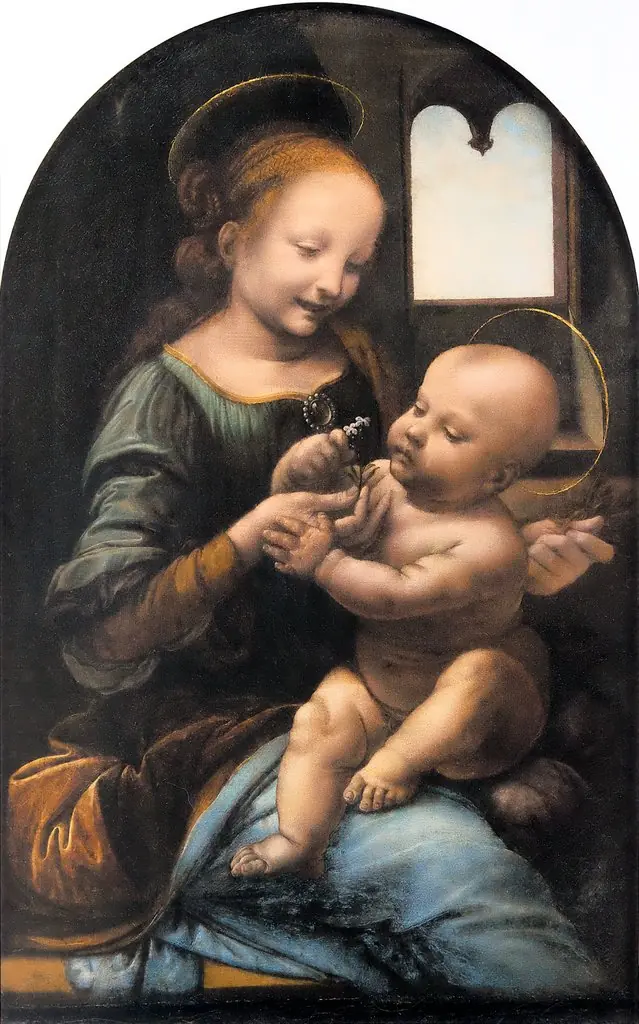 Benois Madonna
Plan your visit
Hermitage Museum
- Website
- www.hermitagemuseum.org