Collection
Johann Wilhelm von der Pfalz collection
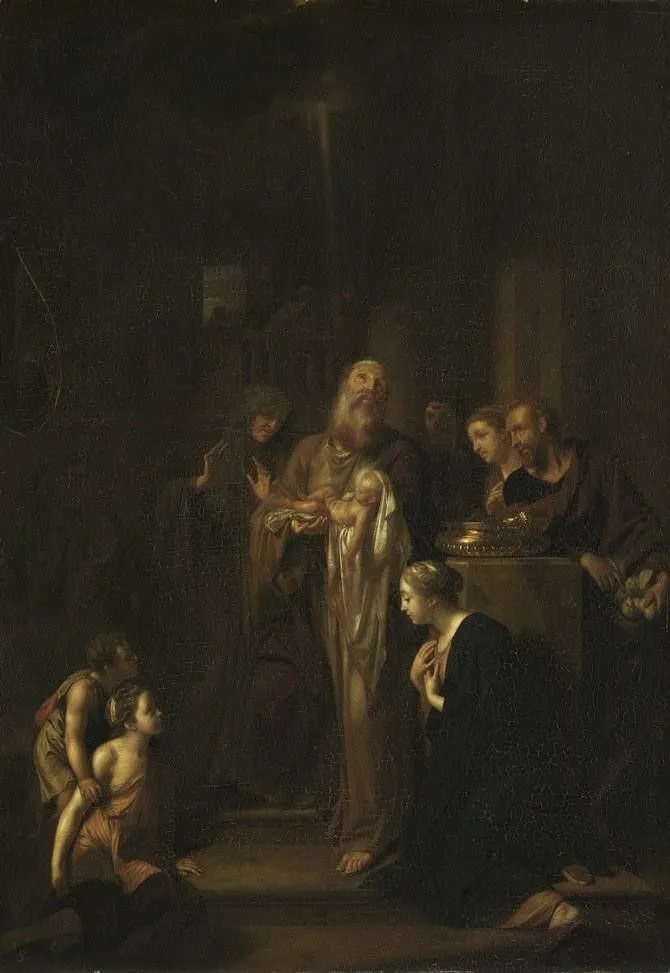
Johann Wilhelm von der Pfalz collection is a collection. 1 work from its collection is in this catalog, including Adriaen van der Werff.
About Johann Wilhelm von der Pfalz collection
Overview
The collection of Johann Wilhelm, Elector Palatine (1658–1716), also known as Jan Wellem, stands as one of the most significant art assemblages of the late 17th and early 18th centuries in the Holy Roman Empire. Centered in Düsseldorf, the Elector's residence, this collection was a deliberate manifestation of his court's cultural prestige and his personal devotion to the arts. It served as the foundation for the Düsseldorf Gallery (Düsseldorfer Gemäldegalerie), transforming the city into a major European art center. The collection is particularly renowned for its extensive holdings of Flemish Baroque works, especially those by Peter Paul Rubens, and for the high quality of its Italian and Dutch paintings acquired during the Elector's reign.
History & Founding
Johann Wilhelm, who ruled as Elector Palatine from 1690 until his death in 1716, established the core of the collection in Düsseldorf. Following the destruction of Heidelberg during the Nine Years' War, he made Düsseldorf his primary residence and invested heavily in the city's cultural infrastructure. He founded the Düsseldorf Gallery, actively commissioning works and acquiring masterpieces to fill the galleries of the Düsseldorf Palace. His court attracted numerous artists, including his court painters Jan Frans van Douven and the still-life specialist Jan Weenix, who contributed directly to the collection's growth. The Elector's patronage was not limited to paintings; he also supported artisans and architects, creating a vibrant artistic environment that included the construction of Bensberg Castle.
Collection Highlights & Notable Holdings
The collection was distinguished by its exceptional concentration of works by Peter Paul Rubens, which formed a central pillar of the gallery. Beyond Rubens, the holdings included significant pieces by other Flemish and Dutch masters, as well as Italian Baroque artists. The Elector's acquisitions from the Schloss Bensberg collection further enriched the holdings with works by Antonio Bellucci, Giovanni Antonio Pellegrini, Jan Weenix, and Domenico Zanetti. These works spanned various genres, from grand historical and religious narratives to intimate still lifes and portraits, reflecting the diverse tastes of the Elector and the international scope of his network. The collection was noted for its high quality and the strategic selection of works that defined the Baroque aesthetic of the era.
Significance
The significance of Johann Wilhelm's collection lies in its role as a catalyst for Düsseldorf's development into a renowned art metropolis. The Elector's patronage elevated the city's status, attracting artists and scholars from across Europe. The Düsseldorf Gallery, under his direction, became a model for princely collections, emphasizing the display of masterpieces in a curated setting. The collection's focus on Rubens and the Flemish Baroque helped to solidify the region's artistic identity and influenced subsequent generations of artists. Furthermore, the collection served as a diplomatic tool, showcasing the wealth and cultural sophistication of the Wittelsbach dynasty to other European courts.
Legacy & Current Location
Following the death of Johann Wilhelm and the subsequent political changes, the collection underwent dispersal and reorganization. A substantial portion of the Düsseldorf Gallery and the artworks from Schloss Bensberg were eventually integrated into the Bavarian state collections. Today, these works form one of the core holdings of the Alte Pinakothek in Munich. The Alte Pinakothek, which houses the historic Wittelsbach collection, preserves these masterpieces, ensuring their accessibility to the public. The legacy of Johann Wilhelm's patronage is thus permanently embedded in one of the world's most important art museums, where the works of Rubens, van Douven, and others continue to be displayed and studied.