Art Museum
Metropolitan Museum of Art

Image: Wikimedia Commons.
Metropolitan Museum of Art is an art museum in Manhattan, United States. 7,867 works from its collection are in this catalog, including Titian and Thomas Eakins.
About Metropolitan Museum of Art
Overview
The Metropolitan Museum of Art, affectionately known as 'The Met,' stands as a premier cultural beacon located on Fifth Avenue in Manhattan, New York. Incorporated on April 13, 1870, by a group of American citizens including businessmen, artists, and philanthropists, the institution was founded on the audacious vision that art should be accessible to everyone, transcending social barriers. Today, it holds more than two million works of art, serving as one of the greatest encyclopedic institutions in the world and a symbol of American cultural aspiration.
History & Founding
The museum's origins trace back to a growing appreciation for the arts in 19th-century America, fueled by industrialization and a surge of philanthropy among the wealthy class. Its first location was a modest building in Bryant Park, where it served as a temporary exhibition space before moving to its current Fifth Avenue site by 1880. Early proponents included French artist Jean-Baptiste Carpeaux, who advocated for a museum to rival European institutions. The founders emphasized not only fine arts but also decorative arts and ancient artifacts, fostering a community around art through educational programs like lectures and guided tours from the very beginning.
Building & Architecture
The Met's architectural journey reflects a fusion of classical and modern styles, evolving from a Victorian Gothic structure designed by Calvert Vaux and Jacob Wrey Mould (completed in 1880) to the grand Beaux-Arts facade designed by Richard Morris Hunt. Hunt's 1895 design, completed in 1902, introduced the iconic Grand Staircase and classical elements like Corinthian columns. Subsequent expansions included the North Wing (1902) by Babb, Cook & Willard, the Robert Lehman Wing (1975) with its minimalist glass and steel design, and the Sackler Wing housing the Temple of Dendur. Recent projects, such as the revitalization of the Tang Wing, emphasize sustainability and the integration of natural light, blending historic heritage with contemporary innovation.
Collection Highlights & Notable Holdings
The Met's collection spans millennia and cultures, featuring iconic masterpieces such as the Temple of Dendur, an ancient Egyptian monument gifted by Egypt in 1965 and installed in 1978 within a glass-enclosed space overlooking Central Park. Other notable works include the 'William' the Hippo, a 4,000-year-old faience sculpture from ancient Egypt; the seated limestone statue of Pharaoh Hatshepsut; and the mysterious 3,400-year-old jasper half-face of a woman. The museum also houses the reconstructed tomb of the priest Perneb and a vast array of European paintings by masters like Rembrandt, Vermeer, and Rubens, alongside treasures from Africa, Oceania, and the ancient Americas in the Rockefeller Wing.
Significance & Legacy
The Met has established itself as a primary destination for art lovers globally, reflecting a nation's journey toward establishing its own identity in the art world. Its dedication to accessibility, education, and diverse representation has allowed it to thrive, influencing generations of visitors and artists. The institution's architectural evolution mirrors its purpose to preserve and showcase world cultures, with every phase speaking of innovation and adaptation. By blending the classical with the modern and embracing sustainability, the Met remains a leader in museum design, ensuring its galleries resonate with contemporary audiences while honoring its rich heritage.
Where to See
The Met is situated on New York's Museum Mile along Fifth Avenue, strategically located to maximize accessibility and offer views of Central Park. The iconic Fifth Avenue steps invite millions of visitors annually into a journey through time and culture. The museum covers two million square feet, featuring well-marked pathways, interactive maps, and thoughtful curatorial spaces designed to help visitors navigate its vast collection. Specific highlights like the Temple of Dendur in the Sackler Wing and the European Paintings Gallery with its skylights are designed to optimize natural light and enhance the emotional impact of the artworks.
What to see at Metropolitan Museum of Art
Start with The Chess Players by Thomas Eakins.
Works from Metropolitan Museum of Art
 The Chess Players
 Venus and Mars
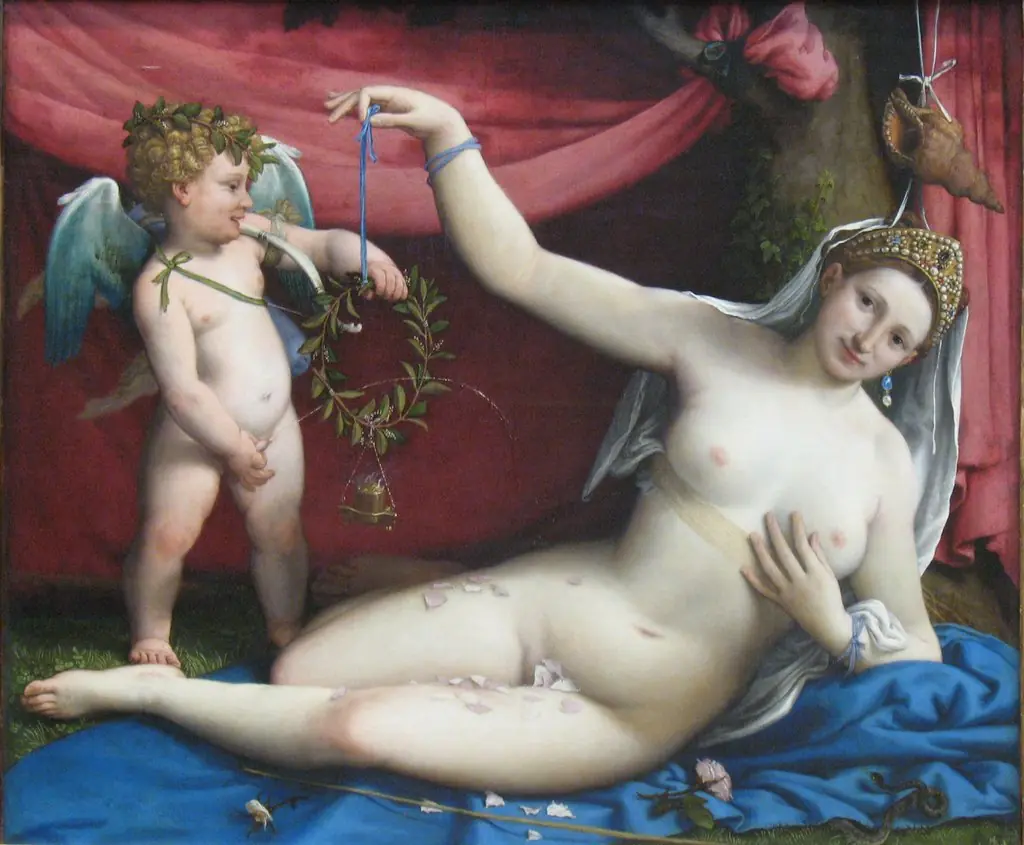 Venus and Cupid
 View from Mount Holyoke, Northampton, Massachusetts, after a Thunderstorm—The Oxbow
 The Young Bather
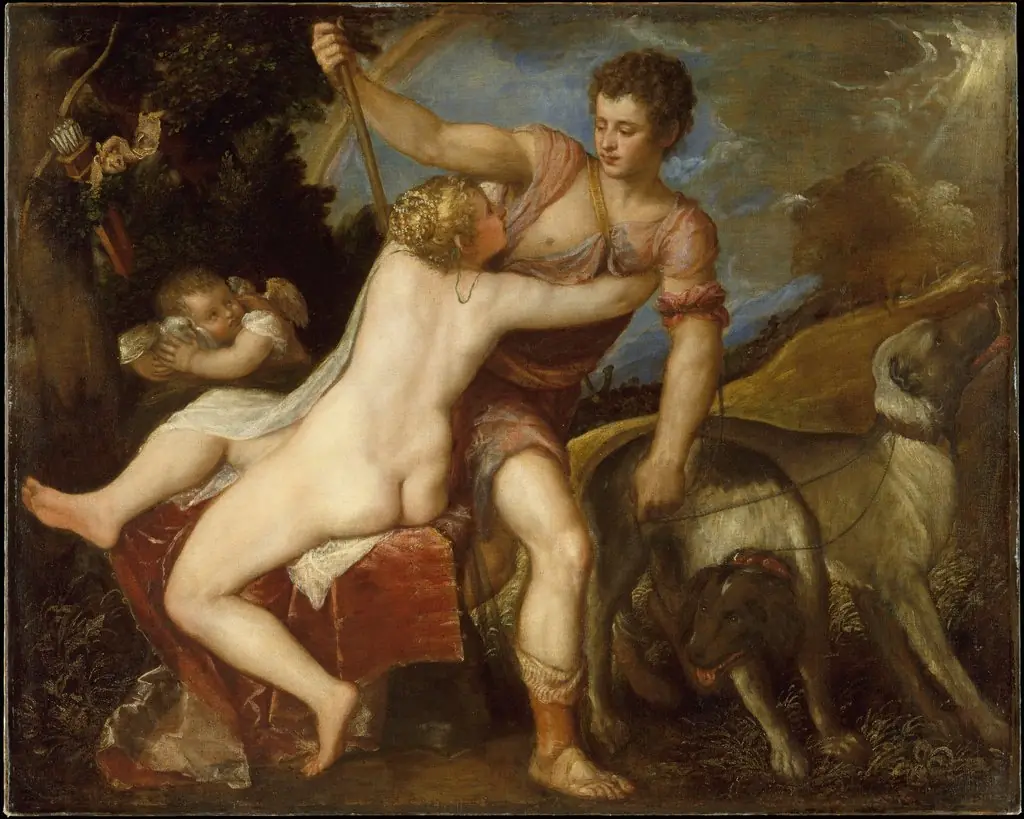 Venus and Adonis
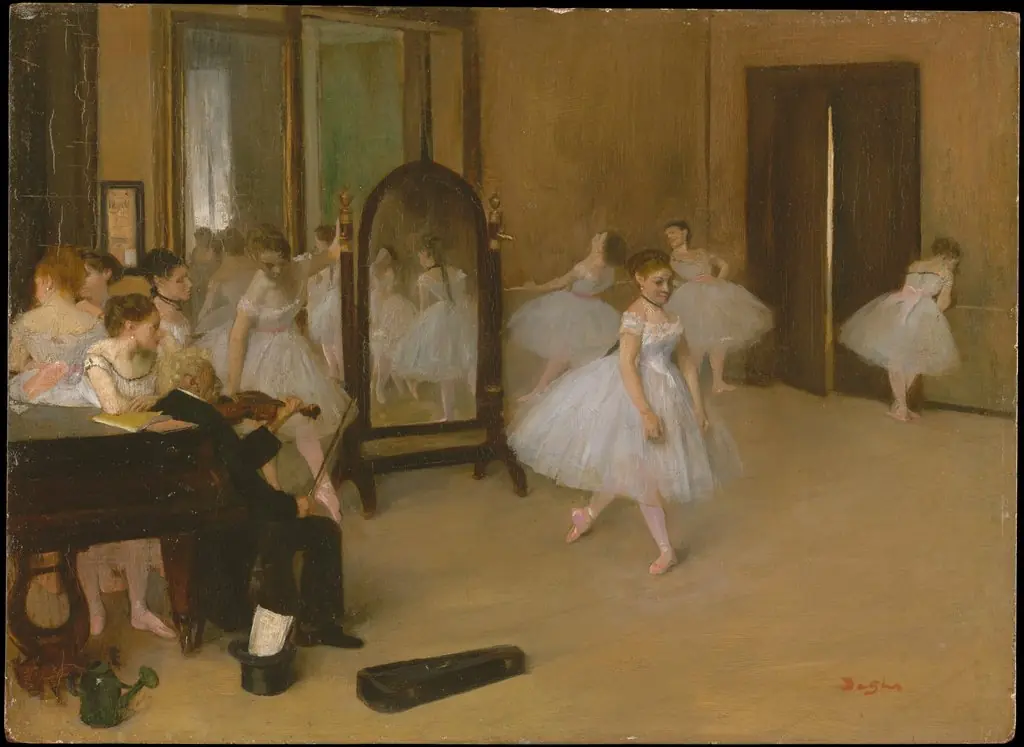 The Dancing Class
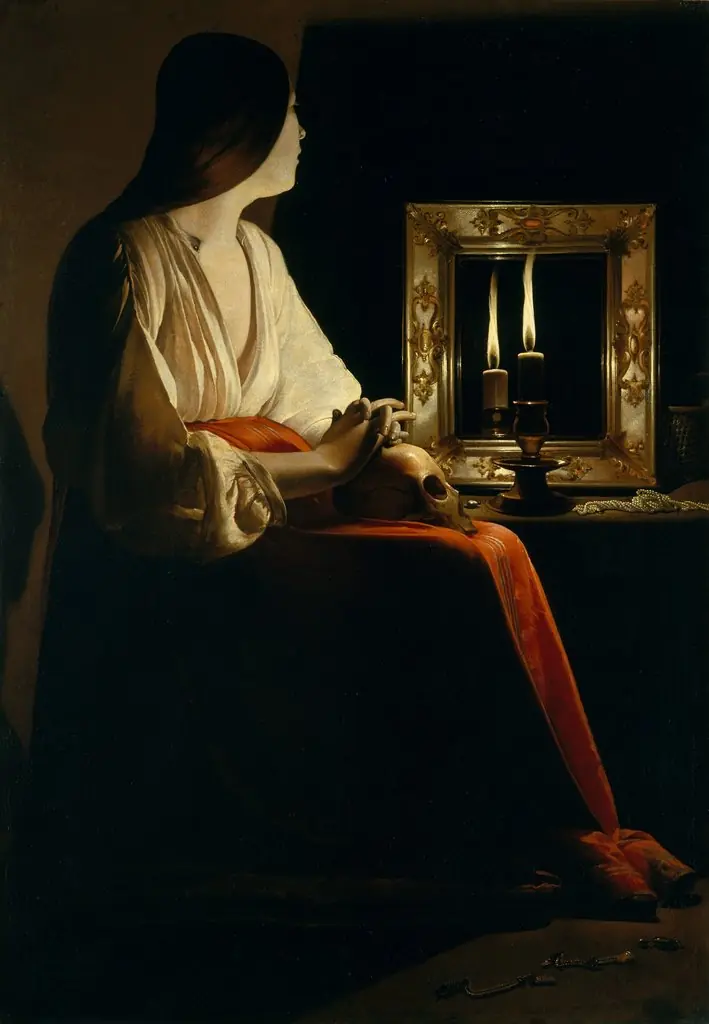 The Penitent Magdalen
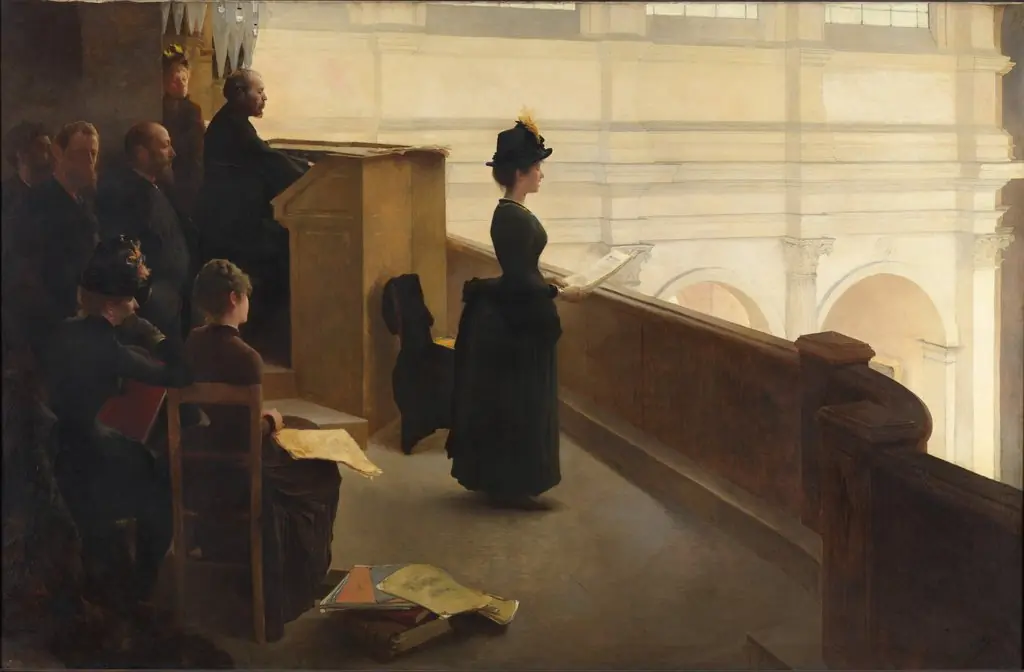 The Organ Rehearsal
 The New Bonnet
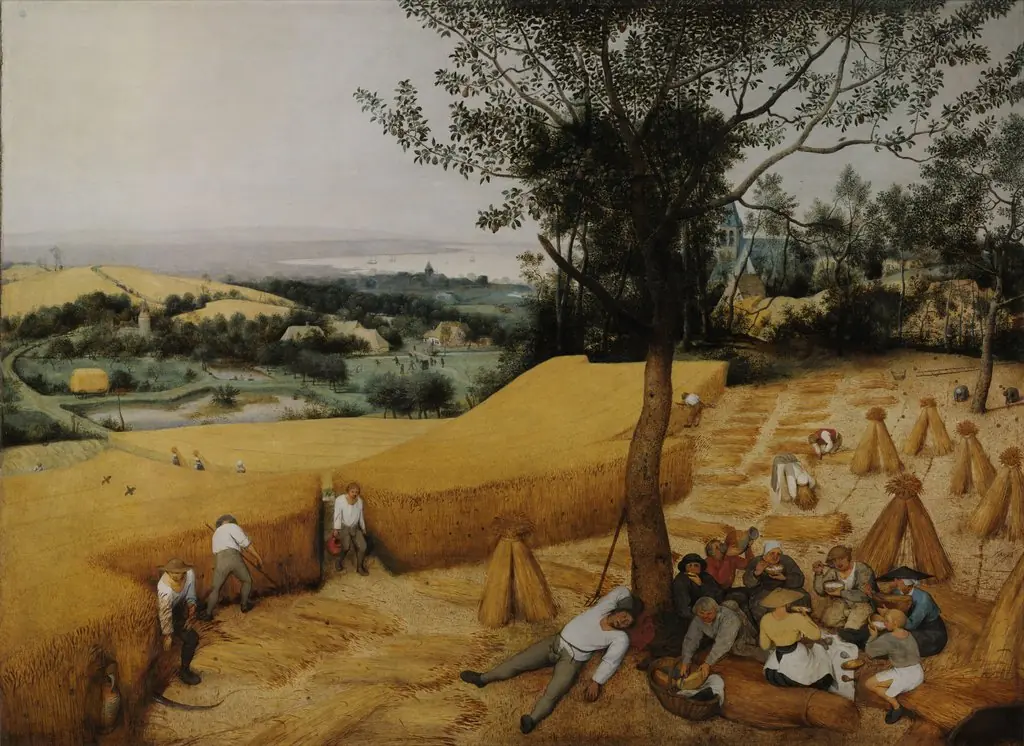 The Harvesters
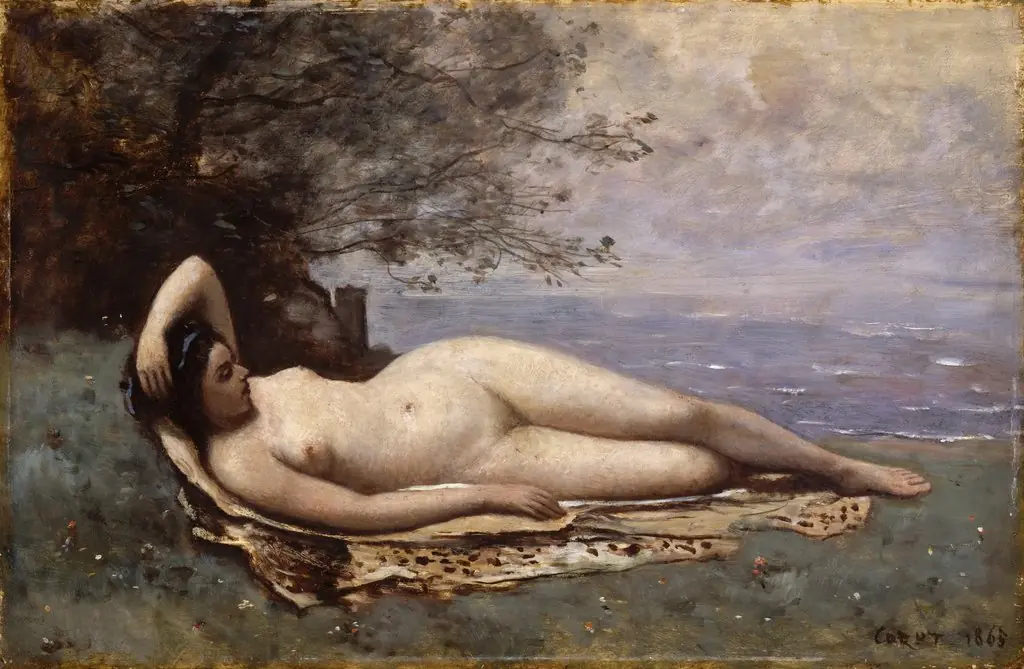 Bacchante by the Sea
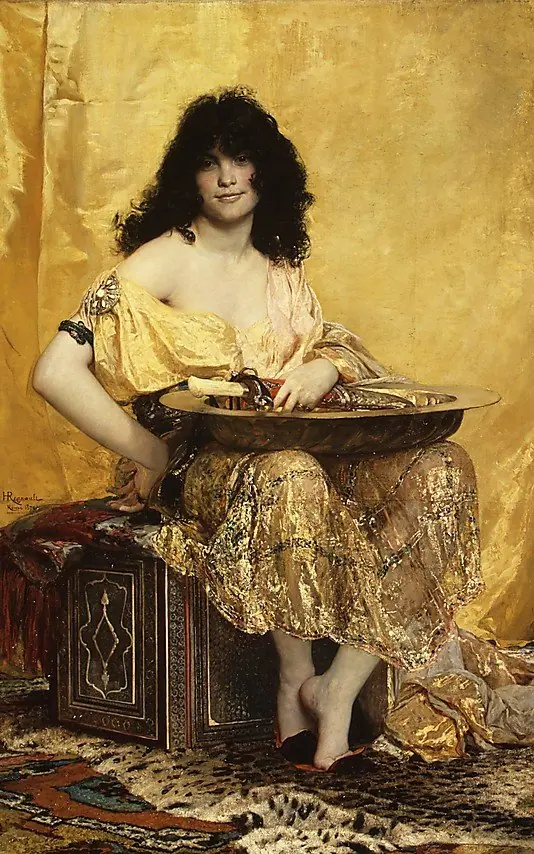 Salome
 The Storm
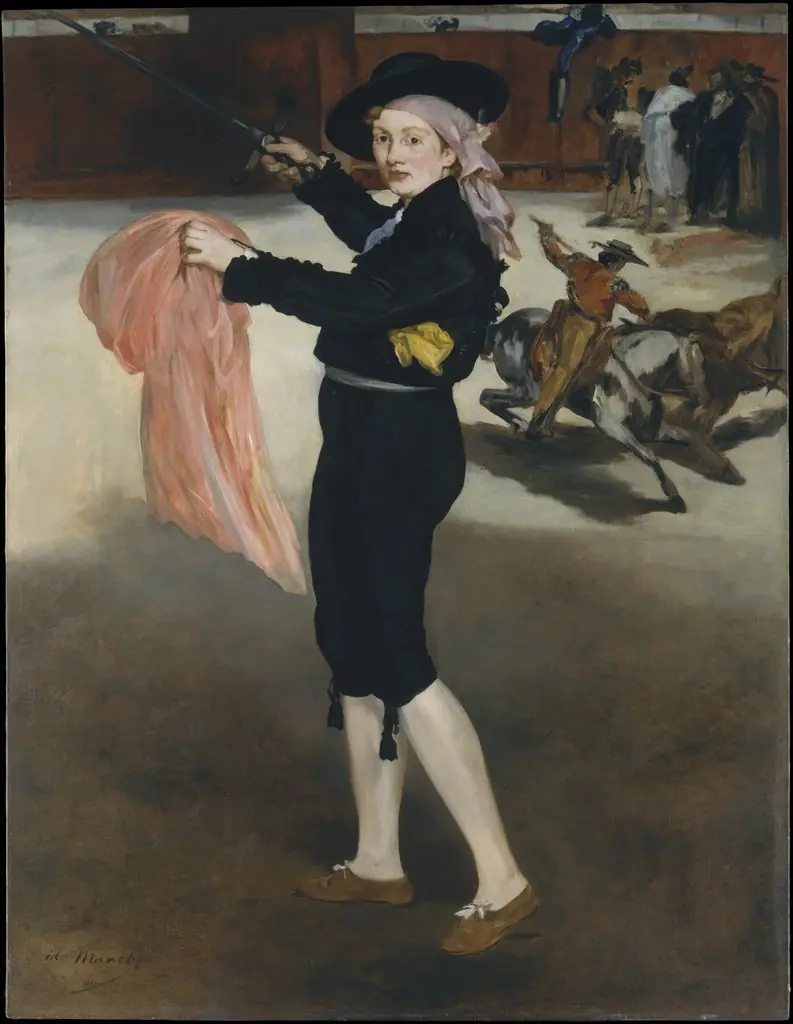 Mademoiselle V. . . in the Costume of an Espada
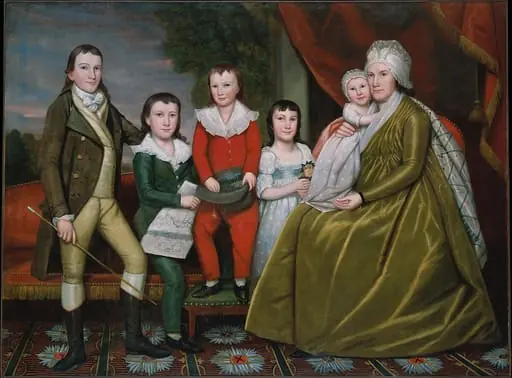 Mrs. Noah Smith and Her Children
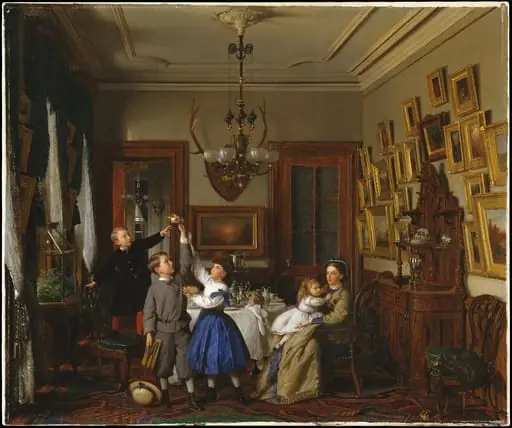 The Contest for the Bouquet: The Family of Robert Gordon in Their New York Dining-Room
 The Rocky Mountains, Lander's Peak
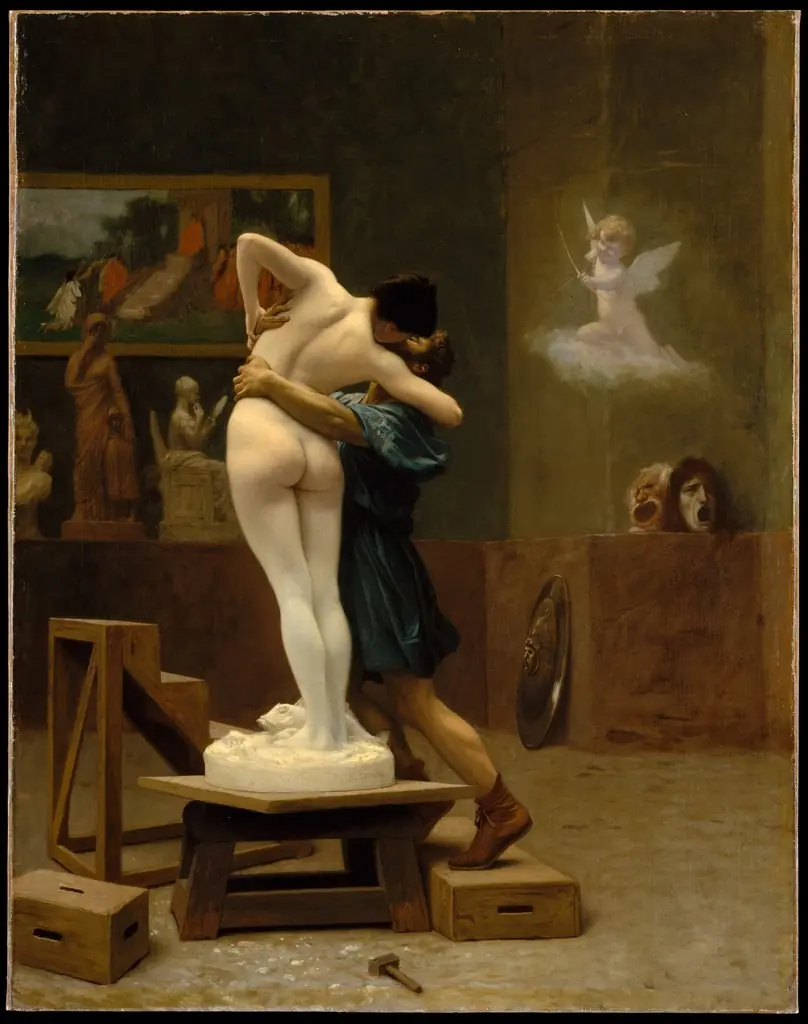 Pygmalion and Galatea
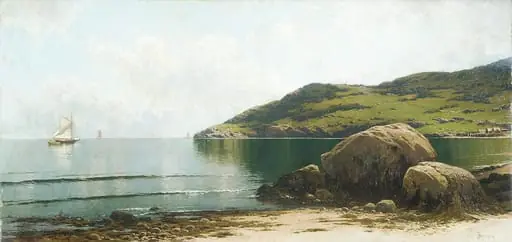 Marine Landscape
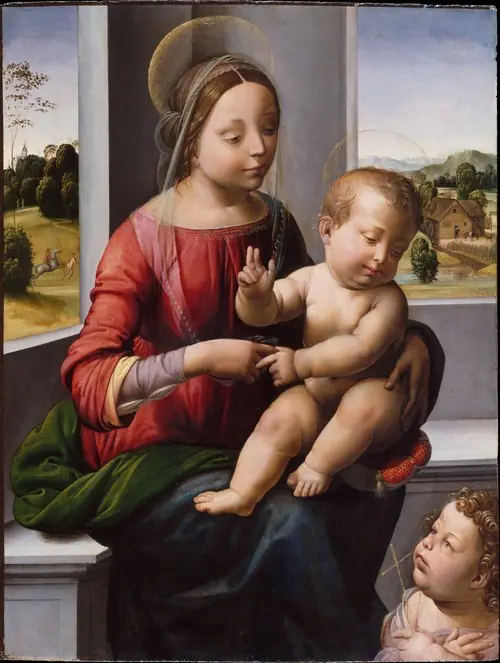 Madonna and Child with the Young Saint John the Baptist
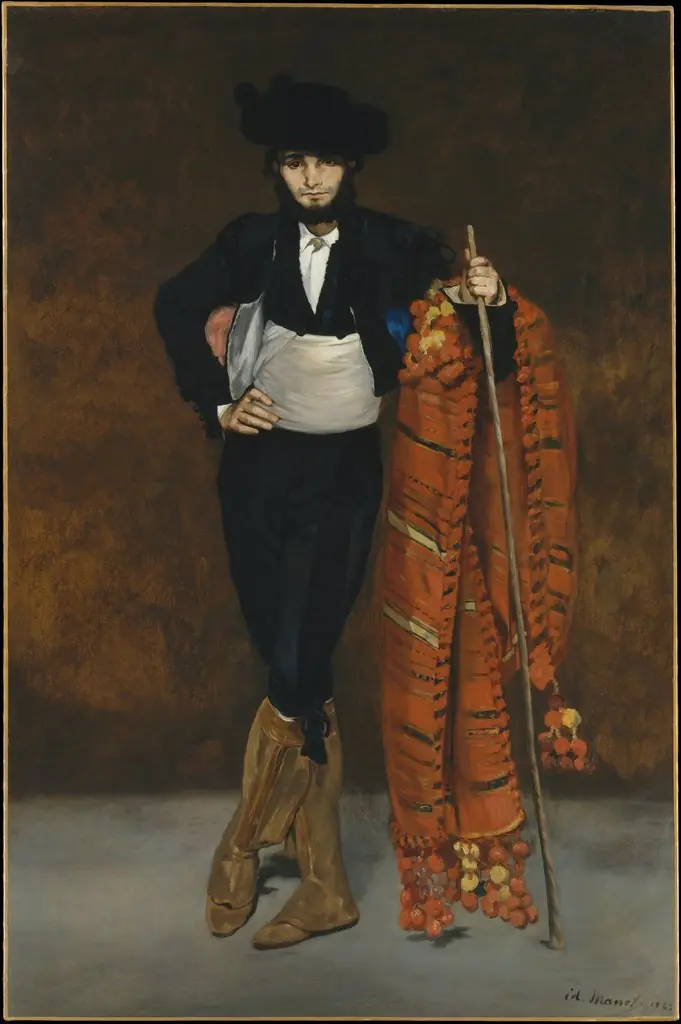 Young man in Mayo costume
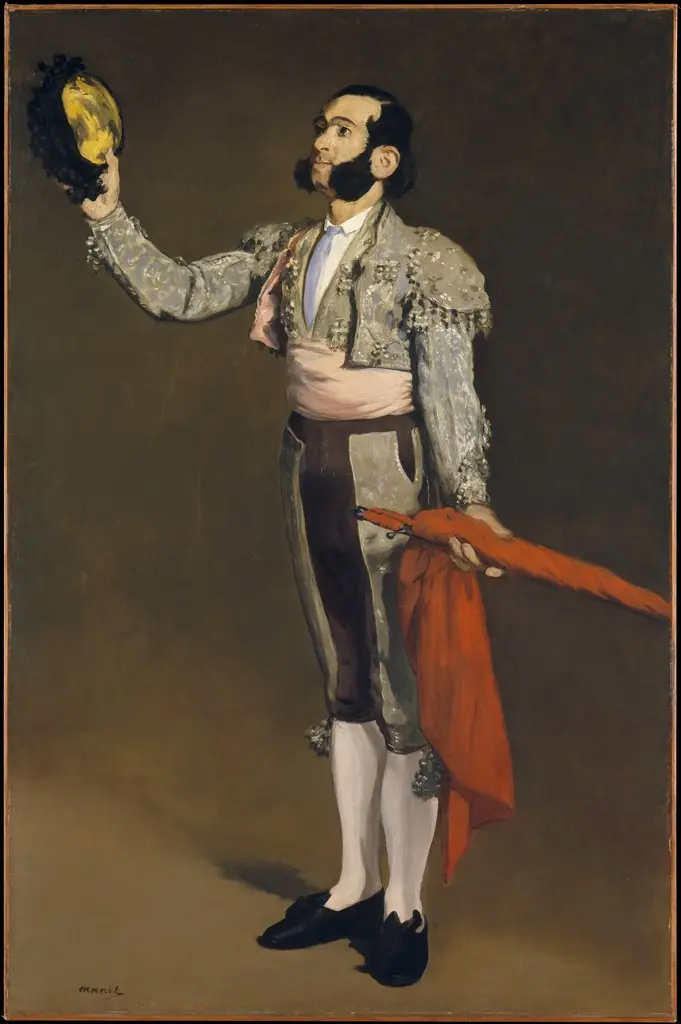 The Matador Saluting
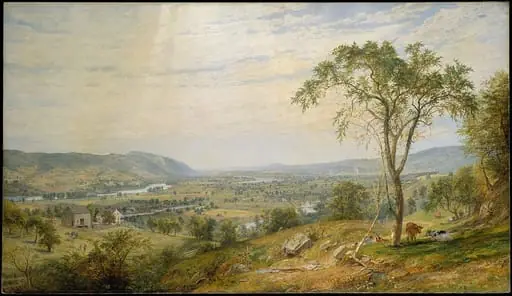 The Valley of Wyoming
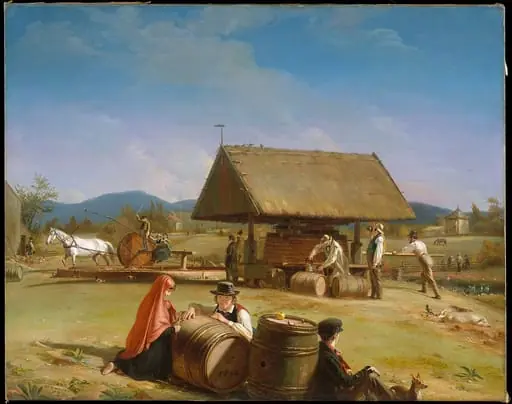 Cider Making
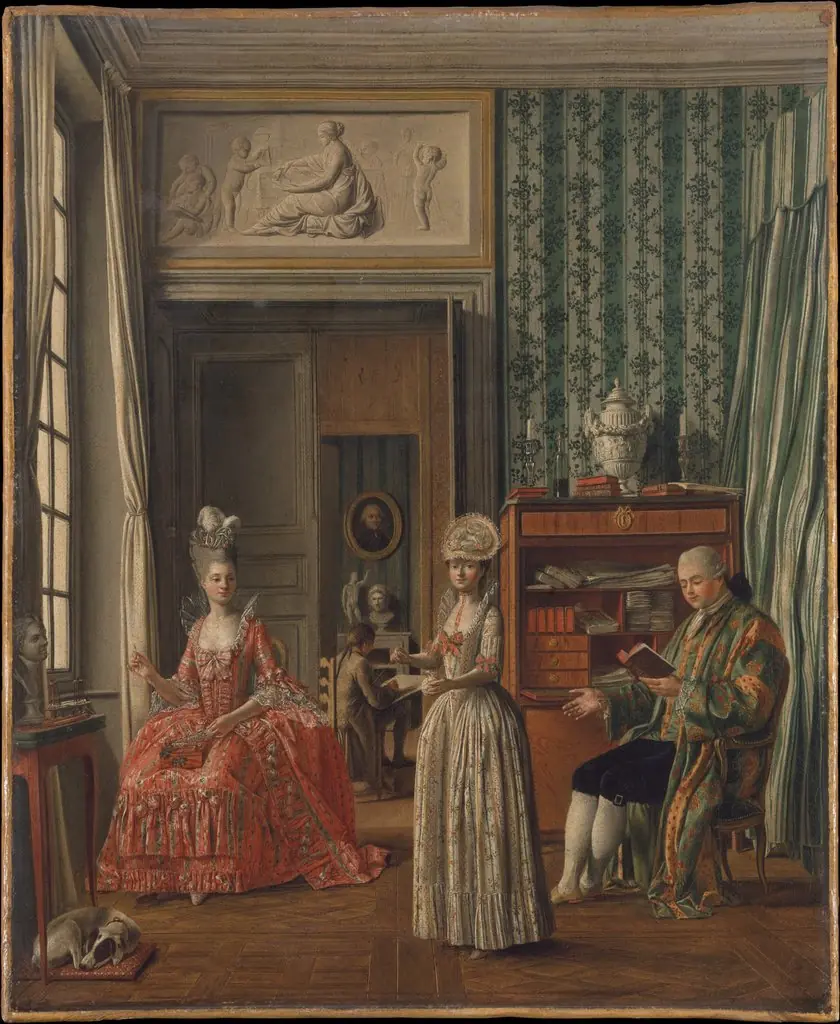 Domestic Scene
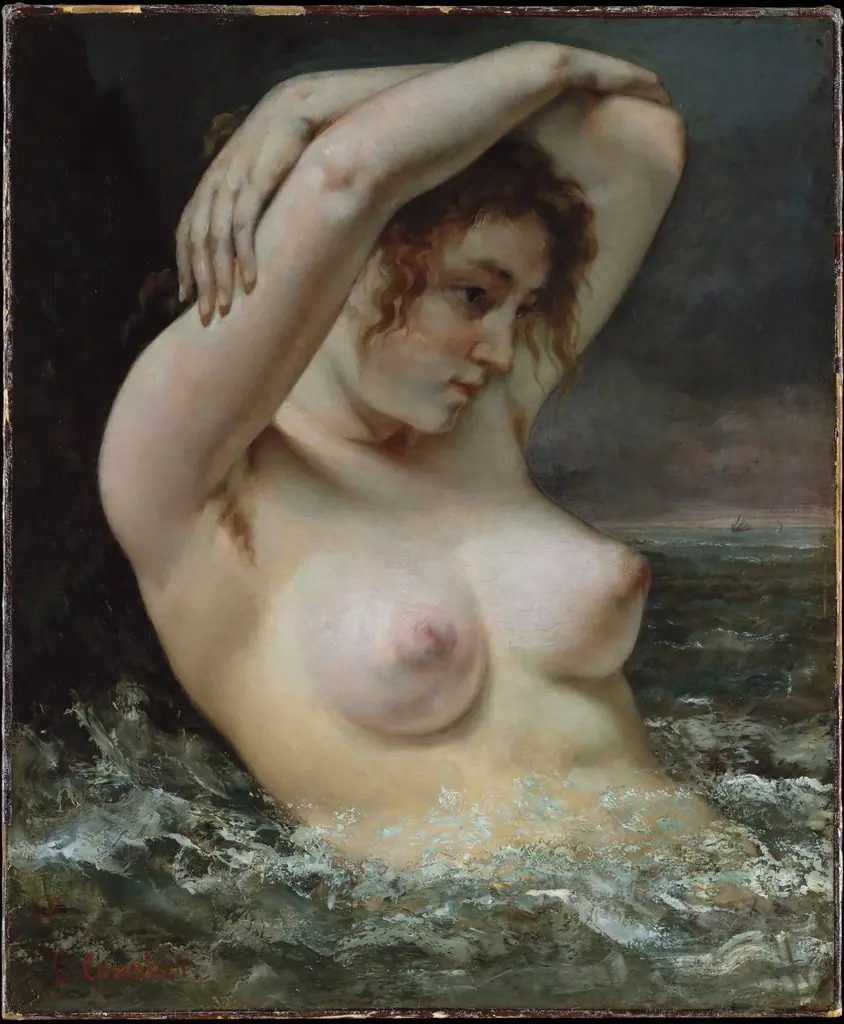 The Woman in the Waves
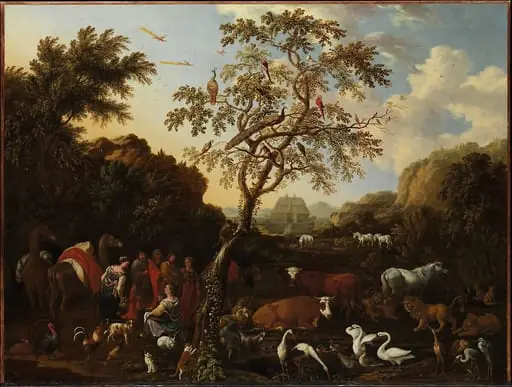 The Ark
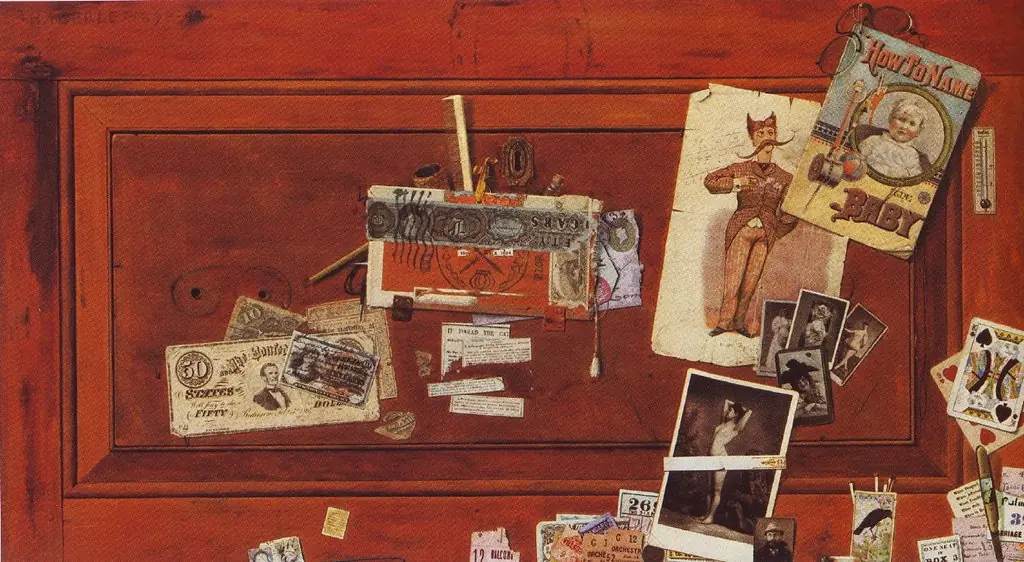 A Bachelor's Drawer
 The Source
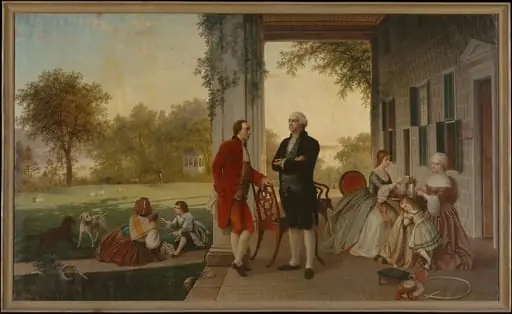 Washington and Lafayette at Mount Vernon, 1784 (The Home of Washington after the War)
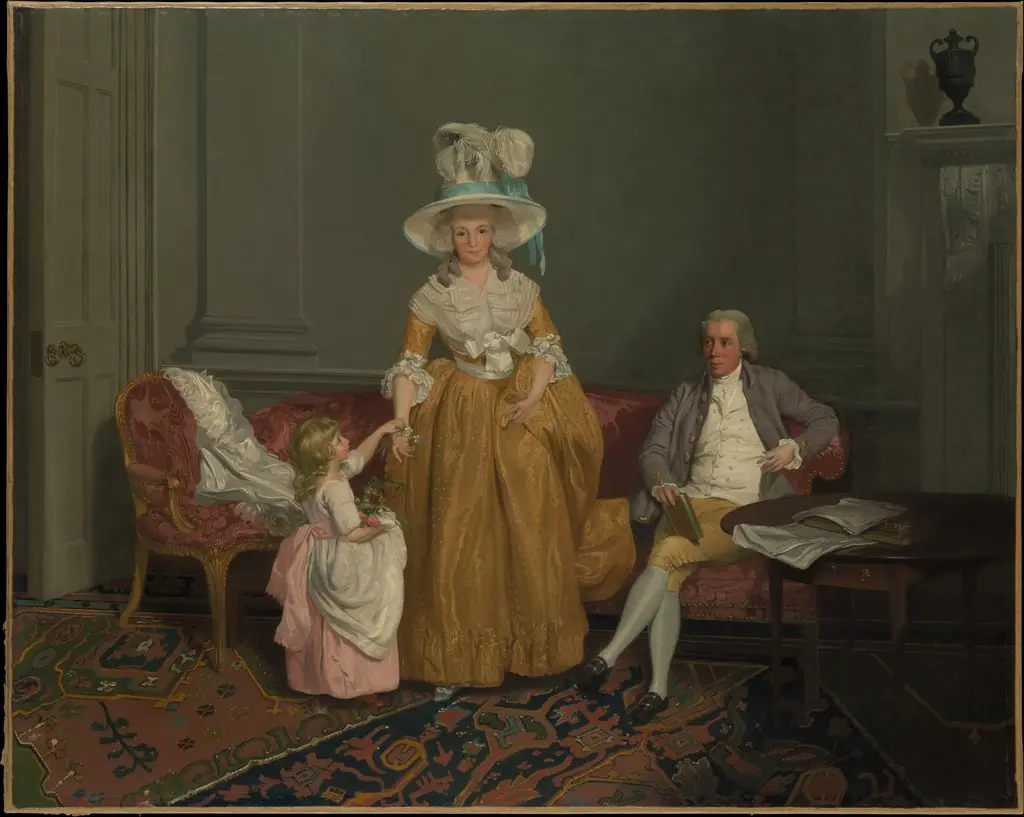 The Saithwaite Family
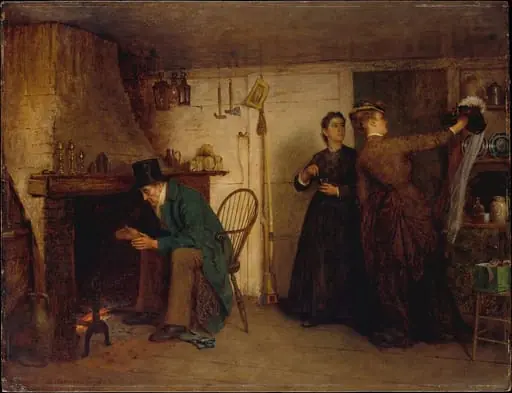 The New Bonnet
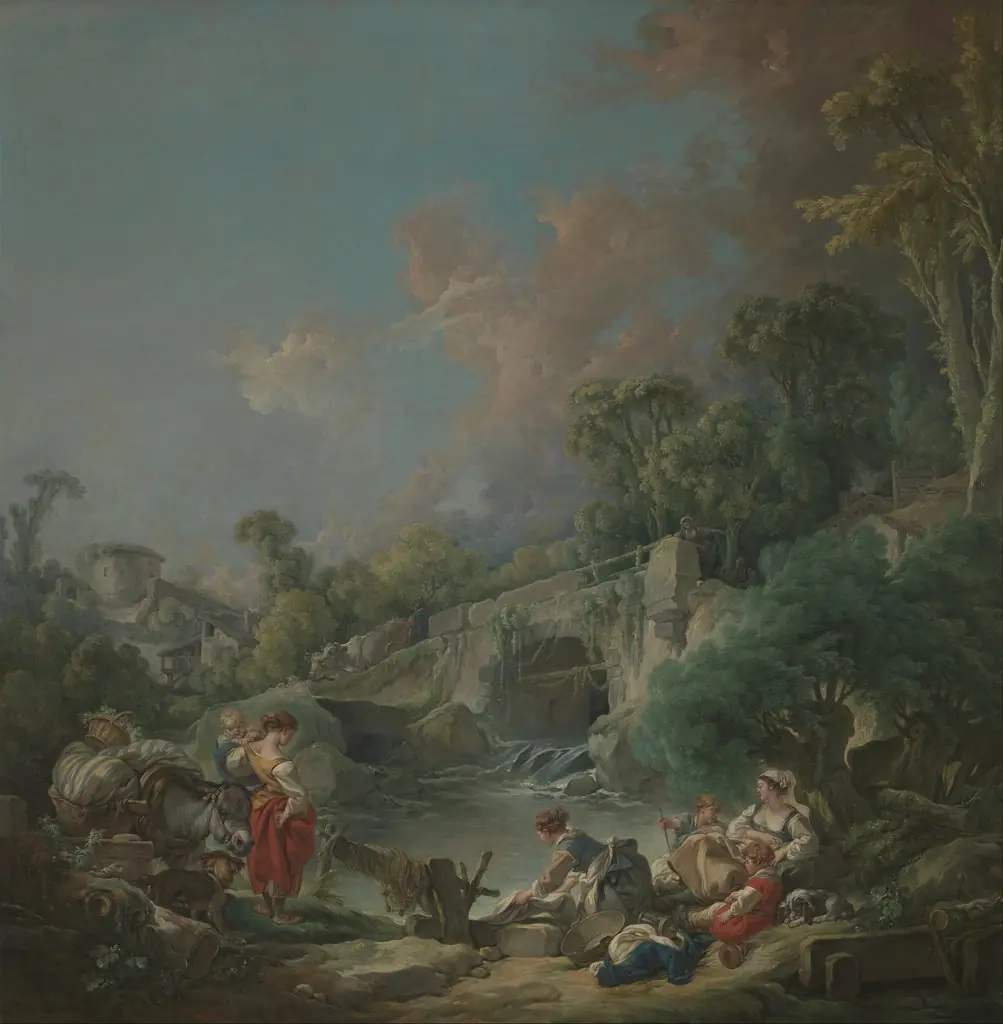 Washerwomen
 The Horse Fair
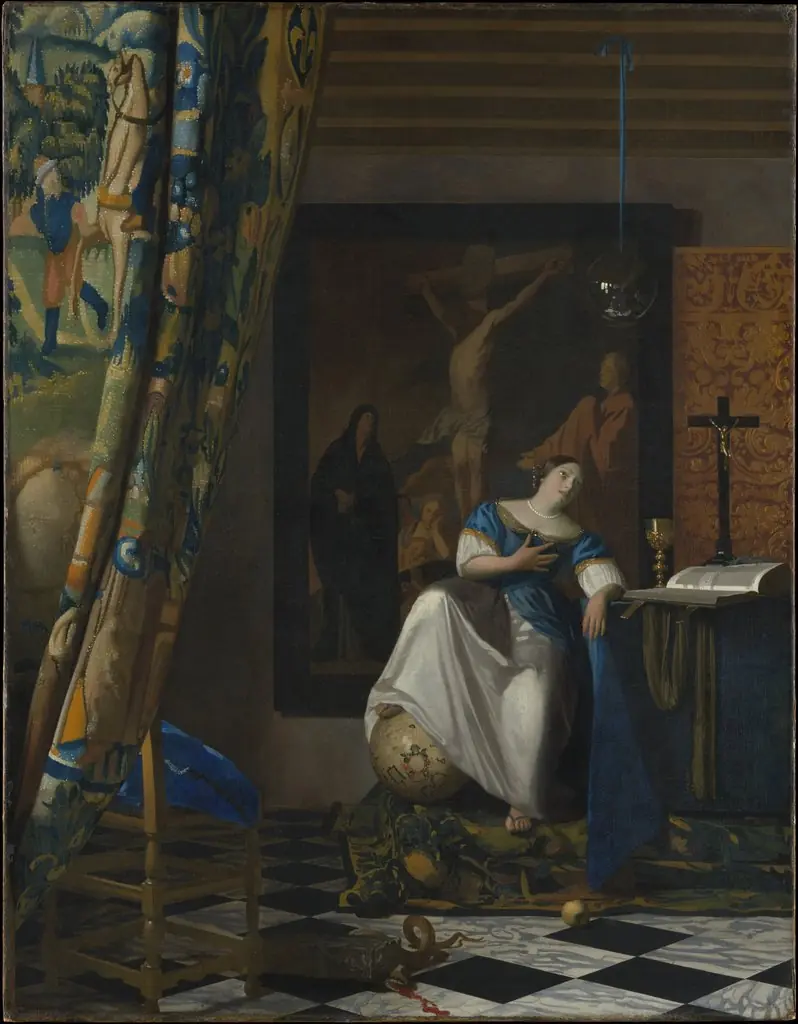 Allegory of the Catholic Faith
Plan your visit
Metropolitan Museum of Art
- Website
- www.metmuseum.org