Art Museum
Museo del Prado

Image: Wikimedia Commons.
Museo del Prado is an art museum in Madrid, Spain. 942 works from its collection are in this catalog, including Titian and Paolo Veronese.
About Museo del Prado
Overview
The Museo Nacional del Prado, located in Madrid, Spain, is widely recognized as housing the world's richest and most comprehensive collection of Spanish painting. In addition to its unparalleled holdings of Spanish masters, the museum possesses significant masterpieces from other European schools, particularly Italian and Flemish art. Founded in 1819 as the Royal Museum of Paintings and Sculptures, it evolved from the private royal collections of the Spanish monarchy into a public institution. Today, it stands as one of the most visited art museums globally, serving as a primary repository for the artistic legacy of the Habsburg and Bourbon dynasties.
History & Founding
The institution was officially opened to the public in November 1819 by King Ferdinand VII, encouraged by his wife Queen Maria Isabel de Braganza. Although the building was originally commissioned by King Charles III in 1785 to house the Natural History Cabinet, Ferdinand VII repurposed it to display the royal art collections. The first catalogue, published in 1819, listed 311 paintings, though the museum actually held over 1,510 pictures from various royal residences at the time. The collection's nucleus was formed by the exceptional art patronage of Spanish monarchs starting in the 16th century, which continued to grow through the Habsburg and Bourbon eras.
The Building & Architecture
The museum is housed in a Neoclassical building designed by the architect Juan de Villanueva in 1785. Construction was interrupted by the Napoleonic Wars but was completed under Ferdinand VII. The original structure was designed with a specific layout to accommodate a natural history museum, featuring a central hall and side wings. Over the centuries, the building has undergone significant modifications and expansions. In the 20th century, short pavilions were added to the rear, and in 2007, a major extension designed by Pritzker Prize-winning architect Rafael Moneo was completed, adding over 22,000 square meters of space to the institution.
Collection Highlights & Notable Holdings
The Prado's collection is anchored by the royal holdings of the Habsburg and Bourbon monarchs. Key figures include Charles V and Philip II, who were major patrons of the Venetian artist Titian, and Philip IV, who commissioned his court painter Diego Velázquez to acquire Italian works. The museum holds the world's finest collection of works by Velázquez, including his masterpiece 'Las Meninas,' and a vast array of paintings by Francisco Goya, including the 'Black Paintings' donated by Baron Emile d'Erlanger in 1881. Other major highlights include Hieronymus Bosch's 'The Garden of Earthly Delights' and significant works by El Greco and Rubens.
Significance & Scope
The museum is distinguished by its depth in Spanish art, but it also holds one of the most important collections of Italian and Flemish painting outside of Italy and Flanders. The collection currently comprises approximately 7,600 paintings, 8,200 drawings, 4,800 prints, and 1,000 sculptures, alongside numerous other works of art and historic documents. While the museum displays about 1,300 works in its main buildings, thousands more are in storage or on temporary loan. The institution's significance lies in its ability to present the evolution of European art through the lens of the Spanish royal taste, which favored specific schools and artists over centuries.
Modern Expansion & Management
In the 21st century, the Prado has modernized its legal and statutory framework to improve management and self-financing capabilities, with changes approved in 2003 and 2004. The museum has also undertaken ambitious architectural projects, including the Rafael Moneo extension completed in 2007, which created new galleries and a glass-roofed foyer for shops and cafeterias. Future renovations are planned by British architect Norman Foster, approved in 2020, to further enhance the facility. The museum continues to expand its holdings through purchases, bequests, and donations, ensuring its status as a dynamic cultural center.
What to see at Museo del Prado
Start with The Contemporary Poets. A Reading of Zorrilla in the Artist's Studio by Antonio María Esquivel.
Works from Museo del Prado
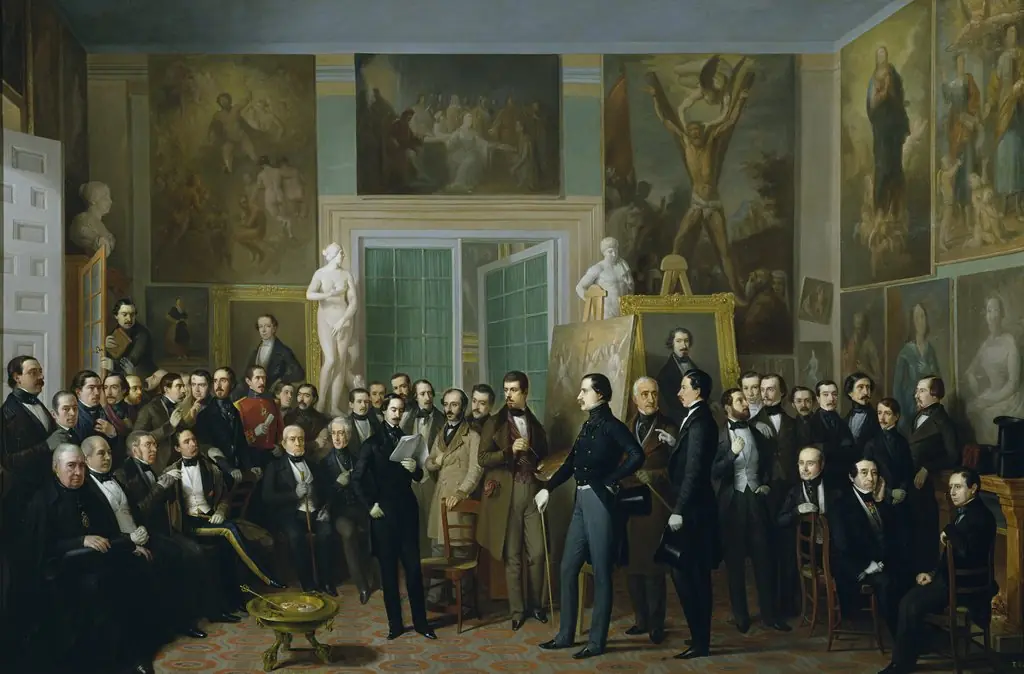 The Contemporary Poets. A Reading of Zorrilla in the Artist's Studio
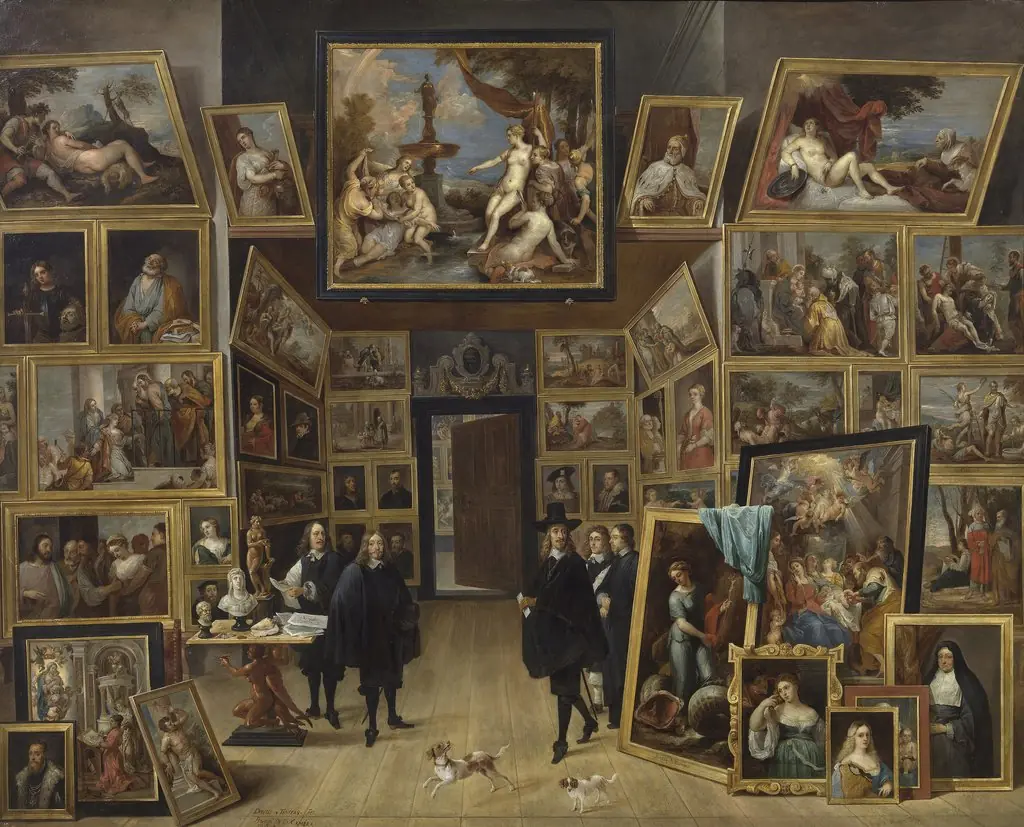 Archduke Leopold Wilhelm in his Gallery
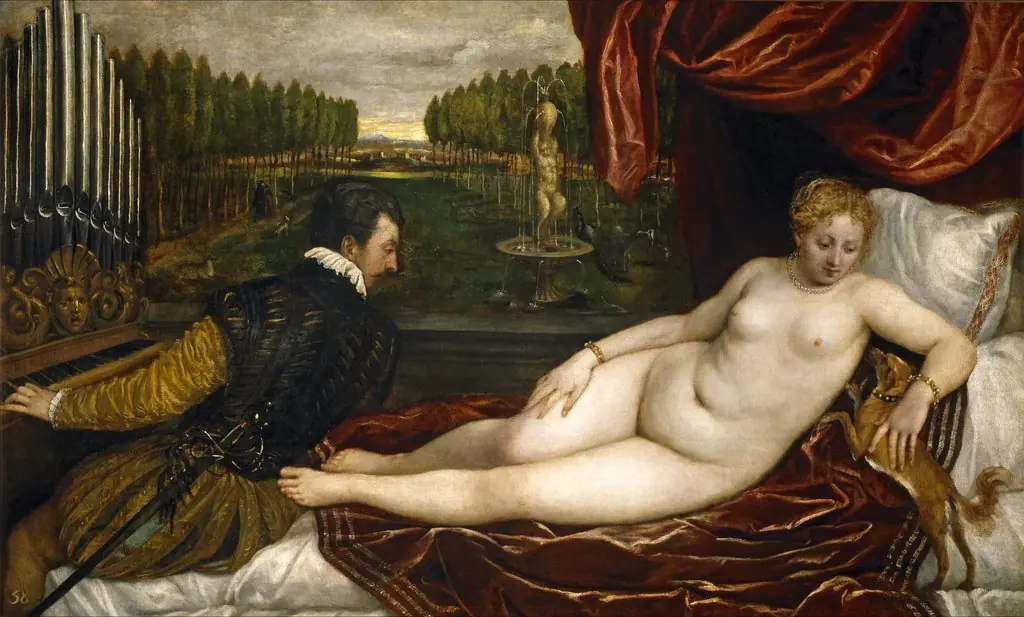 Venus and Music
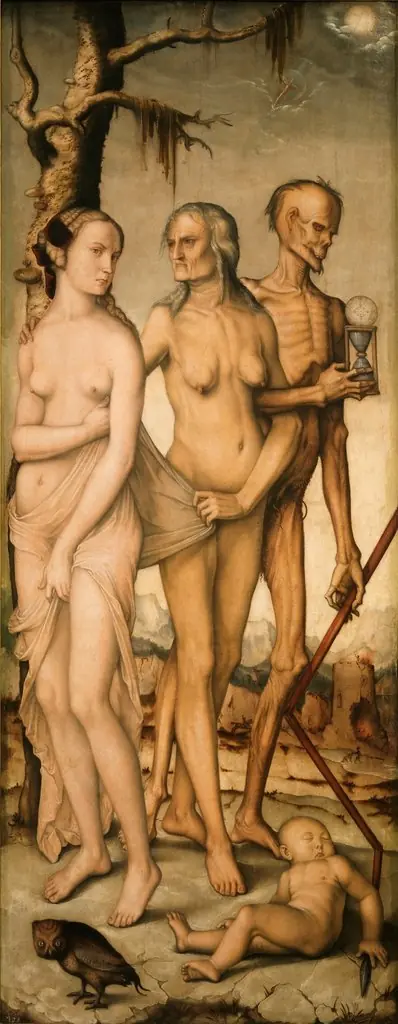 The Ages and Death
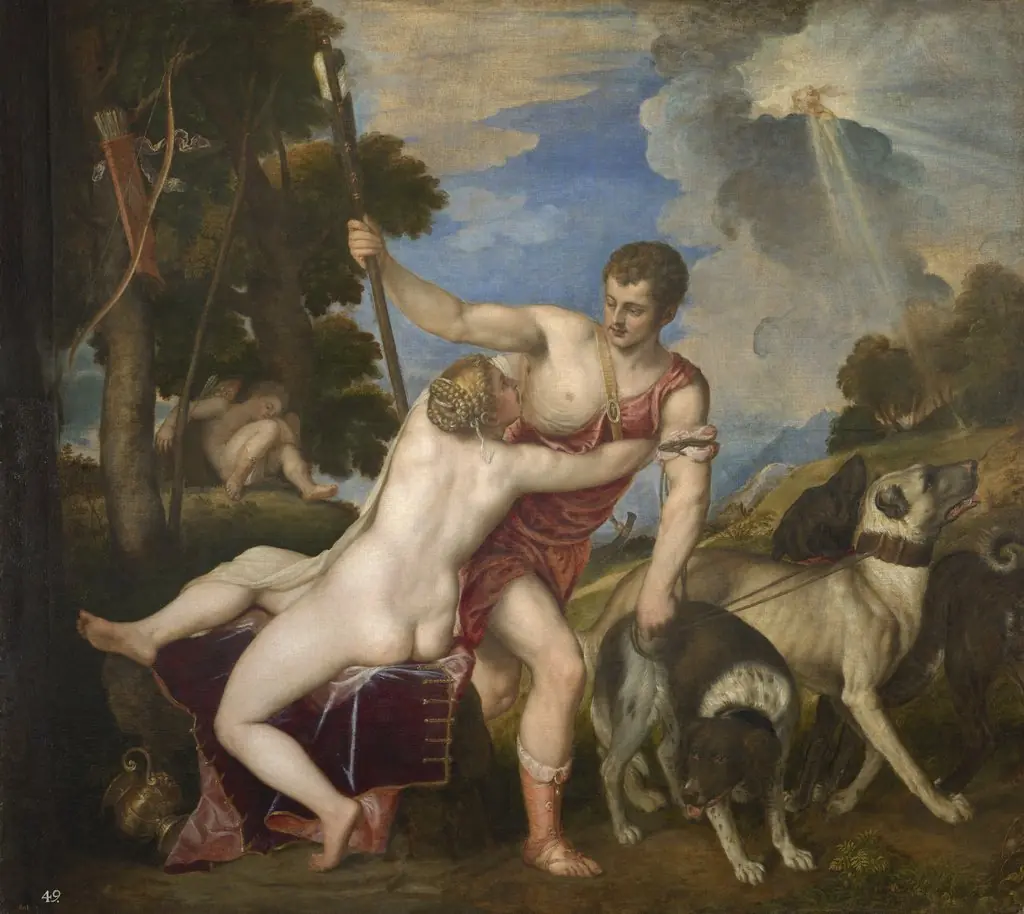 Venus and Adonis
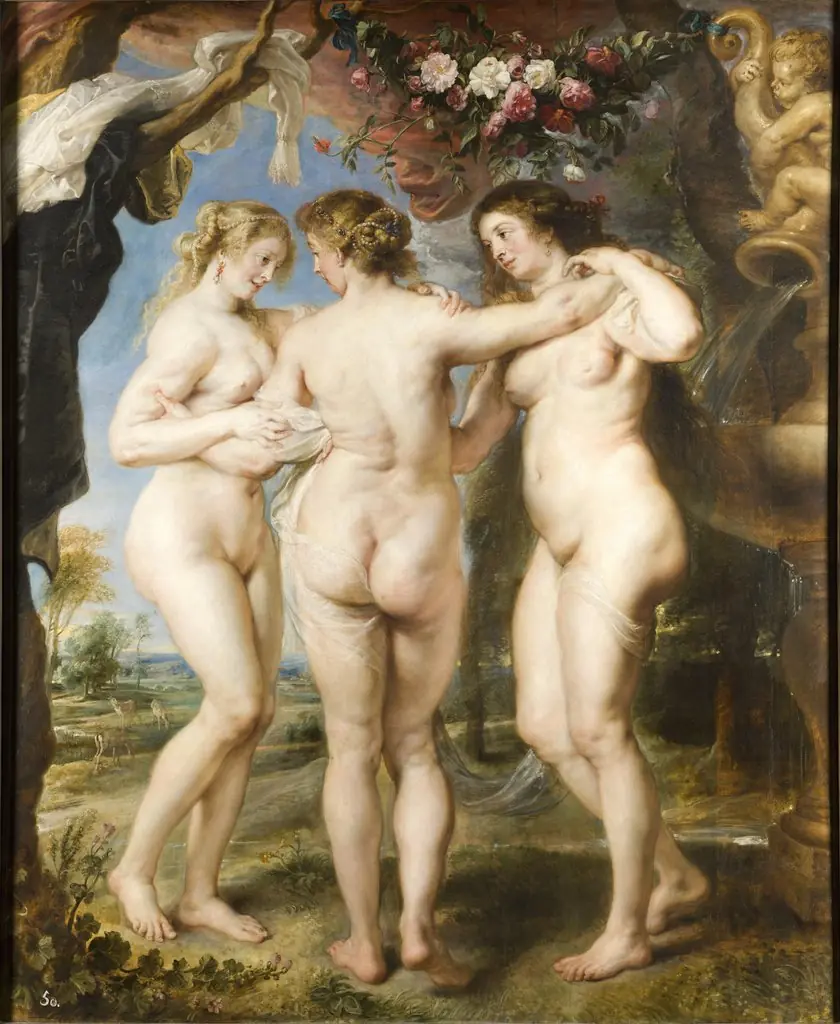 The Three Graces
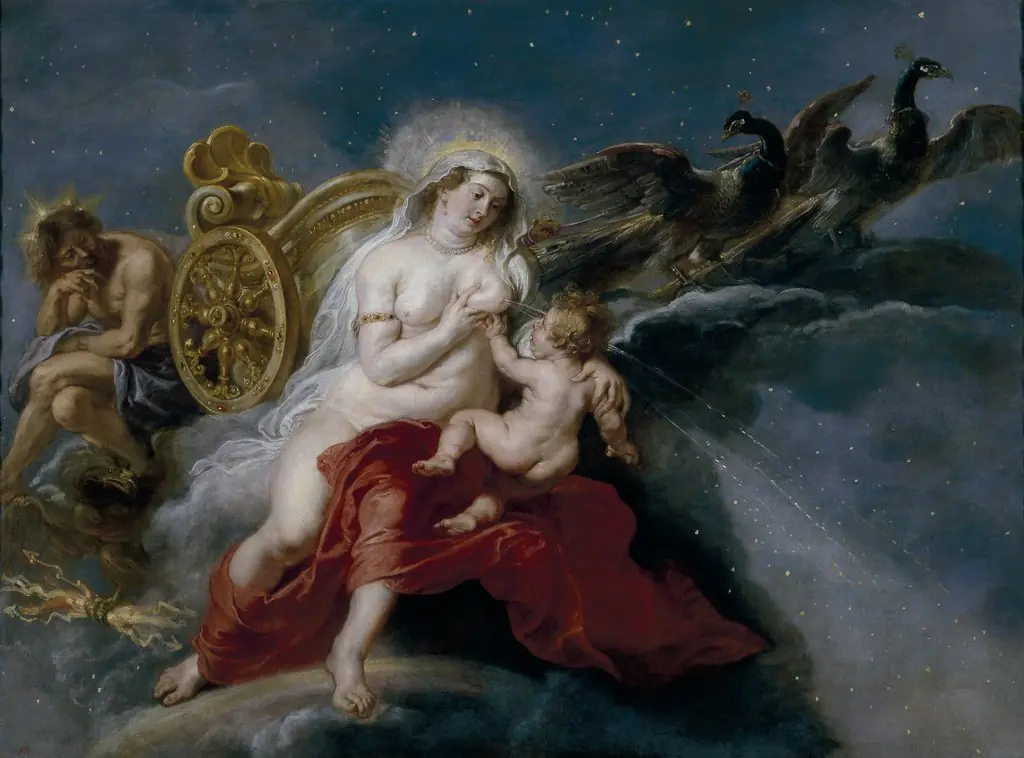 The Origin of the Milky Way
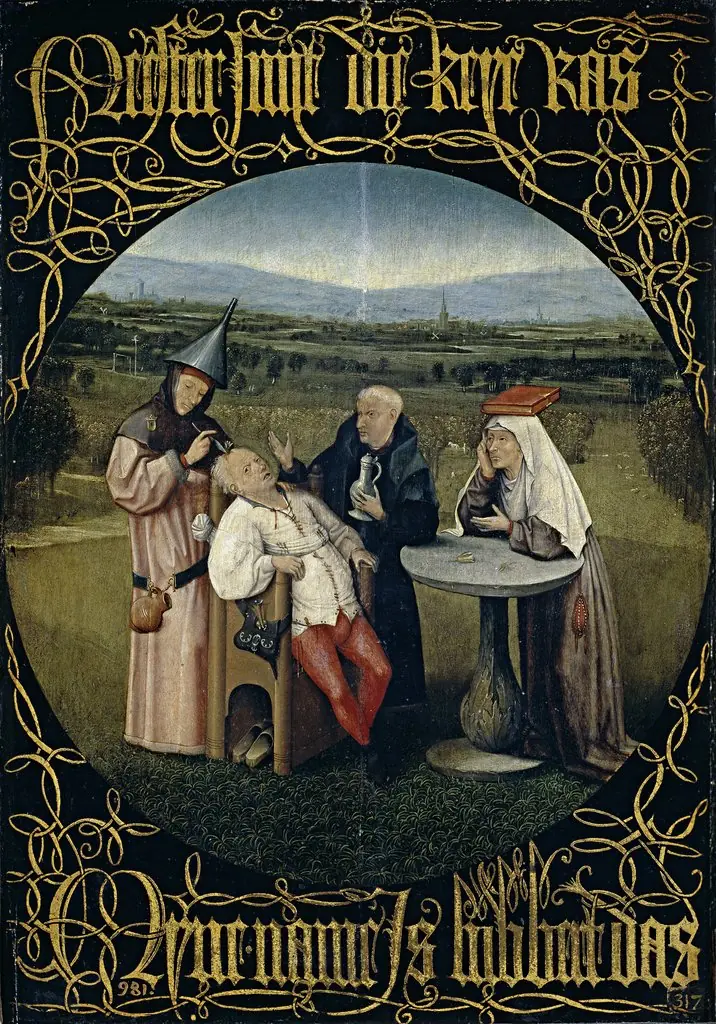 Cutting the Stone
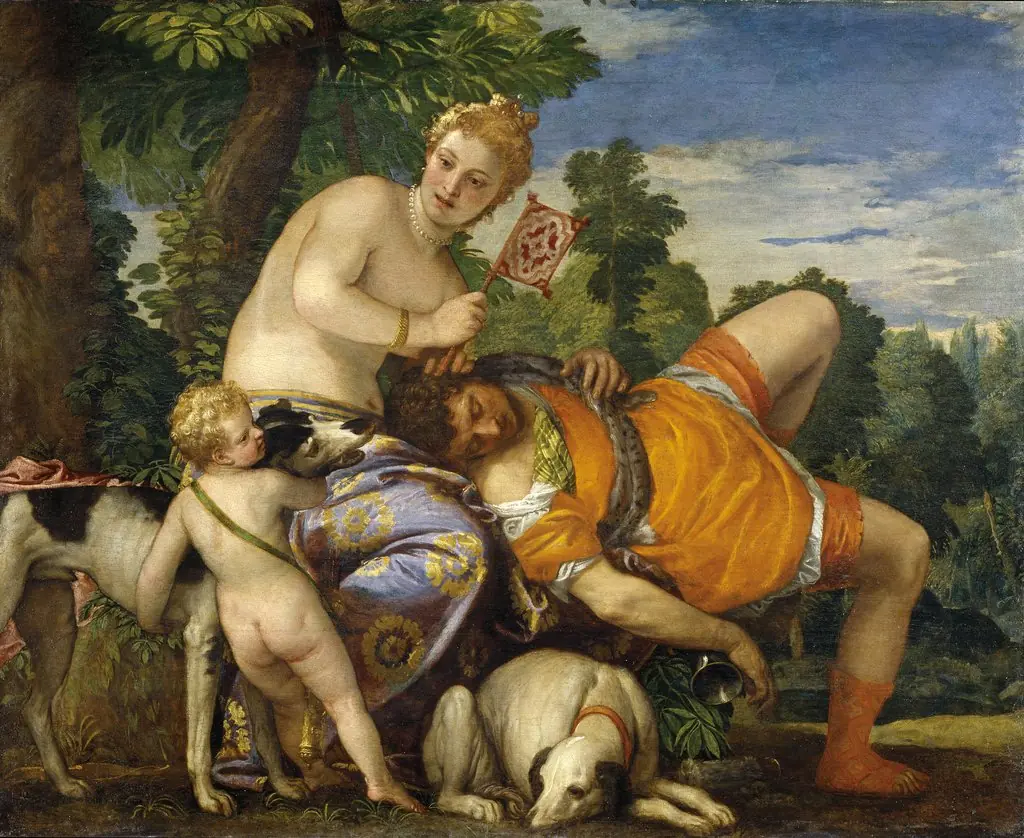 Venus and Adonis
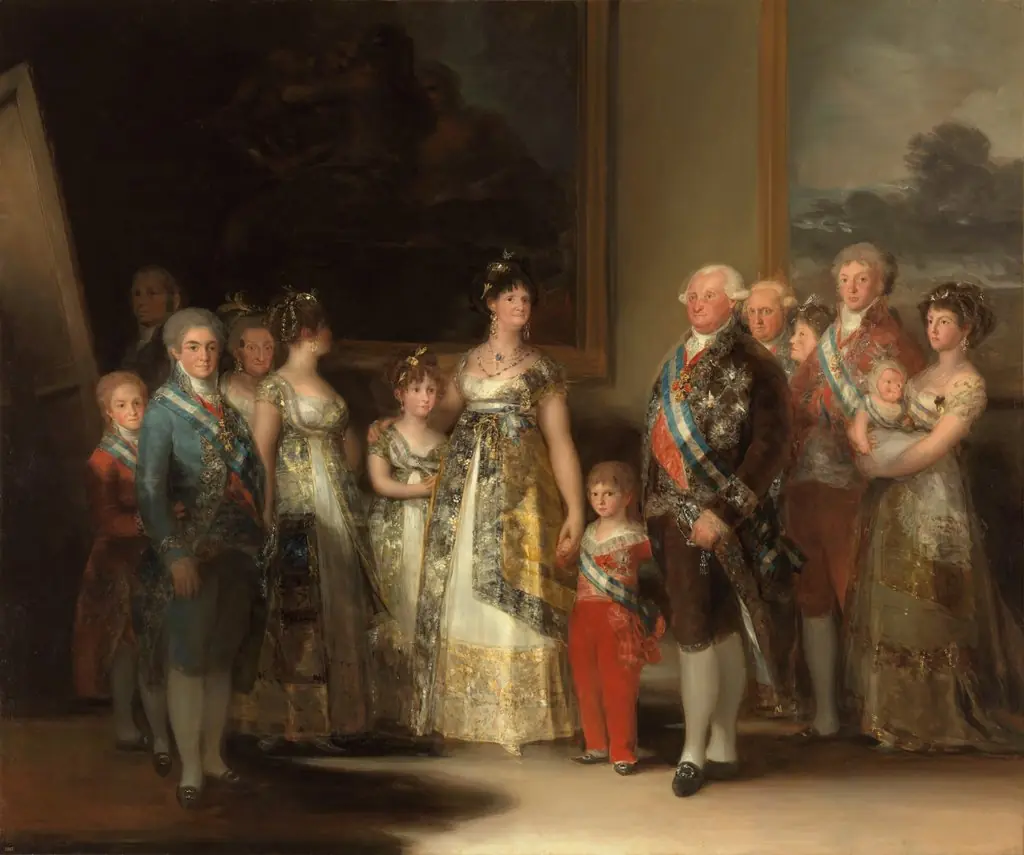 Charles IV of Spain and His Family
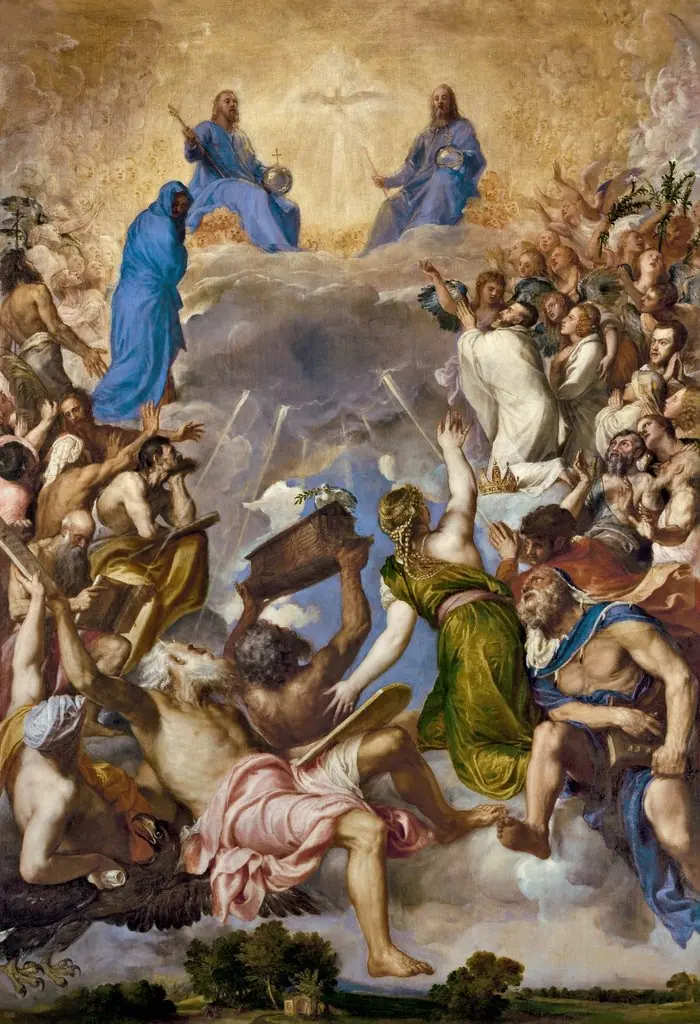 La Gloria
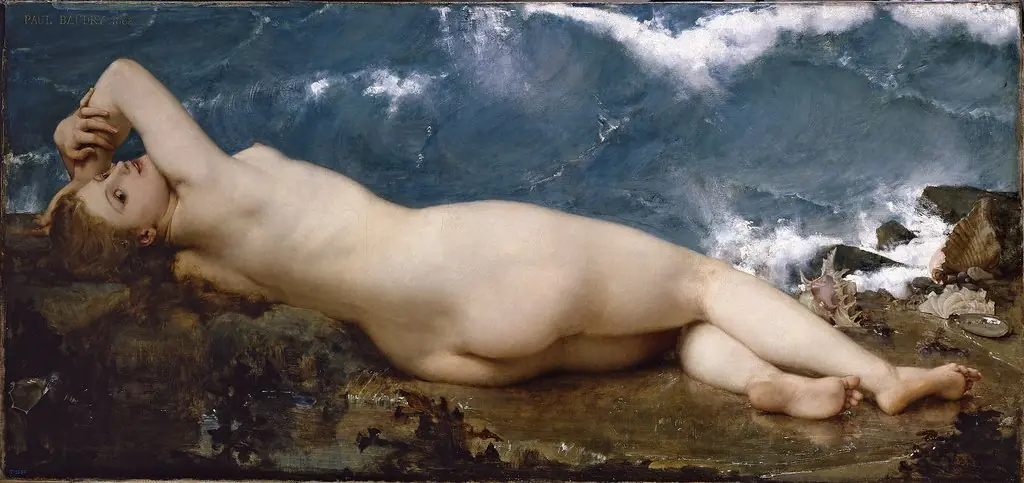 The Pearl and the Wave
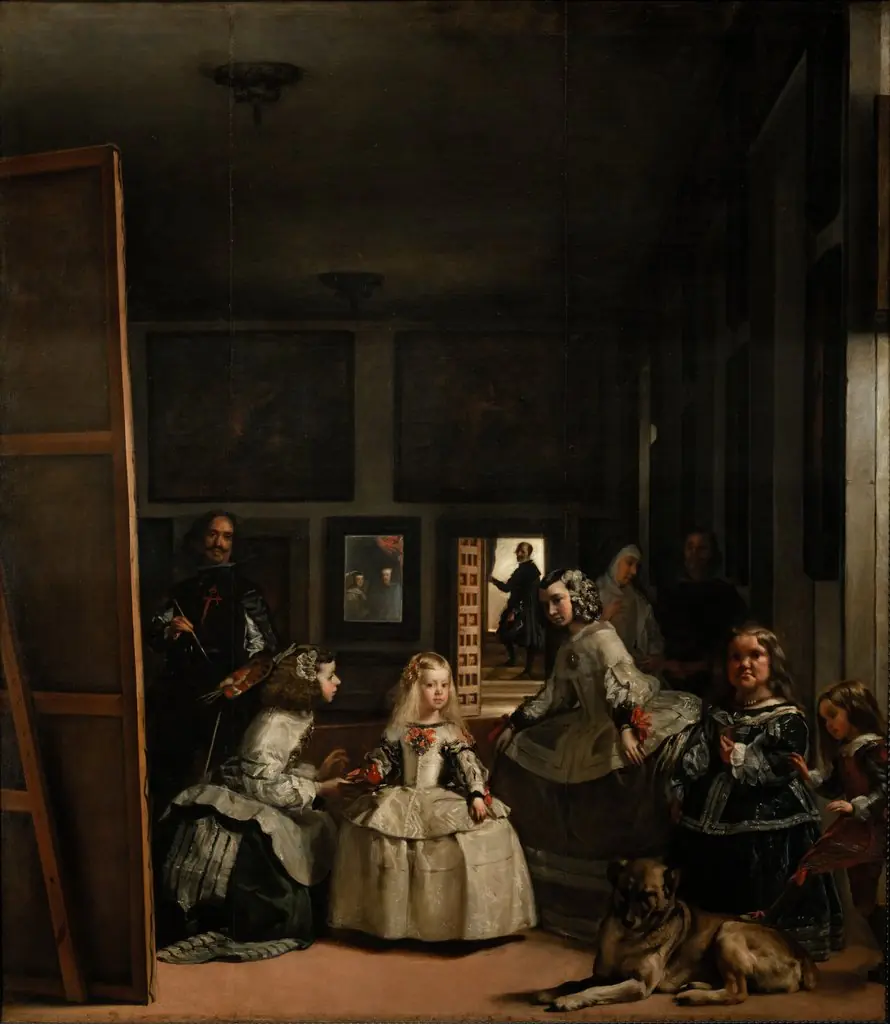 Las Meninas
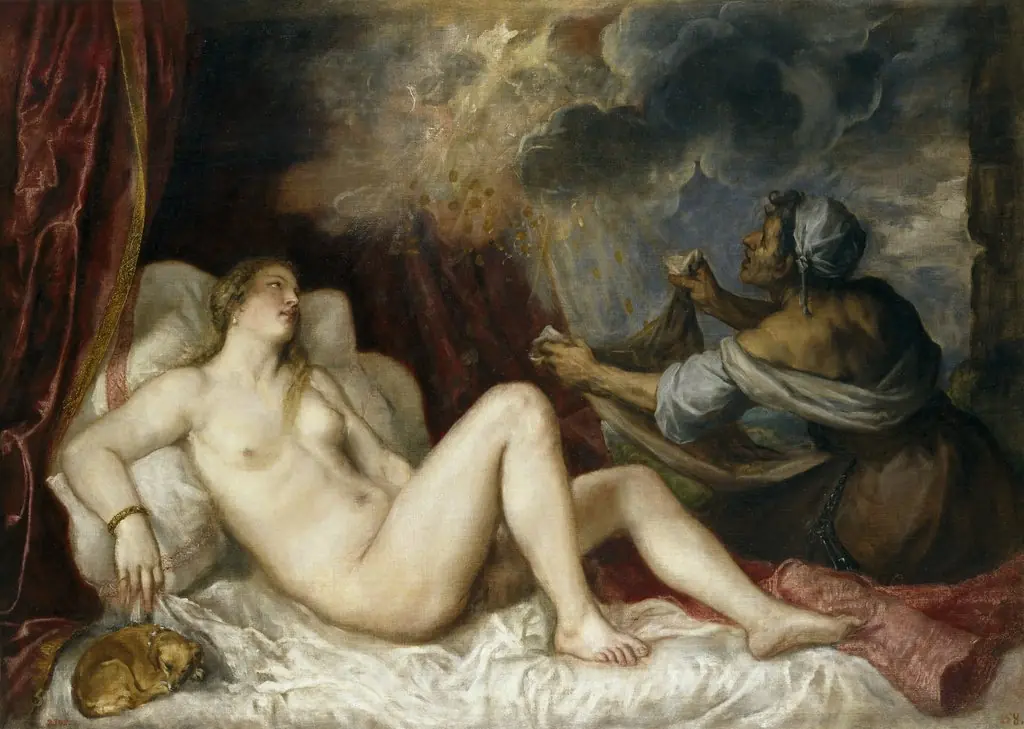 Danaë
Danaë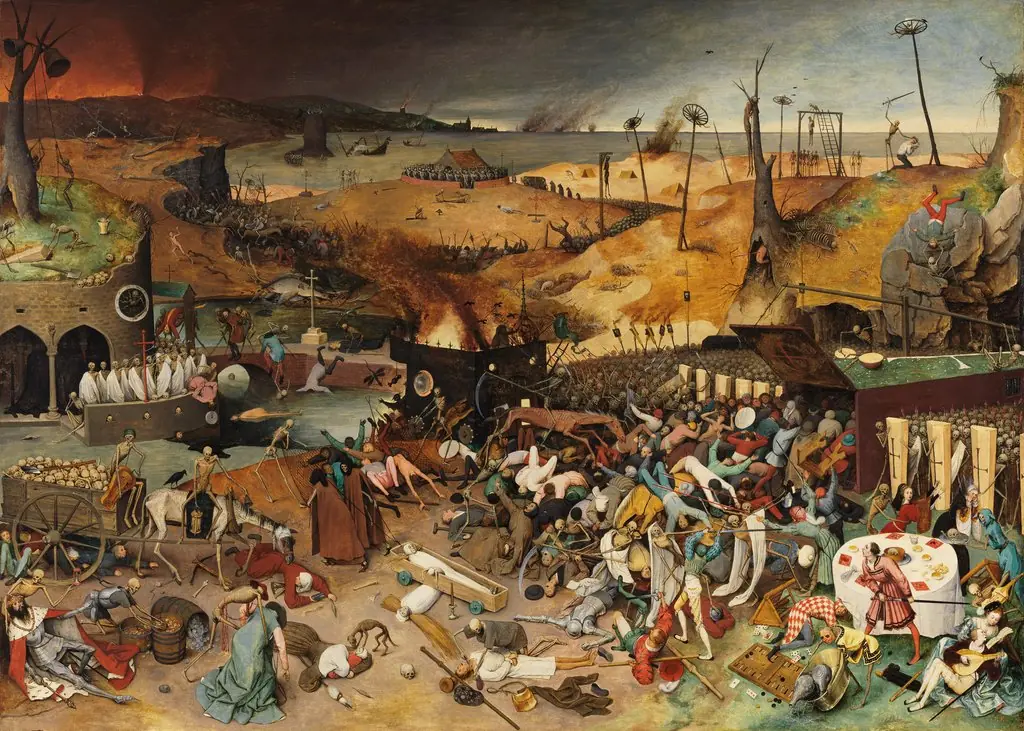 The Triumph of Death
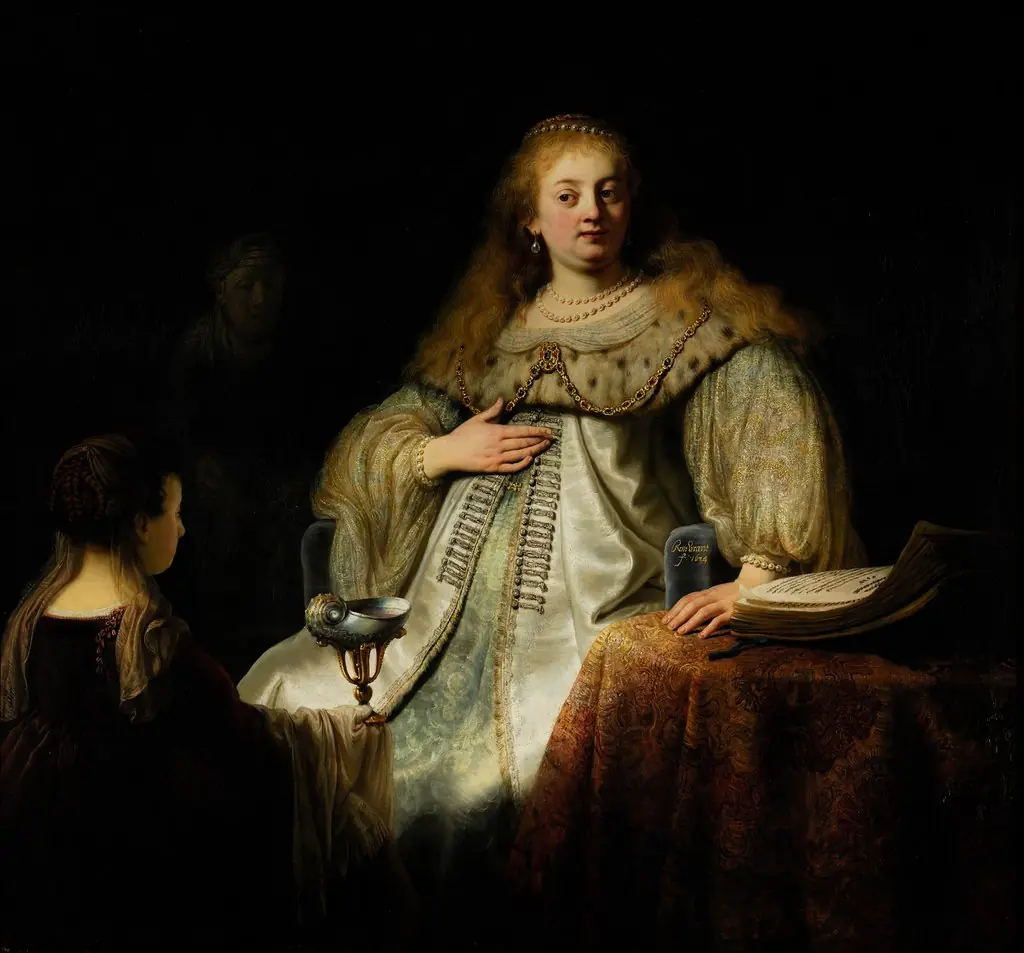 Judith at the Banquet of Holofernes
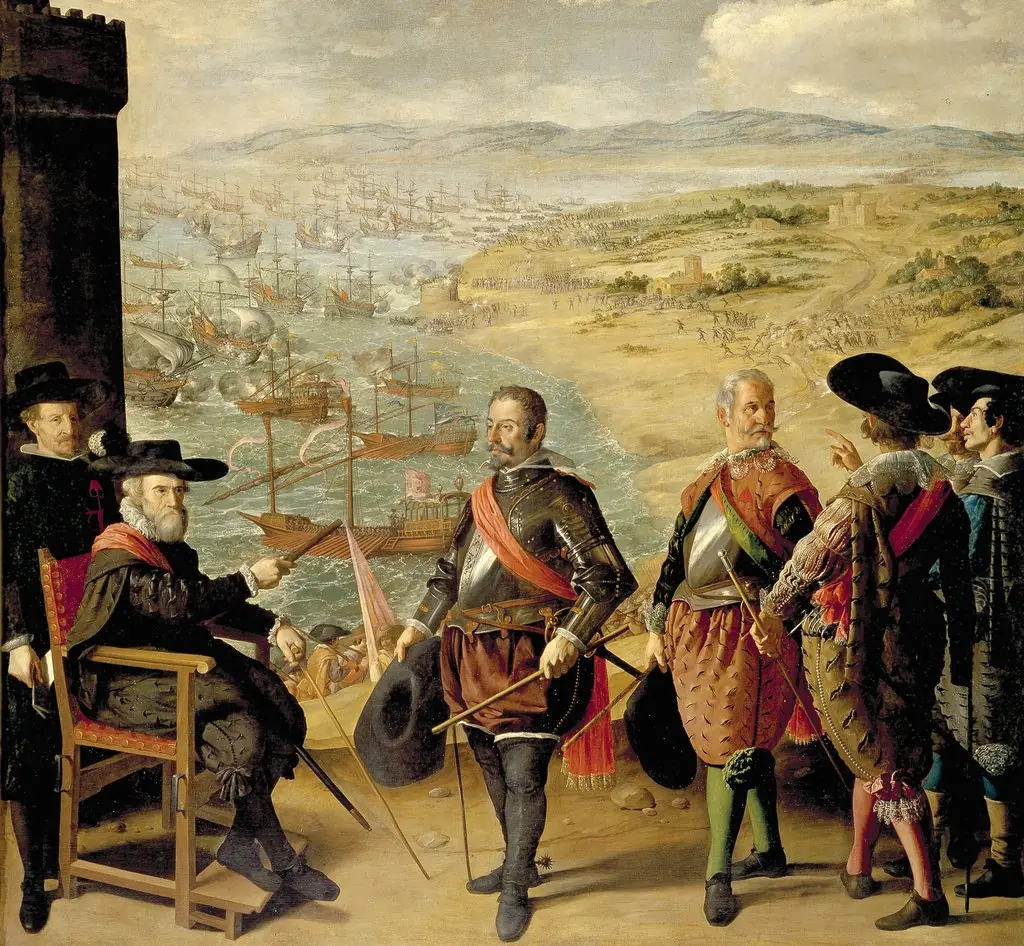 The Defense of Cadiz Against the English
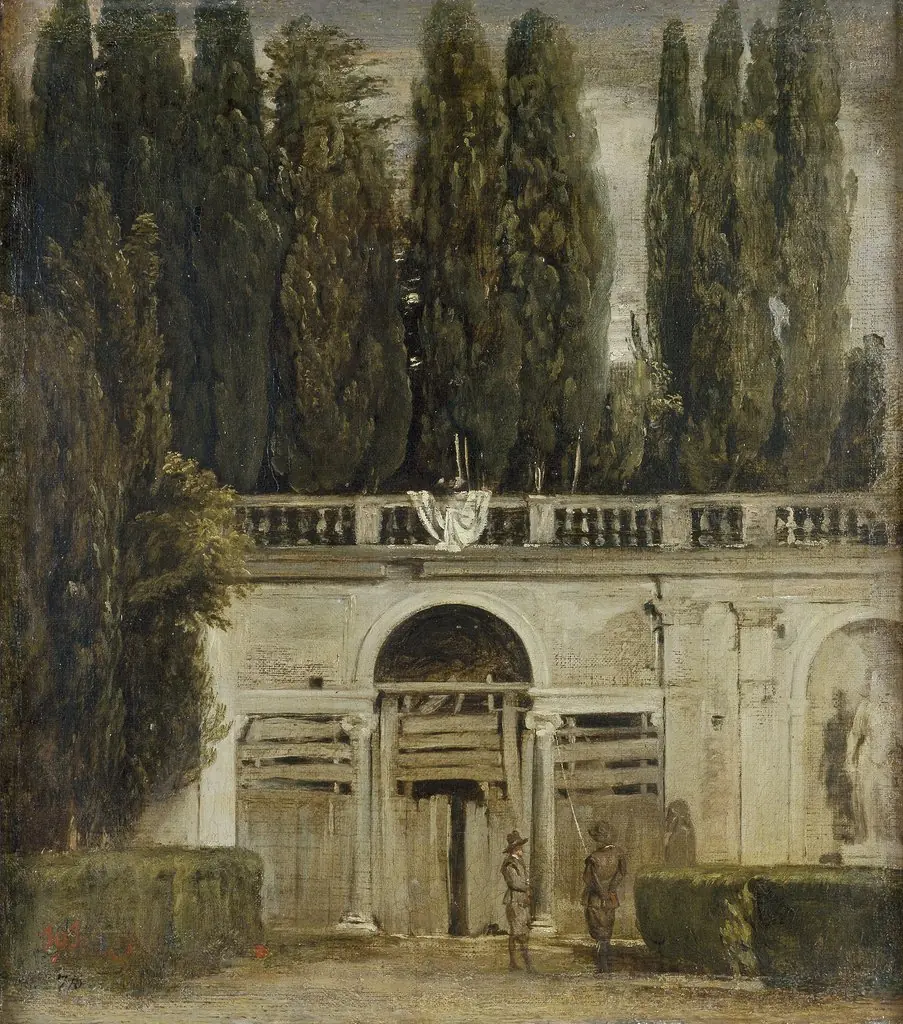 View of the Garden of the Villa Medici
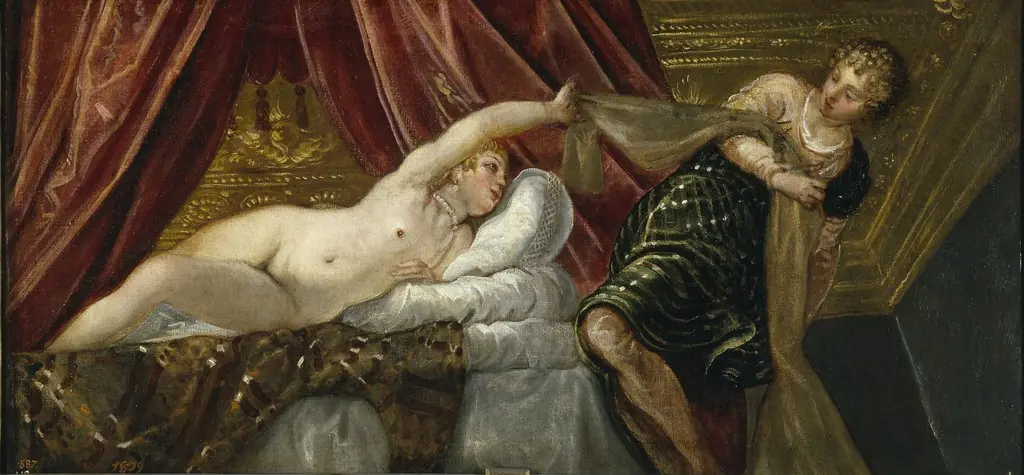 Joseph and Potiphar's Wife
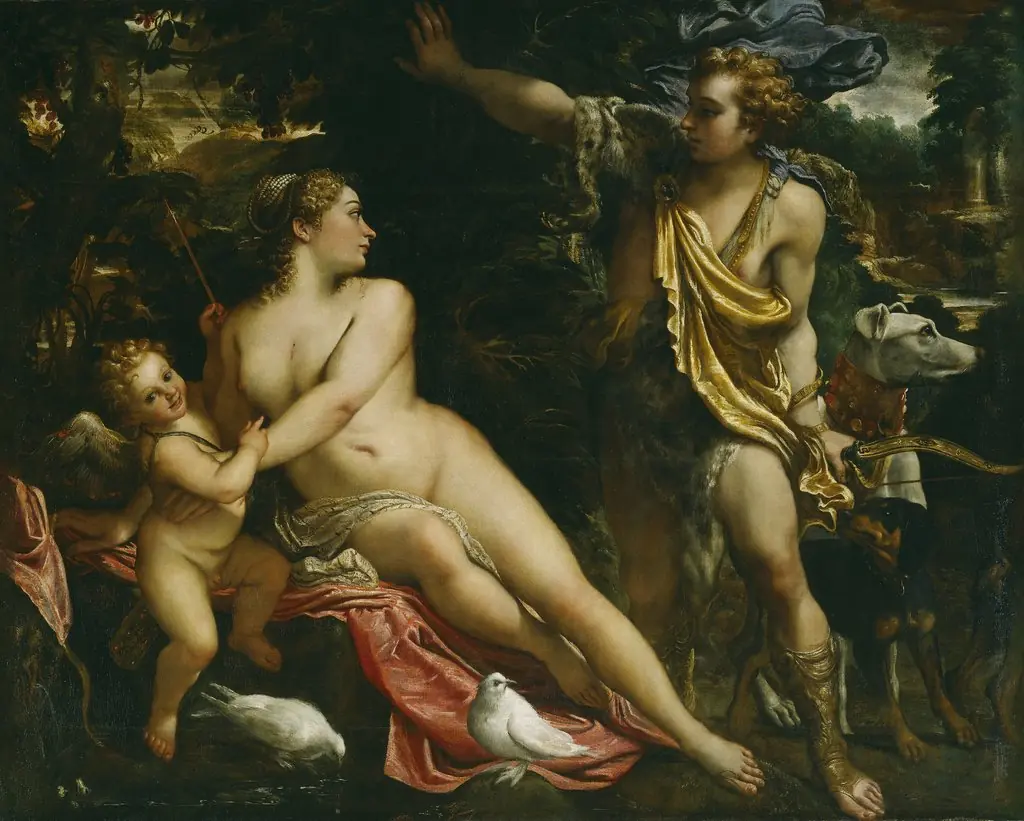 Venus, Adonis and Cupid
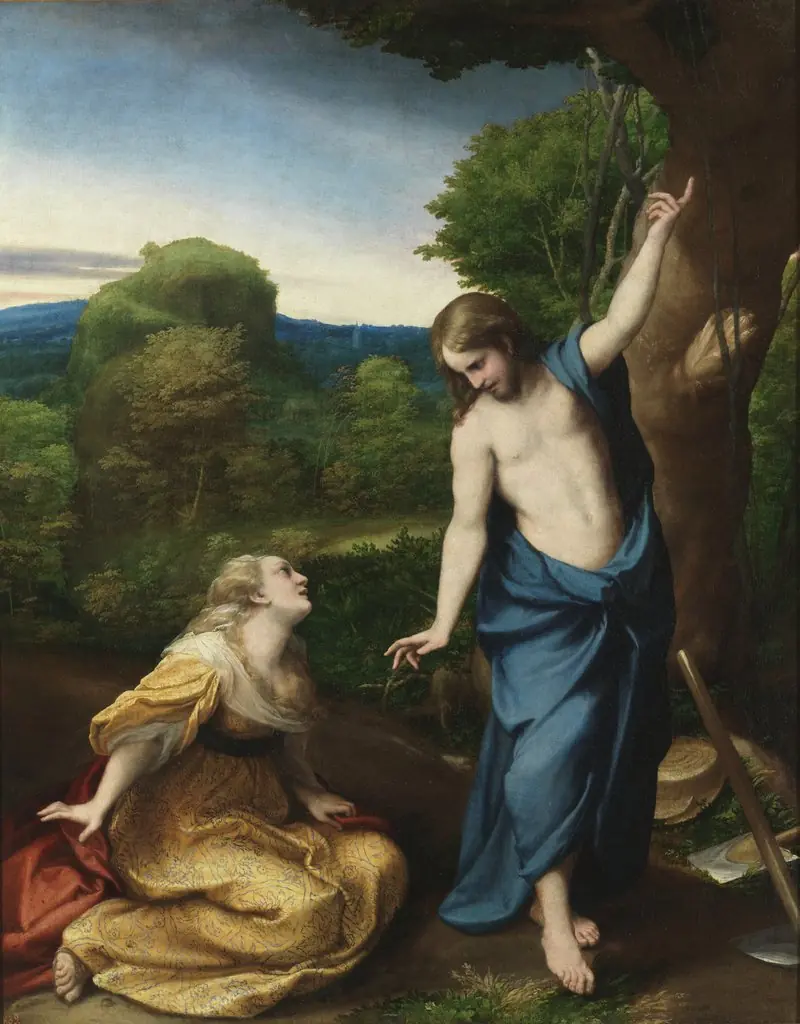 Noli me tangere
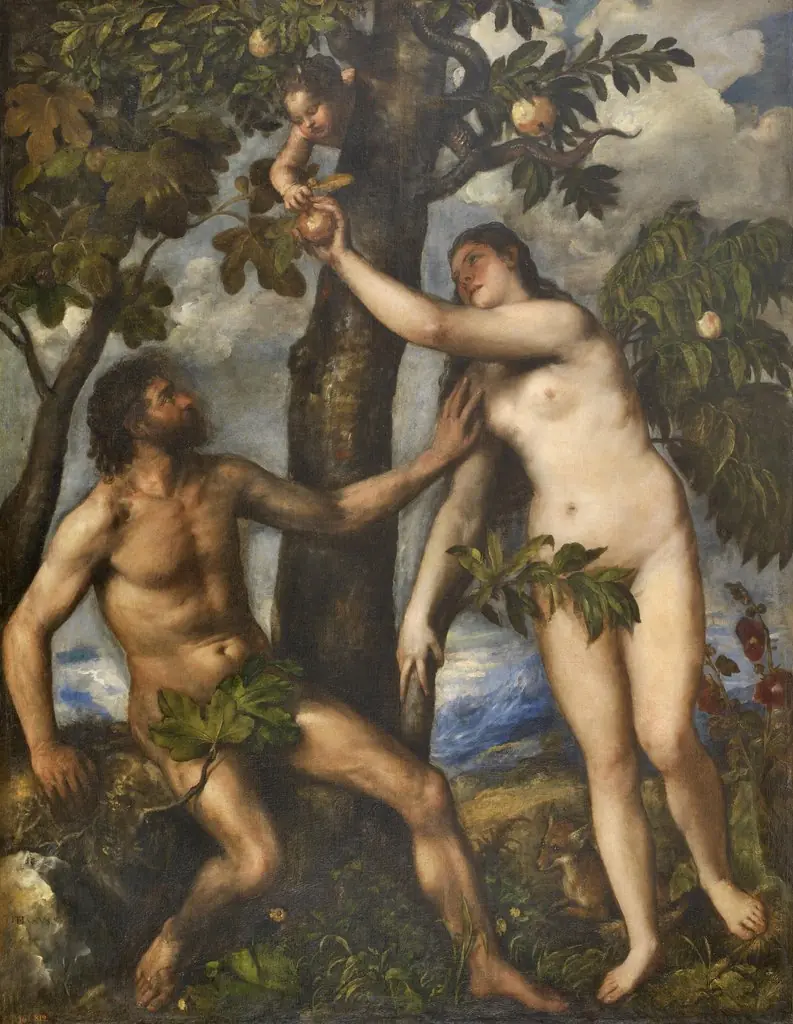 The Fall of Man
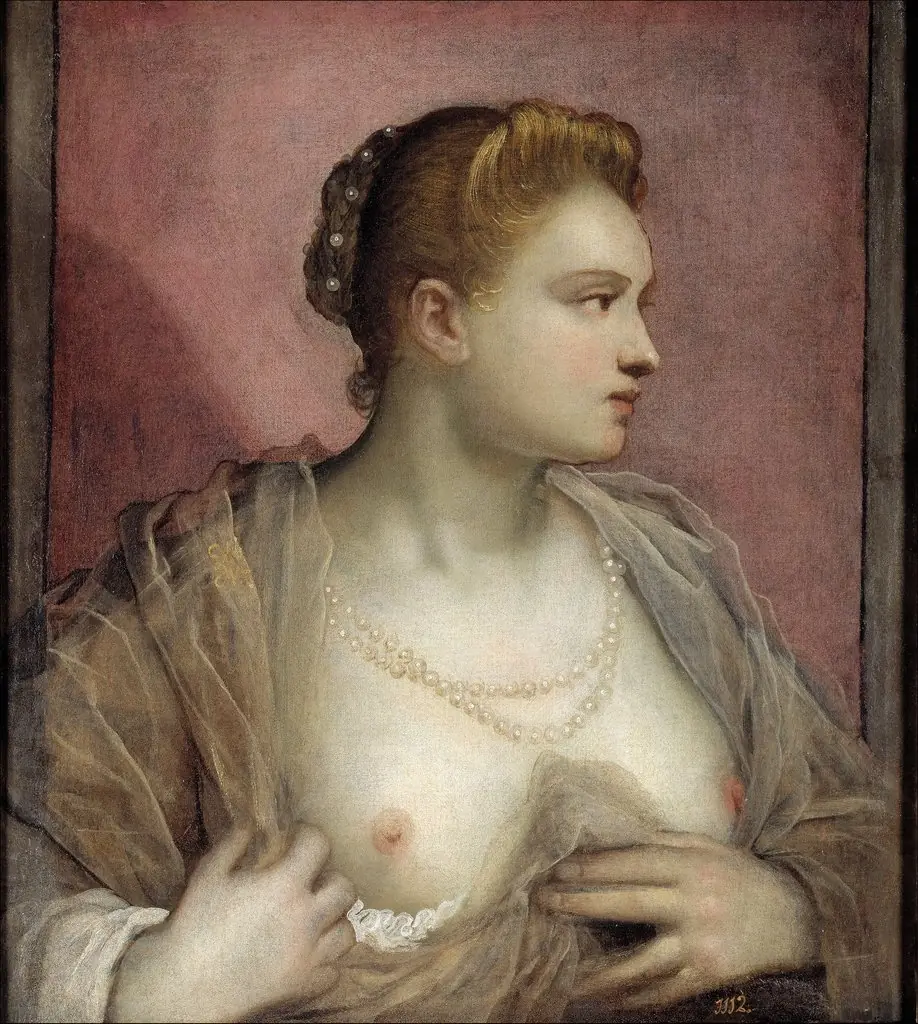 Portrait of a Bare-Breasted Woman
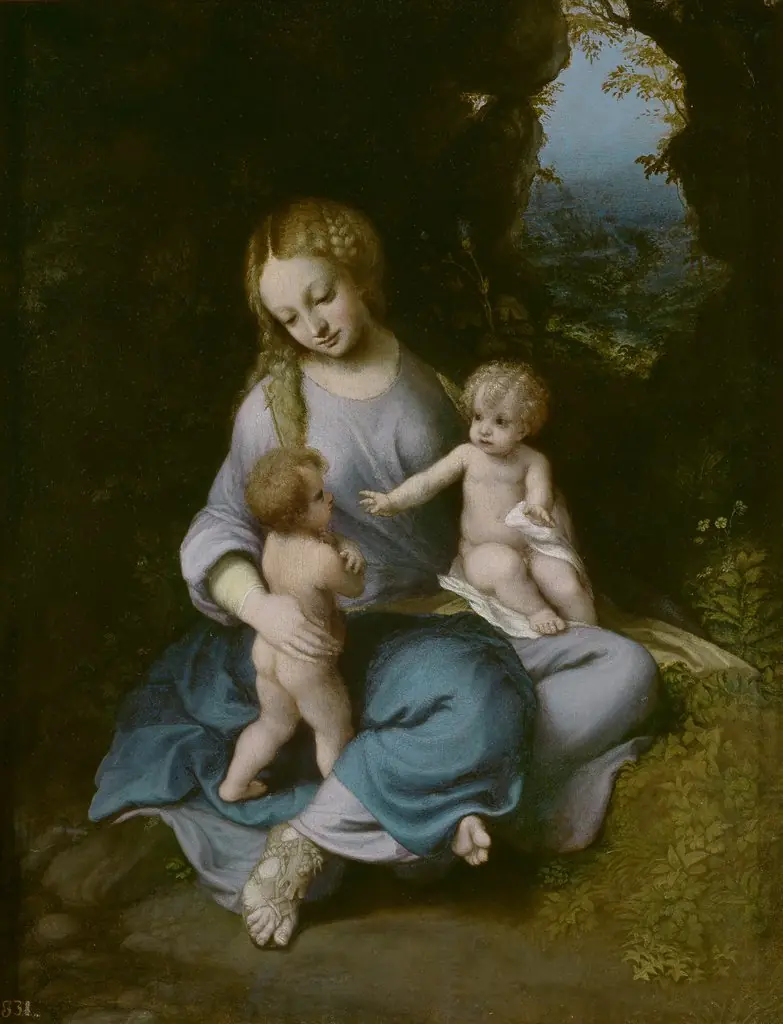 Madonna and Child with the Young Saint John
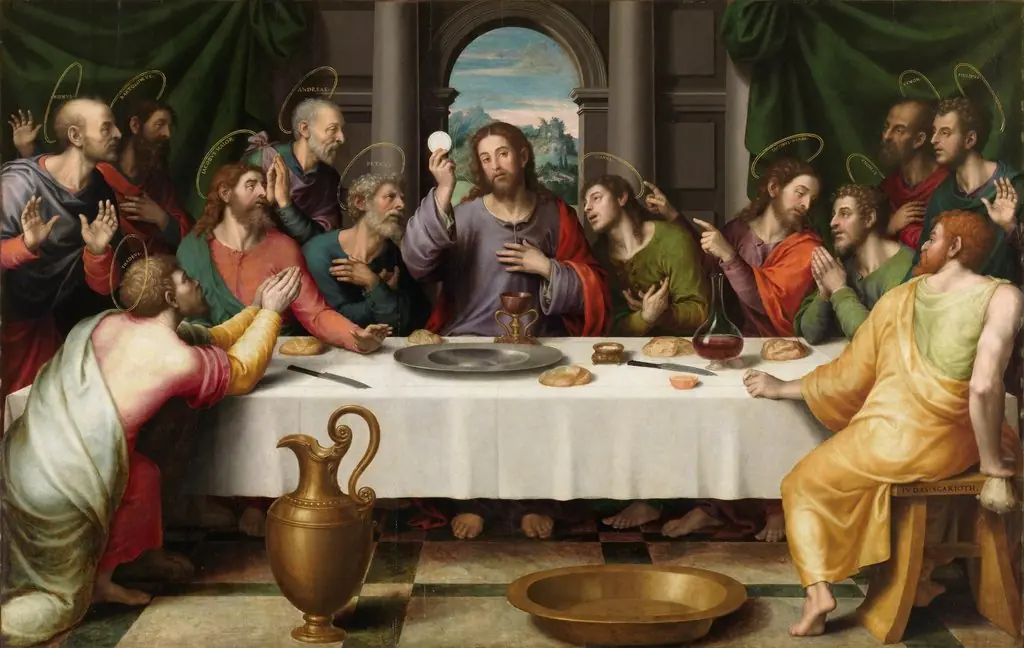 The Last Supper
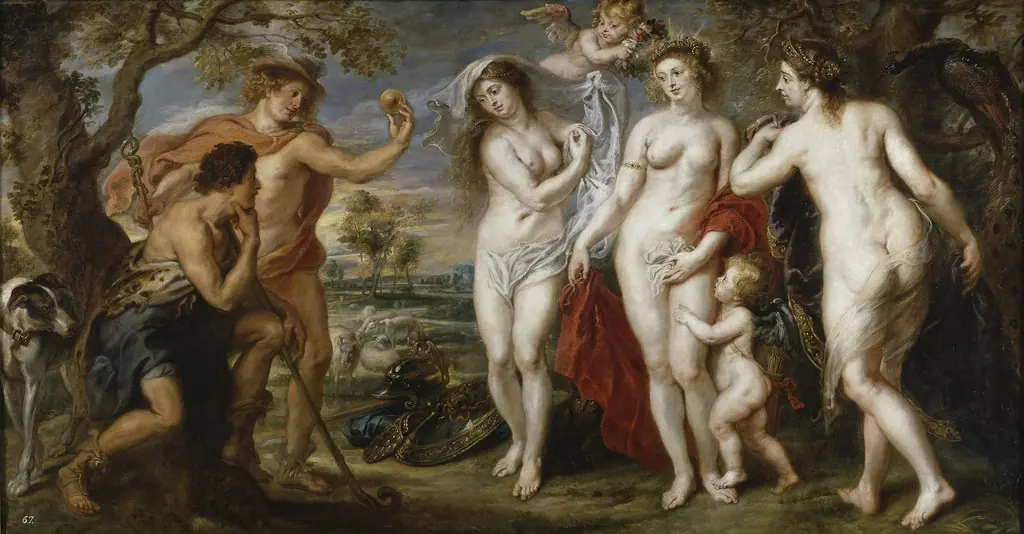 The Judgement of Paris
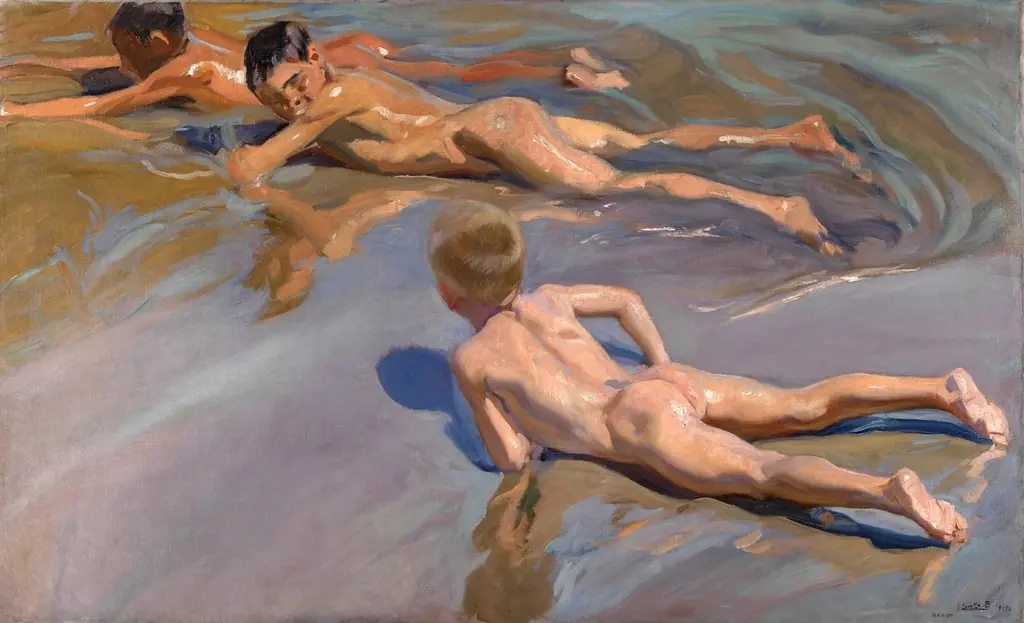 Chicos en la playa
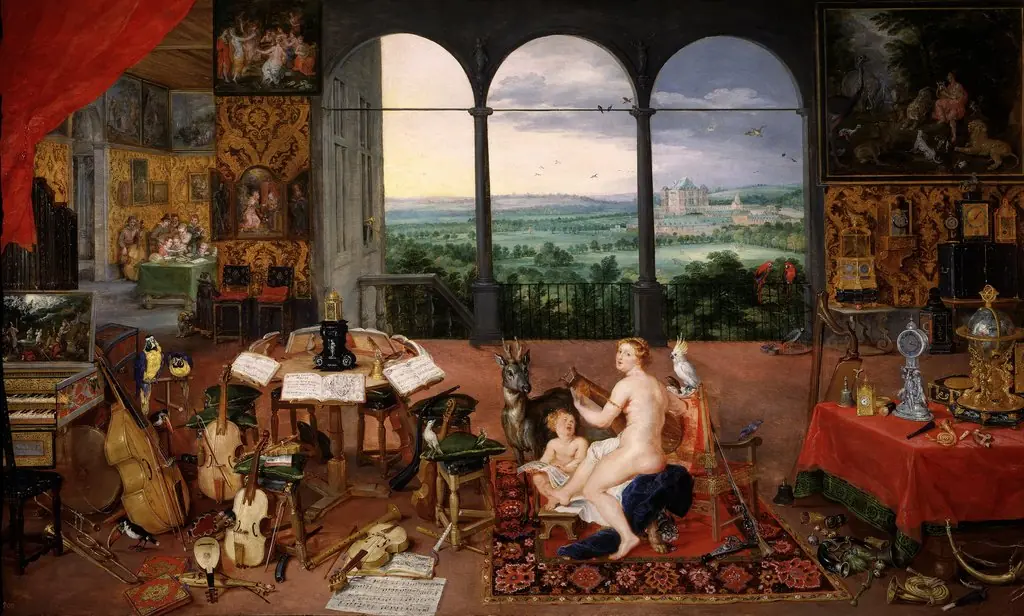 Hearing
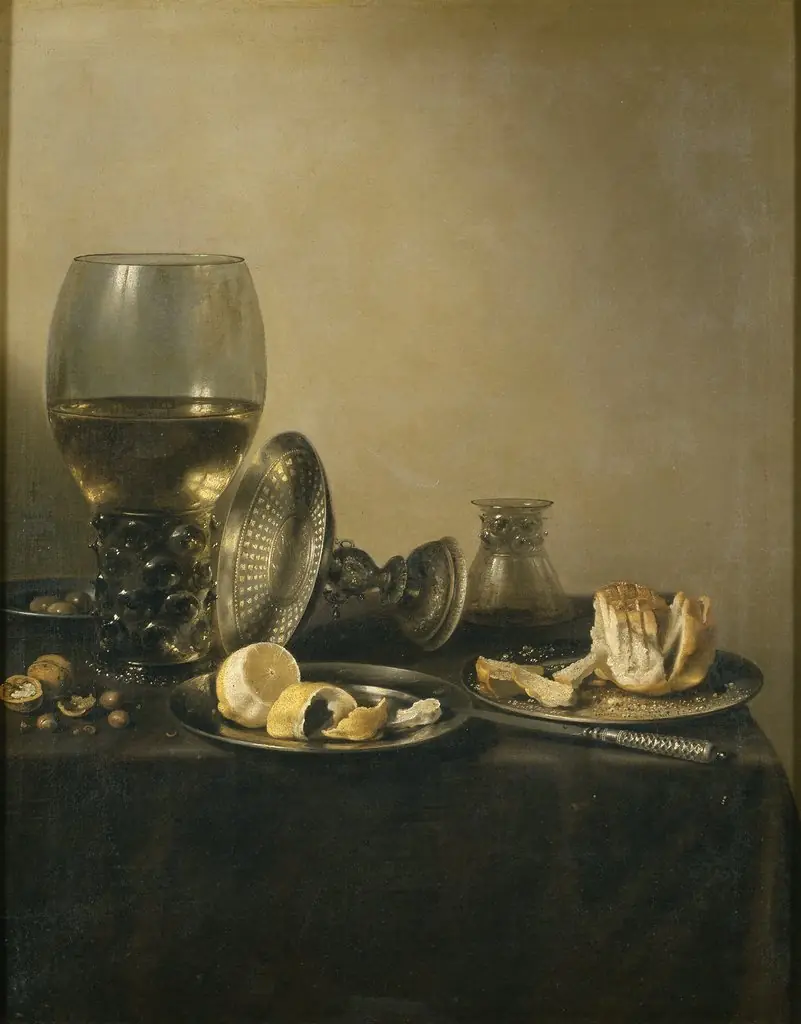 Still Life
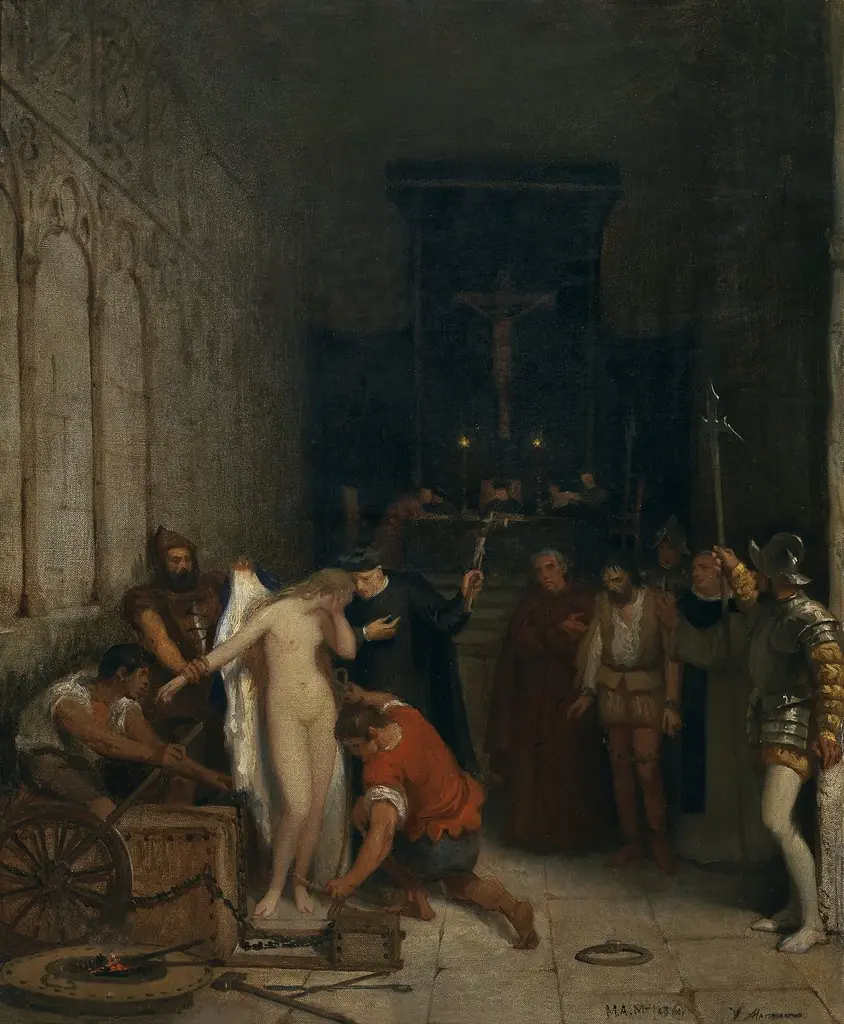 Una escena de la Inquisición
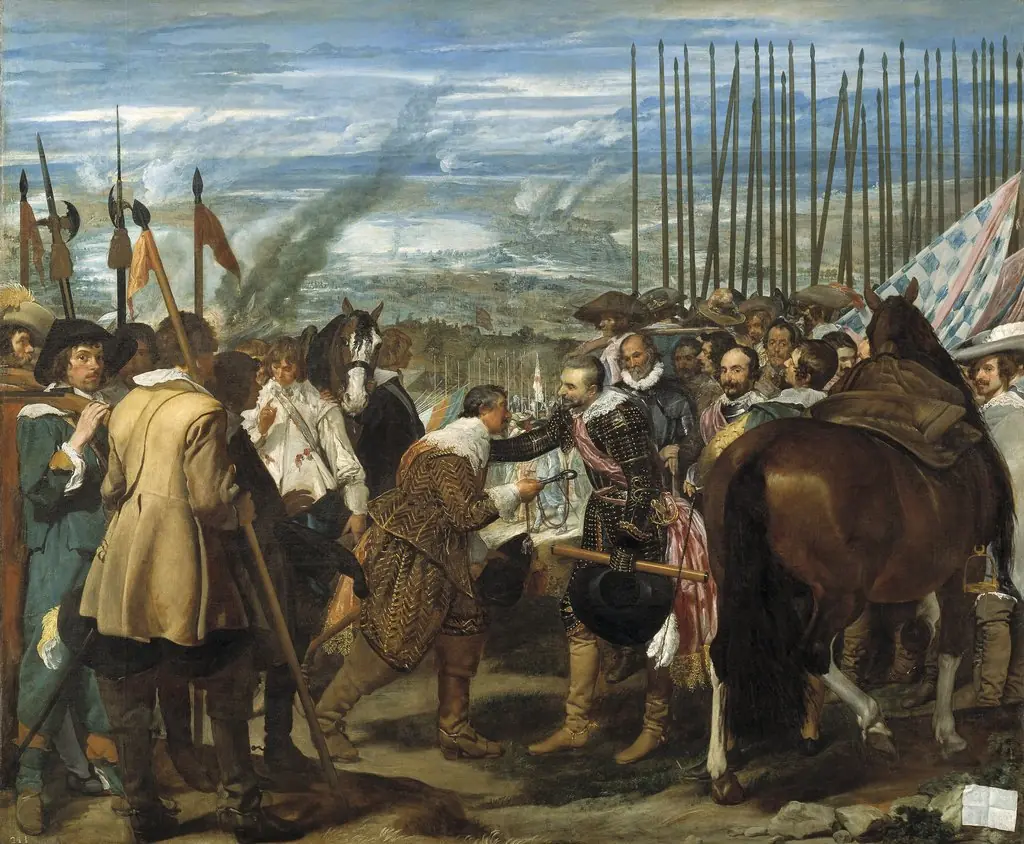 The Surrender of Brea
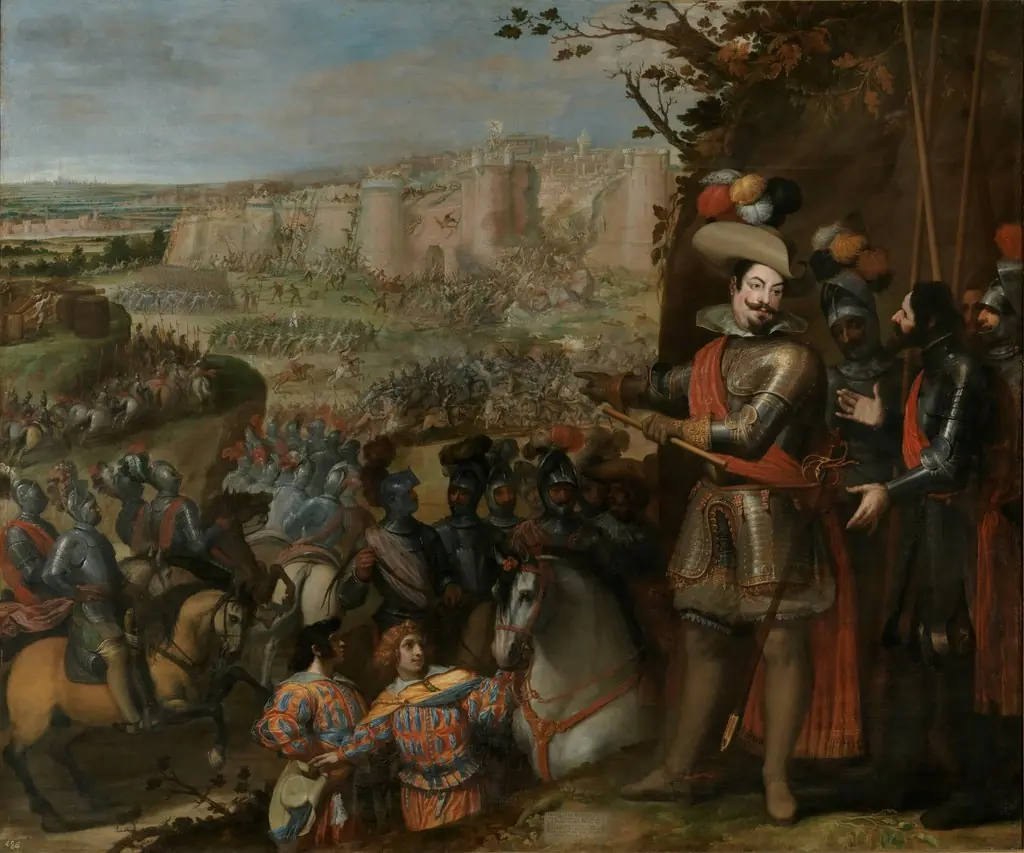 The Storming of Rheinfelden
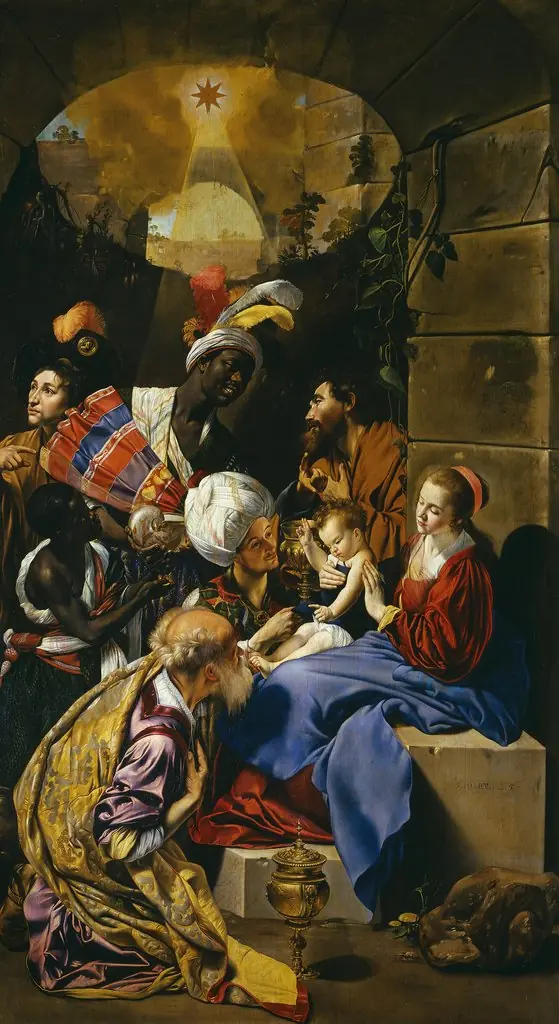 The Adoration of the Magi
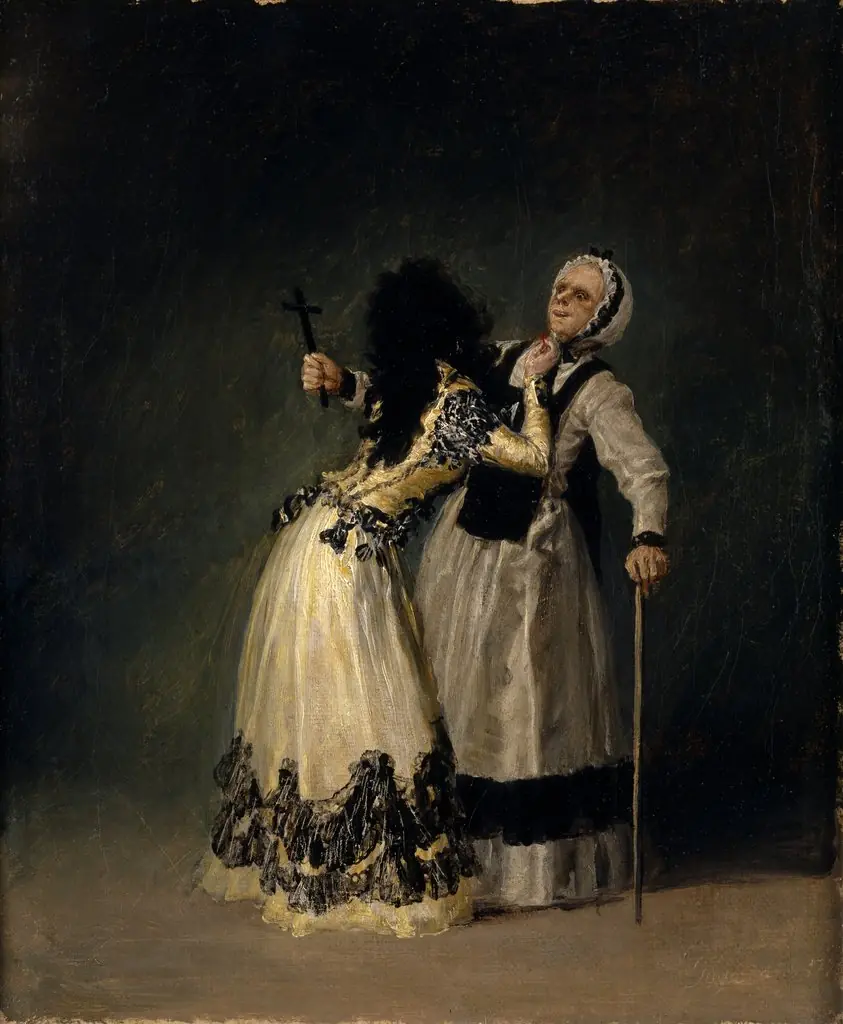 The Duchess of Alba and la Beata
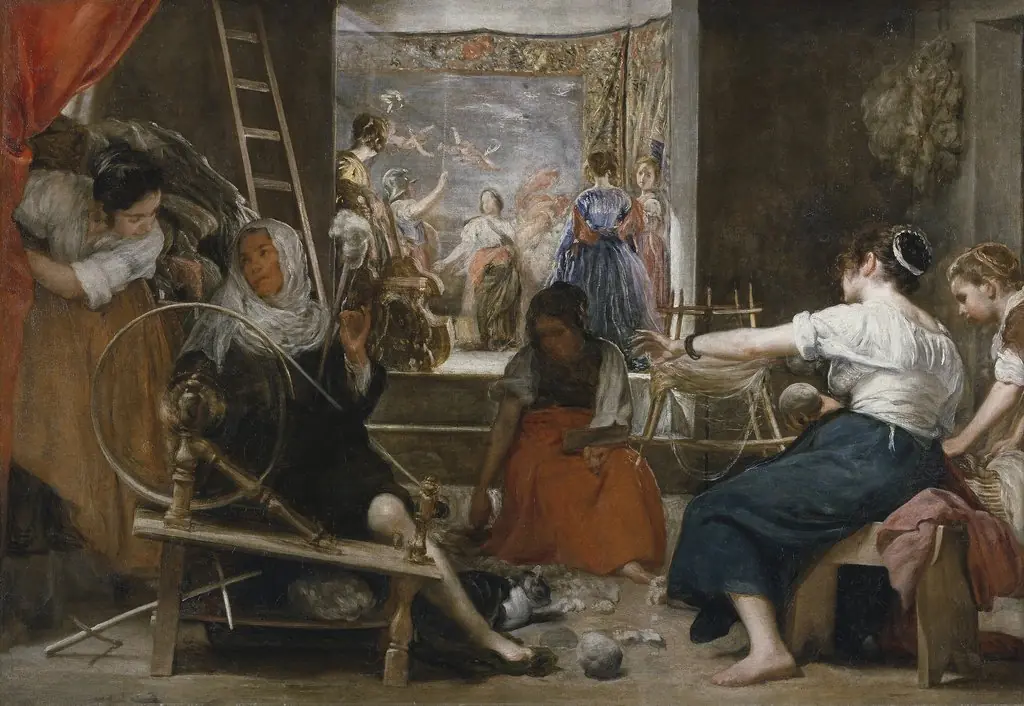 Las Hilanderas
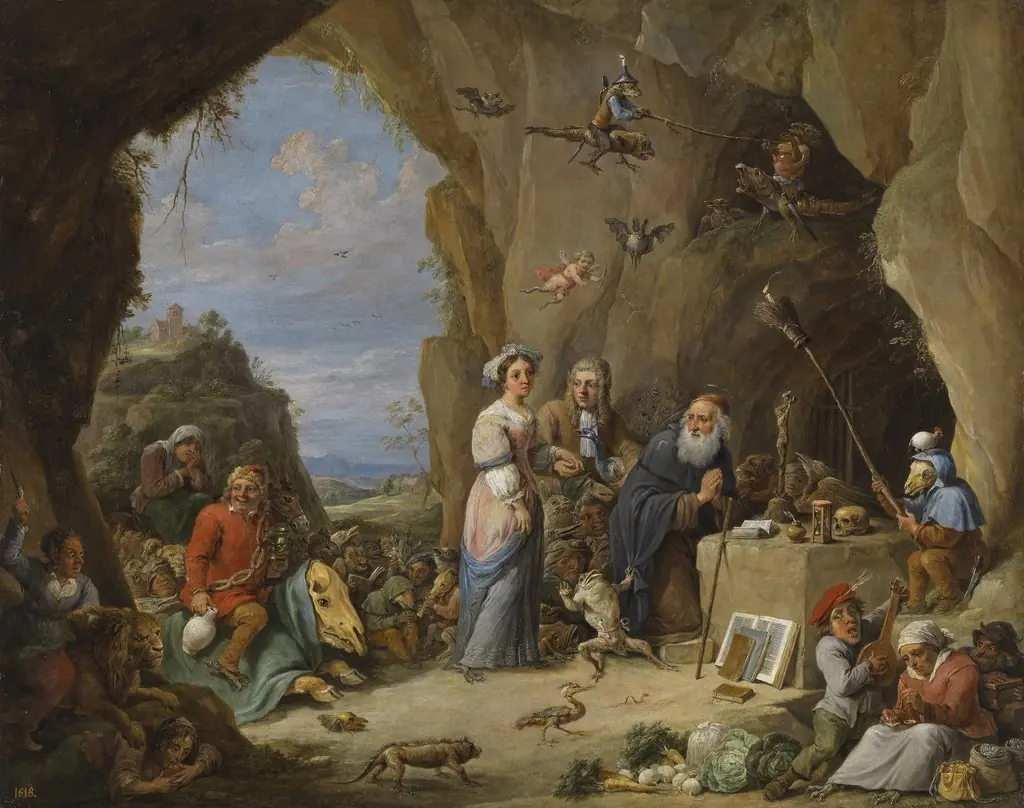 Temptation of St. Anthony
Plan your visit
Museo del Prado
- Website
- www.museodelprado.es