Art Museum
Museu Nacional d'Art de Catalunya

Image: Wikimedia Commons.
Museu Nacional d'Art de Catalunya is an art museum in Sants-Montjuïc, Spain. 7 works from its collection are in this catalog, including Titian and Paolo Veronese.
About Museu Nacional d'Art de Catalunya
Overview & Identity
The Museu Nacional d'Art de Catalunya (MNAC), located in the Palau Nacional on Montjuïc hill in Barcelona, is the national museum of Catalan art. Established by the Catalan Museum Law in 1990, it unifies collections that were previously separate: the Museu d'Art de Catalunya (founded in 1934) and the Museu d'Art Modern (founded in 1945). The institution houses a vast collection spanning from the 11th century to the mid-20th century, encompassing painting, sculpture, decorative arts, photography, numismatics, and a specialized library. It serves as a primary repository for Catalan artistic identity while also holding significant European works.
History & Founding
The museum's origins trace back to the 19th century, with early municipal collections housed in the Ciutadella park following the 1888 Universal Exposition. In 1915, the Museu d'Art i Arqueologia was inaugurated in the Ciutadella. The decision to house the national art collection in the Palau Nacional, built for the 1929 International Exposition, led to the official inauguration of the Museu d'Art de Catalunya on November 12, 1934. During the Spanish Civil War, collections were evacuated for safety. Post-war, the medieval and Renaissance collections returned to the Palau Nacional in 1940, while modern art was housed in the Ciutadella until 1945. The two institutions were formally merged under the 1990 Museum Law to create the current MNAC.
Building & Architecture
The museum is housed in the Palau Nacional, a monumental building constructed for the 1929 International Exposition of Barcelona. Designed in a grand eclectic style that blends Renaissance and Baroque elements, the palace was intended to be a permanent structure. It was declared a national monument and has served as the museum's home since 1934. The building features a massive central dome and expansive staircases, designed to accommodate the grandeur of the national collection. Recent renovations, including the remodeling of the medieval Gothic Art Room in 2010 and the reformulation of the Romanesque presentation in 2011, have updated the visitor experience while preserving the architectural integrity of the historic palace.
Collection Highlights: Romanesque Art
The MNAC possesses the world's most comprehensive collection of Romanesque art, particularly famous for its mural paintings. In the early 20th century, many frescoes were removed from churches in the Pyrenees to prevent their destruction or sale abroad, notably following the actions of an American art dealer in 1919. These murals, dating from the 11th to 13th centuries, are displayed in reconstructed church interiors within the museum. The collection also includes unique panel paintings, such as the frontals of the Apostles, and significant examples of stone carving, wood carving, and metalwork. The Romanesque galleries are arranged chronologically and stylistically, offering a complete view of Catalan medieval art.
Collection Highlights: Gothic to Baroque
The Gothic collection features a significant number of Catalan works alongside pieces from territories once ruled by the Crown of Aragon, including Italy and the Mediterranean. Notable highlights include the renowned altarpiece of the Virgin of Montserrat and works by artists such as Ferrer Bassa. The Renaissance and Baroque sections, while smaller in number compared to the medieval holdings, are of high quality and include works by major European masters such as El Greco, Francisco de Zurbarán, and Diego Velázquez. These collections were significantly enriched by the Cambó Bequest, which brought a wide range of European paintings from the 14th to the early 20th century, and the Thyssen-Bornemisza Collection.
Modern Art & Contemporary Holdings
The modern art collection covers the period from the mid-19th century to the mid-20th century, a pivotal era for Catalan art. It features key works by Marià Fortuny, including 'Bullfight, Wounded Picador' (1867), and extensive representations of the Modernista and Noucentista movements. The collection includes major figures such as Antoni Gaudí, Salvador Dalí, Pablo Picasso, and Antoni Tàpies. The museum also houses a significant department of photography established in 1996, as well as the Cabinet of Drawings and Prints, which holds over 50,000 drawings and 70,000 engravings. The collection reflects the evolution of Catalan art through the historic avant-garde and includes works by international artists active in Barcelona.
Significance & Legacy
The Museu Nacional d'Art de Catalunya is of paramount importance for the preservation and study of Catalan cultural heritage. Its unique concentration of Romanesque mural paintings, many of which were saved from disappearing churches, makes it a singular institution globally. The museum's role in unifying disparate collections under a single national law in 1990 solidified its status as the central repository for the nation's artistic history. Beyond its primary collections, the museum maintains the Gabinet Numismàtic de Catalunya with over 134,000 coins and medals, and the General Library of Art History, supporting extensive research. The institution continues to evolve through major donations, such as the Antonio Gallardo bequest in 2016, ensuring its relevance for future generations.
What to see at Museu Nacional d'Art de Catalunya
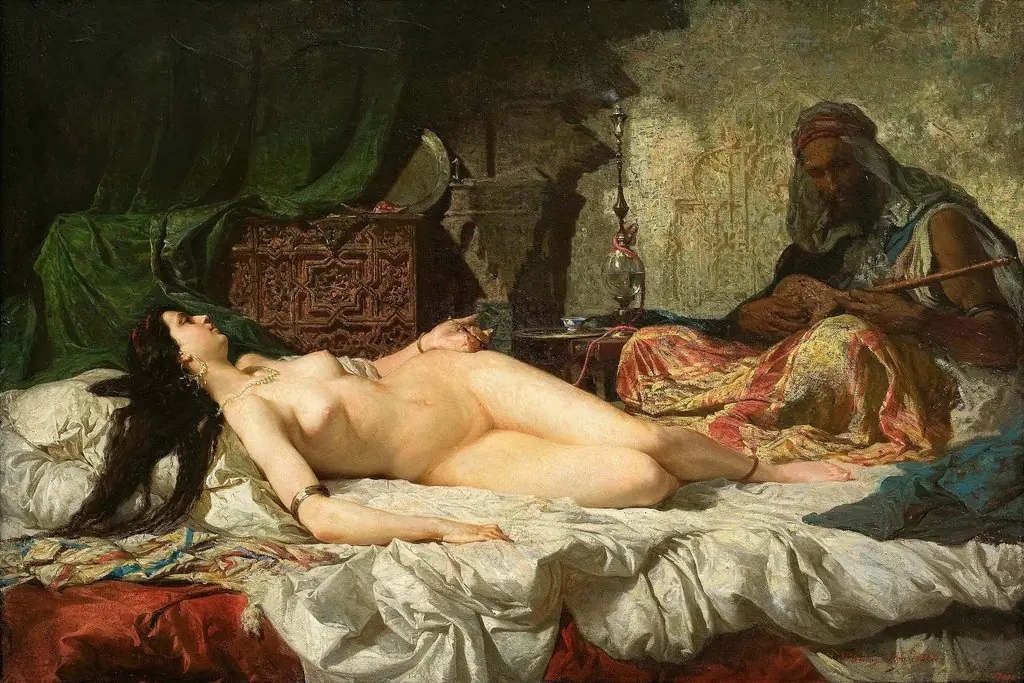
Start with The Odalisque by Mariano Fortuny Marsal.
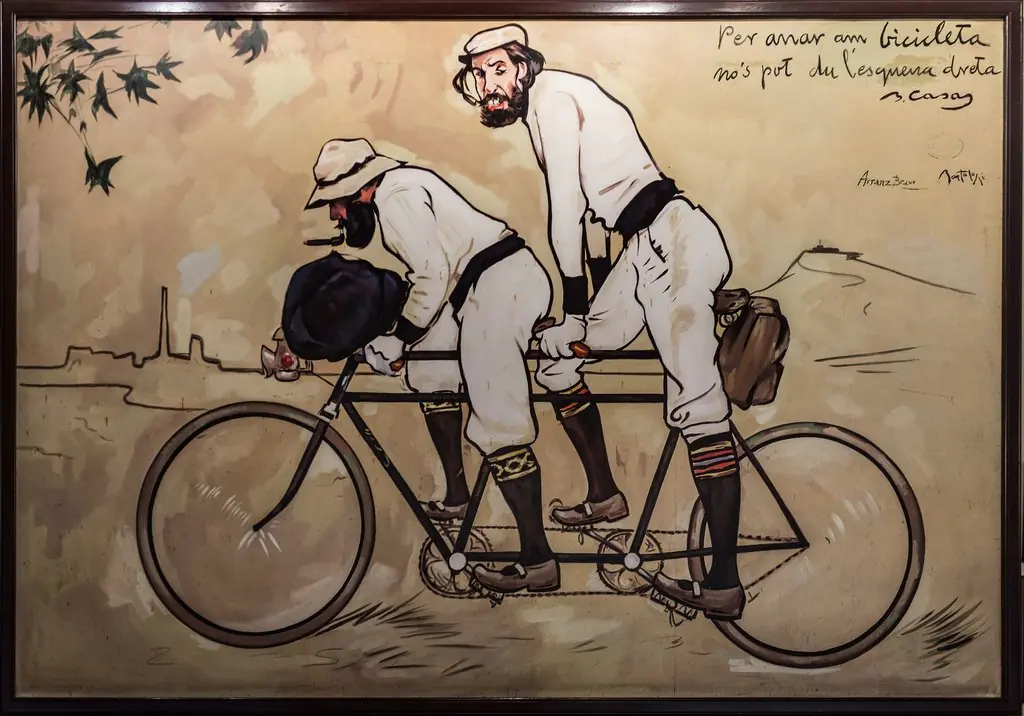
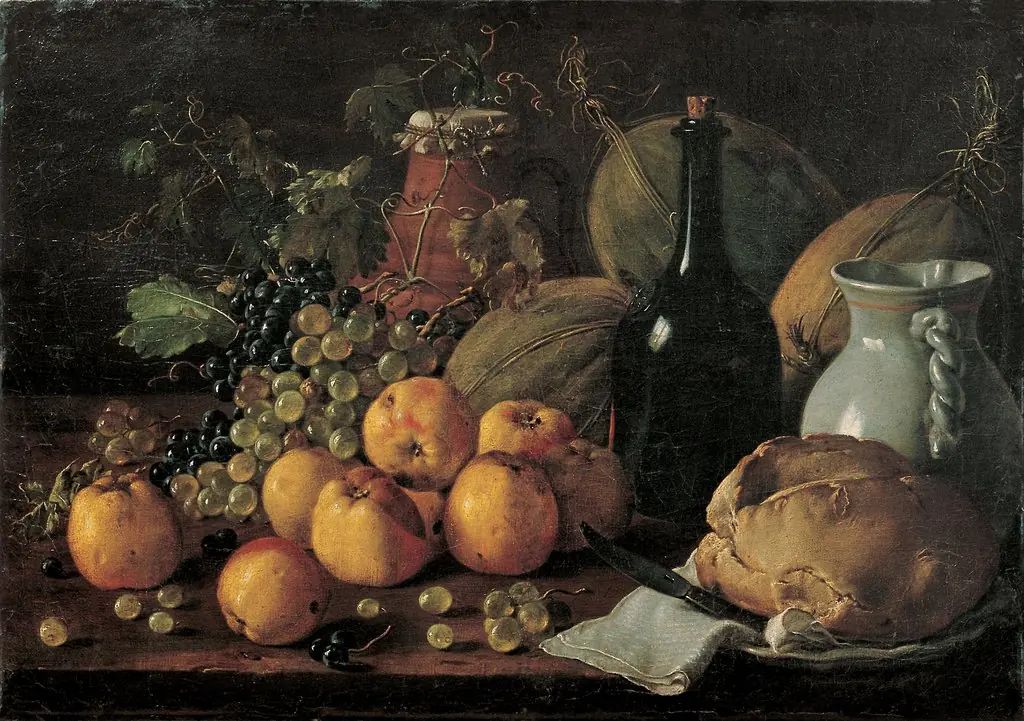
Works from Museu Nacional d'Art de Catalunya
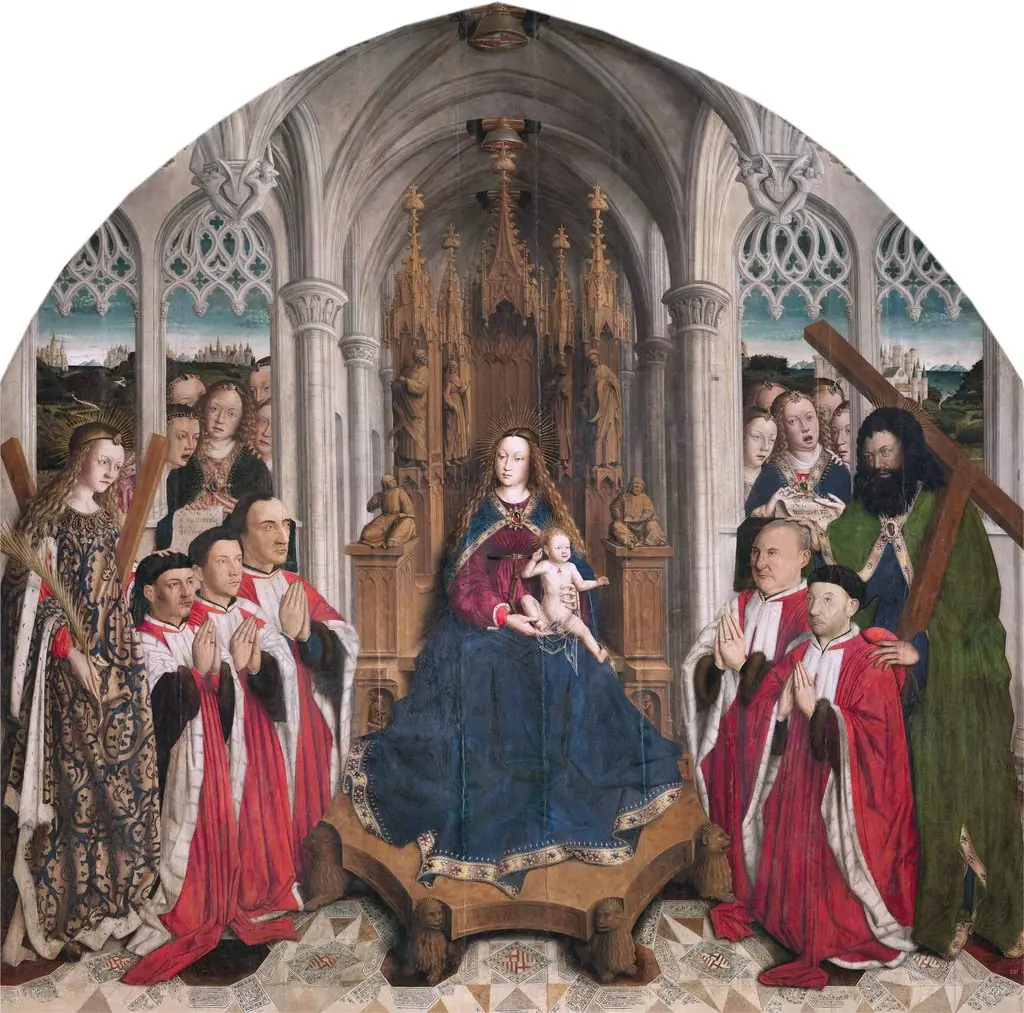
Plan your visit
Museu Nacional d'Art de Catalunya
- Website
- www.museunacional.cat
What's on
- Share Wounded Militiaman: The Recovery of an Irredeemable PaintingFrom 19 Feb 2026
- Share Sim Acquisition, Drawing and WarFrom 7 May 2026