Museum
Museum of Art Cluj-Napoca
Museum of Art Cluj-Napoca is a museum.
About Museum of Art Cluj-Napoca
Overview
The Art Museum of Cluj-Napoca is a premier cultural institution in Romania, dedicated to preserving and exhibiting Romanian and European art from the 15th to the 21st centuries. Housed in the historic Bánffy Palace, a masterpiece of 18th-century Baroque architecture, the museum holds a patrimony of over 13,000 exhibits. These include paintings, sculptures, graphic arts, decorative arts, and documentary collections. The institution serves as the primary repository for the artistic heritage of Transylvania, featuring a National Gallery that synthesizes four centuries of Romanian art with a specific emphasis on local artistic phenomena.
History & Founding
The museum was founded in 1951, incorporating older collections such as a portion of the Transylvanian Museum's curiosities and furniture, and most significantly, the 'Virgil Cioflec Pinacoteca.' Virgil Cioflec, a noted art historian and monographer of Stefan Luchian and Nicolae Grigorescu, donated his collection to the University of Cluj in 1929-1930, establishing the first museum of Romanian modern art in the city. Following its 1951 establishment, the museum expanded through transfers from the Ministry of Culture, donations, and purchases, including works from the Cluj Branch of the Romanian Academy in 1971.
The Bánffy Palace
The museum is housed in the Bánffy Palace, an important 18th-century Baroque building designed by the German architect Johann Eberhard Blaumann between 1774 and 1785. Originally the private residence of Count Bánffy György, later Governor of Transylvania, the palace features a monumental triple gallery and the largest three-ramp staircase in Transylvania. The building's facade is adorned with statues of ancient deities by sculptor Anton Schuchbauer and the Bánffy family coat of arms. The structure underwent extensive restoration between 1960 and 1974, with the museum reopening to the public in 1965 after partial restoration.
Collection Highlights
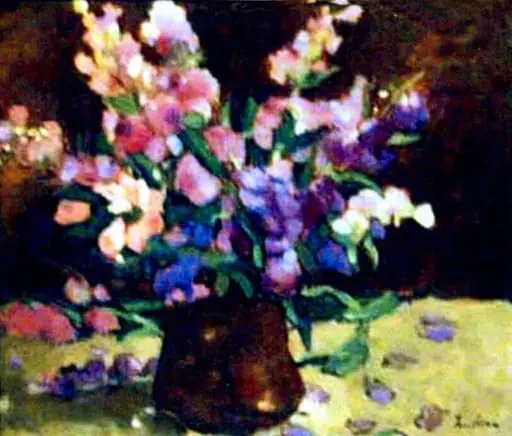
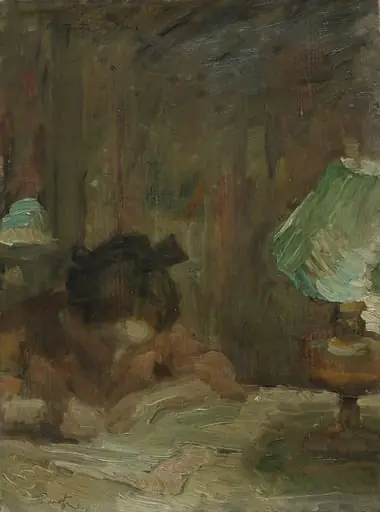
The collection's nucleus is the Virgil Cioflec Pinacoteca, featuring masterpieces by Nicolae Grigorescu, Stefan Luchian, and Dimitrie Paciurea. The museum also holds significant works by Theodor Pallady, Camil Ressu, and Jean Al. Steriadi. A unique highlight is the 16th-century Altar from Jimbor, representing old religious art. The holdings extensively cover Transylvanian artists such as Elena Popea, Alexandru Popp, and Pericle Capidan, as well as the avant-garde and the 'Cluj Art Centre' group. The collection spans from 15th-century religious paintings to 20th-century modern and contemporary works.
Significance & Legacy
The Art Museum of Cluj-Napoca is recognized for its role in researching and promoting the artistic identity of Transylvania. Through retrospective exhibitions and academic studies, the museum has reintroduced important local artists into the national circuit, including figures like Sabin Nemes, Friedrich Bomches, and the artists of the 'Fine Arts High School.' The National Gallery, reopened in January 1996 after a major reorganization, offers a curated synthesis of Romanian art history. In 1997, the museum was nominated for the European Museum of the Year Award, highlighting its international recognition.
What to see at Museum of Art Cluj-Napoca
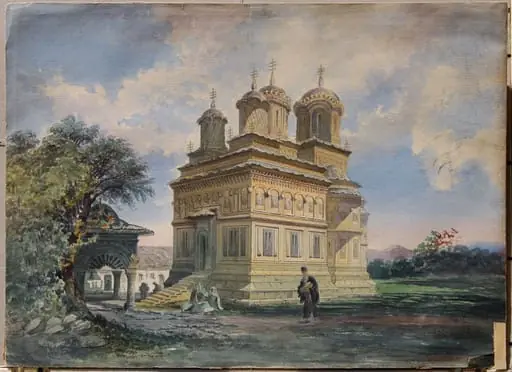
Start with Curtea de Argeș by Carol Popp de Szathmary.
What's on
- January 2026 THE NATIONAL GALLERY, 2026From 1 Jan 2026
- May 6 – June 14, 2026From 6 May 2026
- Opening: Wednesday, 27 May 2026, 6:00 p.m.From 27 May 2026
- 71 Young Artists Opening: May 28, 6 p.m.From 28 May 2026
- June 2026 Memoria Mundi. Exhibition of the Cluj Branch of the Union of Visual Artists of RomaniaFrom 4 Jun 2026