National Museum
Museum of New Zealand Te Papa Tongarewa

Image: Wikimedia Commons.
Museum of New Zealand Te Papa Tongarewa is a national museum in Wellington City, New Zealand.
About Museum of New Zealand Te Papa Tongarewa
Overview & Identity
The Museum of New Zealand Te Papa Tongarewa serves as the national museum of New Zealand. Established by the Museum of New Zealand Te Papa Tongarewa Act 1992, it represents a significant shift in the country's cultural institution landscape. The museum is run by a board appointed by the government and operates with a mandate to reflect New Zealand's bicultural identity. Its name, Te Papa Tongarewa, translates to 'container of treasures,' reflecting its role in preserving and presenting the nation's heritage.
History & Founding
The institution traces its lineage to the Colonial Museum, founded in 1865. Following the National Art Gallery and Dominion Museum Act of 1930, the National Art Gallery and the Dominion Museum shared a single board of trustees, with the Gallery moving into the Dominion Museum building in 1934. Eru D. Gore served as secretary-manager from 1936 until 1948. The modern entity, Te Papa, was formally established in 1992, consolidating these predecessor institutions into a single national museum.
Building & Architecture
The main Te Papa building is situated on reclaimed land on Cable Street in Wellington, an area that formerly belonged to the harbor. The structure was designed by Jasmax Architects. The design process explicitly followed bicultural principles, intended to reflect the partnership between Māori and Pākehā (New Zealanders of European descent). The building's location on the water's edge has been a subject of discussion regarding the preservation of collections at risk from environmental factors.
Collection Highlights & Notable Holdings
The museum houses diverse collections, including the History Collection, which features dresses and textiles dating back to the sixteenth century, and the New Zealand Post Archive containing approximately 20,000 stamps. The Pacific Collection holds around 13,000 historic and contemporary items. The museum also holds significant natural history specimens, including molluscan holotypes and the world's largest specimen of a rare species. The archives, located at 169 Tory Street, include the Museum Archive dating to 1865 and the archives of James Hector.
Significance & Controversy
Te Papa is a major cultural hub featuring interactive exhibitions on New Zealand's natural environment and social history. However, it has faced various controversies. These include debates over the siting of collections on reclaimed land, the Māori name of the museum, and staff restructuring since 2012. Specific incidents involved the display of artwork, policies regarding pregnant and menstruating women due to Māori beliefs, and objections from Taranaki tribal elders regarding a 19th-century painting. The museum also faced criticism in 2020 regarding a video exhibition and in 2023 over a display panel translation.
Research & Access
The museum operates the Te Aka Matua Research Library, located on the fourth floor of the main building. Previously publicly accessible, it is now open by appointment between 10 am and 5 pm, Monday to Friday. The library serves as a major research resource with strengths in New Zealand, Māori, natural history, art, photography, and museum studies. While the museum charges an entrance fee for international visitors, entry remains free for all New Zealanders.
What to see at Museum of New Zealand Te Papa Tongarewa
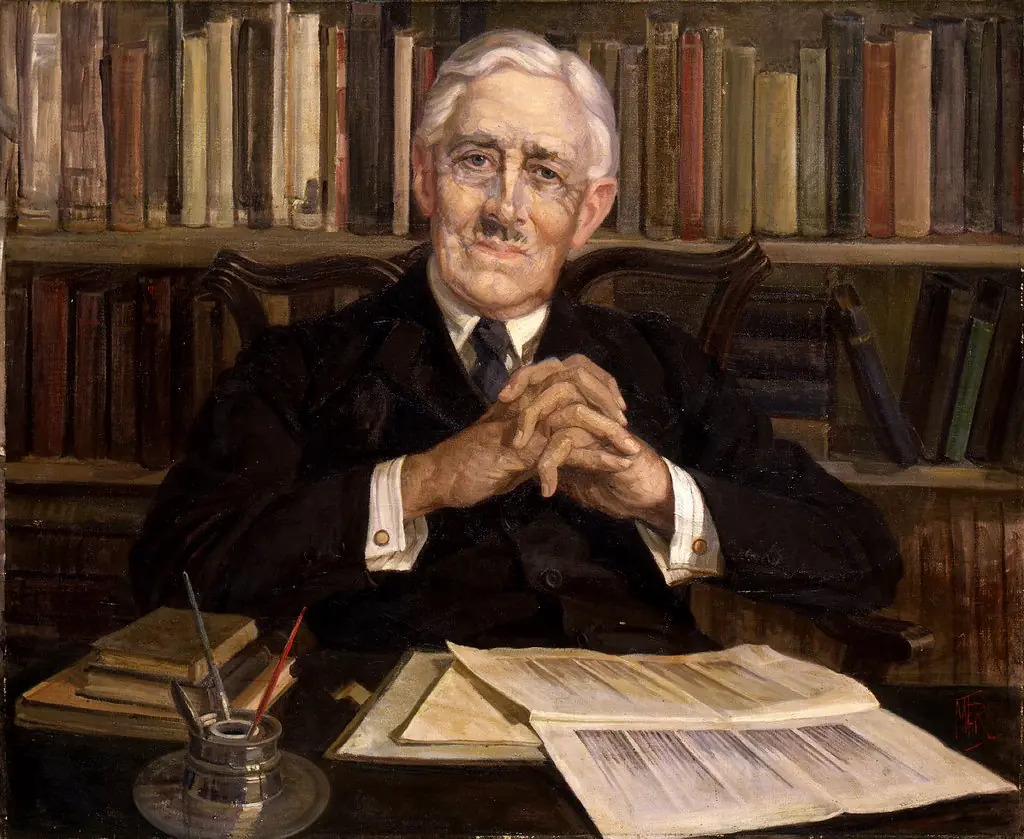
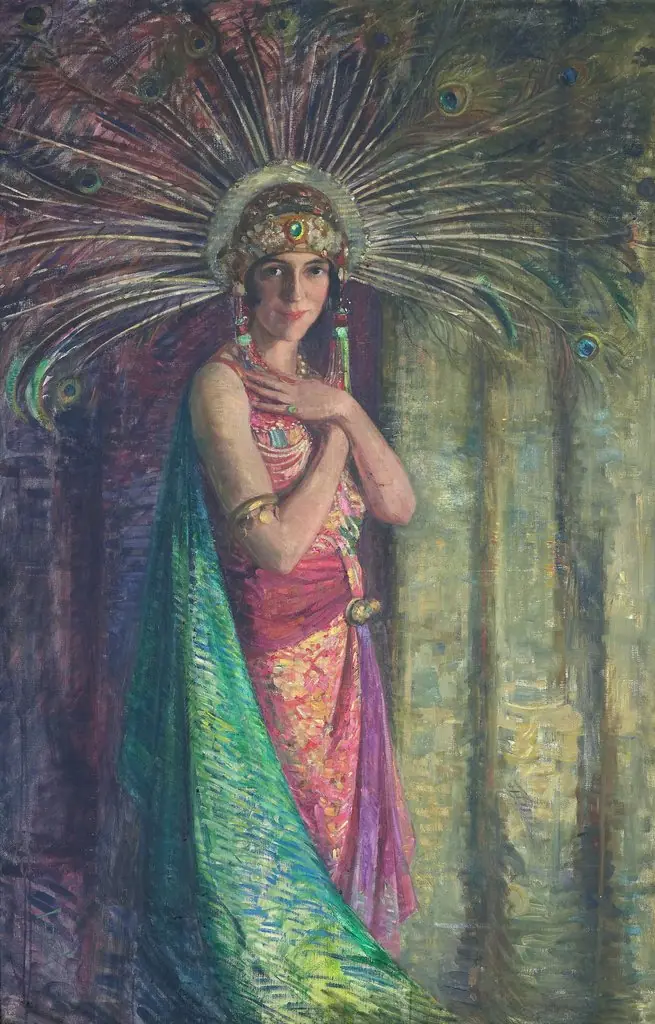
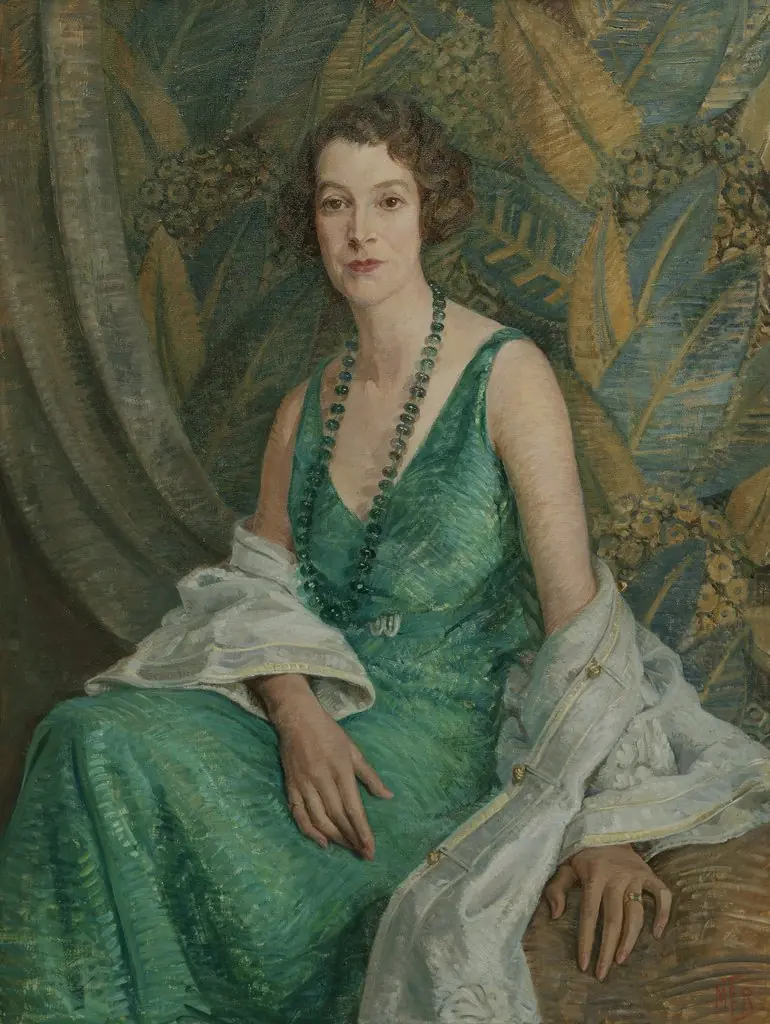
Start with Sir Truby King, C.M.G. by Mary Elizabeth Tripe.
Plan your visit
Museum of New Zealand Te Papa Tongarewa
- Website
- www.tepapa.govt.nz
What's on
- closedFrom 23 Apr 2026
- Bush City Step outside into a living, growing exhibition. Explore native bush and a volcanic landscape.From 16 Mar 2026
- Celebrate Matariki23 Apr 2026 – 19 Jul 2026