National Museum
Naples National Archaeological Museum

Image: Wikimedia Commons.
Naples National Archaeological Museum is a national museum in Naples, Italy.
About Naples National Archaeological Museum
Overview & Identity
The National Archaeological Museum of Naples (Museo Archeologico Nazionale di Napoli, MANN) is one of the most important archaeological museums in the world, located in Naples, Italy. It houses an extensive collection of Greek and Roman antiquities, with a particular focus on artifacts recovered from the Roman sites of Pompeii and Herculaneum. The museum is renowned for its Farnese Marbles, a collection of Roman copies of classical Greek sculptures that are often the only surviving records of lost Greek masterpieces.
History & Founding
The institution's history is deeply tied to the building it occupies. The structure was originally constructed in 1585 to serve as cavalry barracks. From 1616 until 1777, it functioned as the seat of the University of Naples. The museum itself was established in 1777 when the Bourbon King Ferdinand IV moved the Royal Collections of antiquities into the building, initially housing the Farnese collection and artifacts from Herculaneum. It was later designated as the National Museum in 1860 following the unification of Italy.
Building & Architecture
The museum is housed in a significant Renaissance building that has undergone multiple transformations. Originally built as cavalry barracks in 1585, the structure was later adapted to serve as the University of Naples for over a century and a half. The building is situated at the northwest corner of the original Greek wall of the city of Neapolis. The architecture reflects its long history of public service, transitioning from military use to education and finally to its current role as a premier cultural institution.
Collection Highlights: The Farnese Marbles
A central component of the museum's holdings is the Farnese Marbles. This collection is of immense importance because it includes Roman copies of classical Greek sculptures. In many instances, these Roman copies are the only surviving indications of what the original lost works by ancient Greek sculptors looked like. The collection provides a unique window into the artistic achievements of ancient Greece as interpreted and preserved by Roman artists.
Collection Highlights: Pompeii & Herculaneum
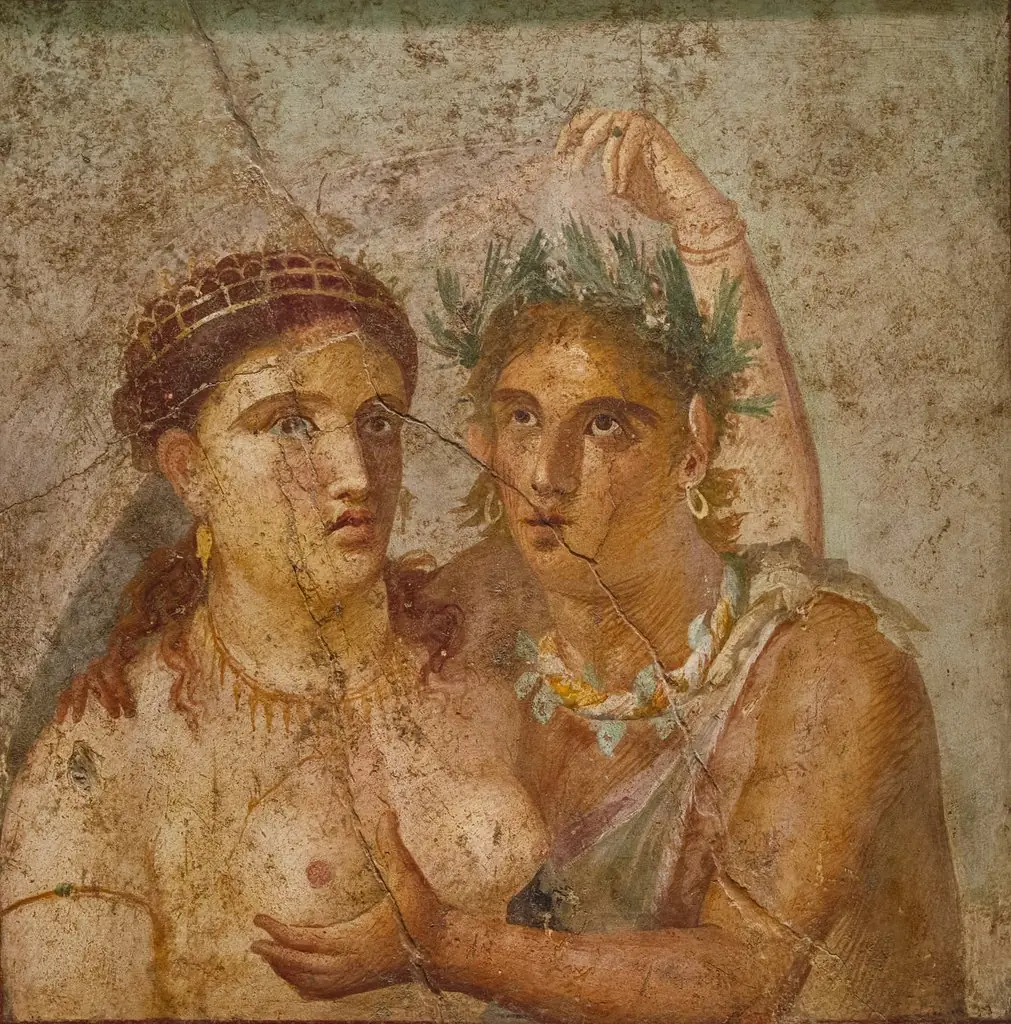
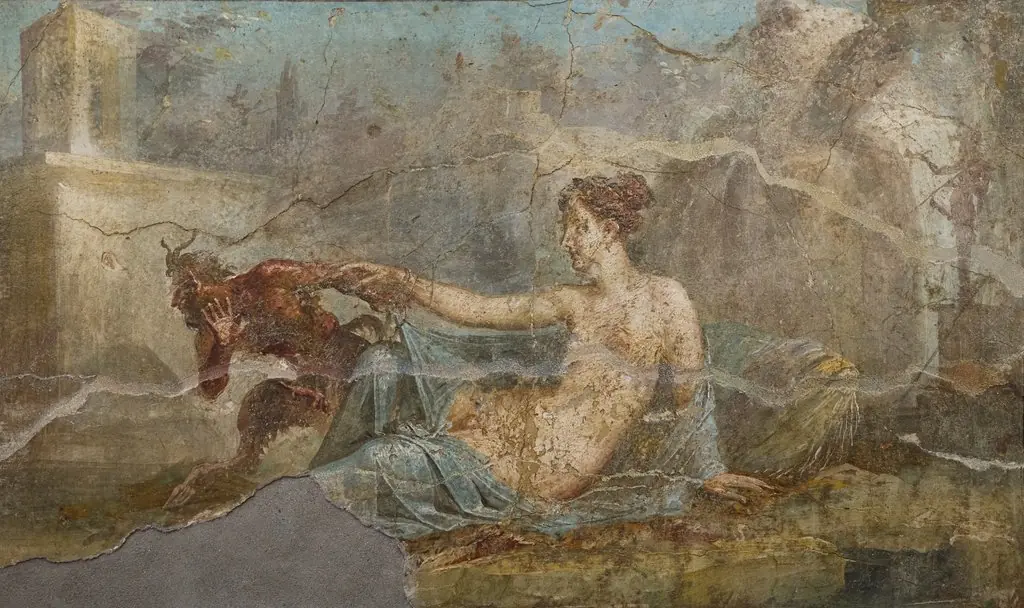
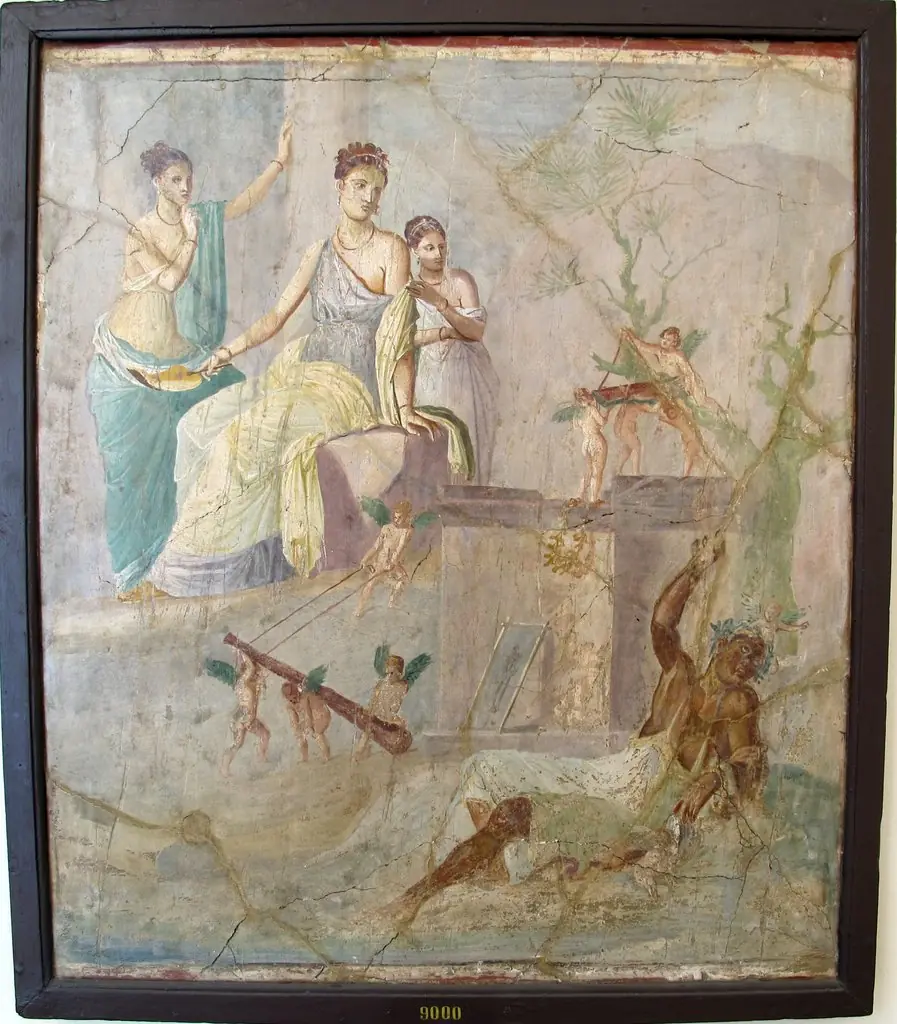
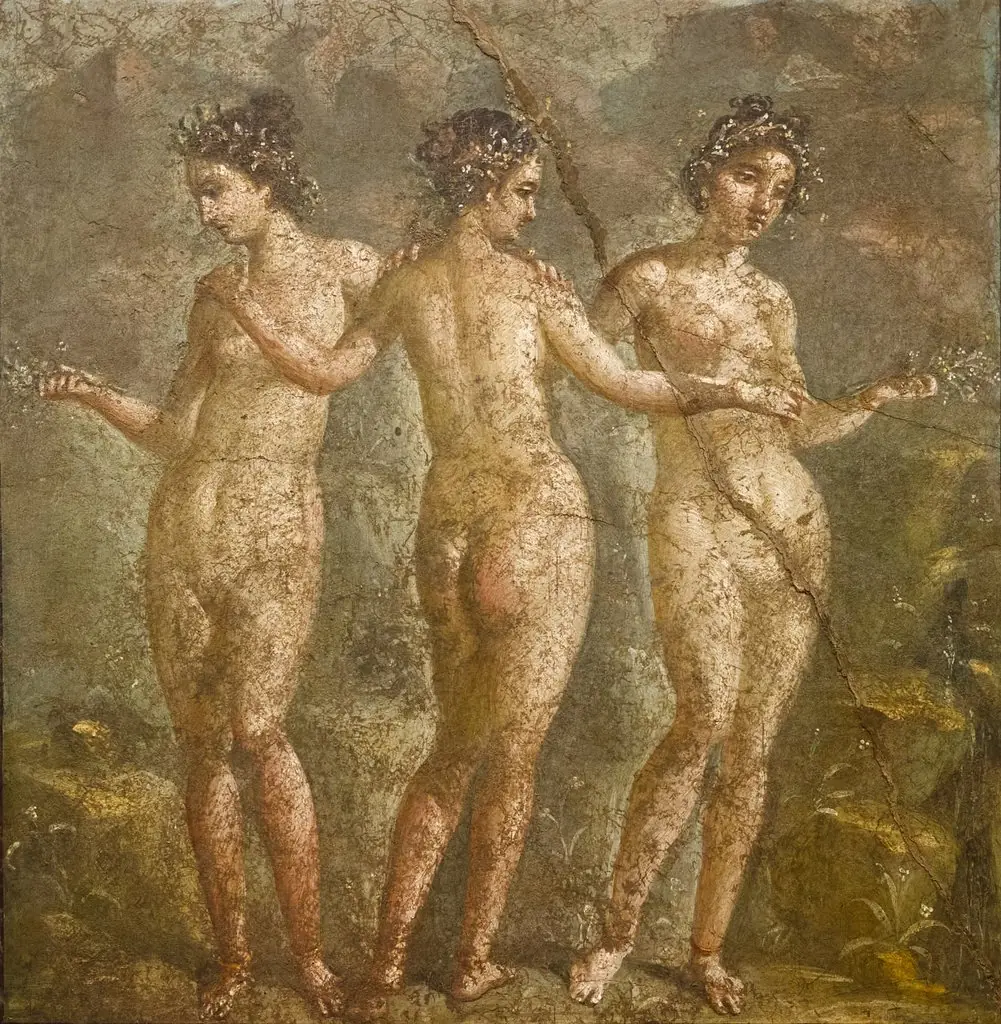
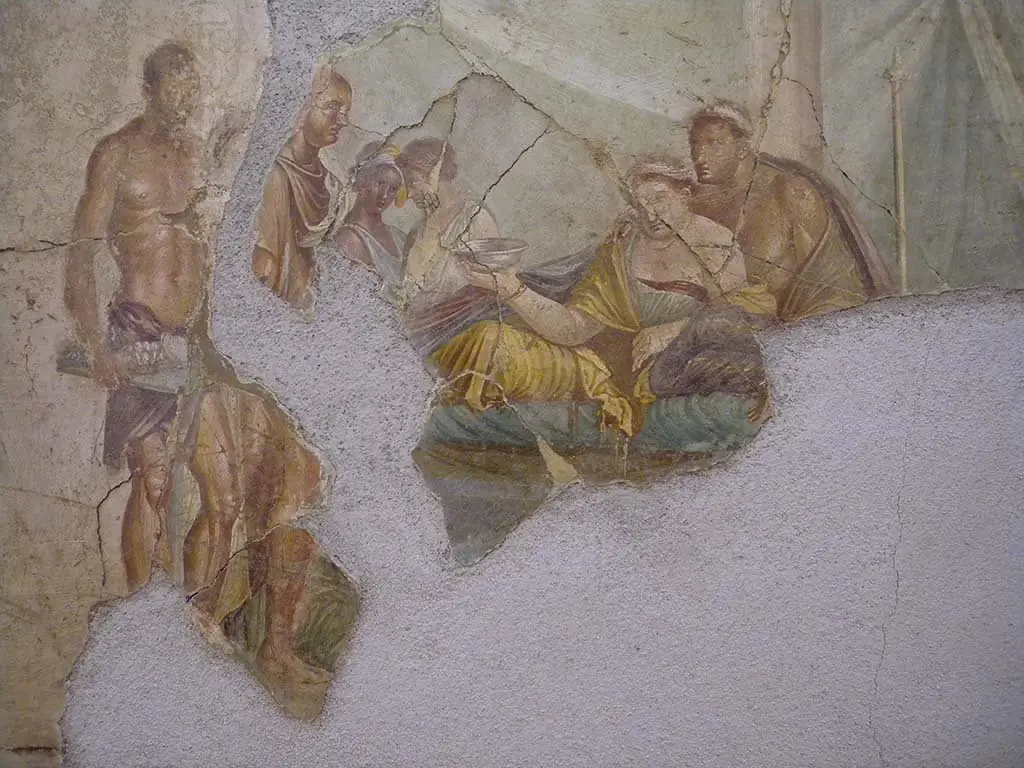
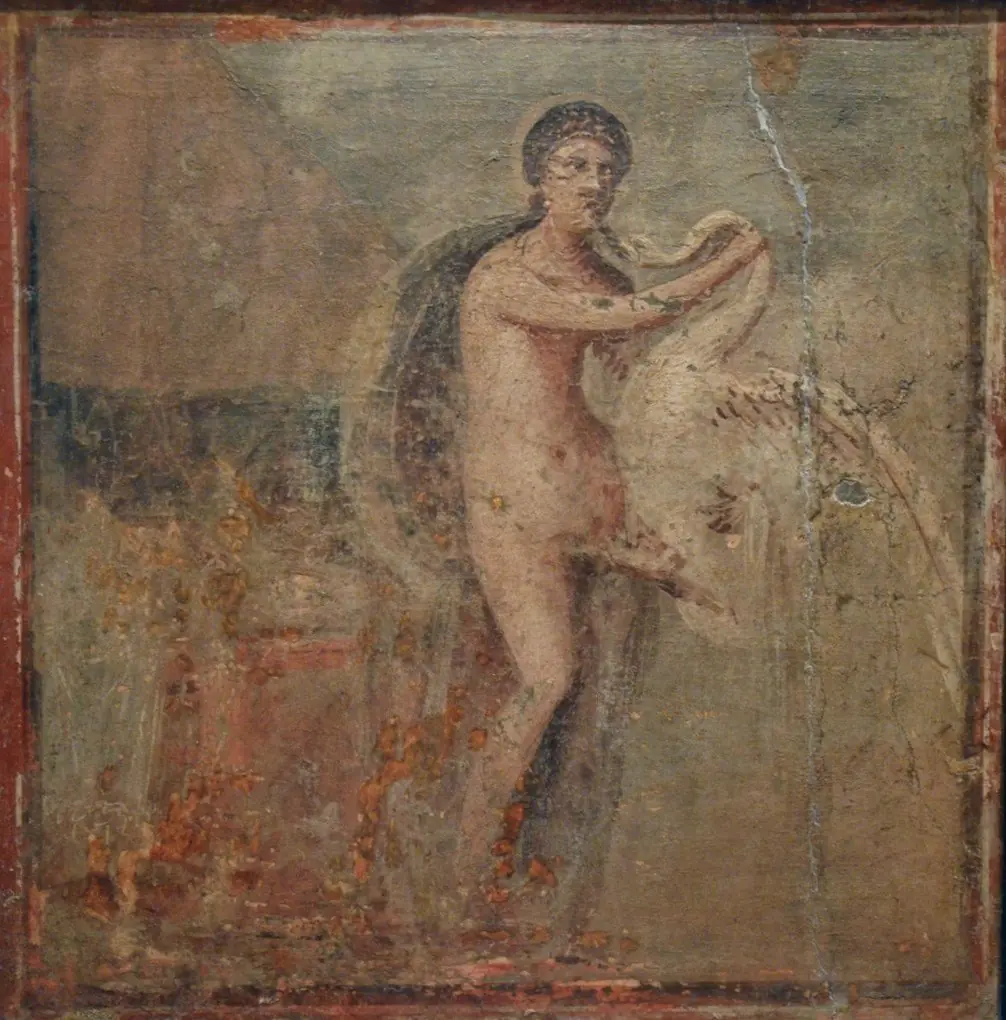
The museum possesses a vast array of artifacts excavated from the Roman cities of Pompeii and Herculaneum, which were buried by the eruption of Mount Vesuvius in 79 AD. This includes a major collection of ancient Roman bronzes from Herculaneum and a large collection of frescoes from Pompeii. These items offer an unparalleled insight into daily life, art, and culture in the Roman Empire before the catastrophic volcanic event.
Significance & Legacy
The National Archaeological Museum of Naples is considered one of the most ancient and renowned museums globally. Its contribution to the international cultural scene is significant due to the uniqueness and rarity of its holdings. The museum plays a crucial role in preserving and presenting the heritage of the ancient Mediterranean world, particularly the Roman sites in the Bay of Naples. It remains a primary destination for scholars and visitors interested in classical antiquity.
What to see at Naples National Archaeological Museum
Start with MAN Naples 110590 by 1850.
Plan your visit
Naples National Archaeological Museum