Art Museum
National Gallery

Image: Wikimedia Commons.
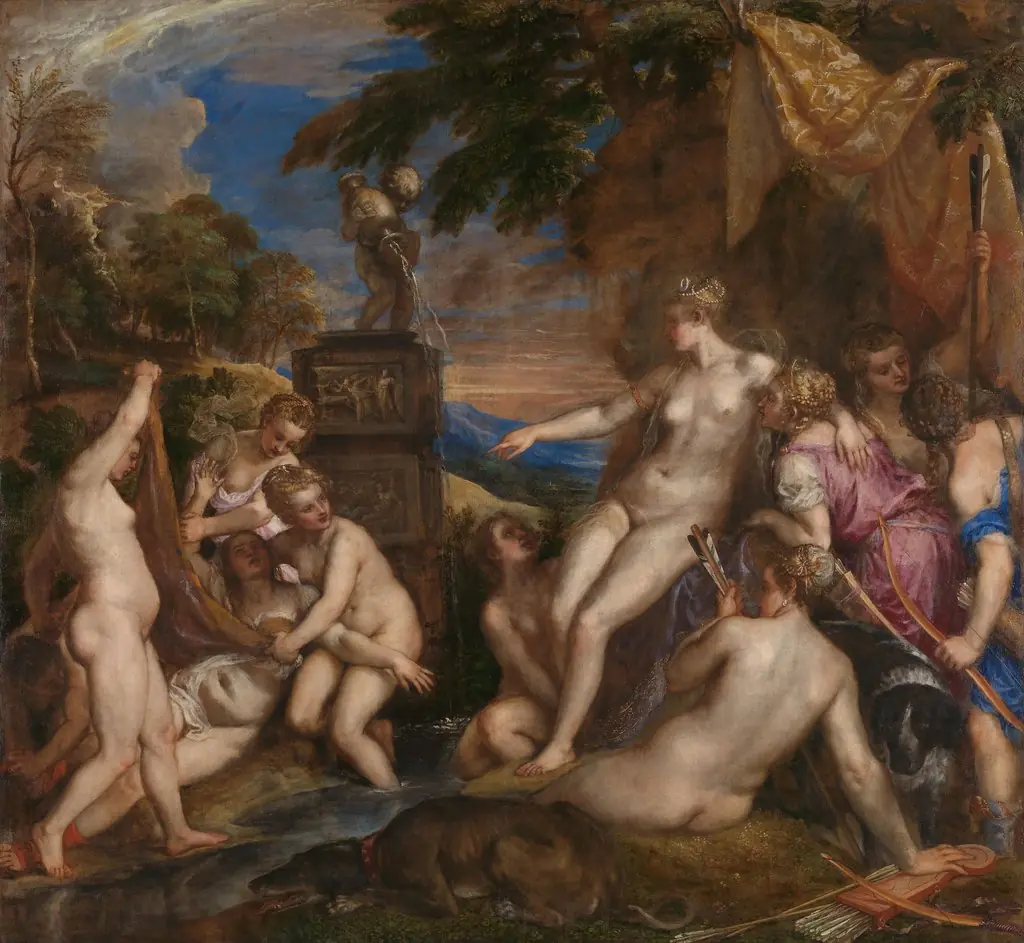
National Gallery is an art museum in City of Westminster, United Kingdom. 4 works from its collection are in this catalog, including Titian and John Constable.
About National Gallery
Overview
The National Gallery is a premier art museum located on the north side of Trafalgar Square in the City of Westminster, London. Founded in 1824, it houses Great Britain's national collection of Western European paintings, spanning from the mid-13th century to 1900. Unlike many continental European museums formed by nationalizing royal collections, the National Gallery was established through the government's purchase of a private collection to create a public resource for the enjoyment and education of all. Today, it holds over 2,300 works and is widely regarded as possessing the most representative sampling of European painting in the world.
History & Founding
The Gallery was founded in 1824 when the British government purchased 38 paintings from the estate of the banker John Julius Angerstein. These works were first exhibited in Angerstein's townhouse at 100 Pall Mall. The initial collection was considered too small and the premises overcrowded, leading Parliament to resolve in 1831 to construct a new, purpose-built home. The decision to locate the new building in Trafalgar Square was driven by the desire to place the collection in a central, accessible location. The Gallery officially moved to its current site in 1838.
Building & Architecture
The original building at Trafalgar Square was designed by the Greek Revival architect William Wilkins and opened in 1838. The structure faced criticism for its narrow depth due to adjacent buildings, which limited the layout. Significant expansions followed, including major additions by Sir Charles Barry between 1872 and 1876, which created grand architectural spaces after the demolition of a workhouse. The most notable modern addition is the Sainsbury Wing, designed by postmodernist architects Robert Venturi and Denise Scott Brown, which opened in 1991 to house the early Renaissance collection. In September 2025, plans were announced for a new £375 million wing to open in the 2030s.
Collection Highlights & Notable Holdings
The collection comprises approximately 2,600 works and is particularly renowned for its comprehensive holdings of Italian Renaissance paintings, considered the most extensive outside Italy. It features masterpieces by major Florentine and Venetian masters, including Leonardo da Vinci, Raphael, and Artemisia Gentileschi. The Gallery also holds significant works by Northern European artists such as Johannes Vermeer and Peter Paul Rubens, as well as British, French, and Spanish painters. Notable specific works include Vincent van Gogh's 'A Wheatfield, with Cypresses' and a small but significant collection of French Impressionist and Post-Impressionist paintings.
Significance & Legacy
The National Gallery holds a unique position in the art world as a public institution created specifically to serve the nation, rather than evolving from a private royal collection. Its founding in 1824 marked a pivotal moment in British cultural history, establishing the principle that art should be accessible to the general public. The Gallery's collection policy has evolved over two centuries, shifting from a focus on Old Masters to include Impressionist works, and recently announcing a policy change to acquire 20th-century art. Its role during the Second World War, where paintings were evacuated to Wales while concerts were held in the empty galleries, further cemented its status as a vital cultural institution.
What to see at National Gallery
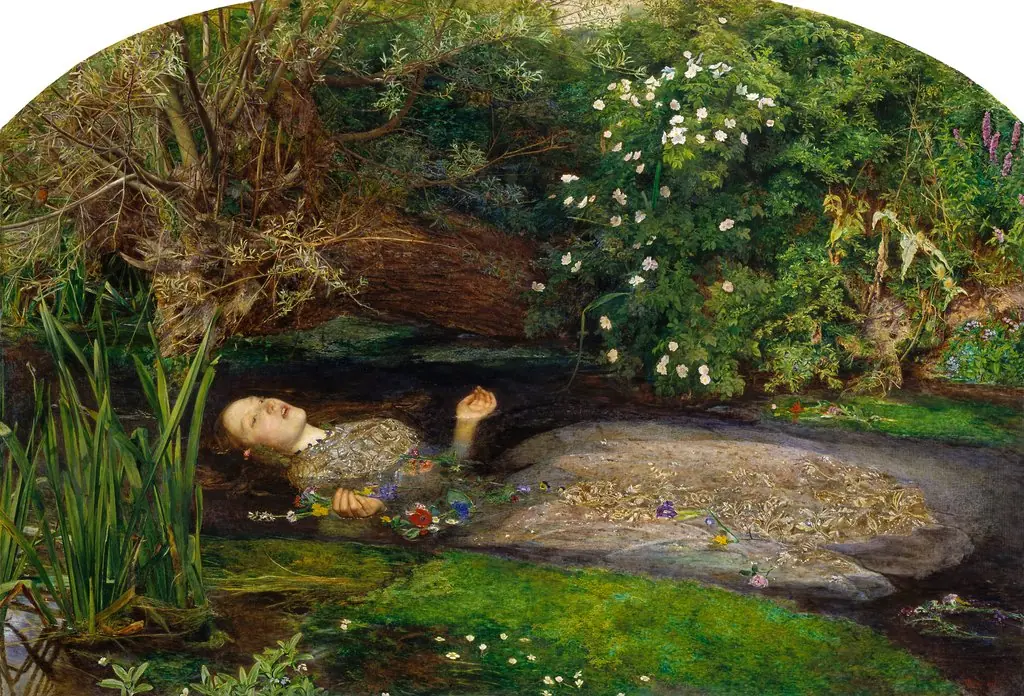
Start with Ophelia by John Everett Millais.
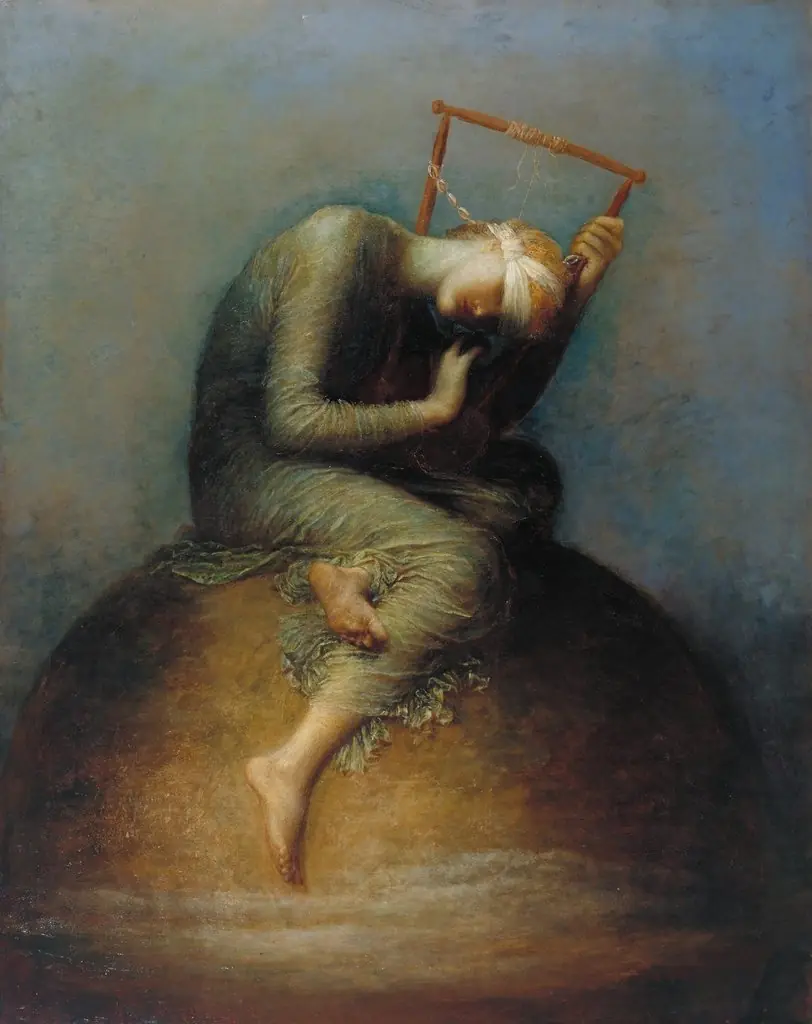
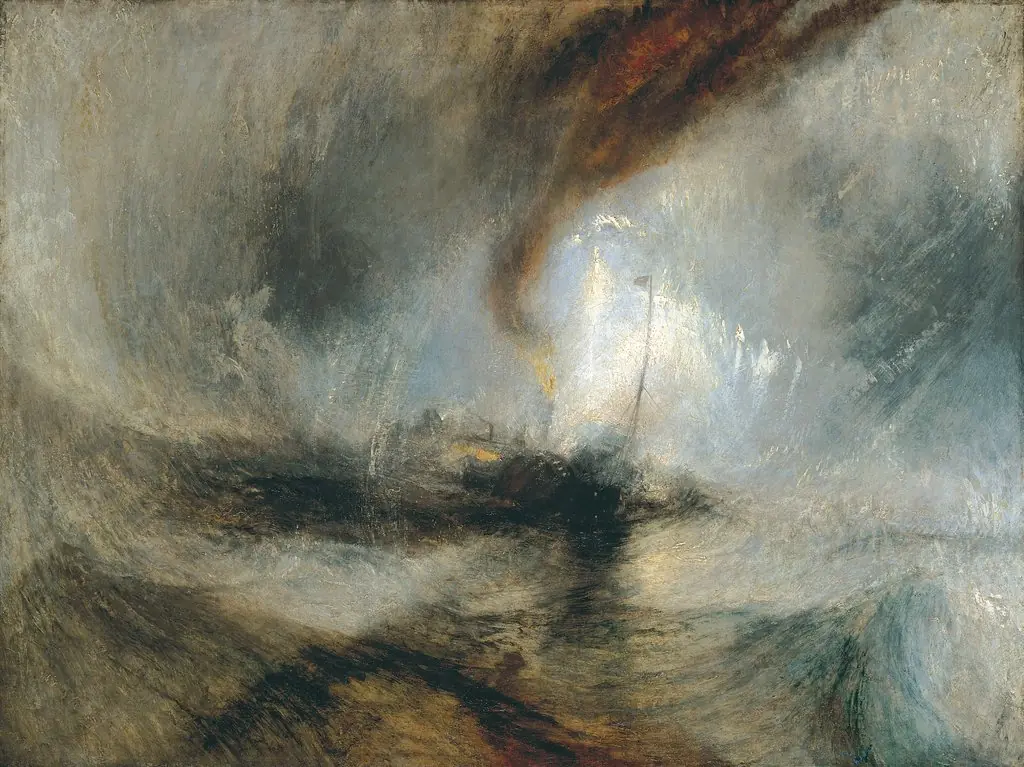
Works from National Gallery
Plan your visit
National Gallery
- Website
- www.nationalgallery.org.uk