Art Museum
National Gallery of Armenia

Image: Wikimedia Commons.
National Gallery of Armenia is an art museum in Yerevan, Armenia.
About National Gallery of Armenia
Overview & Identity
The National Gallery of Armenia (NGA) is the country's premier art museum, founded in 1921 under a state decree. It currently houses approximately 40,000 works of art, which are displayed across 56 galleries and halls. The institution serves not only as a repository for art but also as a cultural hub, featuring restoration and conservation studios, a library, an archive, a cafeteria, and a hall for film screenings and lectures. It actively lends works to international exhibitions to promote Armenian art globally.
History & Founding
The gallery was established in 1921 following a decree by the state. A decisive factor in the formation of its initial collection was the transfer of a renowned art collection, though the specific original owner is not fully detailed in the available text. By 1935, the state art section had undergone significant refurbishments and was reorganized into a separate Art Museum. In 1947, the institution was officially re-dubbed the National Gallery of Armenia, solidifying its status as the national repository for art.
Building & Facilities
The NGA building is a complex that houses the museum's galleries as well as essential support facilities. It contains restoration and conservation studios affiliated with the museum, ensuring the preservation of its vast holdings. The complex also includes a moderately sized library and archive for research, a small cafeteria for visitors, a souvenir and book store, and a dedicated hall used for film screenings and public lectures. The main exhibition spaces consist of 56 galleries and halls.
Collection Highlights: Armenian Art
Armenian art constitutes a major portion of the collection, with around 700 pieces specifically highlighted, though the total Armenian holdings are likely larger given the 40,000 total works. The collection includes an extensive array of Armenian Apostolic Church-related paintings from the 17th to 19th centuries, silver book-covers of manuscripts, crosses, and 18th-century altar curtains from across Asia. A significant strength lies in the art of the Armenian diaspora, featuring works by artists such as Zakar Zakarian, Edgar Chahine, Hovsep Pushman, Jean Carzou, Jean Jansem, Gerardo Oragyan, and Paul Guiragossian.
Collection Highlights: Ancient & Decorative Arts
The ancient collections feature artifacts from Egypt (New Kingdom, Greco-Roman, Coptic), Greece (Corinth, Attica), Rome, and Iran. The Decorative Arts department holds ceramic and porcelain collections from China, Iran, Italy, Japan, Germany, Austria, and Denmark. Notably, it includes an extensive collection from the 18th–19th-century Tsarist Imperial Porcelain Factory in Russia. The museum also houses a small collection of bronze items from 18th-century China (Qing dynasty) and 16th–17th-century Western European wooden furniture.
Collection Highlights: Western & Russian Art
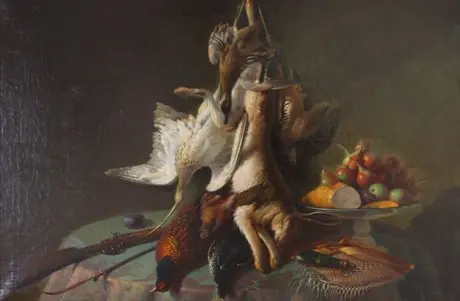
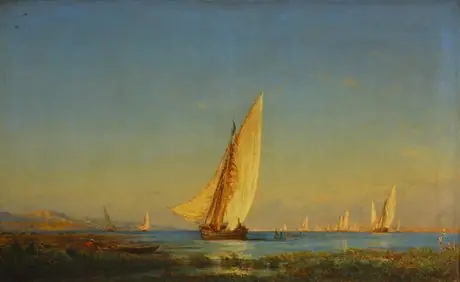
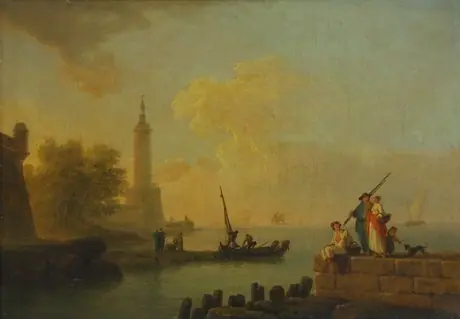
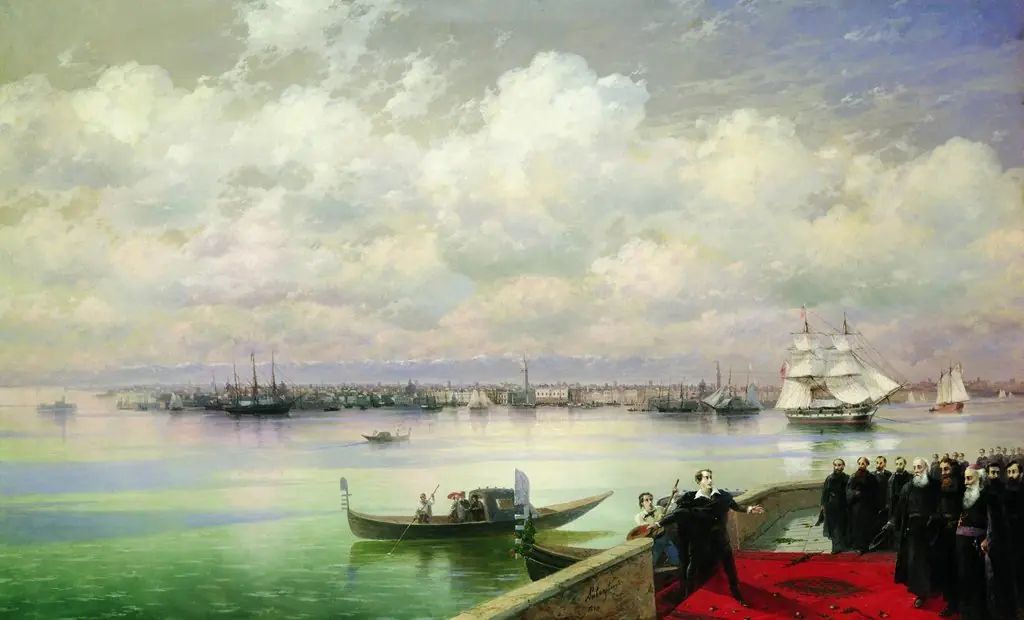
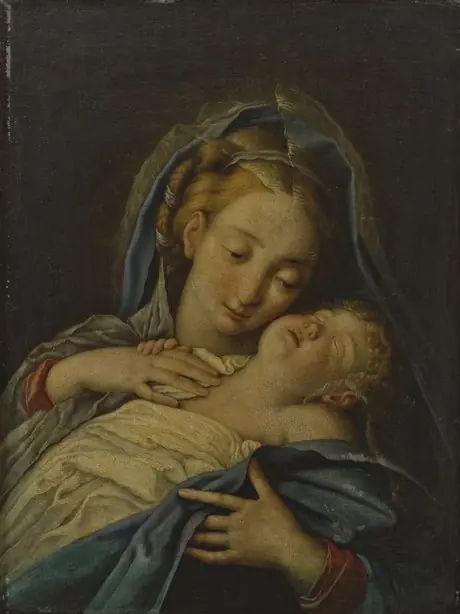
The Western art collection totals around 170 pieces, divided into four major sections: Italian, Flemish, Dutch, and French, with additional works from Spanish, German, and Swiss artists. The Italian collection dates back to the 14th century, while the French collection is the largest among the Western holdings. The Flemish school includes significant pieces such as 'Procession of Silenus', and the Dutch collection features landscape works like 'View of Dordrecht'. Russian art is also extensively present, with around 230 works exhibited, spanning from the first half of the 19th century to the turn of the 20th century.
Significance & Legacy
The National Gallery of Armenia is a critical institution for preserving the artistic heritage of Armenia and the broader region. Its significance is underscored by its role in organizing international exhibitions of Armenian art, ensuring global appreciation of the nation's cultural output. The gallery's integration of foreign art, much of which was nationalized from the 'Armenian Cultural Center' in Moscow during the Soviet period, reflects its complex history and its mission to be a comprehensive repository of both national and world art.
What to see at National Gallery of Armenia
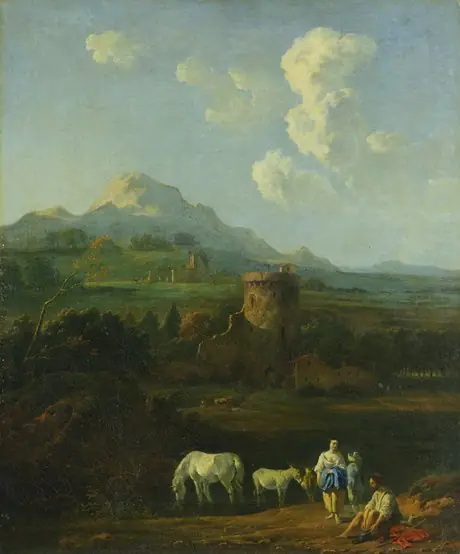
Start with Landscape with figures. by Karel Dujardin.
Plan your visit
National Gallery of Armenia
- Website
- gallery.am
What's on
- Streams of ModernismFrom 28 Oct 2025