Art Museum
National Museum of Fine Arts, Argentina

Image: Wikimedia Commons.
National Museum of Fine Arts, Argentina is an art museum in Buenos Aires, Argentina. 5 works from its collection are in this catalog, including Titian and Paolo Veronese.
About National Museum of Fine Arts, Argentina
Overview
The National Museum of Fine Arts (Museo Nacional de Bellas Artes) is the premier national art museum in Argentina, located in the Recoleta neighborhood of Buenos Aires. Established to house international art of all periods while simultaneously promoting and strengthening Argentine art, it stands as one of South America's most noteworthy cultural institutions. The museum currently holds an important collection of more than 13,000 pieces spanning different periods, both national and international, serving as a vast panorama of artistic production from the 12th century to the present day.
History & Founding
The institution was inaugurated on December 25, 1896, in the former Bon Marché store building on Florida Street, which is now known as Galerías Pacífico. The museum was founded in 1895 with the dual mission of preserving international masterpieces and supporting the nascent Argentine art scene. Around 1910, during the Centennial of the May Revolution, the collection already included works by masters such as Francisco de Goya, Joaquín Sorolla y Bastida, Edgar Degas, and Pierre-Auguste Renoir. In 1911, the museum moved to the Argentine Pavilion, a structure originally built for the 1889 Paris World's Fair and relocated to Plaza San Martín in Buenos Aires.
Building & Architecture
The museum has occupied three distinct locations throughout its history. After starting in the Galerías Pacífico and moving to the repurposed Argentine Pavilion in 1911, the institution was relocated in 1933 to its current home in the Recoleta neighborhood. This building was originally a water pumping station (former Pump House) that was remodeled by the renowned architect Alejandro Bustillo to serve as the museum's permanent headquarters. The current facility, located at Avenida del Libertador 1473, features an exhibition area of approximately 8,800 square meters and has been the museum's home since 1933.
Collection Highlights & Notable Holdings
The museum's collection is divided into European art from the 12th to 19th centuries, Argentine art from the 19th and 20th centuries, and international art from the 20th century. Notable European holdings include works by Édouard Manet, Paul Gauguin, Pablo Picasso, Amedeo Modigliani, Marc Chagall, Vassily Kandinsky, Paul Klee, Lucio Fontana, Jackson Pollock, Mark Rothko, and Henry Moore. The Argentine collection features a vast array of works by leading representatives such as Cándido López, Prilidiano Pueyrredón, Emilio Pettoruti, Xul Solar, Raquel Forner, Grete Stern, Antonio Berni, Alicia Penalba, Gyula Kosice, Marta Minujín, Antonio Seguí, and León Ferrari. The museum also holds significant Latin American art, including pieces by Pedro Figari, Joaquín Torres García, Tarsila do Amaral, Diego Rivera, and Jesús Rafael Soto.
Significance & Leadership
Over its 130-year history, the National Museum of Fine Arts has evolved into a critical repository for both national heritage and global art history. The institution has been guided by notable directors, including Jorge Glusberg, who served from 1994 to 2003, and Andrés Duprat, who took leadership in 2016. The museum's significance lies in its early commitment to acquiring international modern art alongside local works, ensuring a dialogue between Argentine artists and global movements. It continues to expand its digital presence, offering a digital collection of over 2,700 works with high-definition images and technical data, making its holdings accessible to a wider audience.
What to see at National Museum of Fine Arts, Argentina
Start with The First Mourning by William Adolphe Bouguereau.
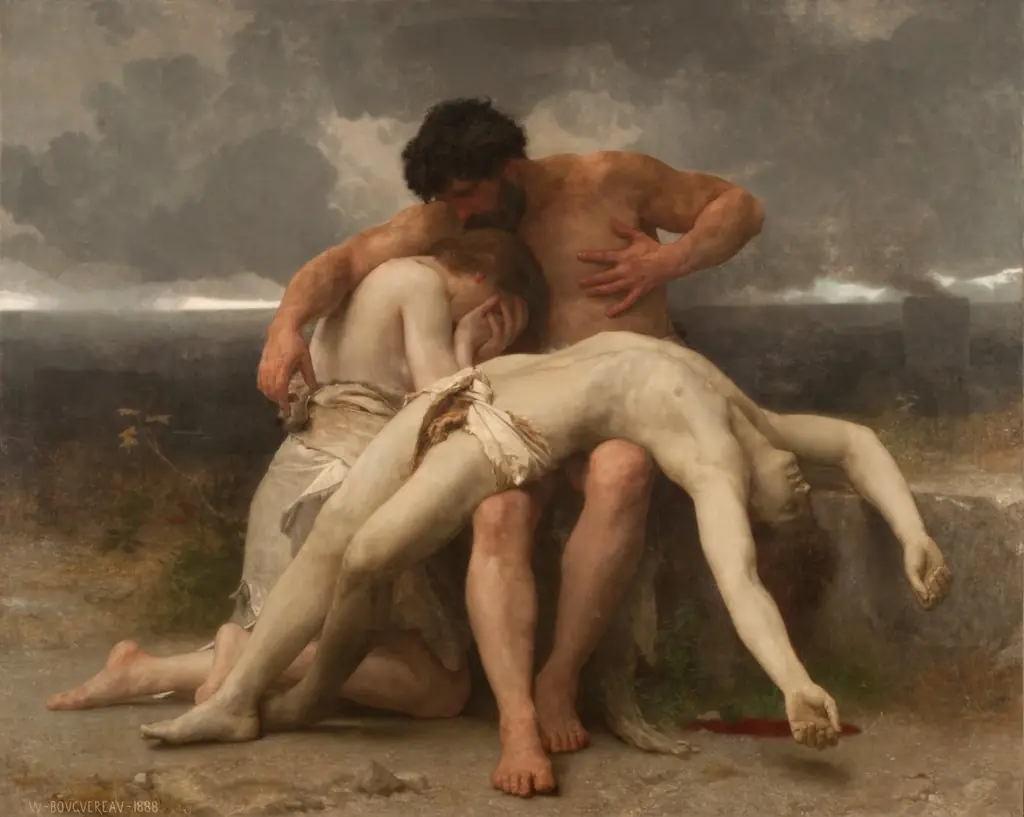
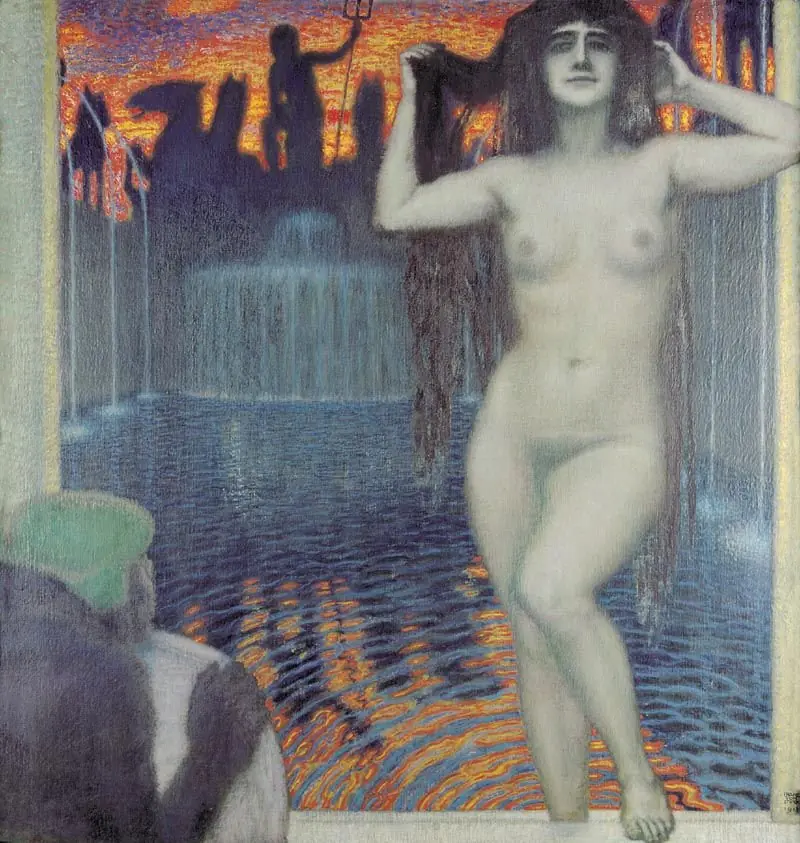
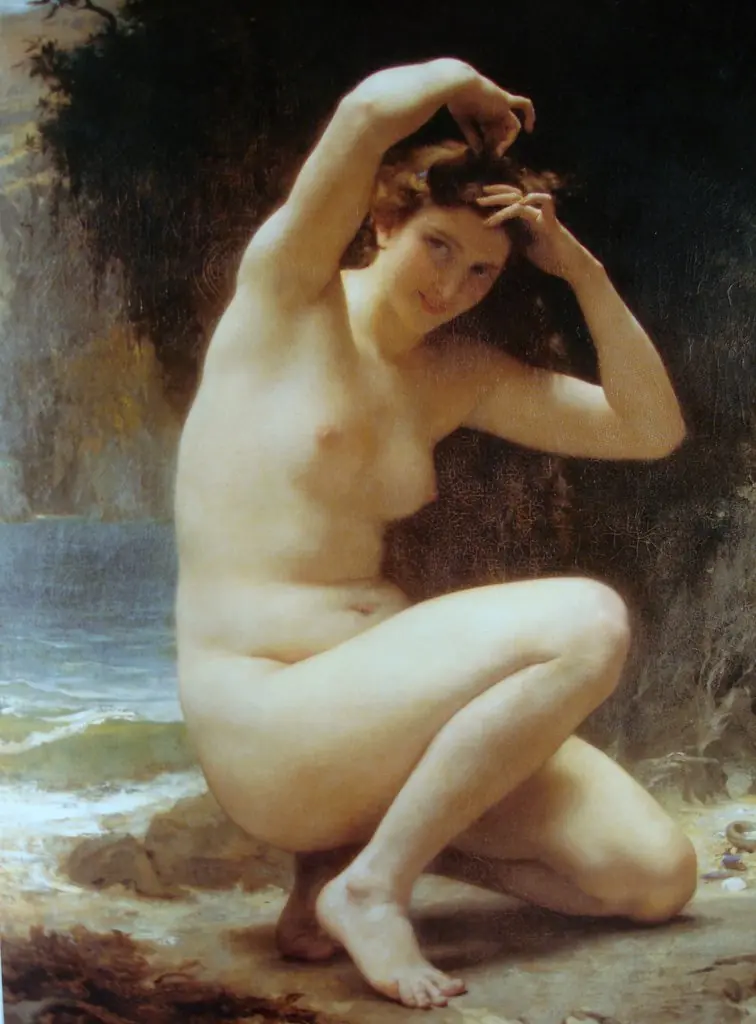
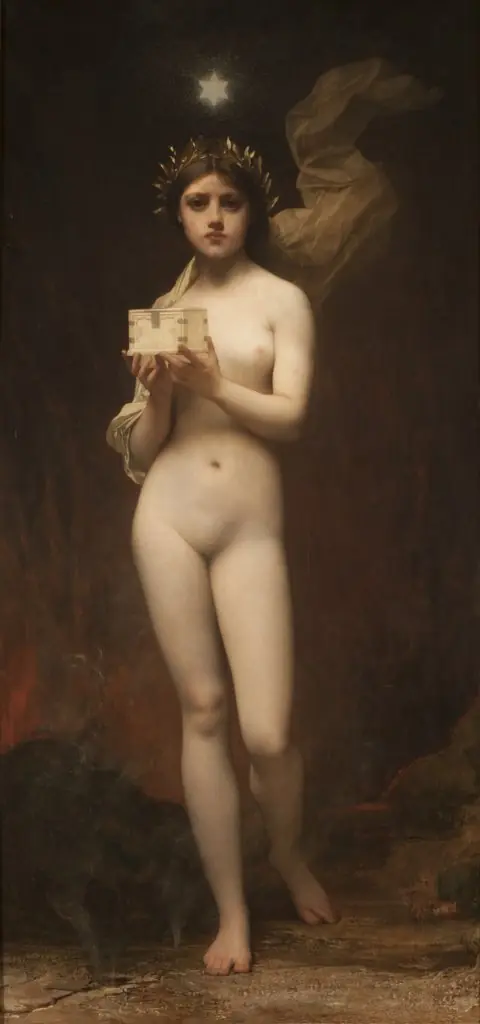
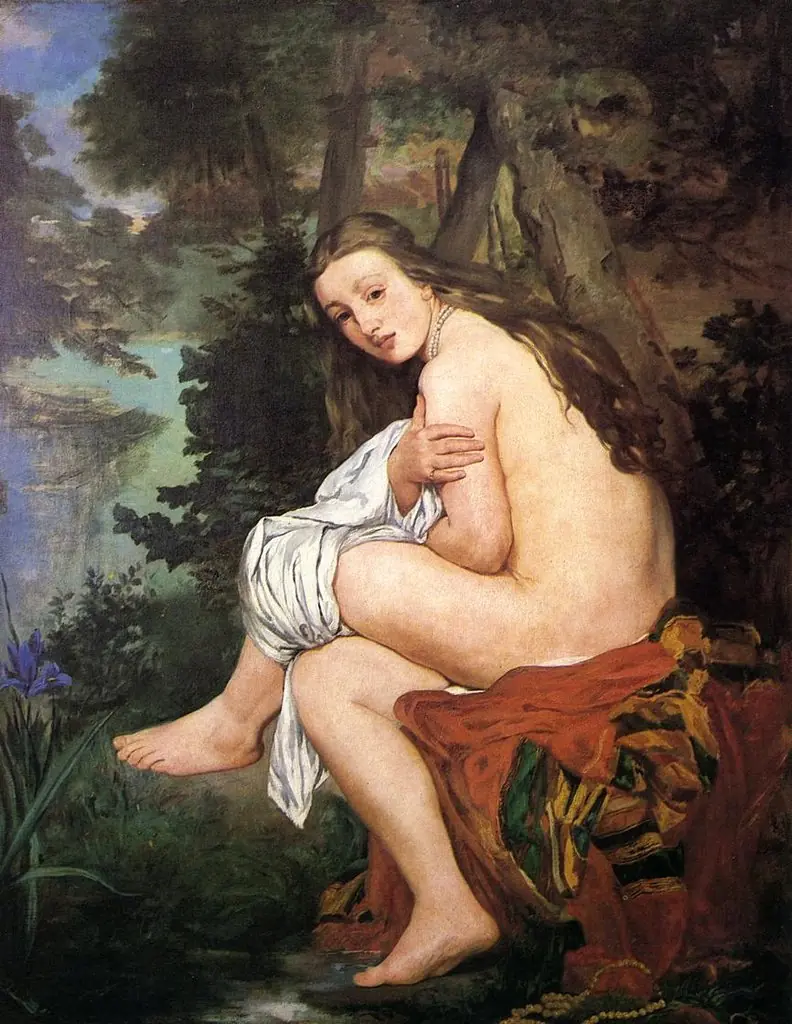
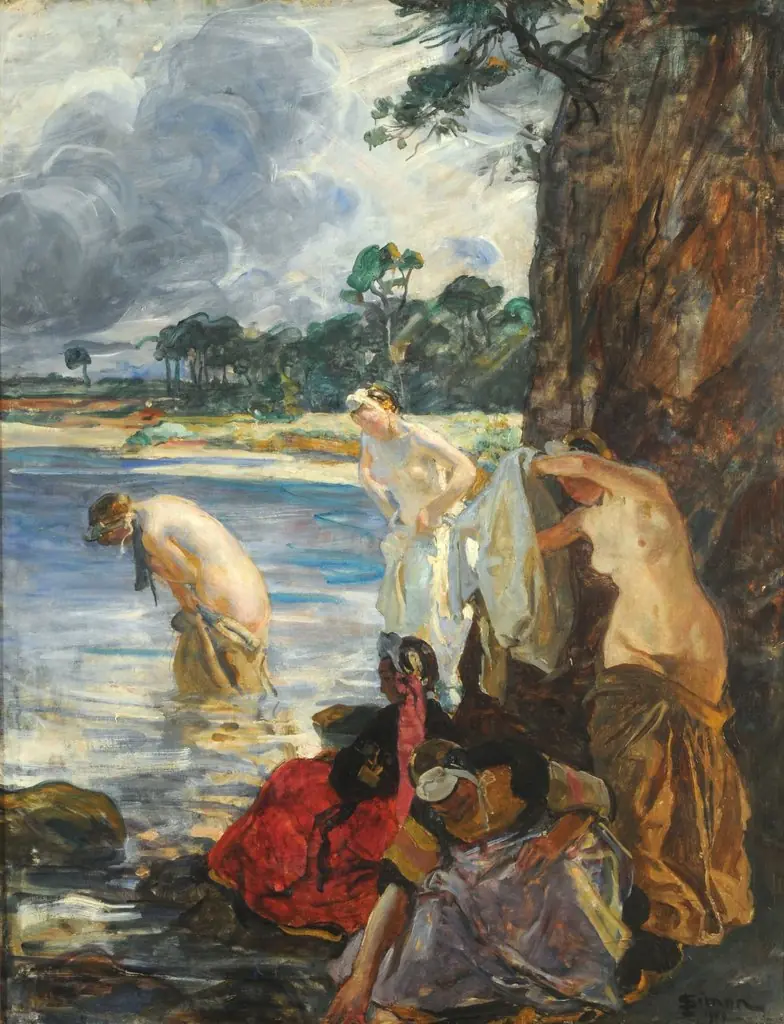
Works from National Museum of Fine Arts, Argentina
Plan your visit
National Museum of Fine Arts, Argentina
- Website
- www.bellasartes.gob.ar
What's on
- Together
- Eugenio Dittborn. Stories of the FaceFrom 20 Mar 2026