Museum
National Museum of Romanian Literature

Image: Wikimedia Commons.
National Museum of Romanian Literature is a museum in Chișinău, Moldova.
About National Museum of Romanian Literature
Overview
The National Museum of Romanian Literature (Muzeul Național al Literaturii Române), currently operating under the name 'Mihail Kogălniceanu' National Literature Museum, is a public institution of culture and scientific research located in Chișinău, Moldova. Established in 1965, it serves as the primary repository for the literary heritage of the Romanian language and culture in the region. The museum is dedicated to acquiring, preserving, researching, and valorizing its extensive museum heritage for the purposes of education, knowledge transfer, and public recreation. It functions under the administration of the Ministry of Culture of the Republic of Moldova.
History & Founding
The institution was founded on the initiative of the Writers' Union of Moldova by a decision of the Council of Ministers of the Moldavian SSR on February 10, 1965, commencing operations on April 1, 1965. Initially known as the Republican Museum of Literature of the SSRM, it was affiliated with the Writers' Union and led by its first director, Gheorghe Cincilei. In 1983, the museum was renamed in honor of the scholar Dimitrie Cantemir. Following the independence of Moldova, it was transformed in 1991 into the 'Mihail Kogălniceanu' National Center for Literary Studies and Museography, and in 1997 adopted the name 'Mihail Kogălniceanu' Museum of Romanian Literature. A significant administrative shift occurred on December 22, 2012, when the museum was transferred from the Writers' Union to the Ministry of Culture, officially recognized as a national museum effective January 1, 2013.
Building & Architecture
The museum's headquarters is located at 79 Alexie Mateevici Street in Chișinău. The complex comprises four buildings, the most notable of which is the 'Villa of the engineer G. Pronin, fragment,' an architectural monument of national heritage dating from the early 20th century. This historic structure serves as a central part of the museum's physical presence, providing a setting that reflects the cultural and architectural history of the capital. The move to this location on Alexie Mateevici Street was confirmed as of February 25, 2021, marking a significant phase in the institution's spatial development.
Collection Highlights & Notable Holdings
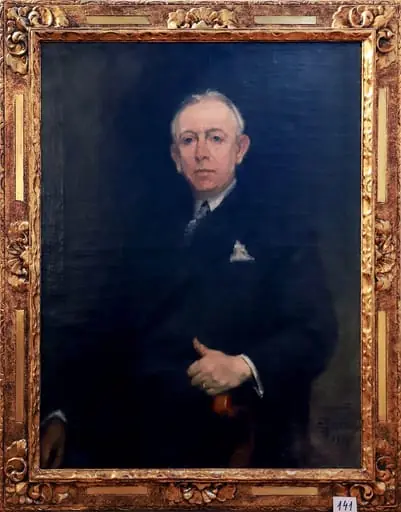
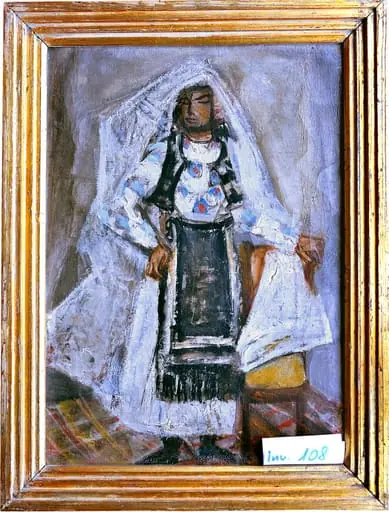
The museum's heritage is vast, totaling over 238,000 cultural assets currently undergoing classification. The collection encompasses a diverse range of materials including manuscripts, rare books, periodicals, works of art, audio and video recordings, photographs, and personal items belonging to renowned writers. It also houses significant folklore creations and folk art. The collection documents the evolution of Romanian literature from the 16th to the 21st century, featuring secular and religious texts. The sheer volume and variety of these holdings make it a critical resource for scholars and the general public interested in the literary history of the region.
Significance & Branches
As a national museum, the institution plays a pivotal role in preserving and promoting Moldovan and Romanian literary culture. Its status allows it to manage a network of branch museums, extending its reach beyond Chișinău. These branches include the 'Alexandru Donici' Memorial House in Donici village (established 1977), the 'Constantin Stamati' Memorial House in Ocnita village (1988), and the 'Grigore Vieru' Memorial House in Pererita village (2015). Through these branches and its central activities, the museum conducts scientific research and organizes exhibitions that enhance the understanding of the nation's literary heritage.
Current Operations & Public Access
The museum remains an active cultural hub, regularly hosting events such as book launches, commemorative exhibitions, and poetry readings. Recent activities include exhibitions dedicated to contemporary authors and historical anniversaries, such as those for Anatol Codru and Nicolae Romanenco. The institution operates with a schedule that accommodates visitors on Tuesdays through Sundays, with specific hours varying slightly by season but generally running from 10:00 to 16:00. Its ongoing engagement with the public and the literary community underscores its role as a living center of cultural life in Moldova.
What to see at National Museum of Romanian Literature
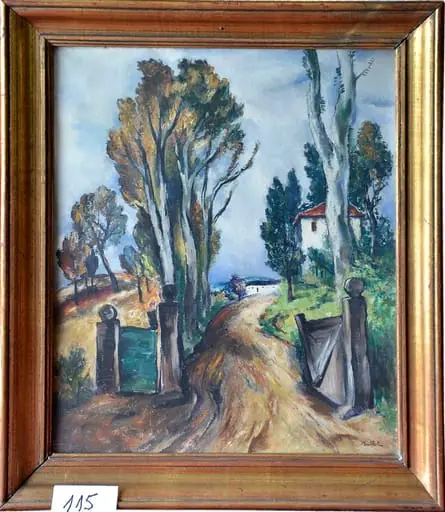
Start with Poarta de la vie (Peisaj cu plopi) by Adam Bălțatu.
What's on
- Expoziție „Pasărea de aur”, autor Ana – Maria Ariciu15 May 2026 – 21 Jun 2026