Art Museum
Palace of Versailles

Image: Wikimedia Commons.
Palace of Versailles is an art museum in Versailles, France. 100 works from its collection are in this catalog, including Jacques-Louis David and François Boucher.
About Palace of Versailles
Overview
The Palace of Versailles, located in Versailles, France, stands as a visual history of French architecture spanning from the 1630s to the 1780s. Originally a small hunting lodge for Louis XIII, it was transformed into the principal residence of the French kings from Louis XIV to Louis XVI. Today, it functions as a museum dedicated to 'all the glories of France,' a vocation established by Louis-Philippe in 1837. The estate encompasses the Palace, the Gardens, and the Trianon Estate, housing a collection of 90,000 artworks that illustrate five centuries of French history.
History & Founding
The site's origins date to 1624 when Louis XIII constructed a small brick and stone château. Following his death in 1643, his son Louis XIV began expanding the structure, first under the direction of architect Le Vau in an Italianate style after 1661. After the Franco-Dutch War ended in 1678, Jules Hardouin-Mansart was appointed First Architect and radically modified the estate, introducing a sober, colossal, and homogenous architecture. The court and government officially moved to Versailles in 1682, making it the seat of power until the royal family departed in October 1789 during the French Revolution. In 1792, the palace was declared a museum, and in 1837, Louis-Philippe inaugurated it as a museum of the history of France.
Architecture & Layout
The palace features a U-shaped layout with a central corps de logis and symmetrical advancing secondary wings terminating in the Dufour Pavilion to the south and the Gabriel Pavilion to the north. The eastern facade is a defining feature of the classical style. Key architectural elements include the Hall of Mirrors, constructed between 1678 and 1686, which replaced a terrace and served as a gallery for paintings and receptions. The Royal Chapel, the last building constructed during Louis XIV's reign, was commissioned in 1683-84. The Royal Opera, originally commissioned in 1682, was eventually built at the end of the North Wing. The interior decorations reflect the styles of Louis XIV, Louis XV, and Louis XVI, with specific salons like the Salon of Mercury serving as the State Bedchamber and the Salon of Apollo as the throne room.
The Gardens
The gardens were designed by André Le Nôtre, who created the typology of the French-style garden. This design features an open system of axial pathways extending as far as the eye can see, punctuated by flowers, low hedges, flower beds, small streams, large lakes, and fountains. The gardens form a close symbiosis with the architectural planning, serving as a setting for the magnificence of the interior decorations. The estate includes the Grand Trianon and Petit Trianon, which host specific exhibitions and events. The gardens have undergone significant restoration, including the replanting of over 10,000 trees lost during World War II as part of the 'Grand Versailles' project started in 2003.
Collection & Notable Holdings
The Palace of Versailles houses a collection of 90,000 artworks that reflect the dual vocation of the site as both a royal residence and a museum. Notable holdings include works by Jacques-Louis David, Élisabeth Vigée Lebrun, and Gian Lorenzo Bernini. The King's State Apartments were originally intended as the King's residence but were transformed into galleries for his finest paintings. The Salon of Abundance once displayed Louis XIV's collection of precious jewels and rare objects. The Hall of Mirrors, a masterpiece of interior decoration, was a venue for formal audiences and receptions. The collection also includes furniture and decorations that have been reconstituted to restore the palace to its state in 1789.
Significance & Legacy
For over a century, the Palace of Versailles served as the model for the ideal royal residence in Europe, influencing architecture and horticulture from the mid-17th to the late 18th century. It was the principal residence of the French monarchy from Louis XIV to Louis XVI and the site of significant historical events, including the signing of the Treaty of Paris in 1783 and the Treaty of Versailles in 1919. The site was designated a UNESCO World Heritage site, recognized for its outstanding universal value. The integrity of the palace is maintained through conservation and restoration operations under the scientific and technical control of the State, ensuring the preservation of its authenticity and historical significance.
What to see at Palace of Versailles
Start with Mythological portrait of Louis XIV and the royal family by Jean Nocret.
Works from Palace of Versailles
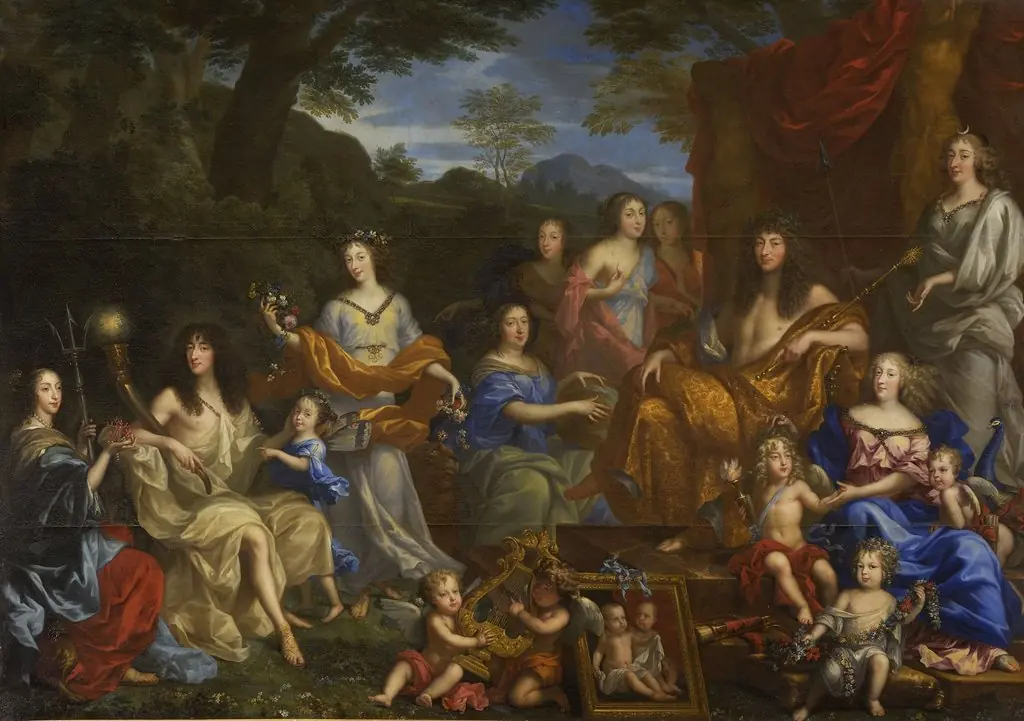 Mythological portrait of Louis XIV and the royal family
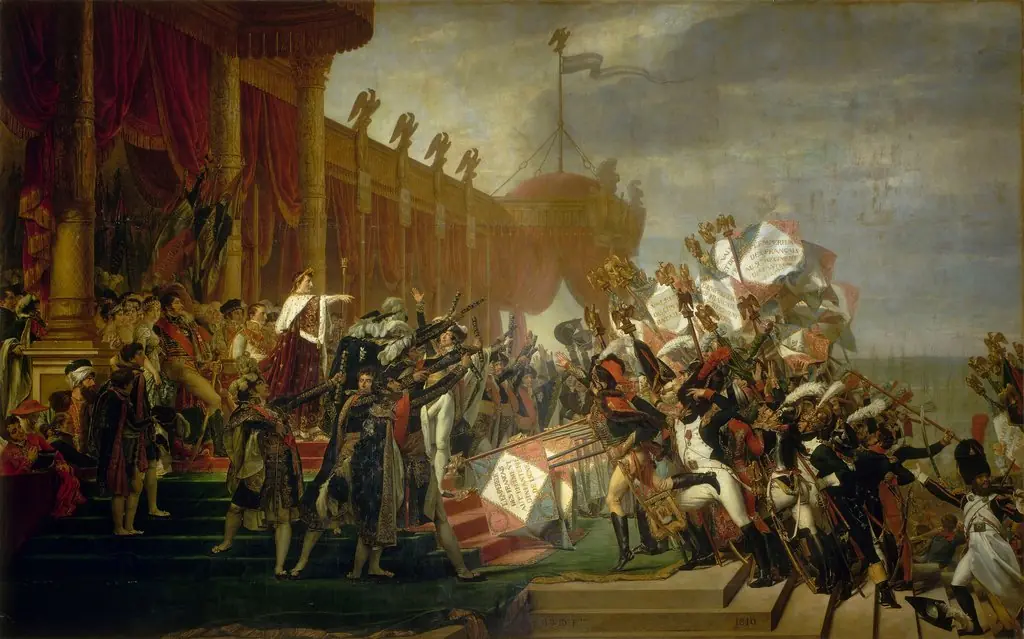 The Distribution of the Eagle Standards
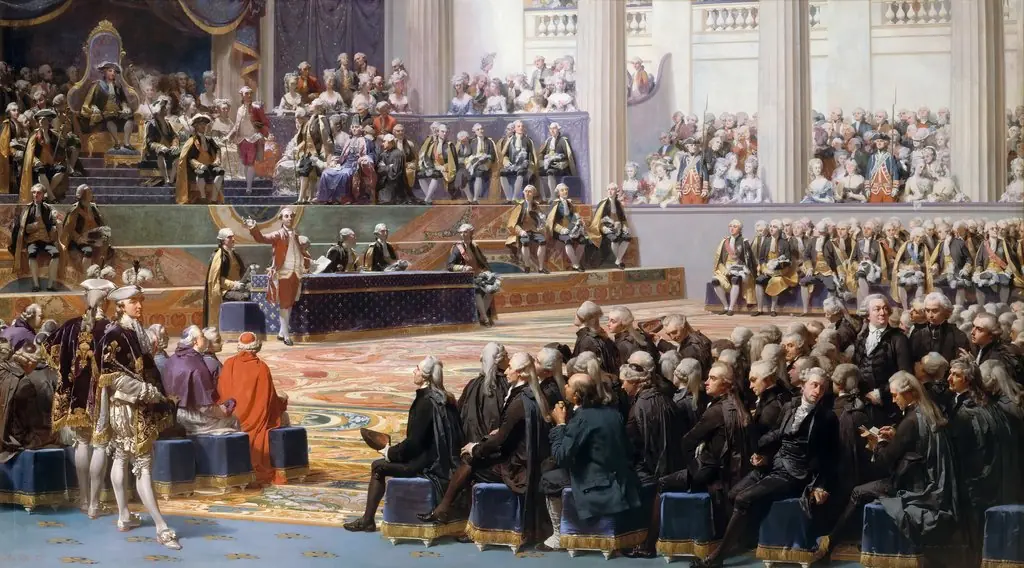 Opening session of the General Assembly, 5 May 1789
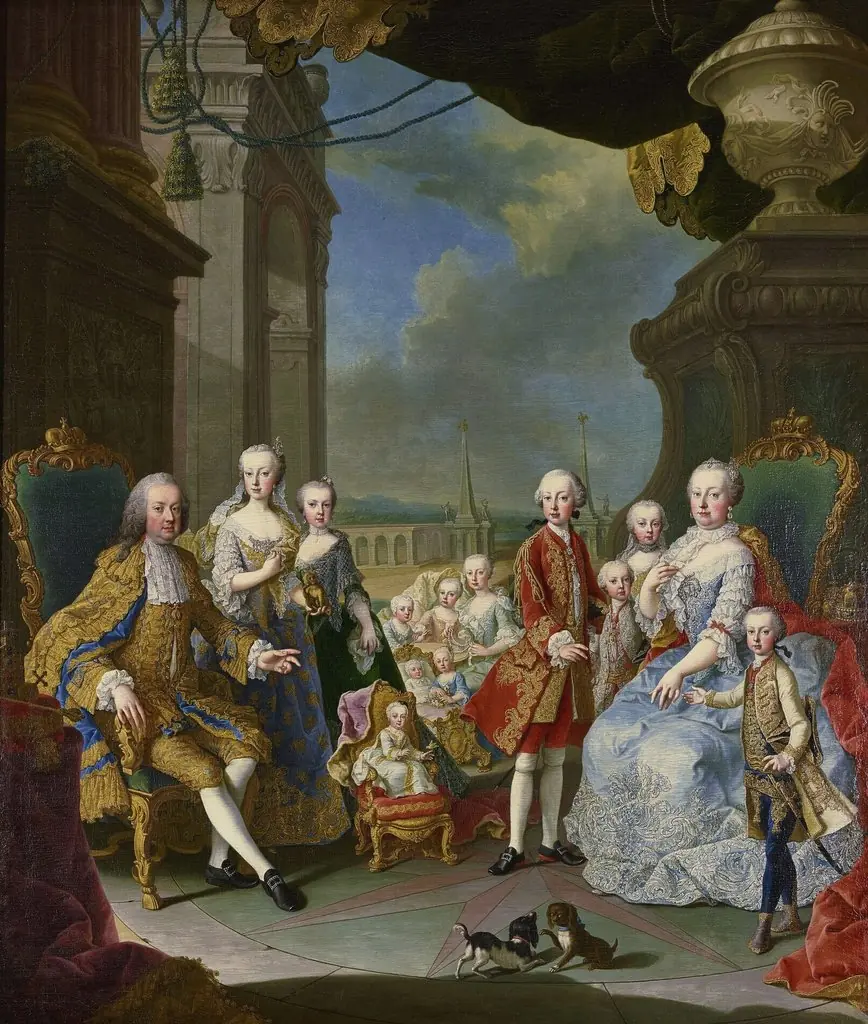 The Imperial family in 1756
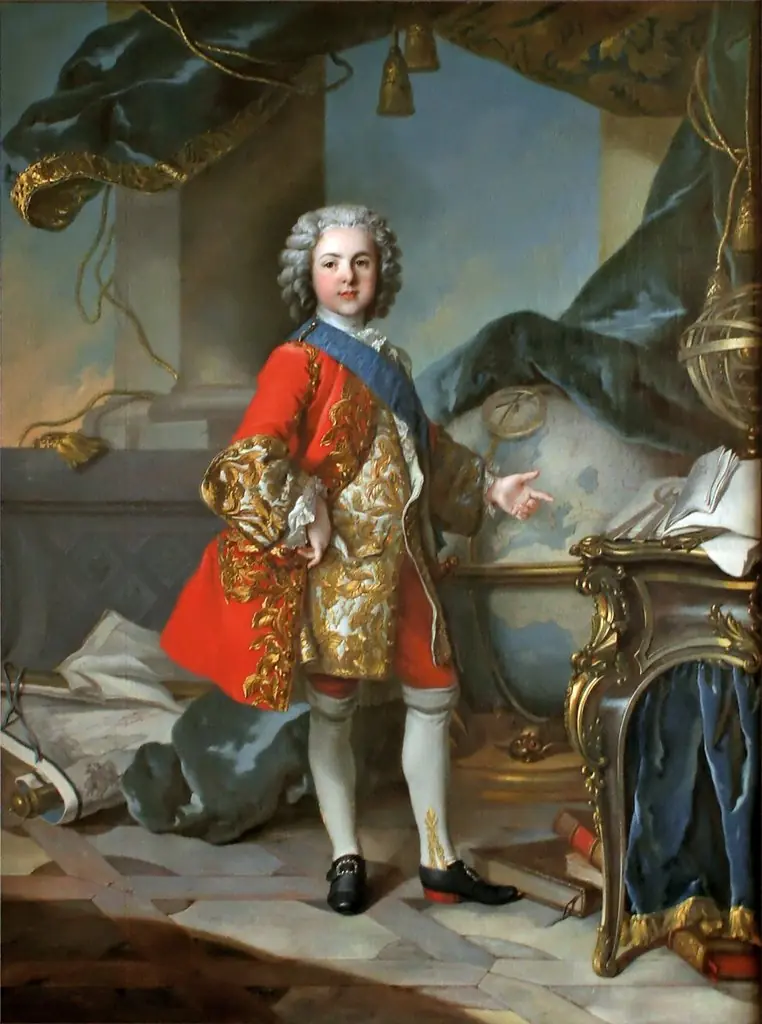 Portrait of Louis of France
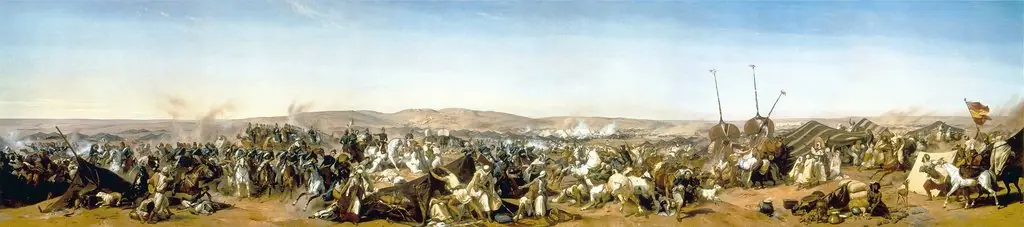 The seizure of Abd-el-Kader's camp in 1843
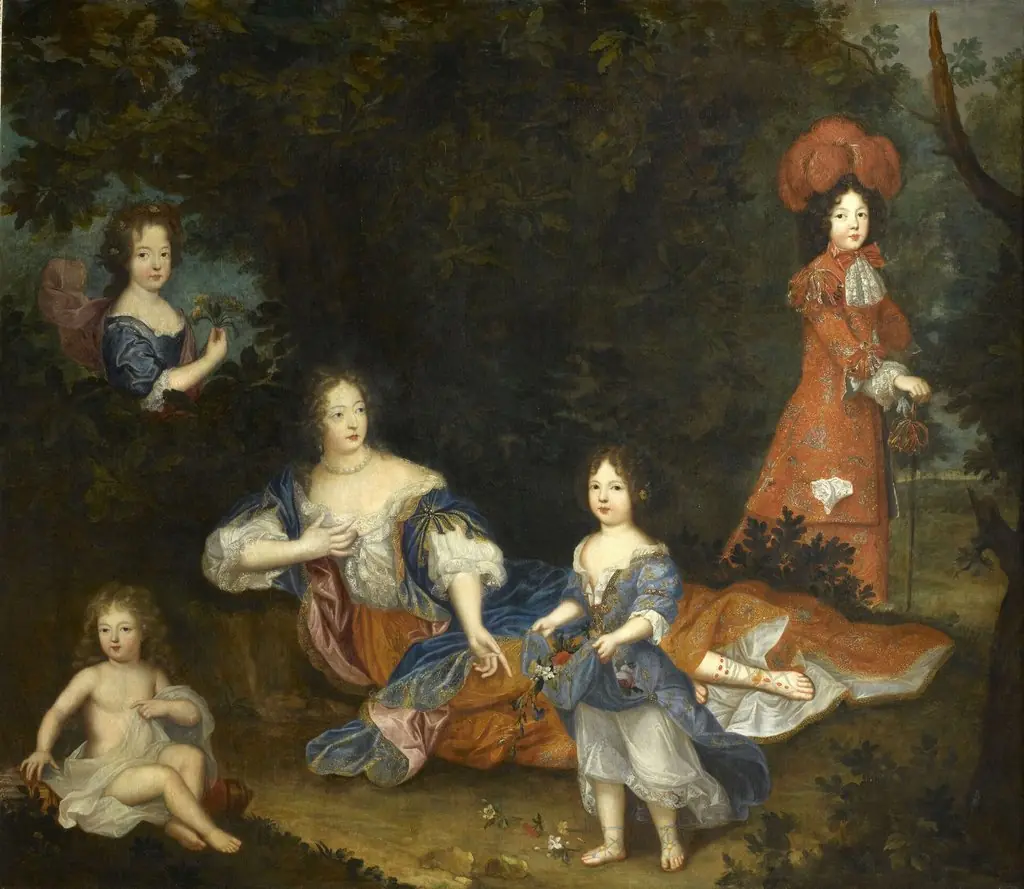 Françoise-Athénaïs de Rochechouart, Marquise de Montespan and her children
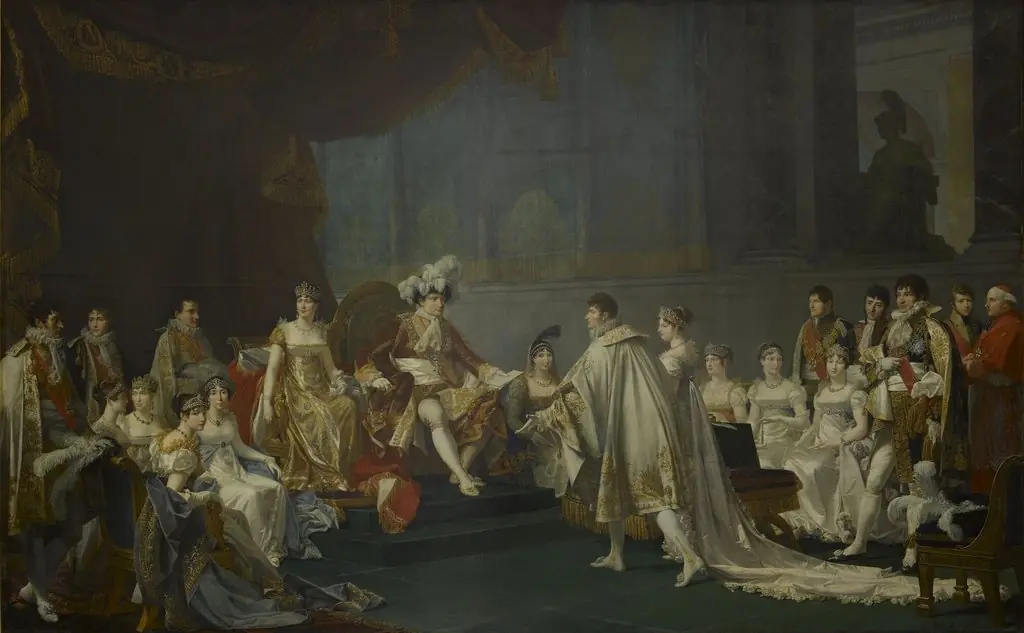 Wedding of Prince Jérôme Bonaparte and Princess Frédérique-Catherine of Wurtemberg, August 22, 1807
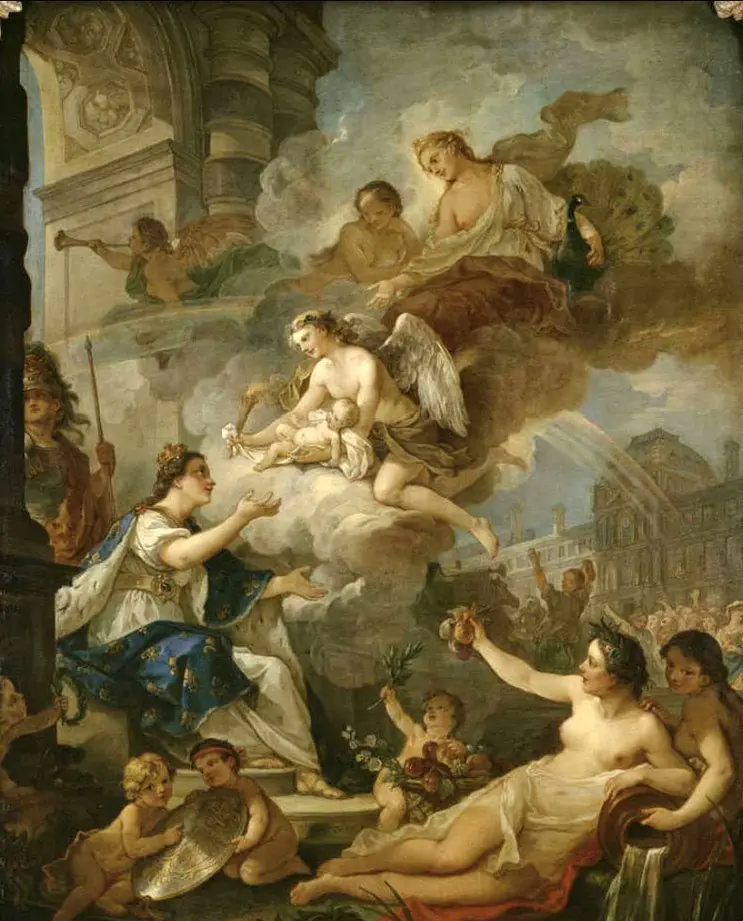 Allegory of the Birth of Marie-Zéphyrine of France, daughter of Louis of France
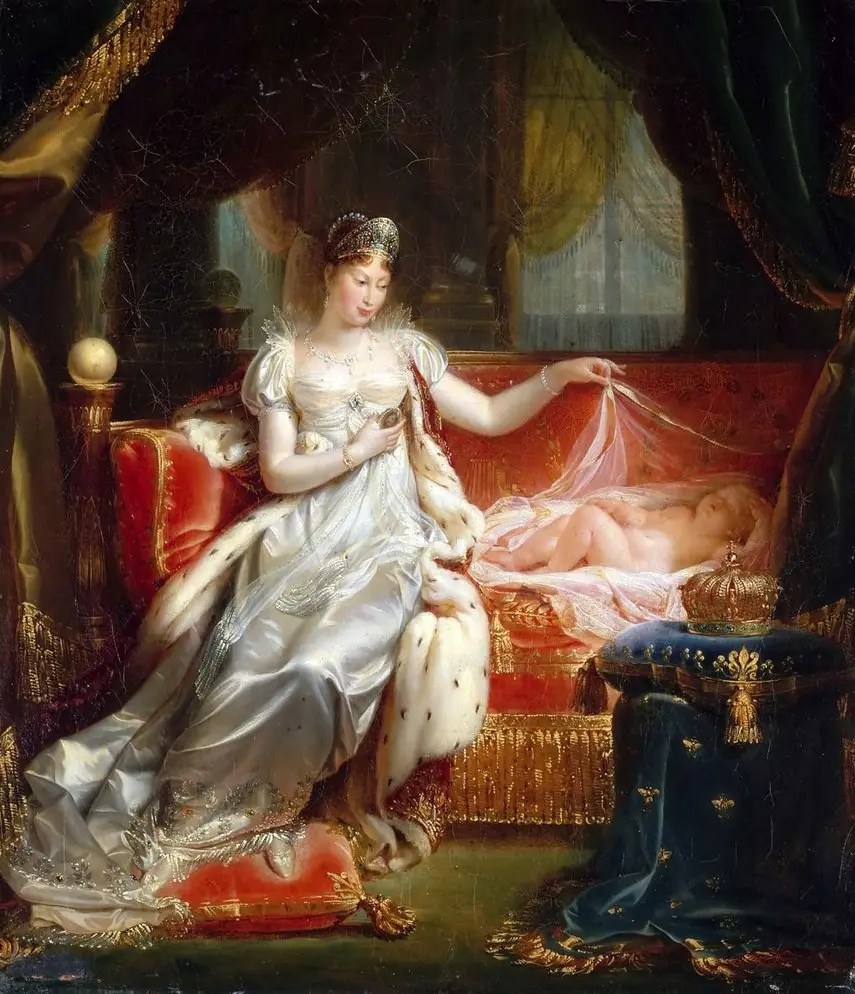 The Empress Marie-Louise watching over the sleep of the King of Rome
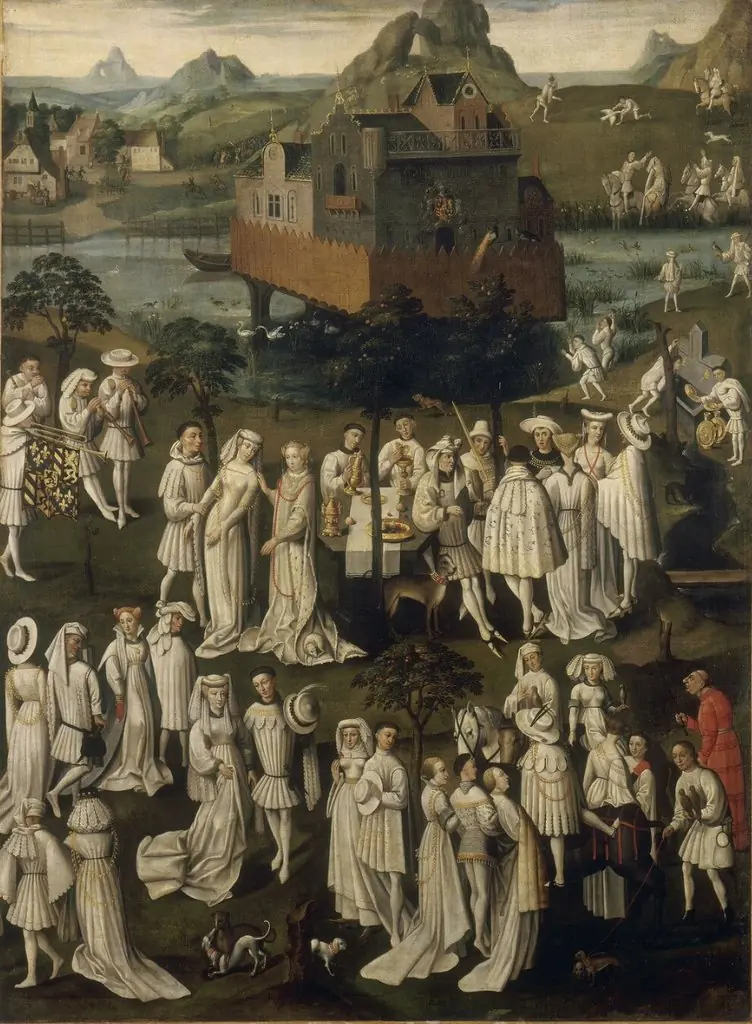 Garden of love at the court of Philippe the Good, Duke of Burgundy
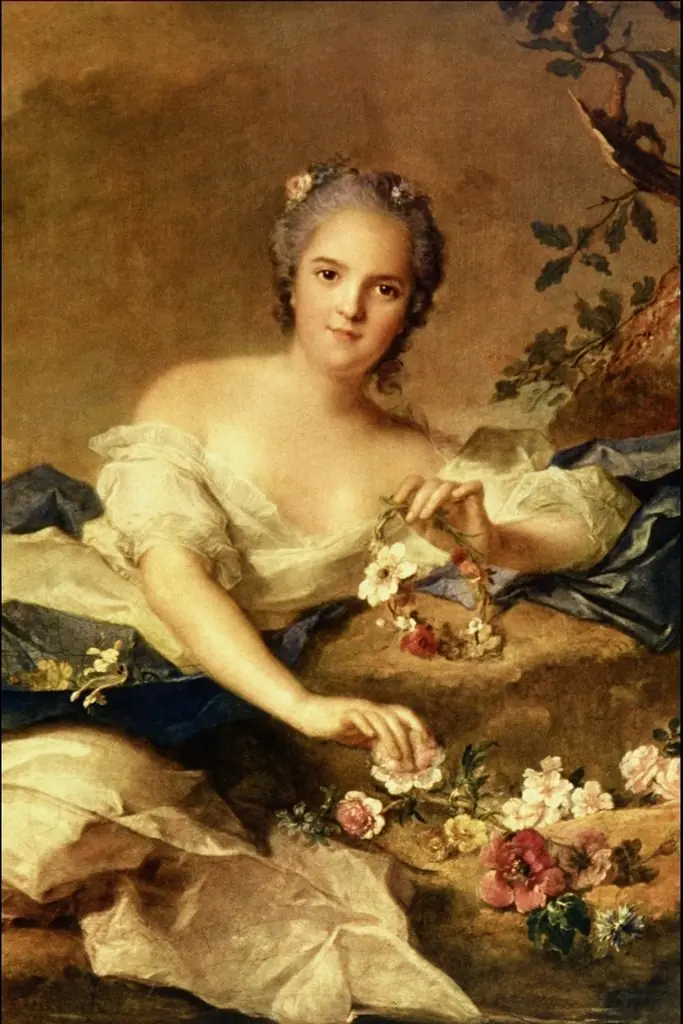 Henriette of France as Flora
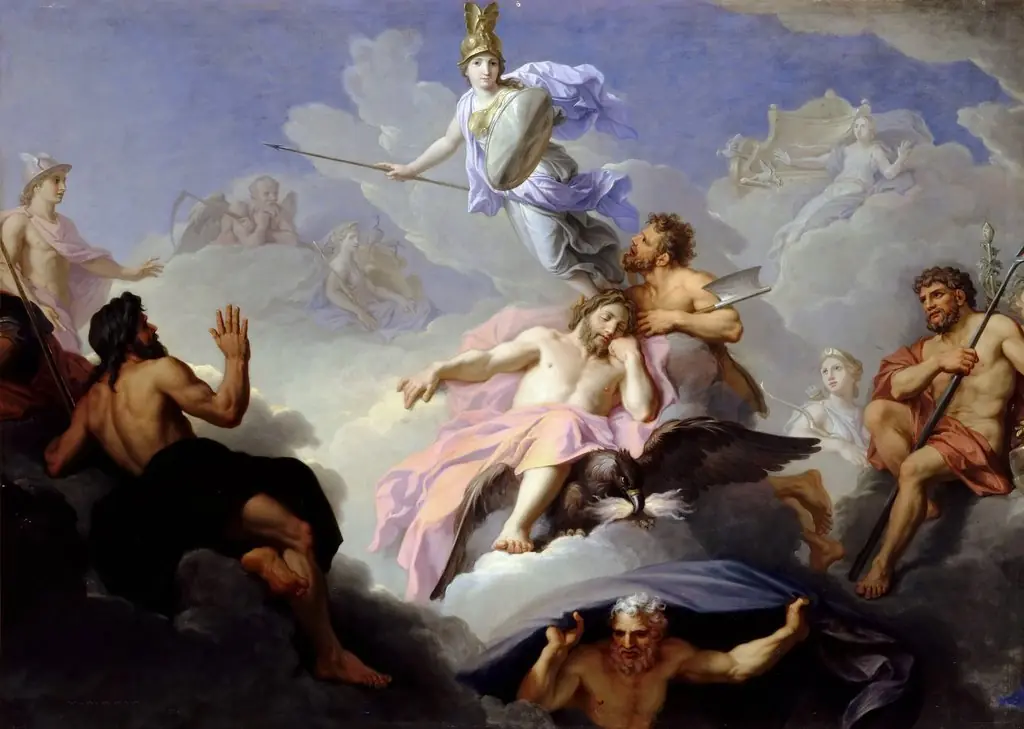 The Birth of Minerva
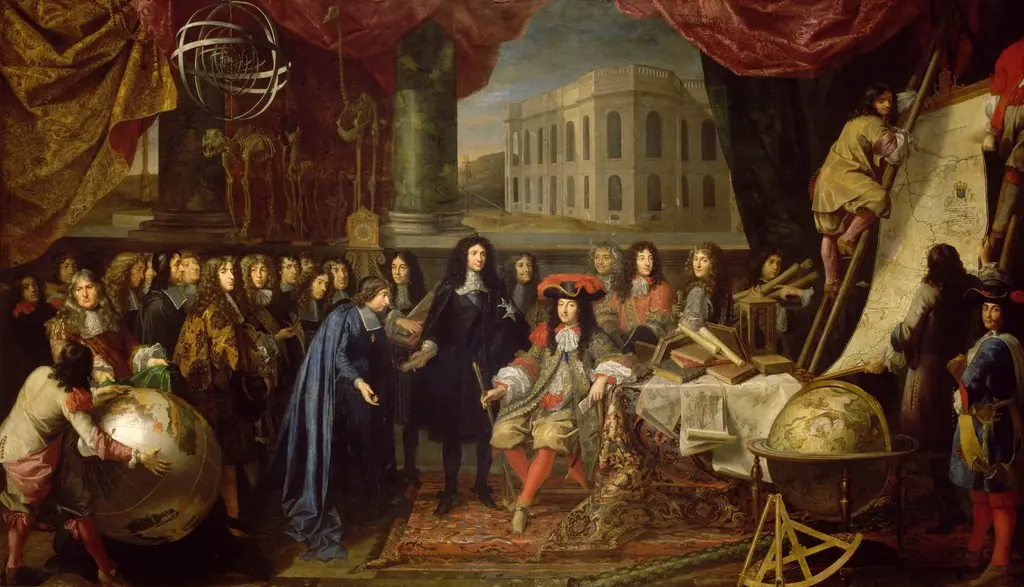 Establishment of the French Academy of Sciences and of Paris Observatory
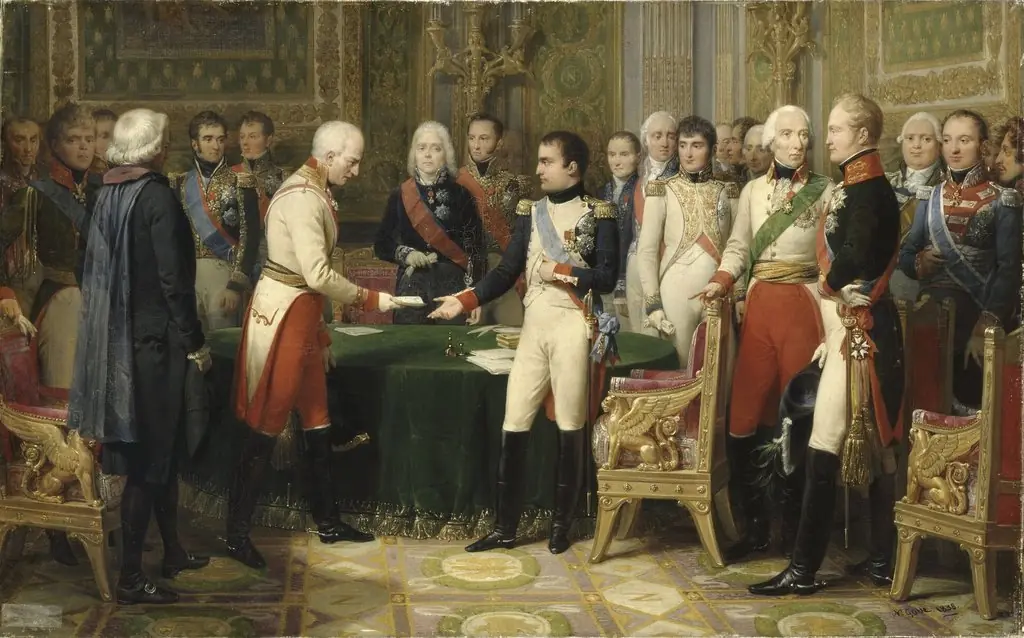 Napoleon I receiving Baron Vincent, the Austrian Ambassador, at Erfurt, 1808
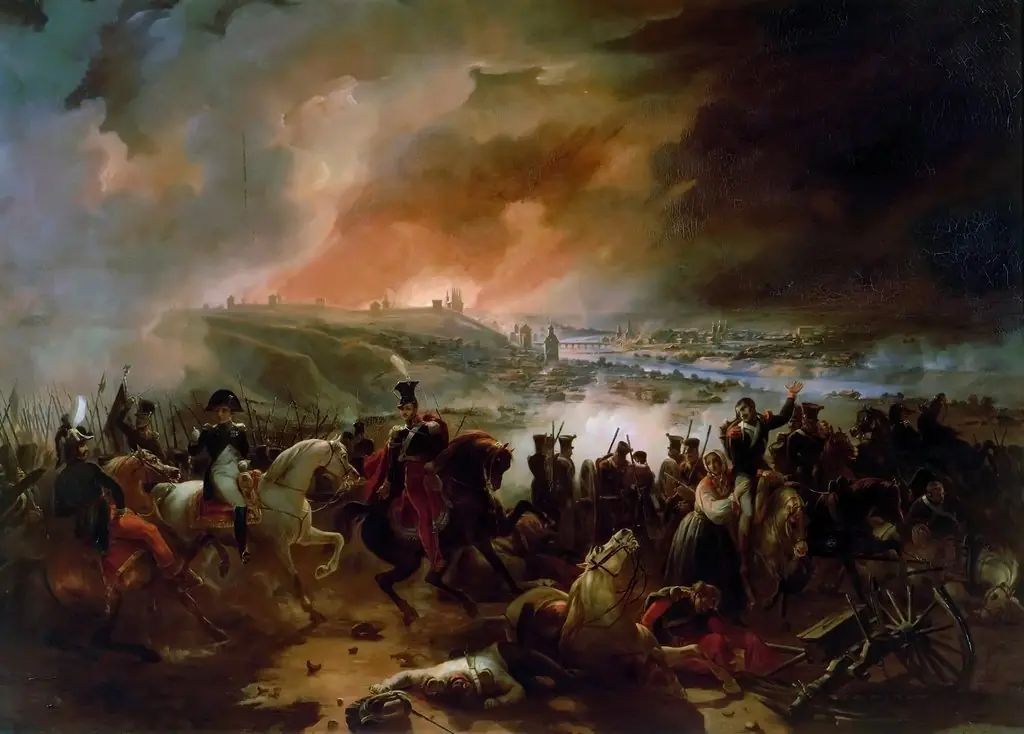 The Battle of Smolensk, 17th August 1812
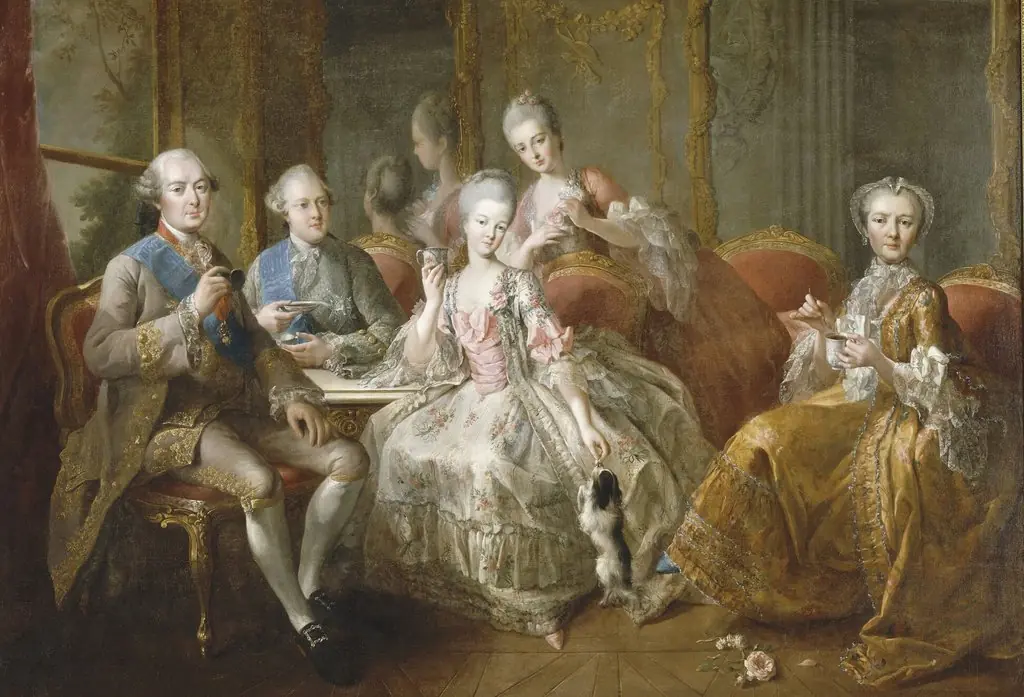 The family of the Duke of Penthièvre called la tasse de chocolat
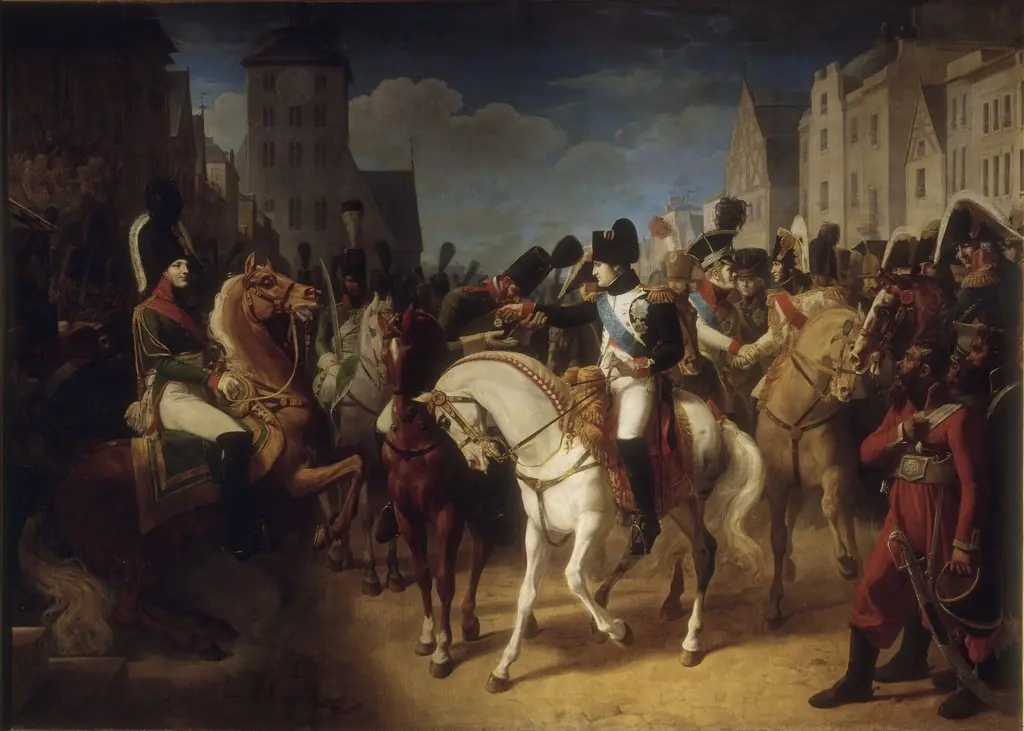 Napoleon I decorated a soldier of the Russian army in Tilsitt with the cross of the Legion of Honor
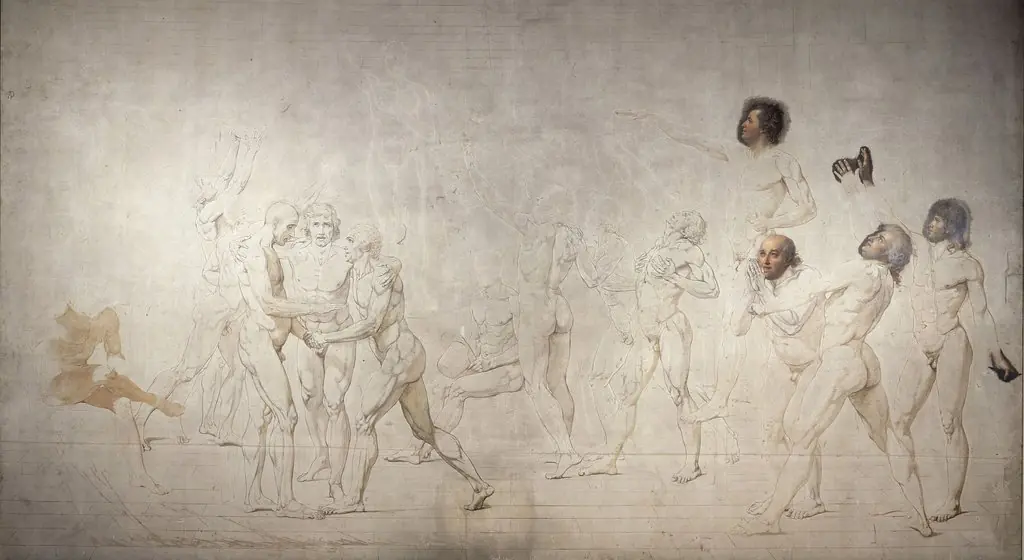 The Tennis Court Oath
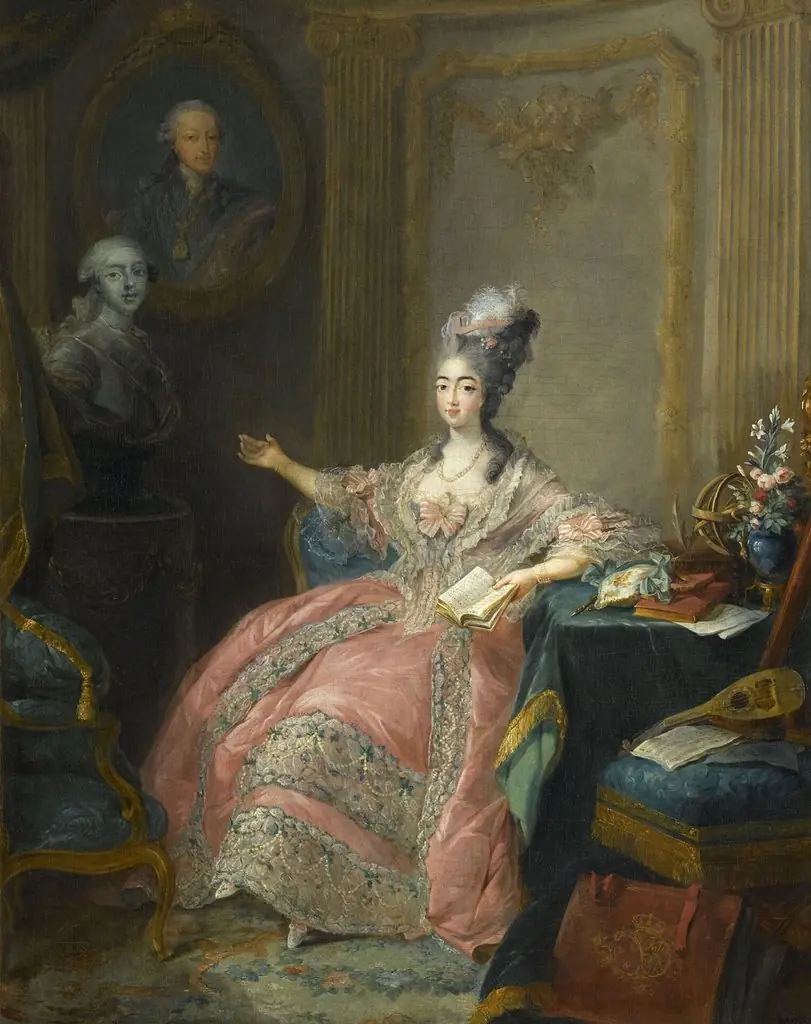 Marie-Joséphine-Louise de Savoie, Countess of Provence
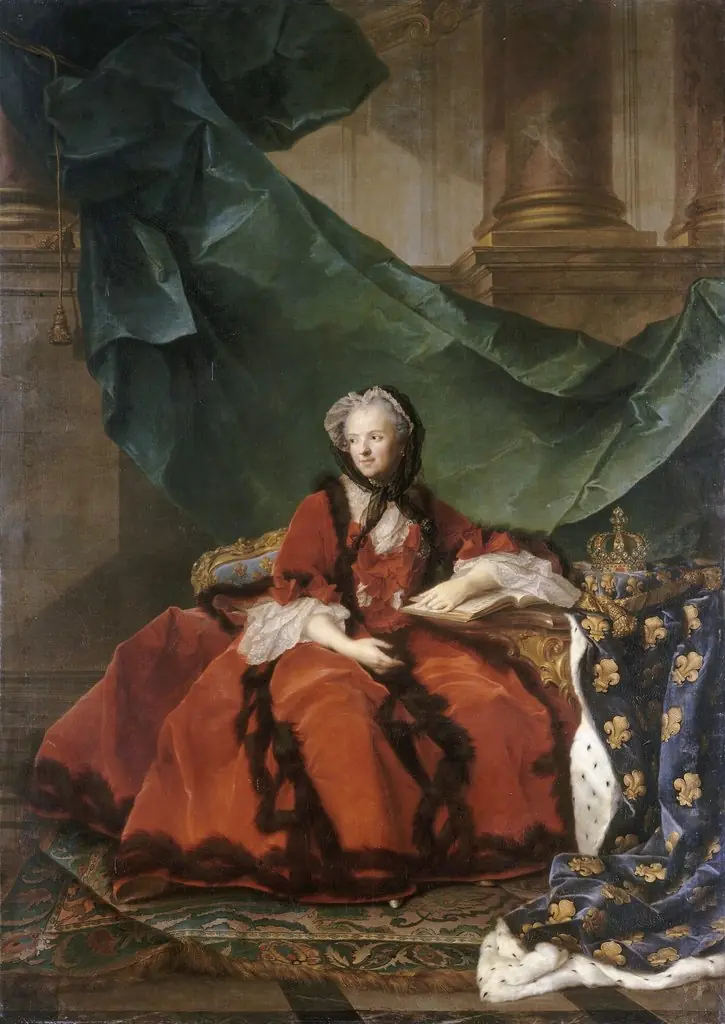 Marie Leszczyńska, Queen of France (1703–1768)
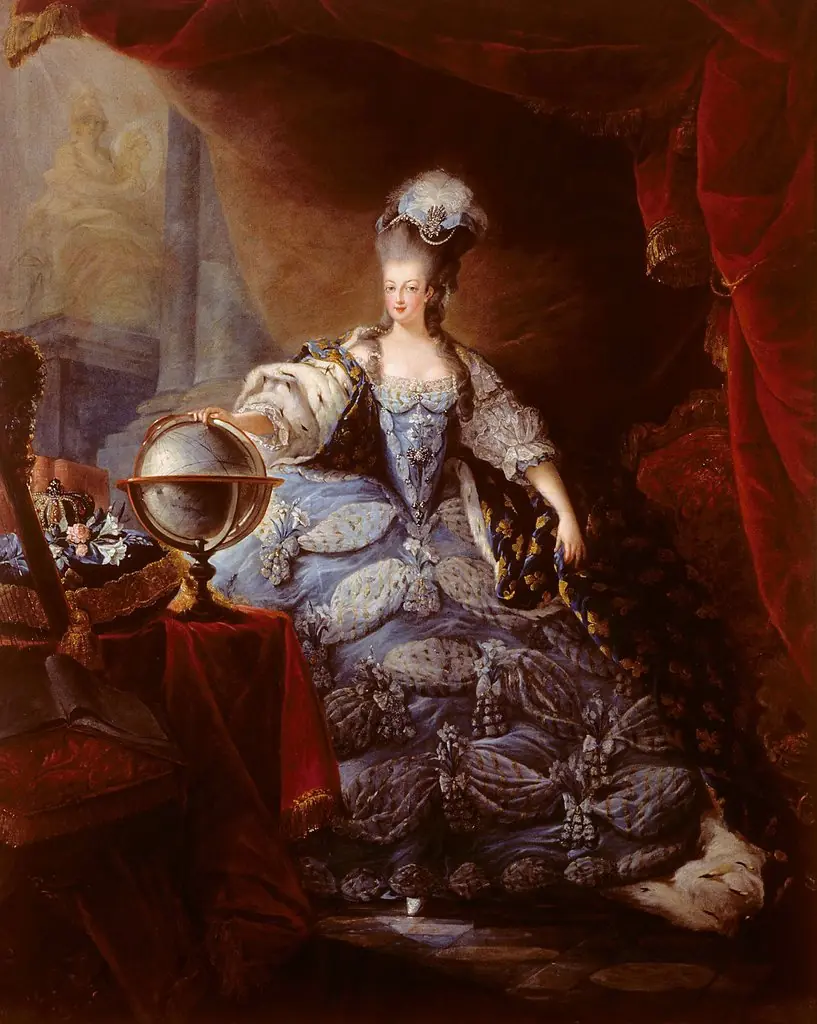 Portrait of Marie-Antoinette of Austria
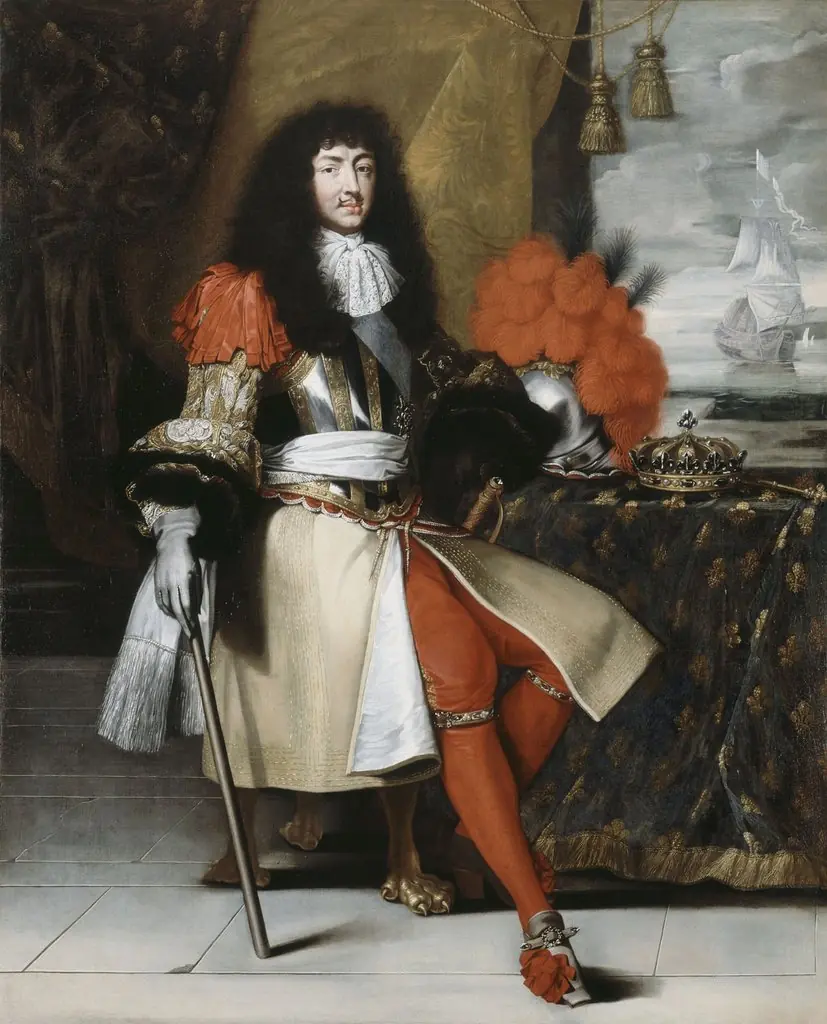 Portrait of Louis XIV of France
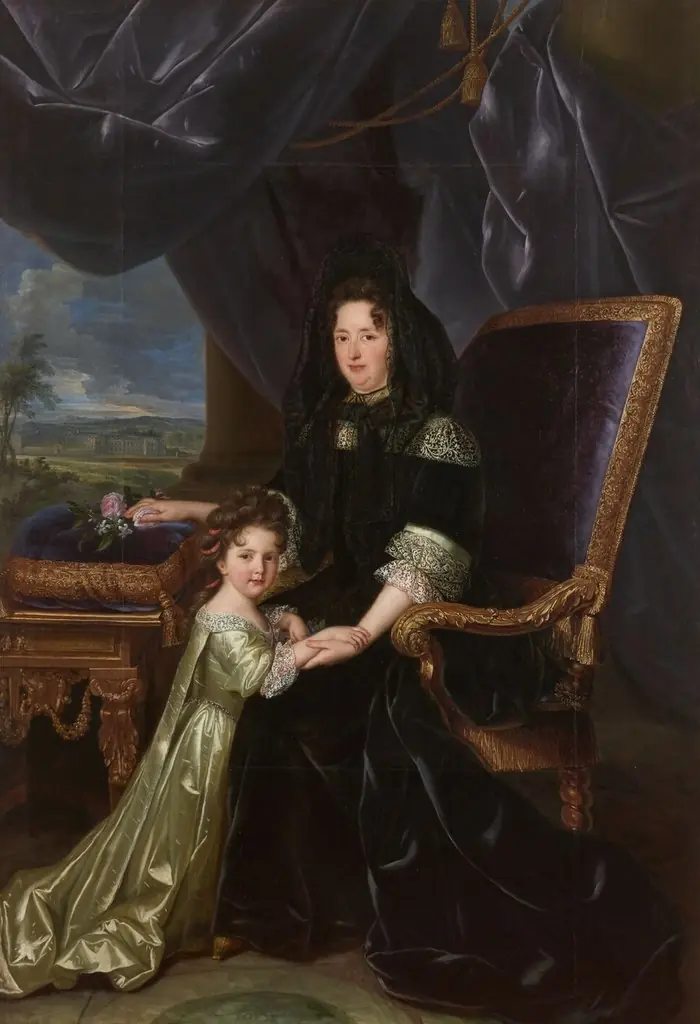 Françoise Charlotte d'Aubigné with her aunt Madame de Maintenon.
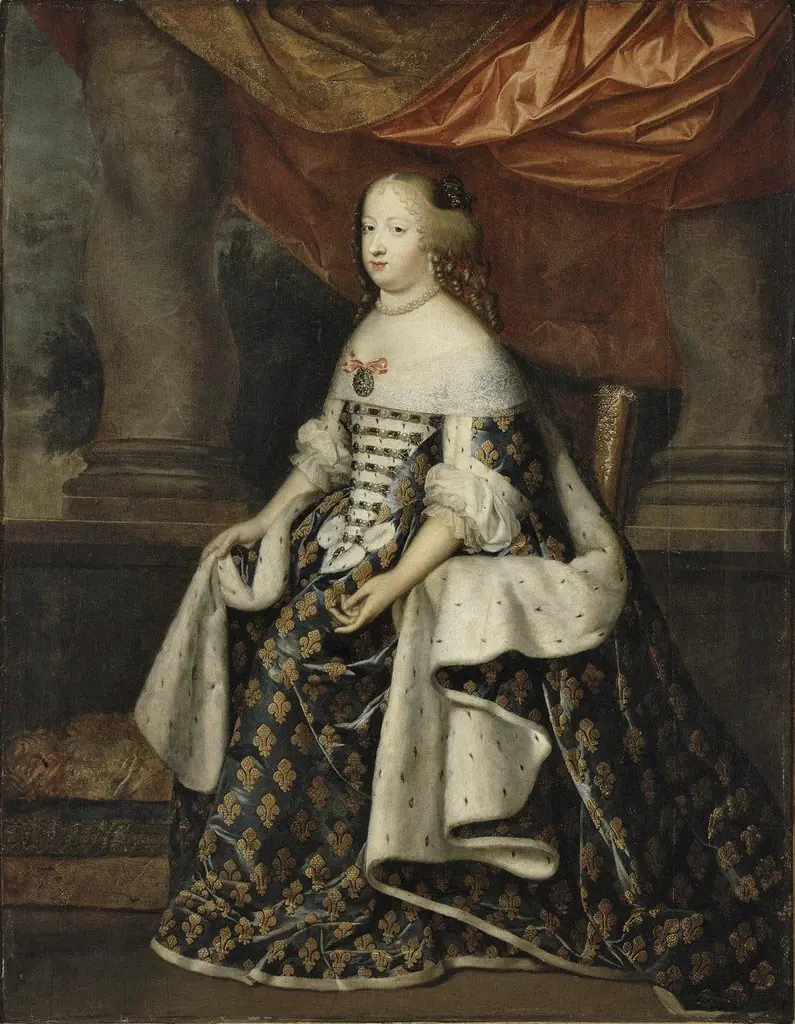 Marie Thérèse of Austria in Royal Costume
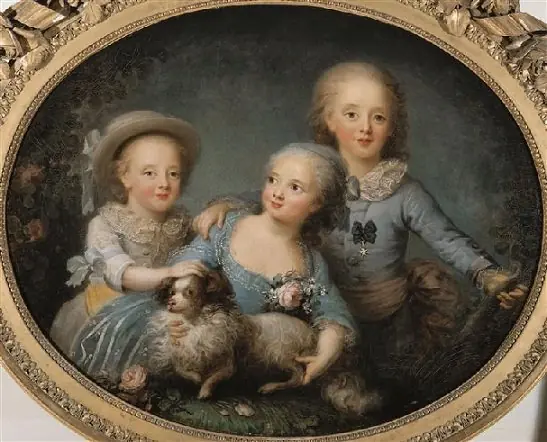 Artois children
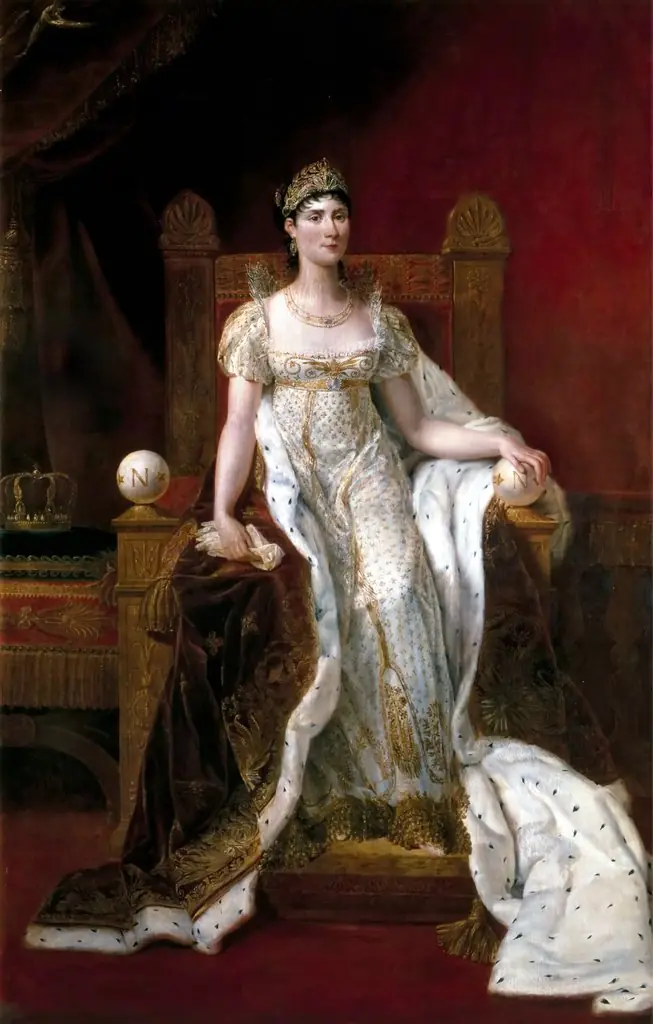 Joséphine, Empress of the French
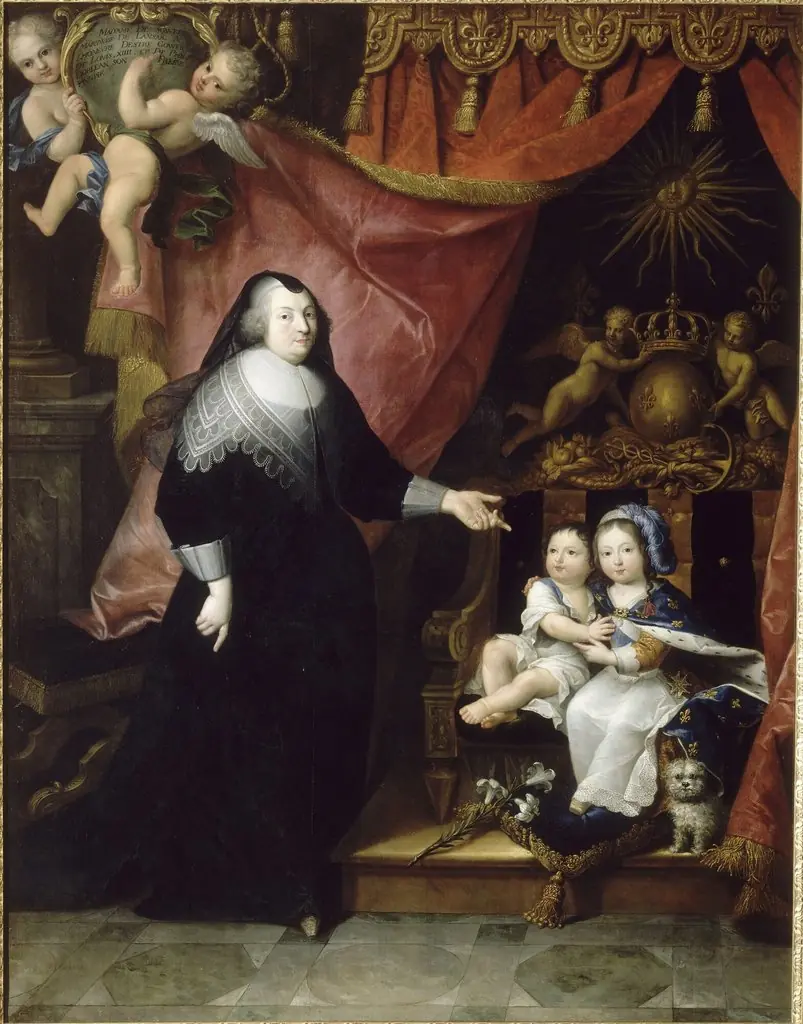 The young Louis XIV with his brother Philippe and his governess Françoise de Souvré, marquise de Lansac
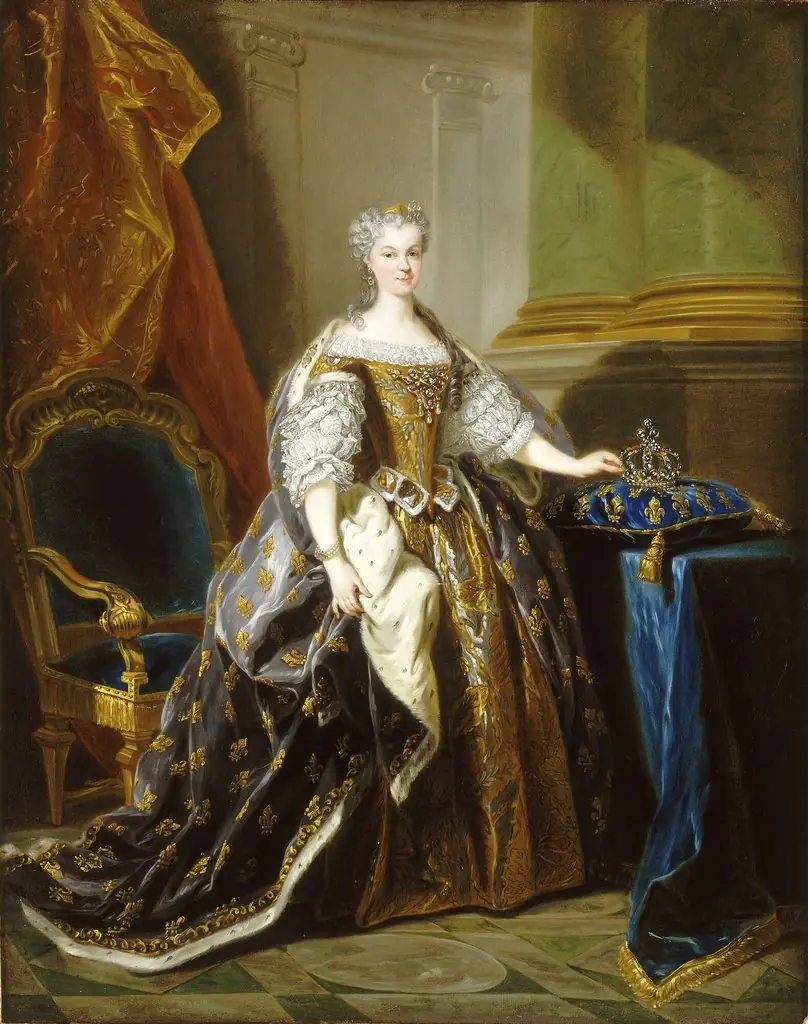 Portrait of Marie Leszczyńka.
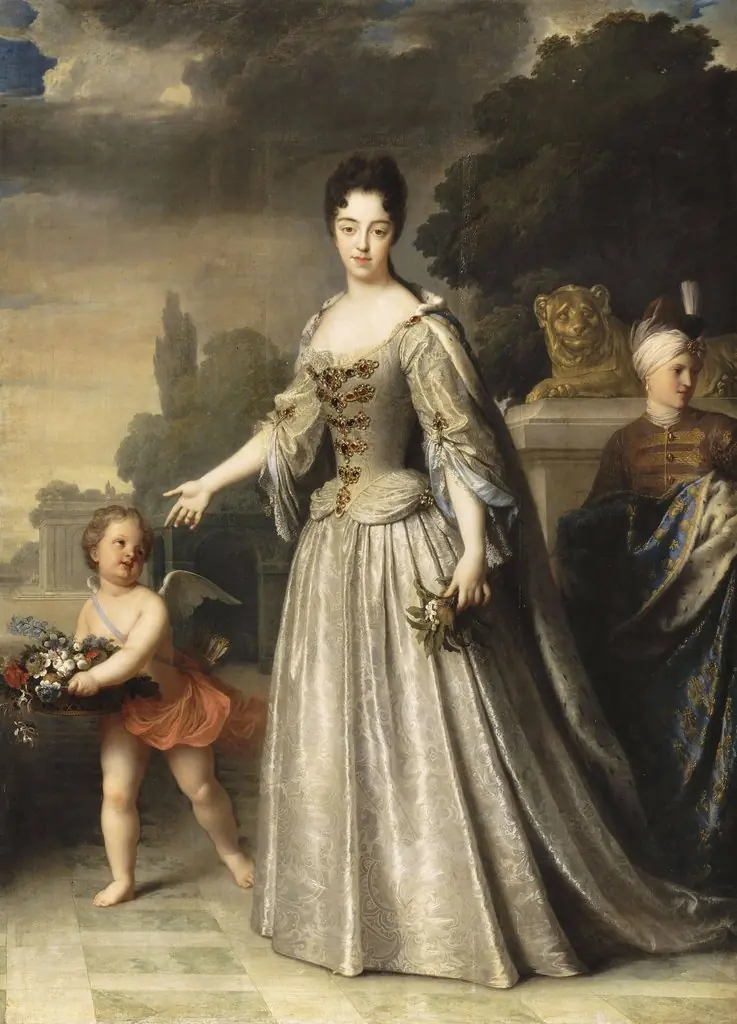 Portrait of Marie Adélaïde of Savoy, Duchess of Burgundy
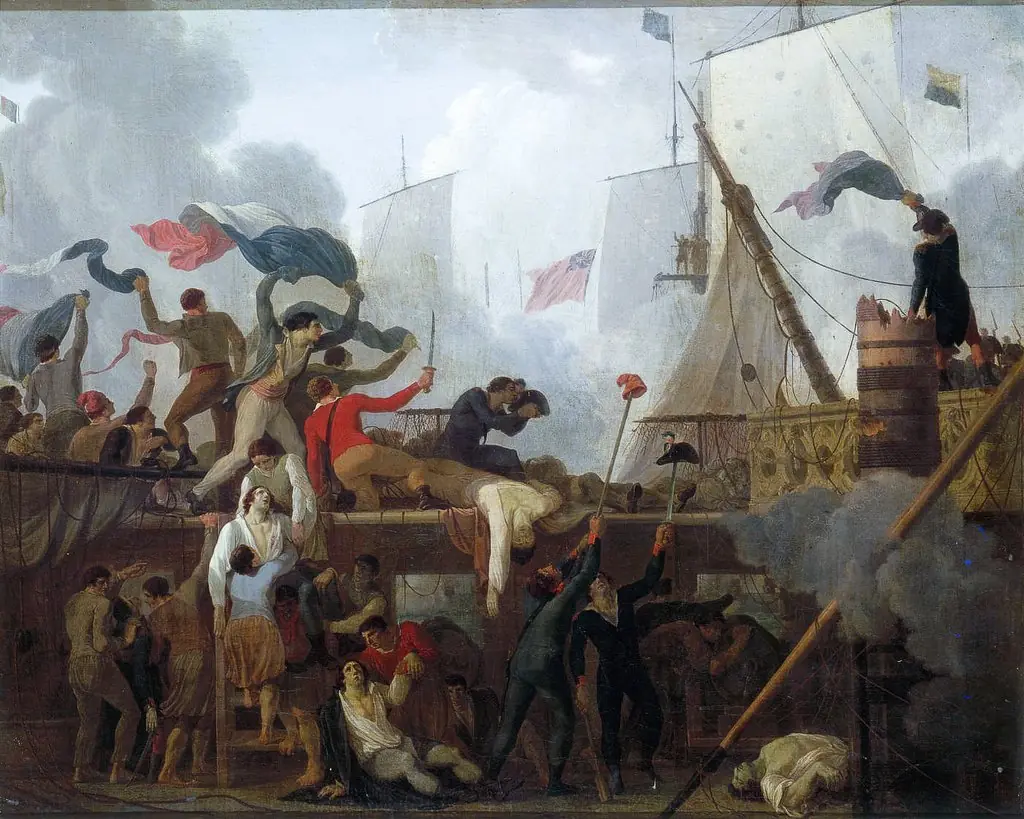 Héroïsme des marins du vaisseau Le Vengeur commandés par le capitaine Renaudin
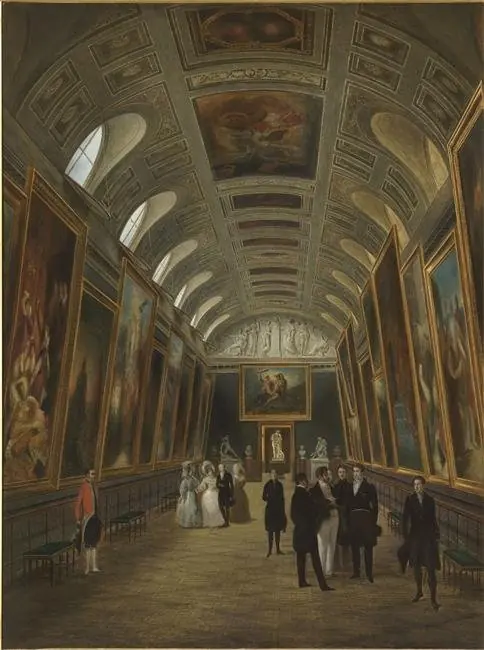 Louis-Philippe visiting the Luxembourg Museum
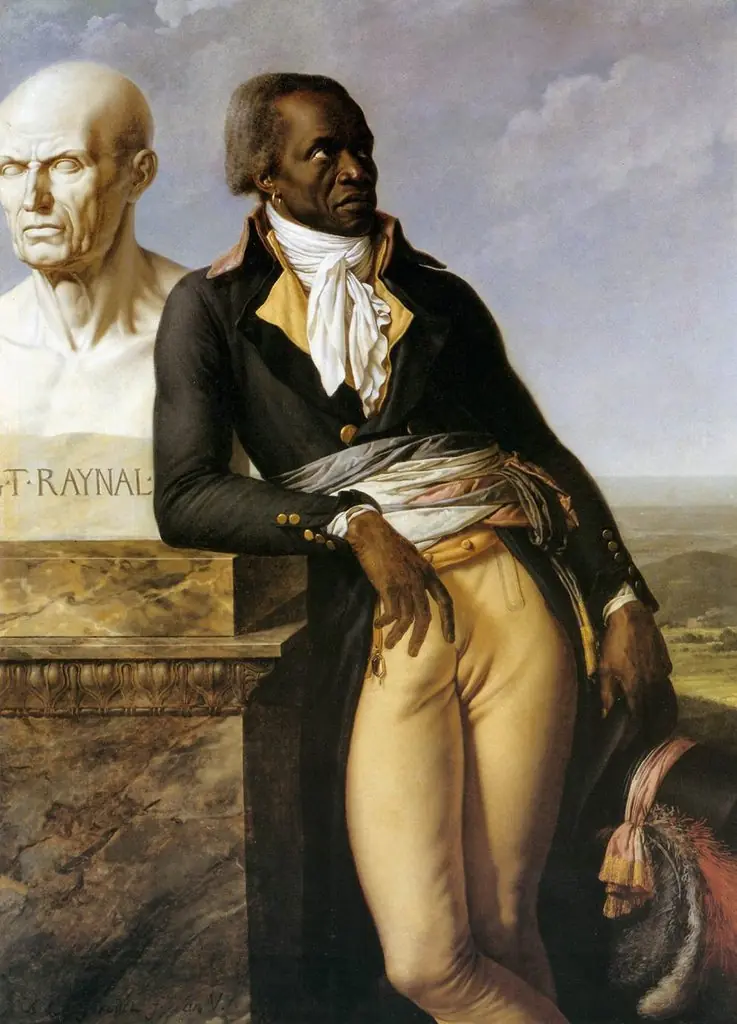 Jean-Baptiste Belley, member of the National Convention
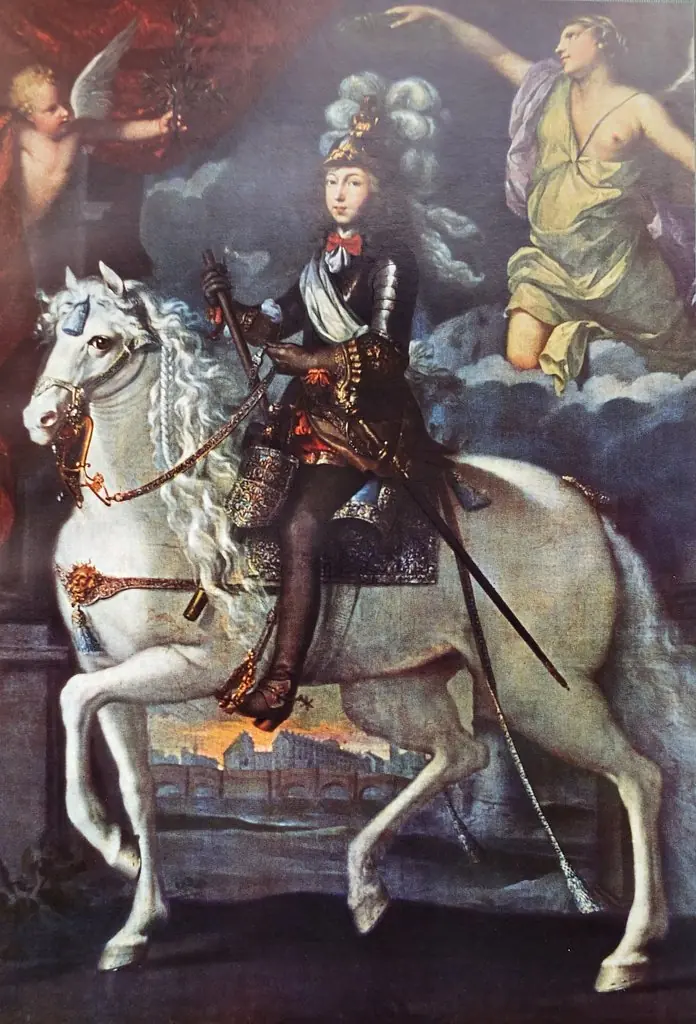 Louis XIV, King of France
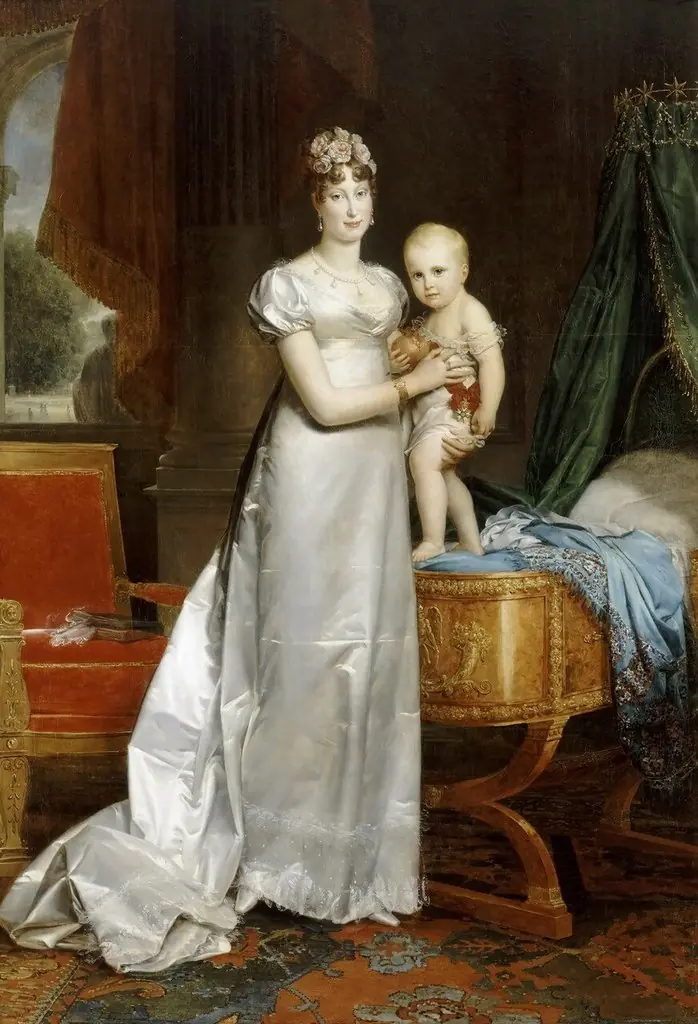 Marie-Louise, Empress of the French, and the Roi de Rome
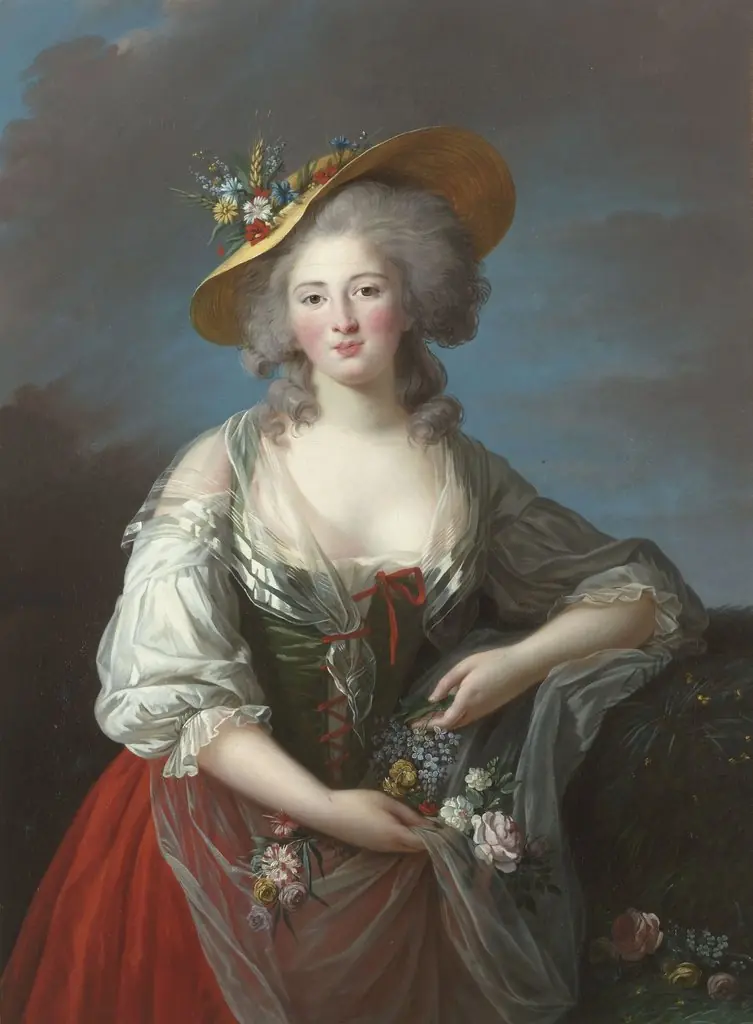 Elisabeth-Philippe-Marie-Hélène de France, dite Madame Elisabeth
Plan your visit
Palace of Versailles
- Website
- en.chateauversailles.fr