Artwork
En lille pige
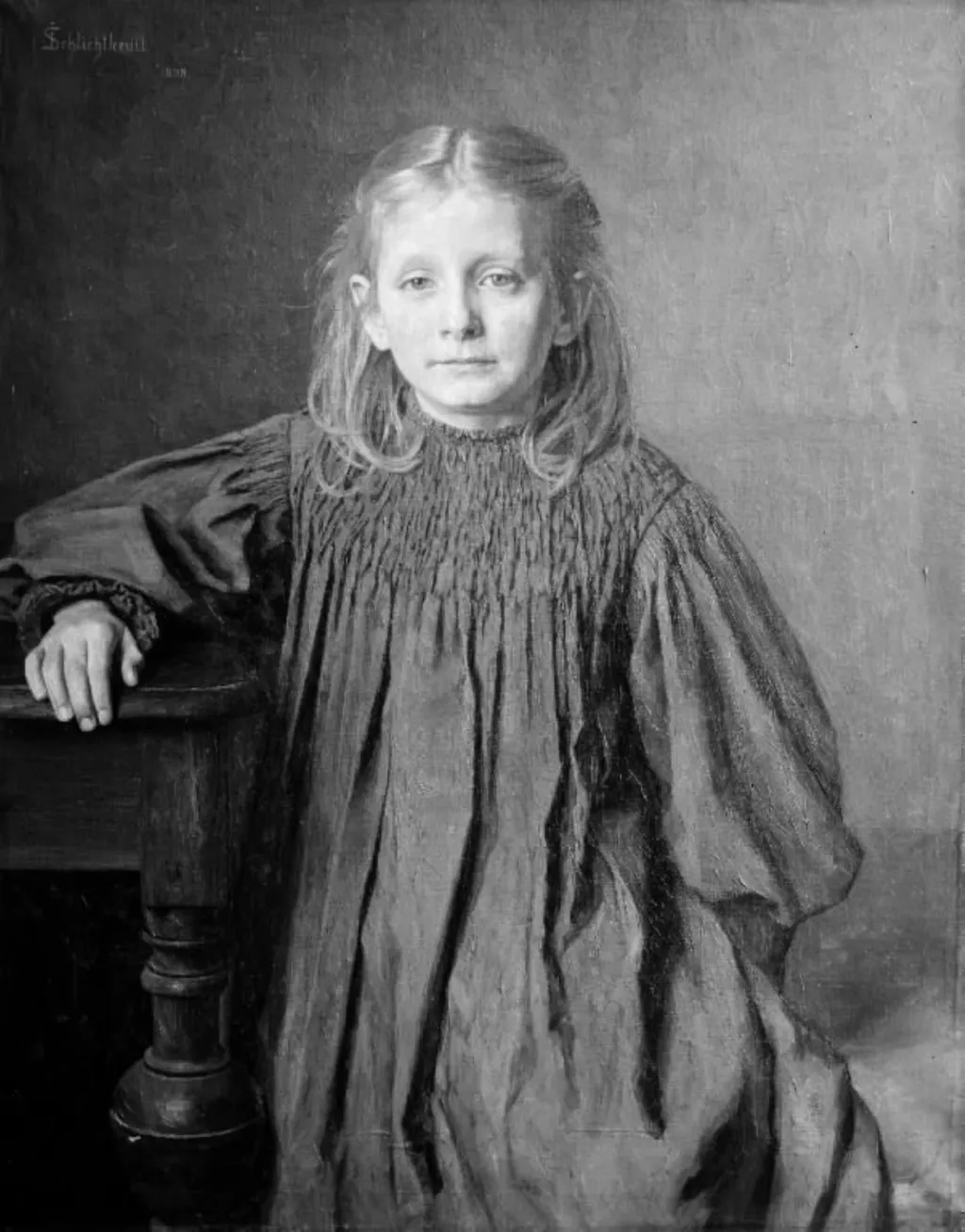
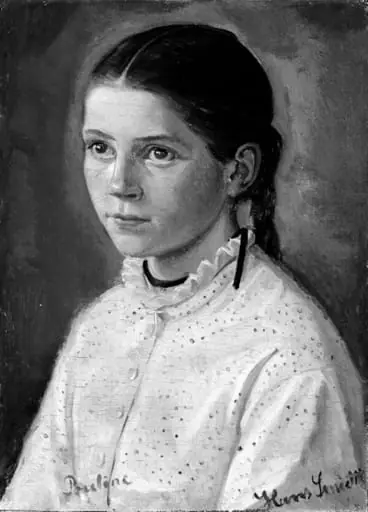
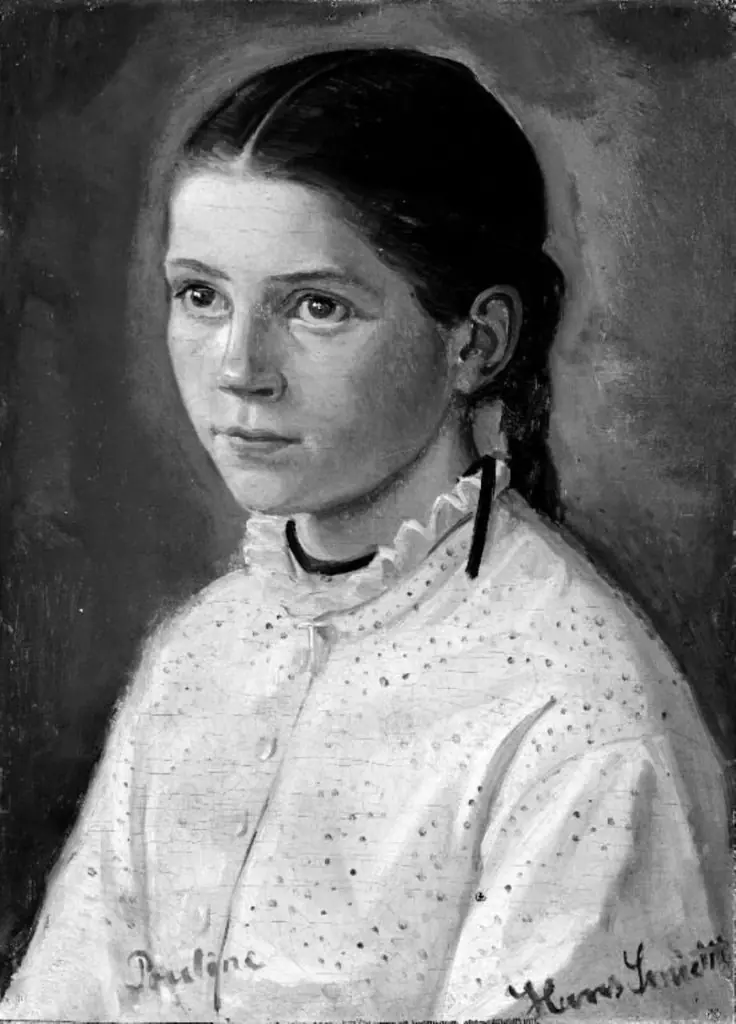
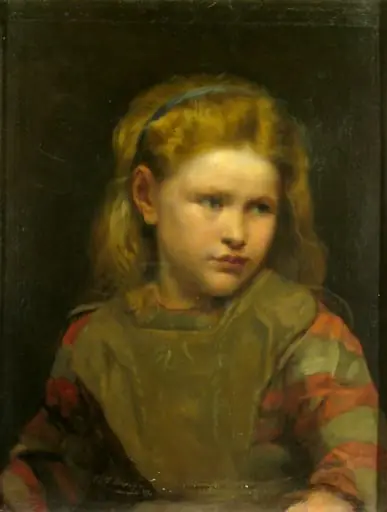
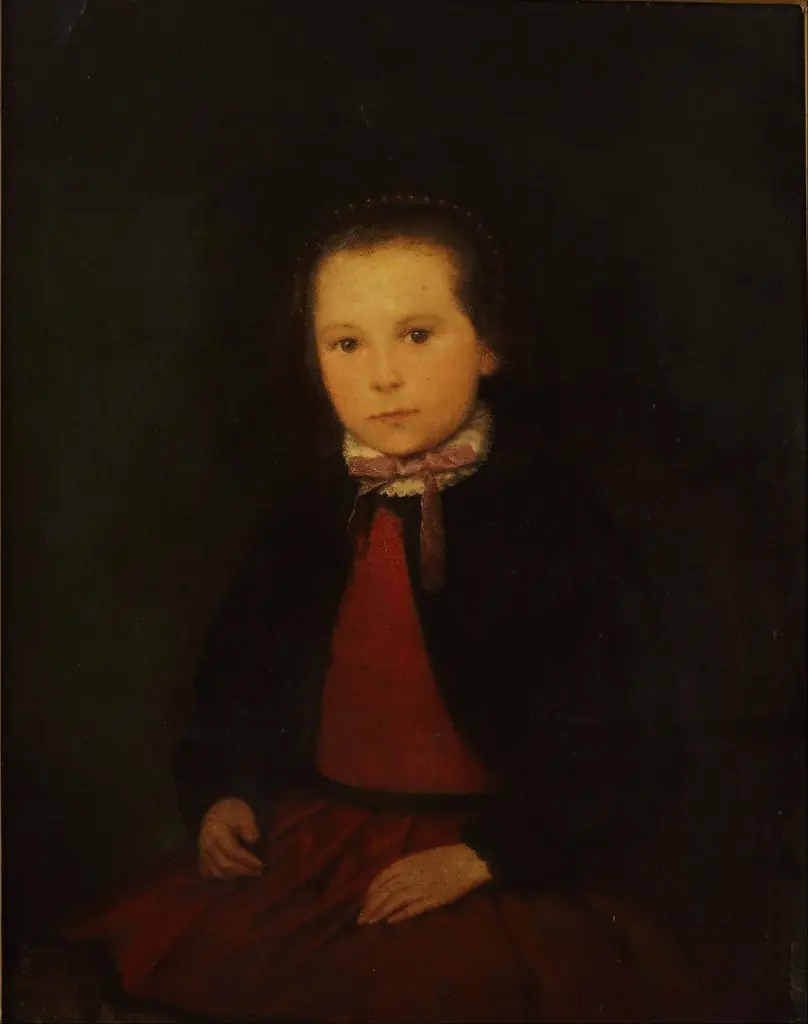
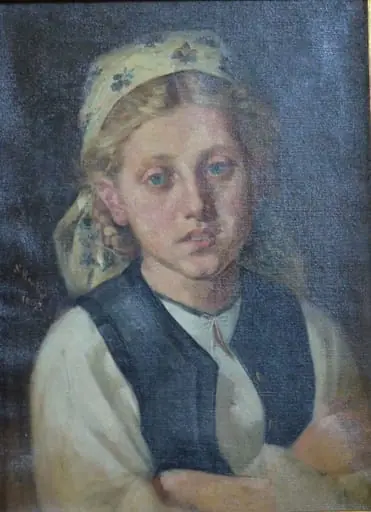
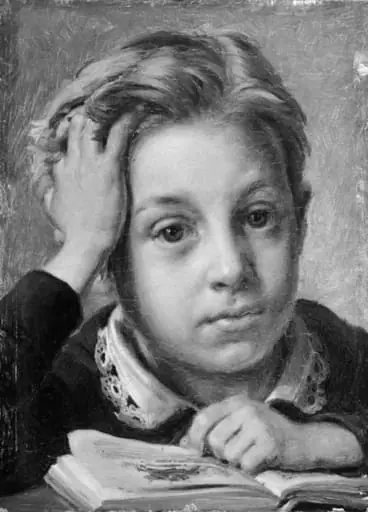
En lille pige is a photography by the Impressionist artist Unknown. It dates from 1898 and is held in the collection of the Statens Museum for Kunst. Created in 1898, this black-and-white photograph depicts a young girl in a quiet, intimate moment.
About this work
Overview
Created in 1898, this black-and-white photograph depicts a young girl in a quiet, intimate moment. The image is part of the collection at the Museum of Ethnography and reflects late 19th-century photographic practices focused on candid, unadorned portraiture. The composition avoids theatricality, emphasizing stillness and simplicity.
Subject & Meaning
The subject is a young girl, dressed in a high-necked, loose-fitting garment typical of rural or modest urban attire of the period. Her posture—slightly turned, one arm resting on a wooden chair—conveys quiet contemplation. The absence of props or context invites focus on her expression, which is neither playful nor overtly emotional, suggesting a sense of solemnity or introspection.
Technique & Style
The photograph employs soft, even lighting that gently models the girl’s features without harsh contrasts. The plain background eliminates distraction, drawing attention to her form and clothing. The tonal range is restrained, with subtle gradations of gray enhancing the sense of stillness. The image’s clarity and lack of embellishment align with documentary approaches of the era.
History & Provenance
The photograph was acquired by the Museum of Ethnography shortly after its creation, likely as part of a broader effort to document everyday life across cultures. Its origin as a studio or field photograph remains unconfirmed, but its preservation suggests early recognition of its anthropological value over artistic merit.
Context
In the late 1890s, photography was increasingly used by ethnographers to record dress, posture, and environment as cultural markers. This image fits within that trend, capturing a child not as an individual portrait but as an example of a social type. The absence of identifying details reinforces its role as a visual record rather than a personal keepsake.
Legacy
The photograph endures as a quiet example of early ethnographic imagery, valued for its unembellished representation of childhood in a specific historical moment. It contributes to broader studies of how visual media shaped perceptions of ordinary life in the pre-modern era, without romanticizing or dramatizing its subject.
Artist & collection

 Domestic Scene
 Giacomo and Cardinal Marco, investing Andrea, Abbot of San Zeno, with his Benefice
 The Nymph of Fontainebleau
 Portrait of a Woman
 Madonna and Child with Saints in the Enclosed Garden
 Venus and Minerva
 Family Group of Four on Sofa
 Wall painting from Room H of the Villa of P. Fannius Synistor at Boscoreale