Artwork
Doctor Viggo Carl Stockfleth
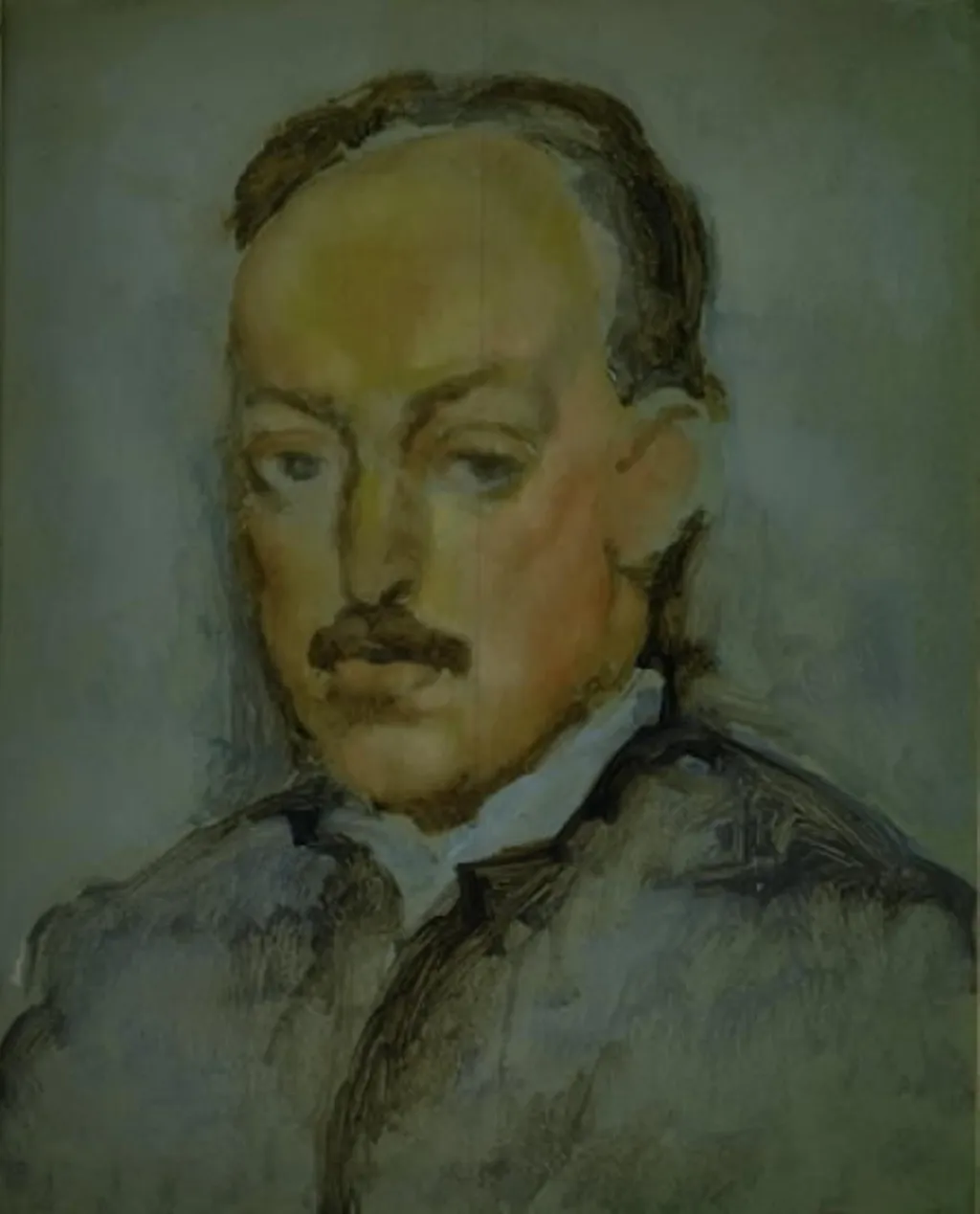
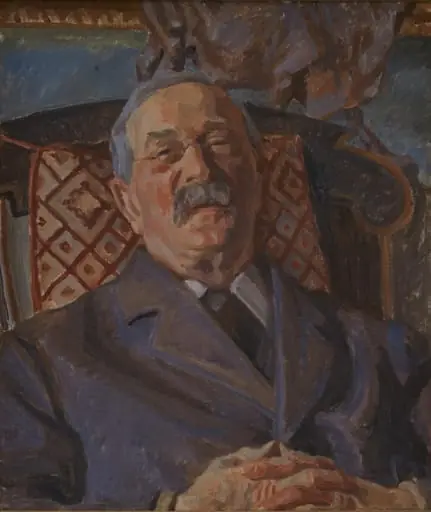
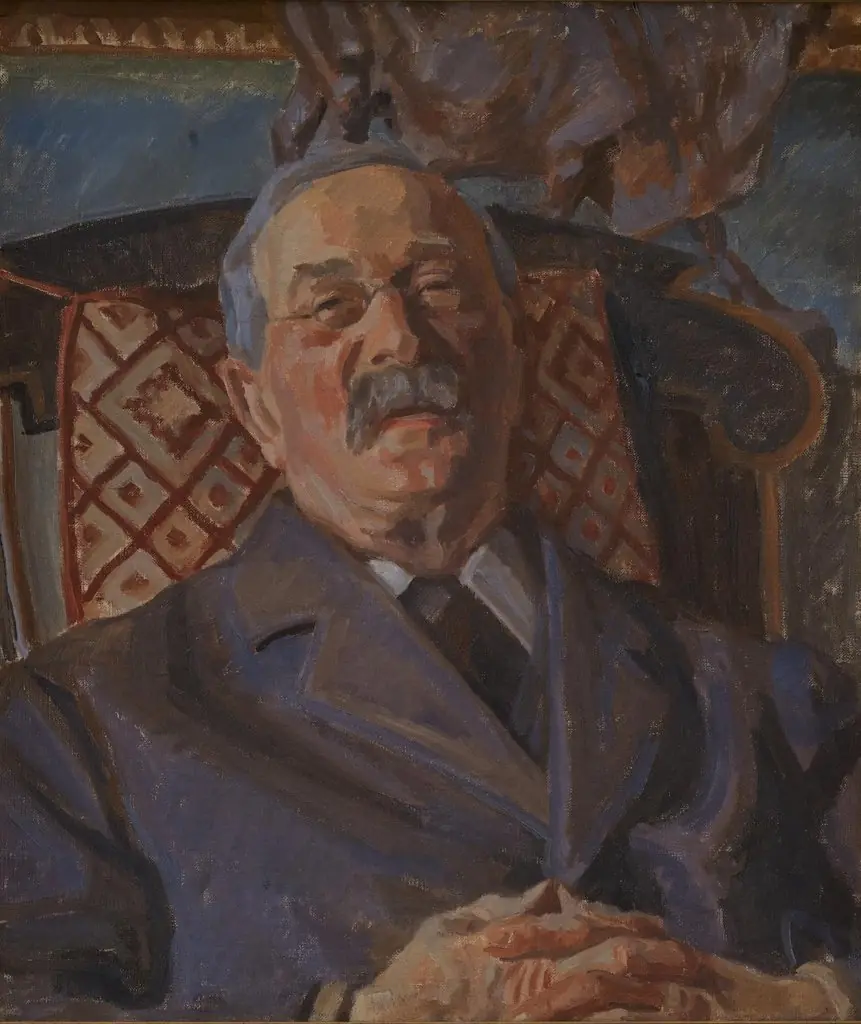
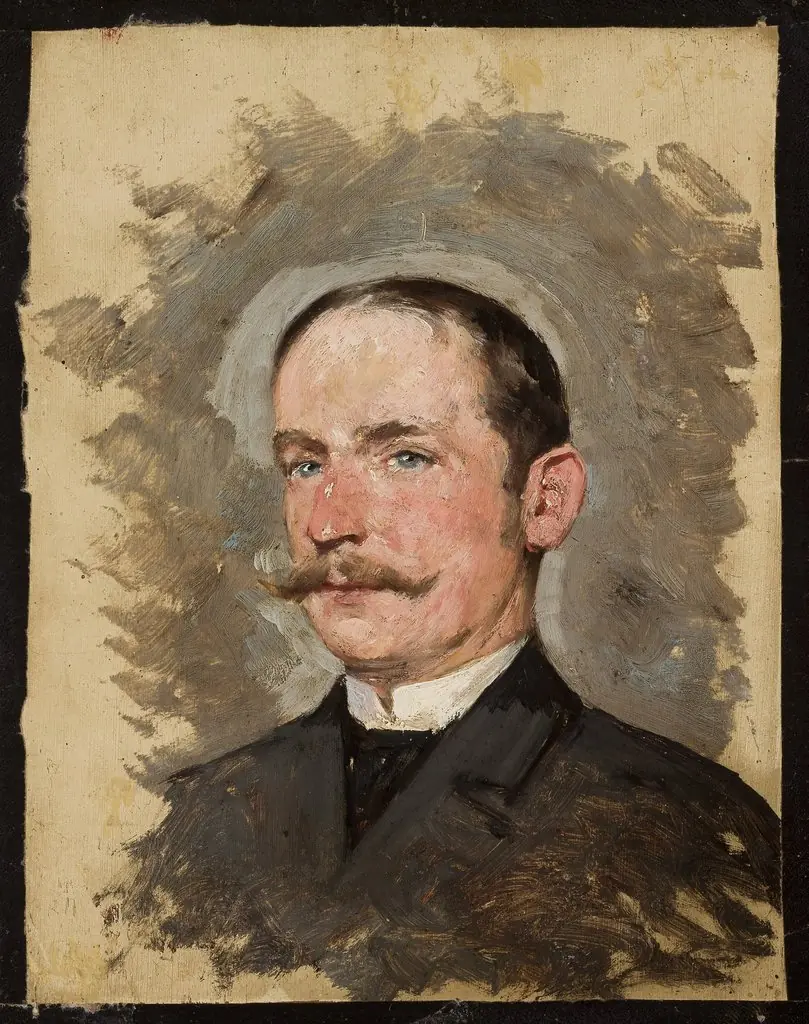
Doctor Viggo Carl Stockfleth is a photography by Unknown. It dates from 1924 and is held in the collection of the Statens Museum for Kunst.
About this work
Overview
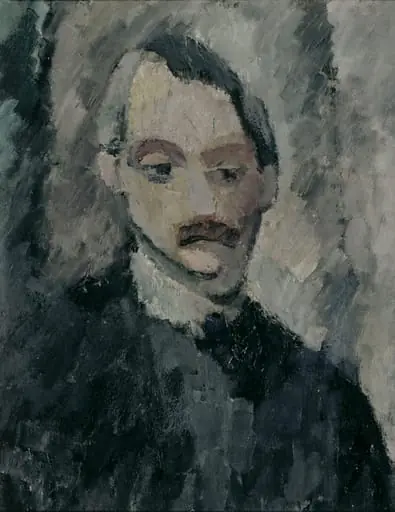
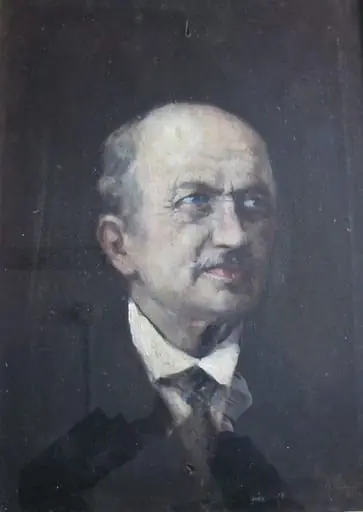
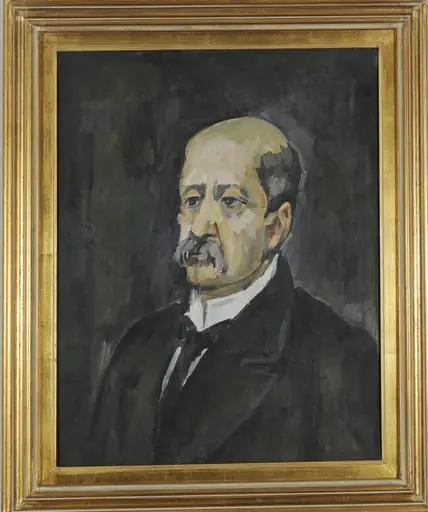
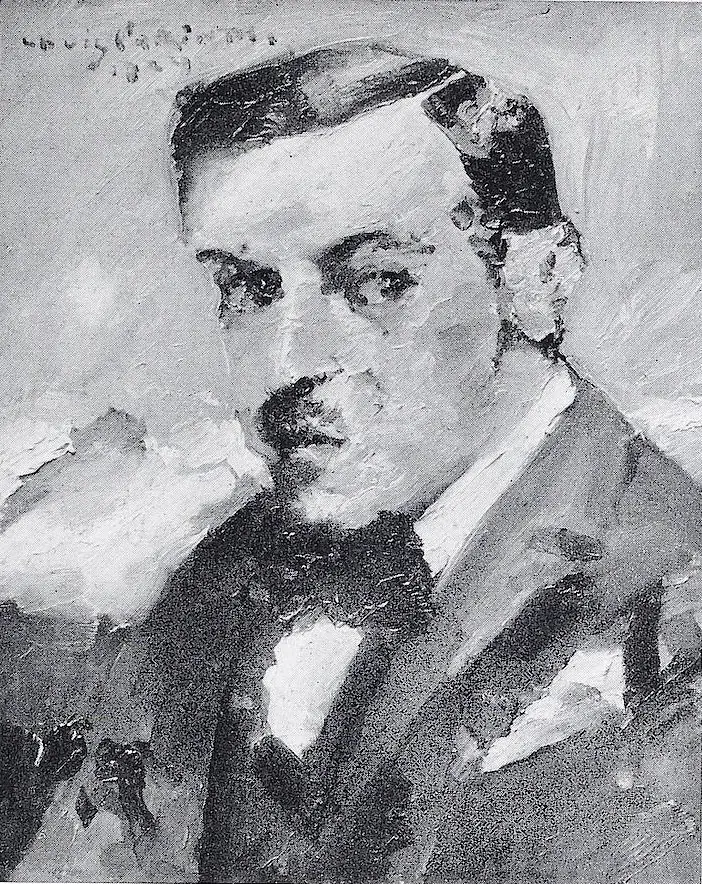
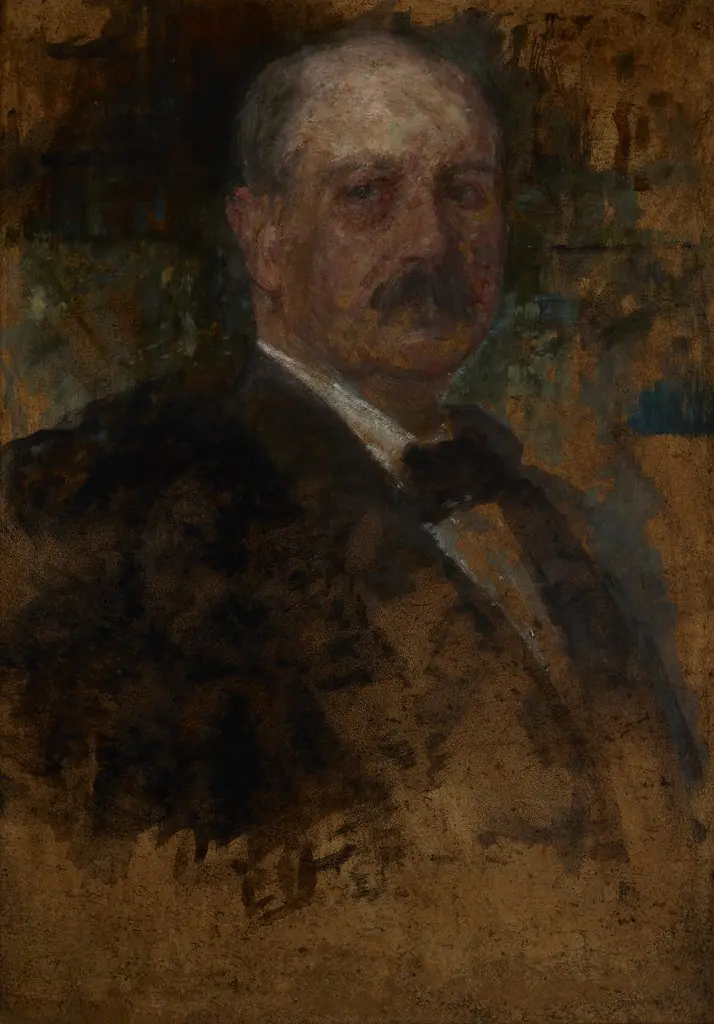
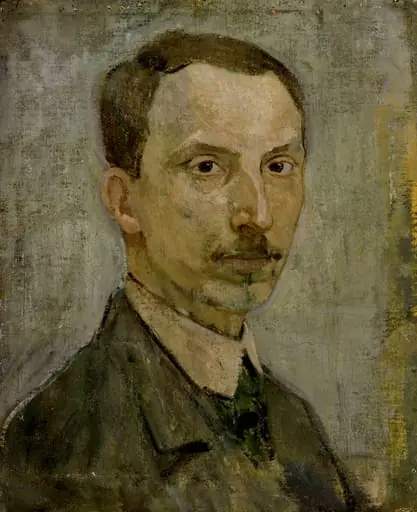
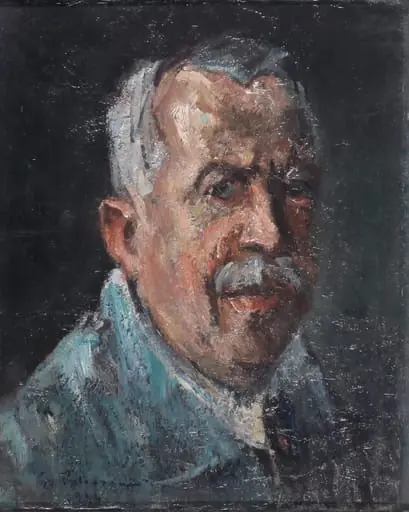
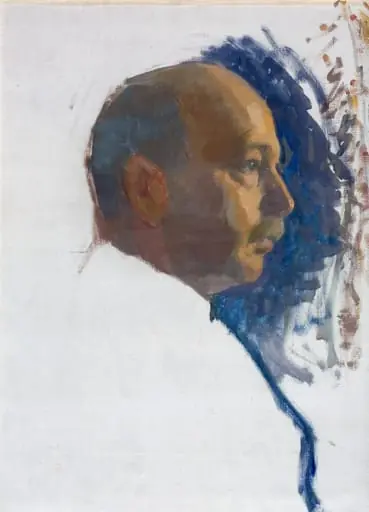
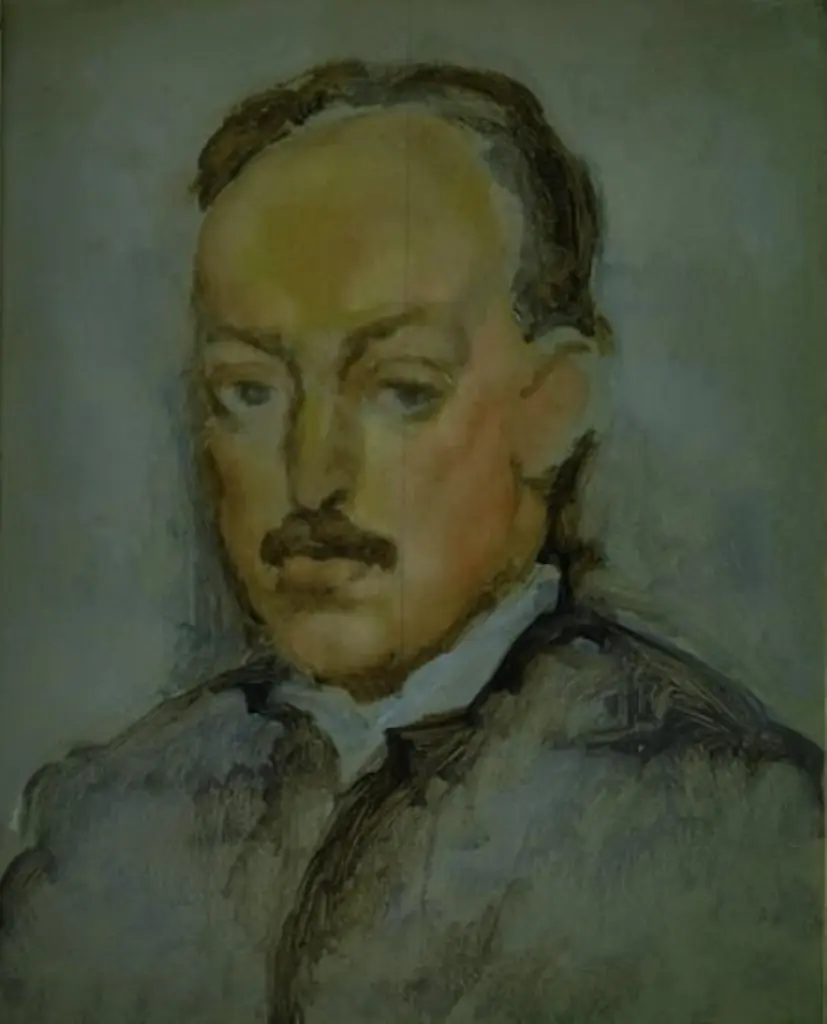
This 1924 portrait depicts Doctor Viggo Carl Stockfleth, a Norwegian physician and ethnographer. Painted by 1071_person, the work is part of the Museum of Ethnography’s collection, reflecting the institution’s interest in documenting individuals connected to its scholarly mission. The composition is restrained, emphasizing the subject’s presence without decorative distraction.
Subject & Meaning
The sitter, Doctor Stockfleth, was known for his fieldwork in indigenous cultures and contributions to ethnographic research. His direct gaze and formal attire convey a sense of professional gravity. The portrait does not idealize but presents him as a committed scholar, aligning the image with the museum’s broader goal of honoring those who advanced the study of human cultures.
Technique & Style
Rendered in muted tones, the painting uses soft modeling and minimal contrast to create a quiet, introspective mood.
Rendered in muted tones, the painting uses soft modeling and minimal contrast to create a quiet, introspective mood. The background is uniformly neutral, drawing focus to the figure’s face and clothing. Brushwork is controlled and precise, avoiding theatricality; the style favors psychological presence over expressive flourish, consistent with early 20th-century portraiture in Nordic academic circles.
History & Provenance
Commissioned or acquired by the Museum of Ethnography shortly after its completion, the portrait entered the collection as part of an effort to visually document key figures in ethnographic science. Its preservation suggests institutional recognition of Stockfleth’s role in shaping the museum’s early research agenda, though no public records detail the painting’s immediate commissioning circumstances.
Context
In the 1920s, Scandinavian institutions increasingly sought to link scholarly authority with visual representation. Portraits of researchers like Stockfleth served both archival and symbolic purposes, reinforcing the legitimacy of ethnographic work. This painting reflects a broader trend of using portraiture to anchor scientific identity within public cultural spaces.
Legacy
The portrait remains a quiet testament to Stockfleth’s contributions to ethnography and the institutional culture of the museum. While not widely exhibited, it continues to serve as a reference point for understanding the human dimension behind early 20th-century Nordic anthropological endeavors, preserving the dignity of its subject without embellishment.
Artist & collection

 Domestic Scene
 Giacomo and Cardinal Marco, investing Andrea, Abbot of San Zeno, with his Benefice
 The Nymph of Fontainebleau
 Portrait of a Woman
 Madonna and Child with Saints in the Enclosed Garden
 Venus and Minerva
 Family Group of Four on Sofa
 Wall painting from Room H of the Villa of P. Fannius Synistor at Boscoreale