Artwork
Portretul Dr. Rossignon
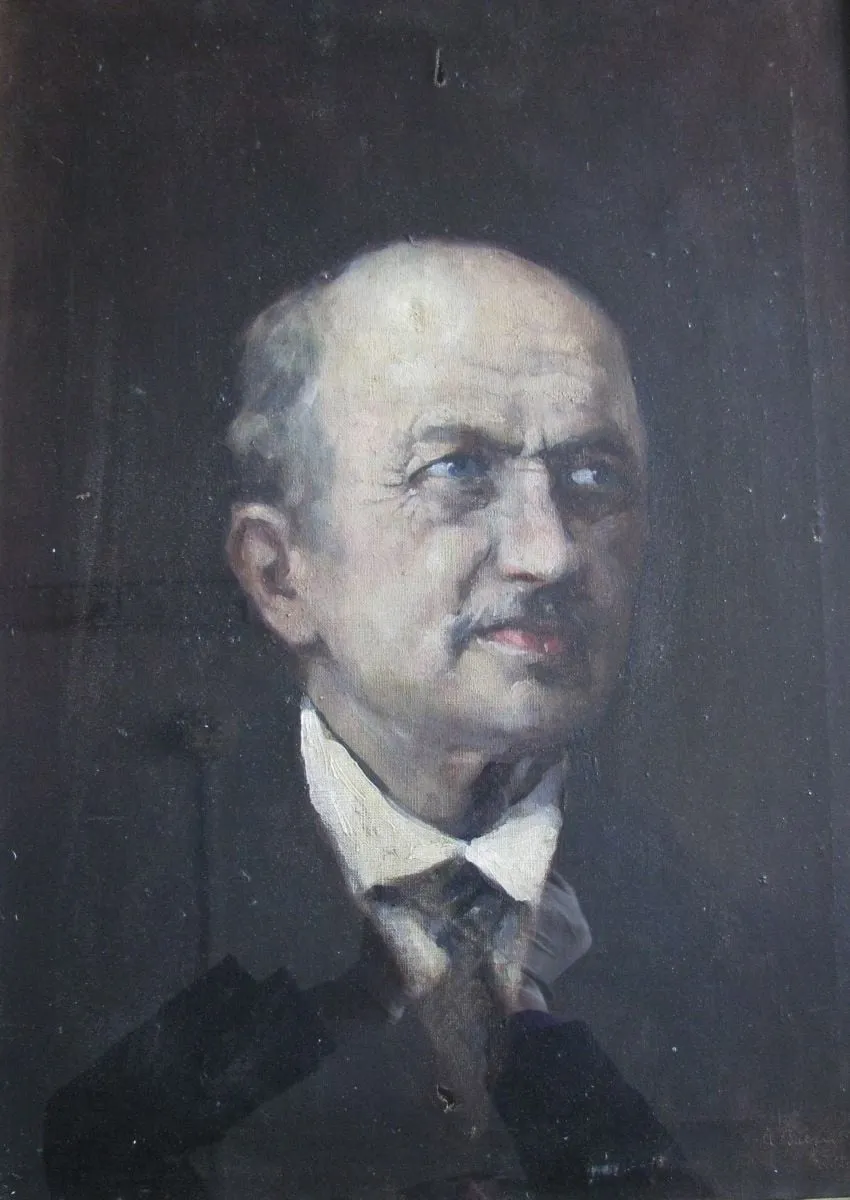
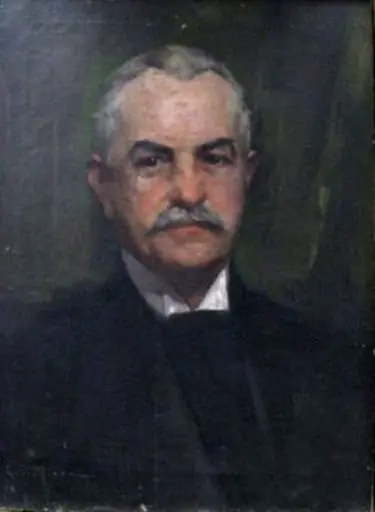
Portretul Dr. Rossignon is a print by Aurel Băeșu. It dates from 1922 and is held in the collection of the Ion Irimescu Art Museum.
About this work
Overview
The composition centers on the sitter’s upper torso and face, set against a muted, dark background that enhances the focus on his features.
Painted around 1922 by Romanian artist Aurel Băeșu, this portrait depicts Dr. Rossignon, a figure of quiet authority. Executed in an Impressionist vein, the work emphasizes naturalistic rendering through loose brushwork and subtle tonal shifts. The composition centers on the sitter’s upper torso and face, set against a muted, dark background that enhances the focus on his features. The painting resides in the collection of the Museum of Ethnography in Romania.
Subject & Meaning
The subject, Dr. Rossignon, is portrayed with restrained dignity. His bald head, mustache, and formal attire—a dark coat, white shirt, and bow tie—suggest professional status and personal discipline. The calm, serious expression avoids theatricality, conveying introspection rather than narrative. Băeșu’s choice to omit context or symbolic elements directs attention to the individual’s presence, reflecting a humanist approach common in early 20th-century portraiture.
Technique & Style
Băeșu employs soft, blended brushstrokes to model the face and hands, capturing subtle variations in light across the skin. The dark background enhances the contrast, drawing the eye to the illuminated areas of the face and collar. While not strictly chiaroscuro, the painting uses directional lighting to define form without harsh shadows. The palette is restrained, dominated by earth tones and muted whites, aligning with Impressionist tendencies toward natural observation over idealization.
History & Provenance
Created in 1922, the portrait entered the Museum of Ethnography’s collection shortly after its completion. Its inclusion in an ethnographic institution, rather than a fine arts museum, suggests an interest in documenting Romanian cultural figures of the era. Though little is documented about Dr. Rossignon’s identity, the painting’s preservation reflects Băeșu’s standing among interwar Romanian artists and the institution’s broader mission to record national life.
Context
Băeșu worked within a generation shaped by Nicolae Grigorescu’s legacy, adapting Impressionist techniques to Romanian subjects. In the 1920s, portraiture served as a bridge between academic tradition and modern sensibilities. While urban elites commissioned formal likenesses, artists like Băeșu often sought psychological depth over social status. This portrait reflects that shift—emphasizing character over ceremony, aligning with broader European trends in interwar realism.
Legacy
Though not widely exhibited outside Romania, the portrait remains a representative example of Băeșu’s mature style. It illustrates how Romanian Impressionism adapted international influences to local subjects with quiet intensity. The work contributes to a broader understanding of interwar Romanian visual culture, where portraiture functioned as both personal record and cultural artifact, preserving the likeness of ordinary professionals in an evolving society.
Artist & collection
Artist
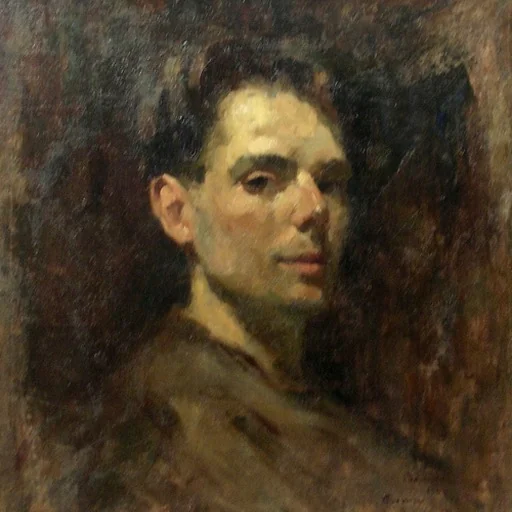
Aurel Băeșu (26 May 1896 – 24 August 1928) was a Romanian Impressionist landscape and portrait painter. Many of his works show the influence of Nicolae Grigorescu; an influence that was common among painters of his generation.
 Προσωπογραφία του Χαριλάου Τρικούπη
 Aurel Vlad
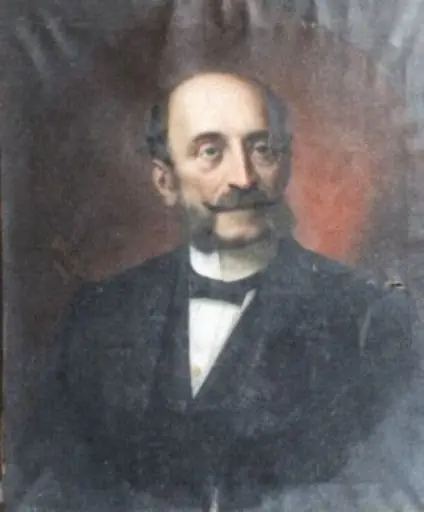 Baronul Barbu Bellu
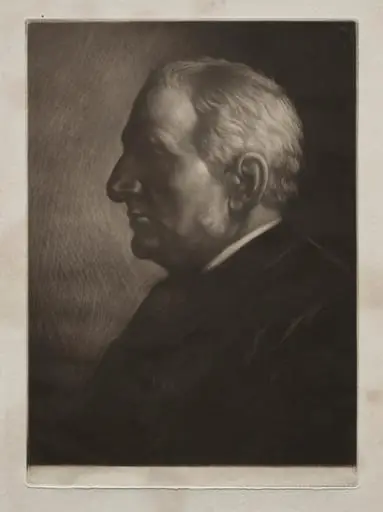 Sir Frances Seymour Haden
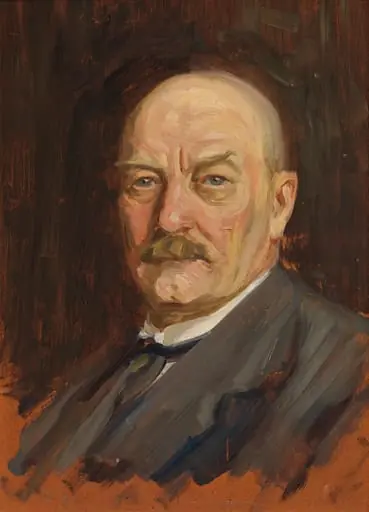 Omakuva
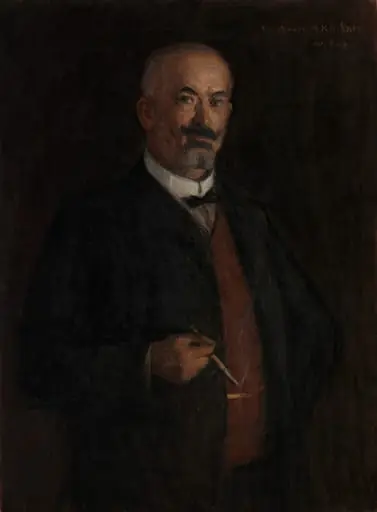 Tehtailija August Keirknerin muotokuva
 Self-Portrait
 Self-Portrait
 Dima Pantelimon
 Gustaf Jakob Edelstam (1831-1892), jur.dr., landshövding i Kalmar län, hovrättsassessor, gift med Eva Carolina Gustava von Post
 Portrait of a man
 Portret