Artwork
Boy Reading at Artificial Light
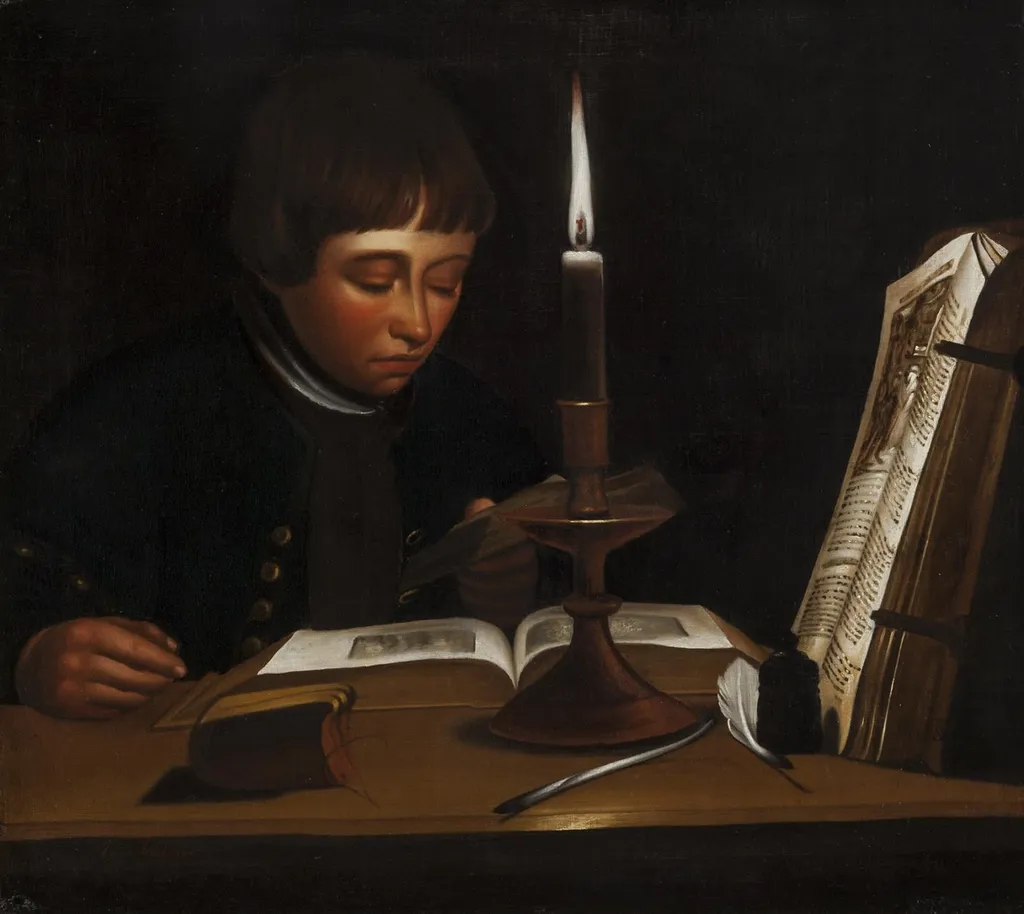
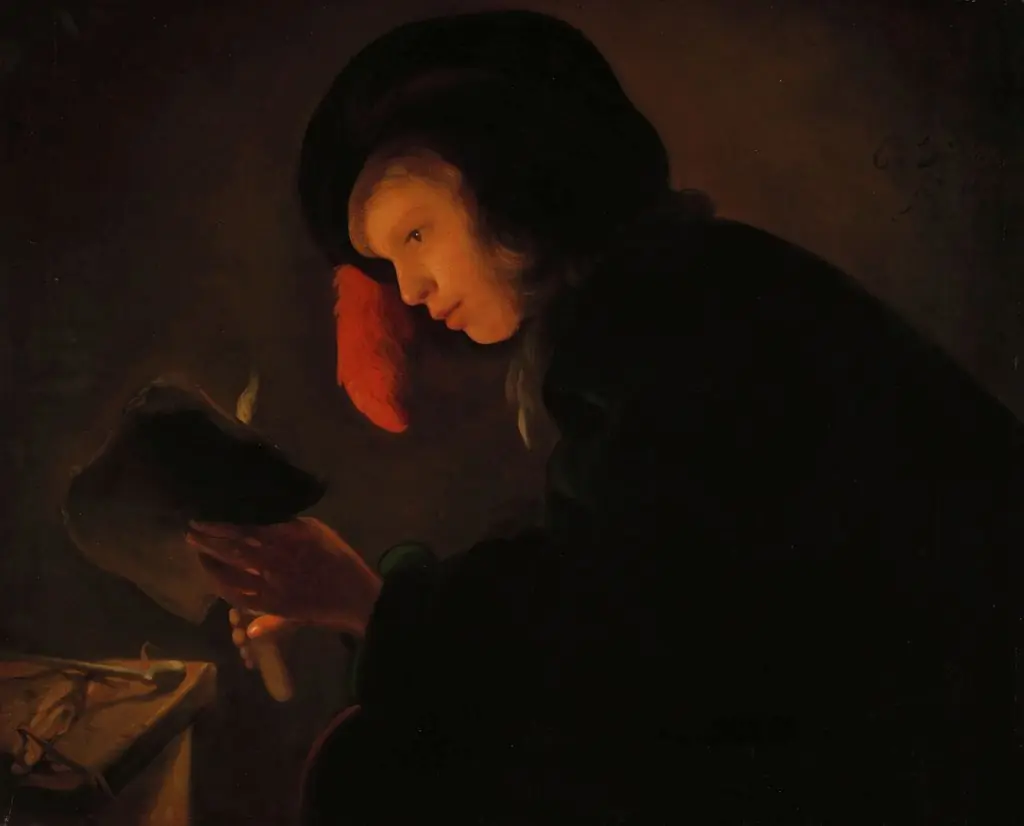
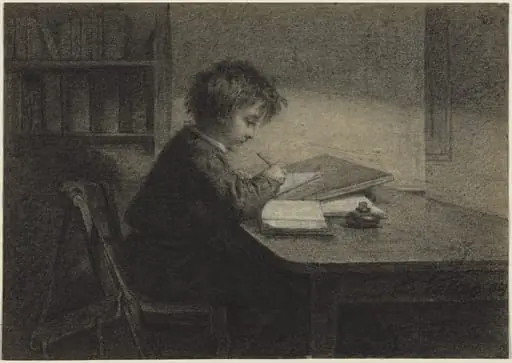
Boy Reading at Artificial Light is a photography by Unknown. It dates from 1750 and is held in the collection of the Statens Museum for Kunst. Painted around 1750, this work depicts a young boy absorbed in reading under candlelight.
About this work
Overview
The artist’s attention to detail in the boy’s attire and the scattered objects on the desk suggests a moment of daily life rendered with quiet precision.
Painted around 1750, this work depicts a young boy absorbed in reading under candlelight. Executed in oil on canvas, it belongs to the collection of the Museum of Ethnography. The composition centers on the figure’s quiet concentration, framed by the intimate glow of a single flame. The artist’s attention to detail in the boy’s attire and the scattered objects on the desk suggests a moment of daily life rendered with quiet precision.
Subject & Meaning
The boy, dressed in dark clothing with a crisp white collar, embodies the value placed on literacy and quiet study in 18th-century domestic settings. His focused posture and the presence of a quill and open book imply a routine of intellectual engagement, possibly within a modest household. The solitary nature of the scene underscores themes of personal discipline and the private pursuit of knowledge, free from external spectacle.
Technique & Style
The artist employs chiaroscuro to define form and mood, directing the viewer’s attention to the boy’s face and hands through the candle’s warm glow. Surrounding areas recede into deep shadow, enhancing the sense of intimacy and isolation. Brushwork is restrained, favoring smooth transitions over overt texture, which reinforces the stillness of the moment. The lighting is neither dramatic nor theatrical, but naturalistic and contained.
History & Provenance
The painting entered the Museum of Ethnography’s collection in the late 19th or early 20th century, though its earlier ownership remains undocumented. It was likely produced in a region where domestic genre scenes were valued, possibly in the Low Countries or northern France. No records of exhibition or commission survive, suggesting it was created for private rather than public display.
Context
In mid-18th-century Europe, images of children reading reflected broader cultural shifts toward education and moral development within the home. While elite portraits often depicted children with books as symbols of status, this work presents a more humble setting, aligning with emerging ideals of modest, industrious learning. The candle as the sole light source reflects the practical realities of domestic life before widespread artificial illumination.
Legacy
Though not widely reproduced or studied, the painting contributes to a quiet tradition of domestic genre scenes that emphasize introspection over grandeur. Its preservation in an ethnographic museum highlights its value as a record of everyday life rather than artistic innovation. It remains a subtle testament to the cultural weight assigned to reading in pre-industrial society.
Artist & collection

 Domestic Scene
 Giacomo and Cardinal Marco, investing Andrea, Abbot of San Zeno, with his Benefice
 The Nymph of Fontainebleau
 Portrait of a Woman
 Madonna and Child with Saints in the Enclosed Garden
 Venus and Minerva
 Family Group of Four on Sofa
 Wall painting from Room H of the Villa of P. Fannius Synistor at Boscoreale