Artwork
Elisabeth (Lisa) de la Calmette, f. baronesse Iselin
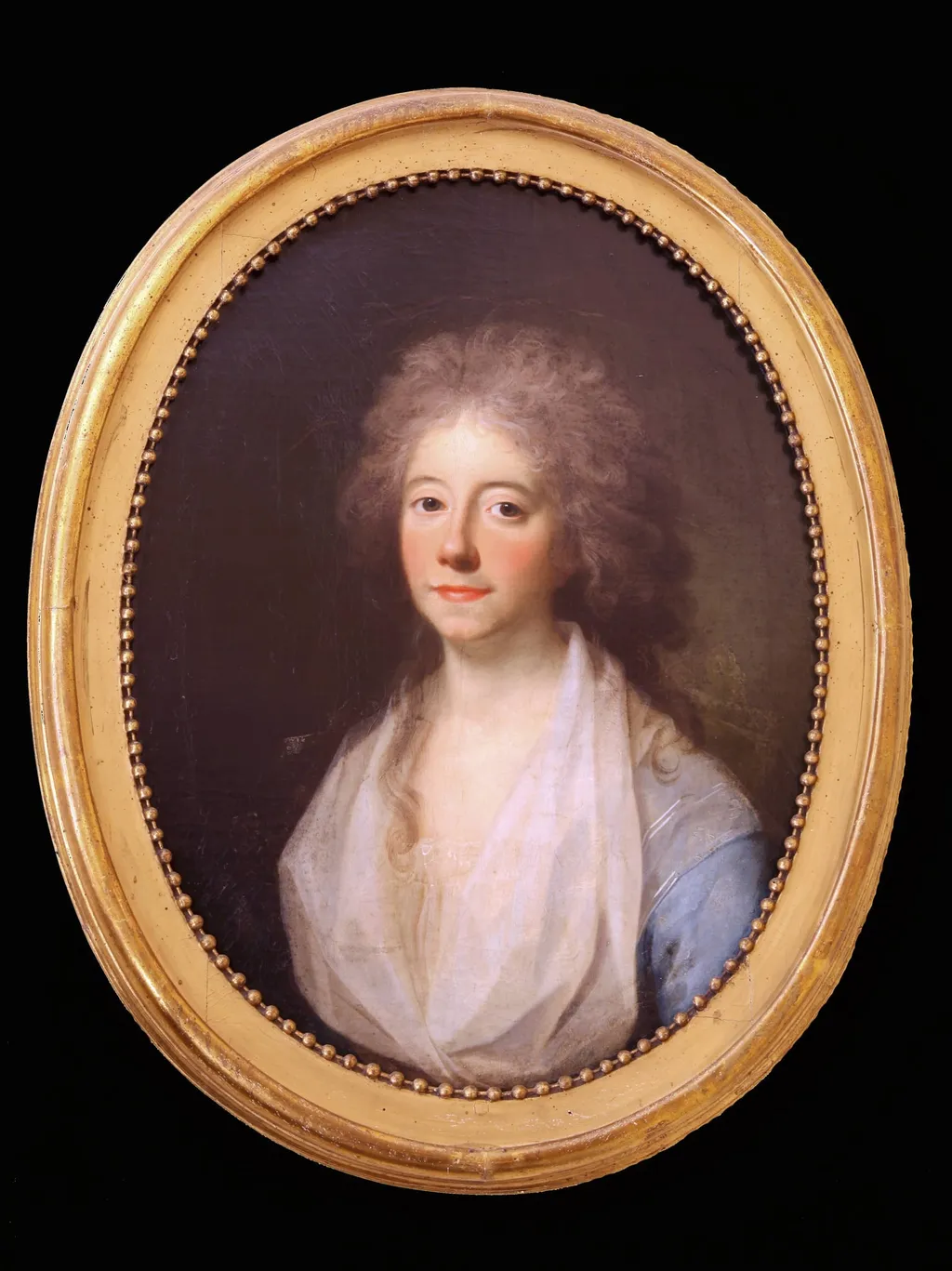
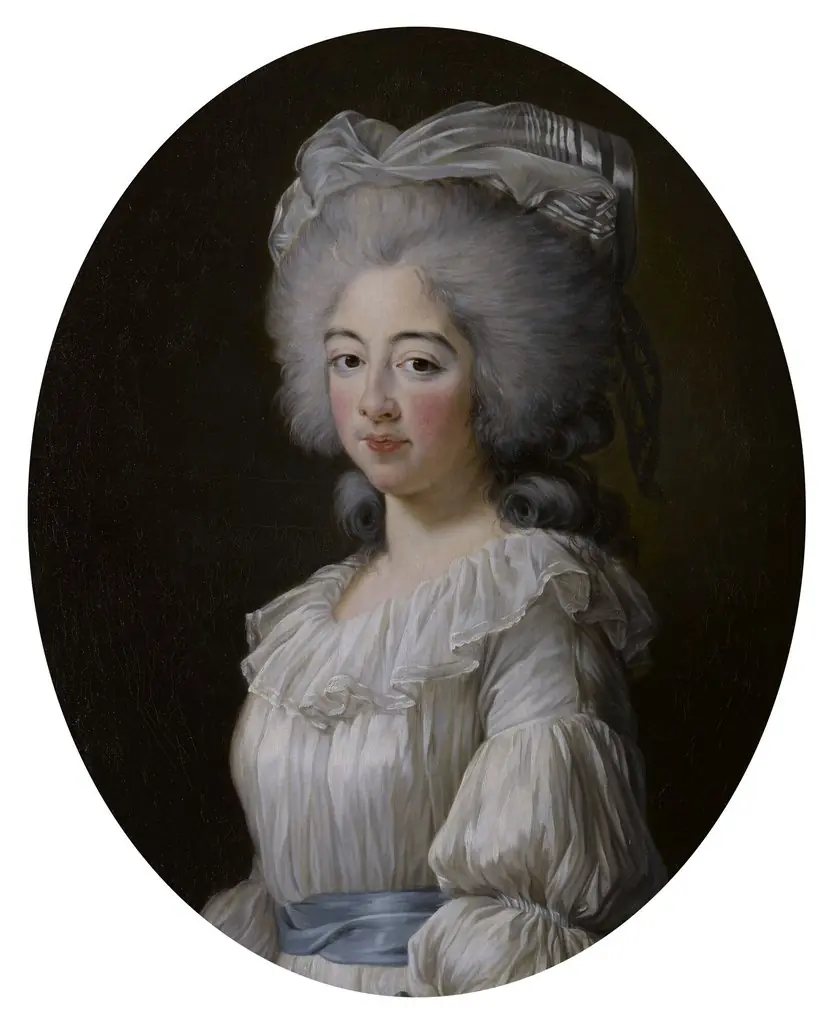
Elisabeth (Lisa) de la Calmette, f. baronesse Iselin is a photography by Unknown. It dates from 1831 and is held in the collection of the Statens Museum for Kunst. This portrait, dated around 1831, depicts Elisabeth de la Calmette, later Baroness Iselin, as a seated figure captured in a circular format.
About this work
Overview
This portrait, dated around 1831, depicts Elisabeth de la Calmette, later Baroness Iselin, as a seated figure captured in a circular format.
This portrait, dated around 1831, depicts Elisabeth de la Calmette, later Baroness Iselin, as a seated figure captured in a circular format. The image is a daguerreotype, one of the earliest photographic processes, and is held in the collection of the Museum of Ethnography. Its small scale and intimate composition reflect the nascent possibilities of photographic portraiture in the early 19th century.
Subject & Meaning
Elisabeth de la Calmette, a member of a prominent European family, is portrayed with quiet composure. Her gentle expression and modest attire suggest an emphasis on dignity rather than ostentation. The portrait functions as a personal keepsake, typical of early photography’s role in documenting individual identity within aristocratic circles, where visual records were still rare and valued.
Technique & Style
Rendered in silver-plated copper via the daguerreotype process, the image exhibits fine detail in the texture of her dress and hair, with subtle tonal gradations. The dark, unmodeled background isolates the figure, enhancing focus on her face. The faint sepia tone along the edges results from chemical aging, not intentional design, and the simple gold frame with dot embellishments reflects contemporary decorative tastes.
History & Provenance
The portrait was likely commissioned shortly after the invention of the daguerreotype in 1839, though the date of c. 1831 may reflect an error or alternative dating. It entered the Museum of Ethnography’s collection through private donation, possibly linked to the Iselin family’s cultural engagements. Its preservation suggests it was cherished as a family heirloom before institutional acquisition.
Context
In the early 1830s, photographic portraiture was in its experimental phase, primarily accessible to the wealthy. This image aligns with a growing trend of using new technology to capture personal likenesses, replacing painted miniatures. While European elites embraced the medium for its realism, its adoption in Denmark and surrounding regions remained limited and highly selective.
Legacy
As one of the earliest surviving daguerreotypes of a European woman, this portrait offers insight into the social and technological shifts of its time. It illustrates how photography began to redefine personal representation, shifting authority from the artist’s brush to the lens. Its survival underscores the cultural value placed on preserving individual identity in the age of mechanical reproduction.
Artist & collection

 Domestic Scene
 Giacomo and Cardinal Marco, investing Andrea, Abbot of San Zeno, with his Benefice
 The Nymph of Fontainebleau
 Portrait of a Woman
 Madonna and Child with Saints in the Enclosed Garden
 Venus and Minerva
 Family Group of Four on Sofa
 Wall painting from Room H of the Villa of P. Fannius Synistor at Boscoreale
 Kreivitär Hedvig Eva de la Gardie
 Unknown Lady
 Portrait of Johanna Ferdinanda van Collen, Wife of Salomon Rendorp
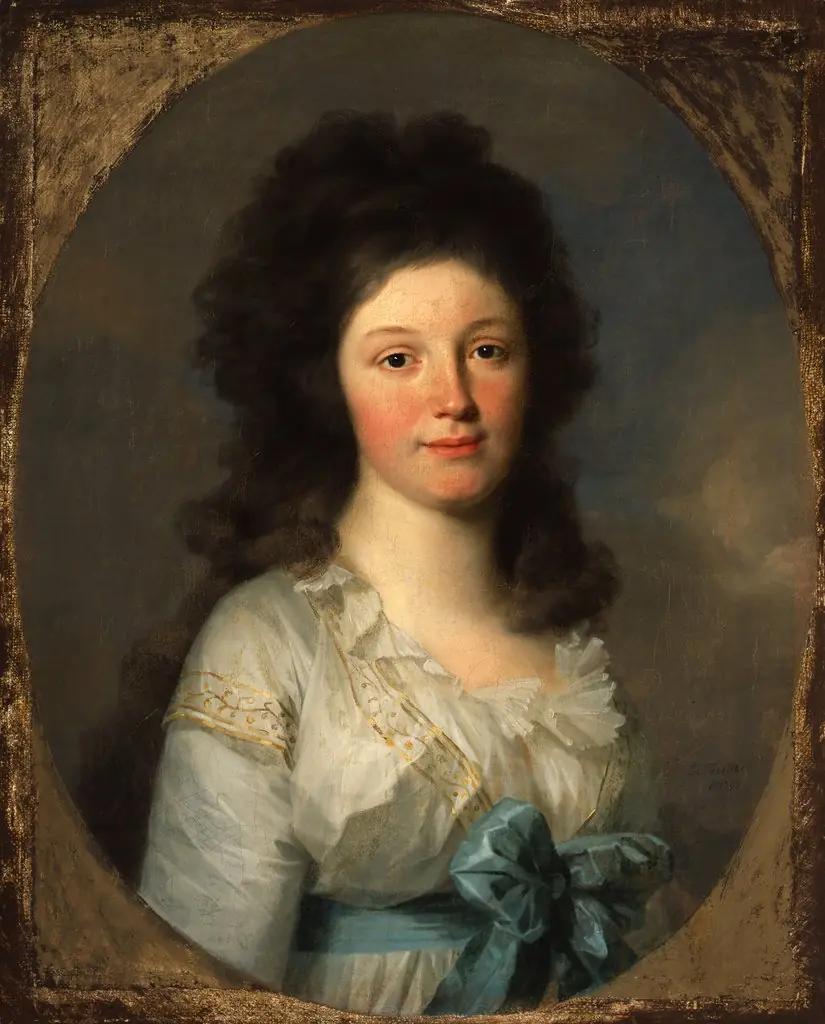 Gräfin Henriette von Egloffstein (1773-1864)
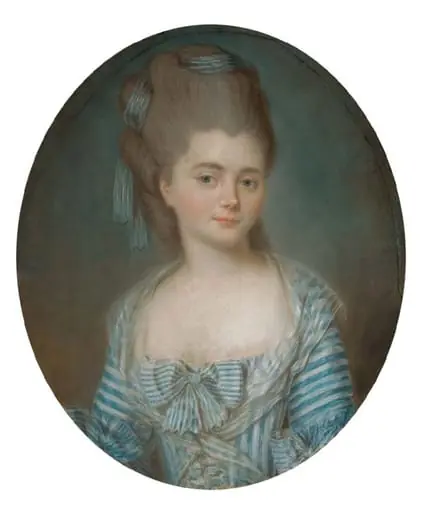 Portret de femeie
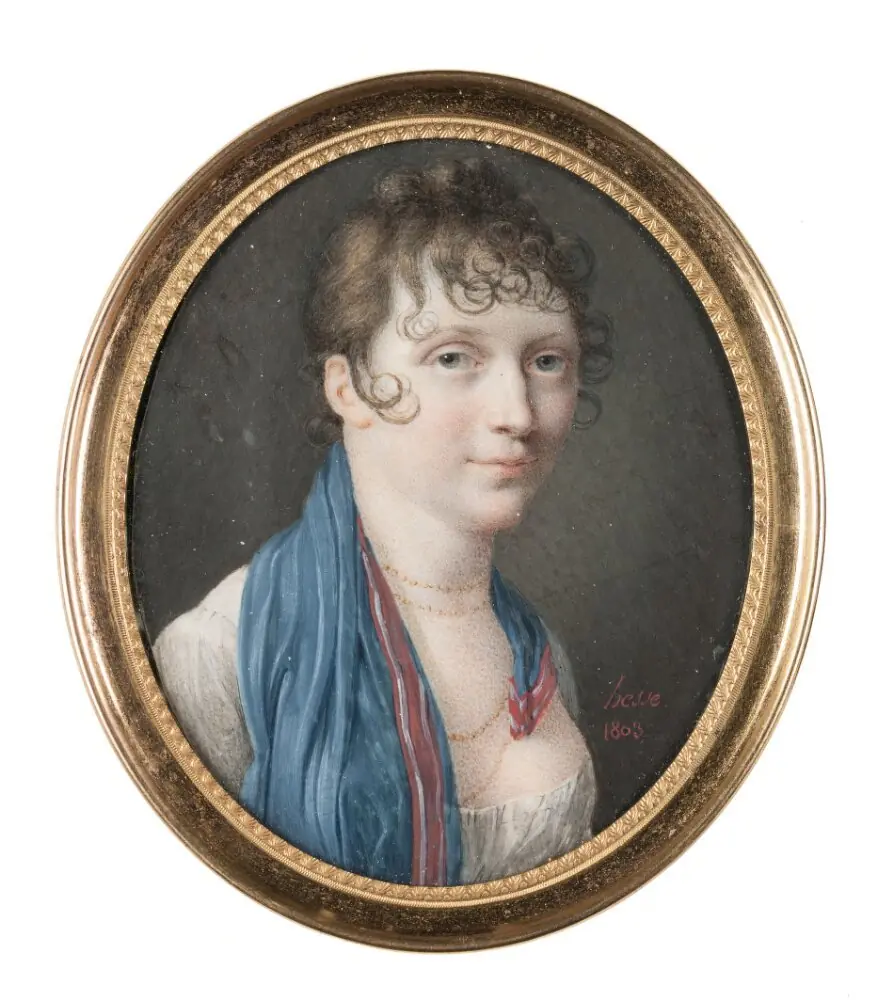 Unknown woman
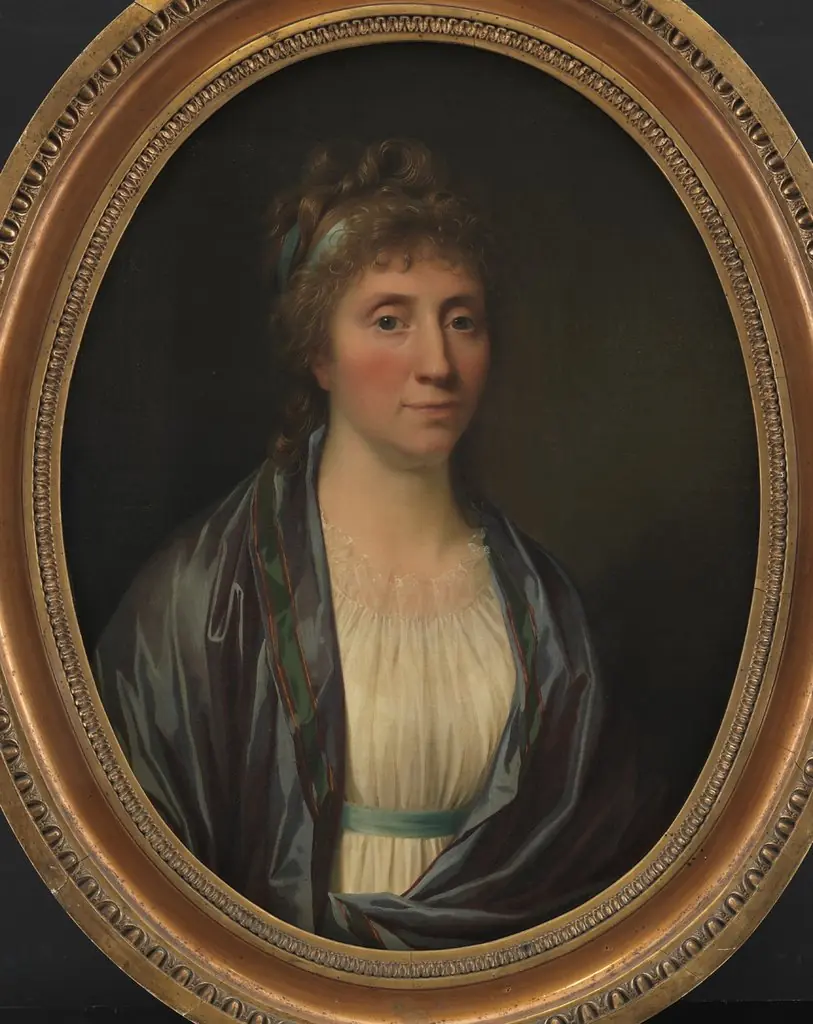 Dameportræt
 Portrait of Marie Joséphine of Savoy (1753-1810), Countess of Provence
 Amtmand, geheimeråd Antoine de la Calmette