Artwork
Unknown Lady
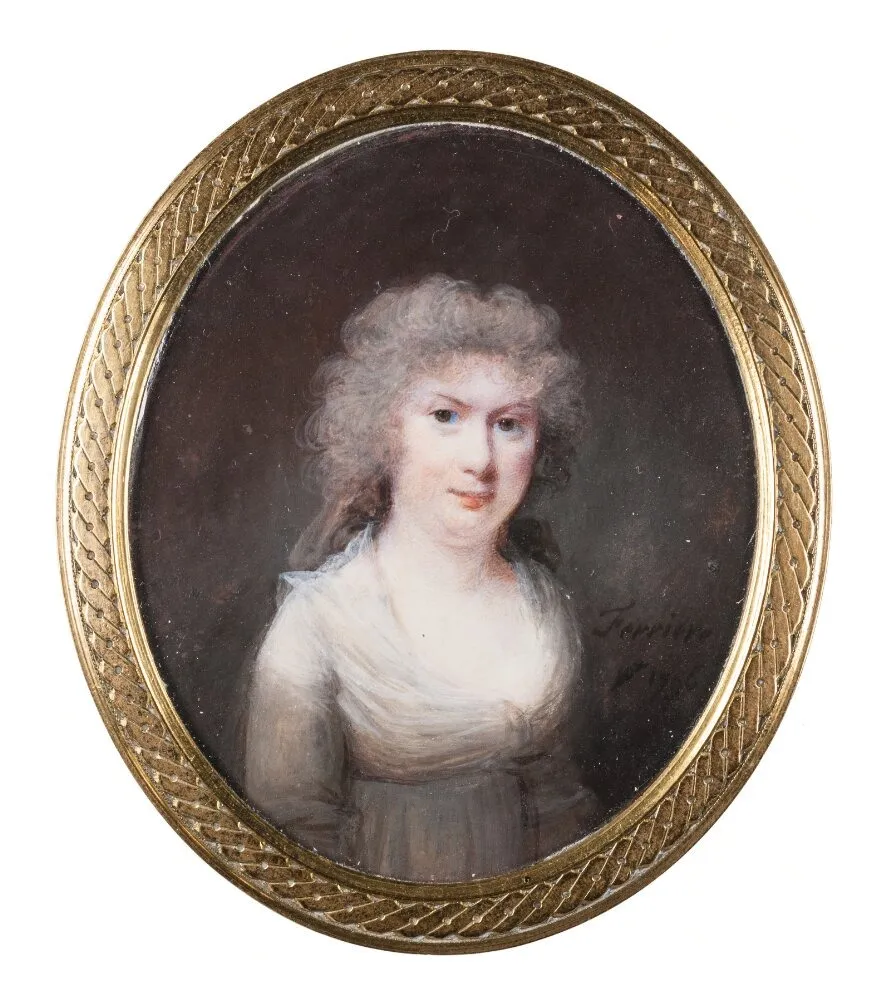
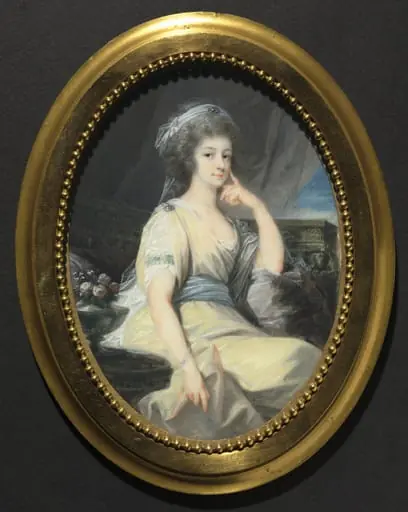
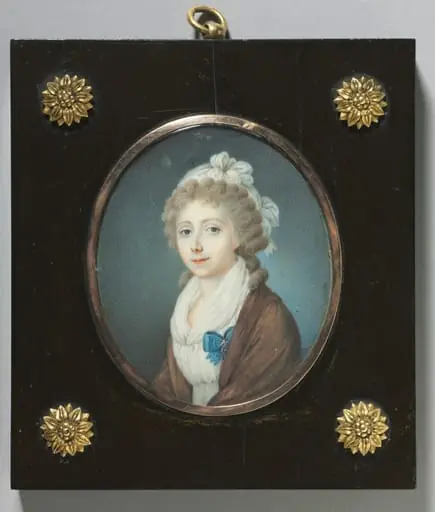
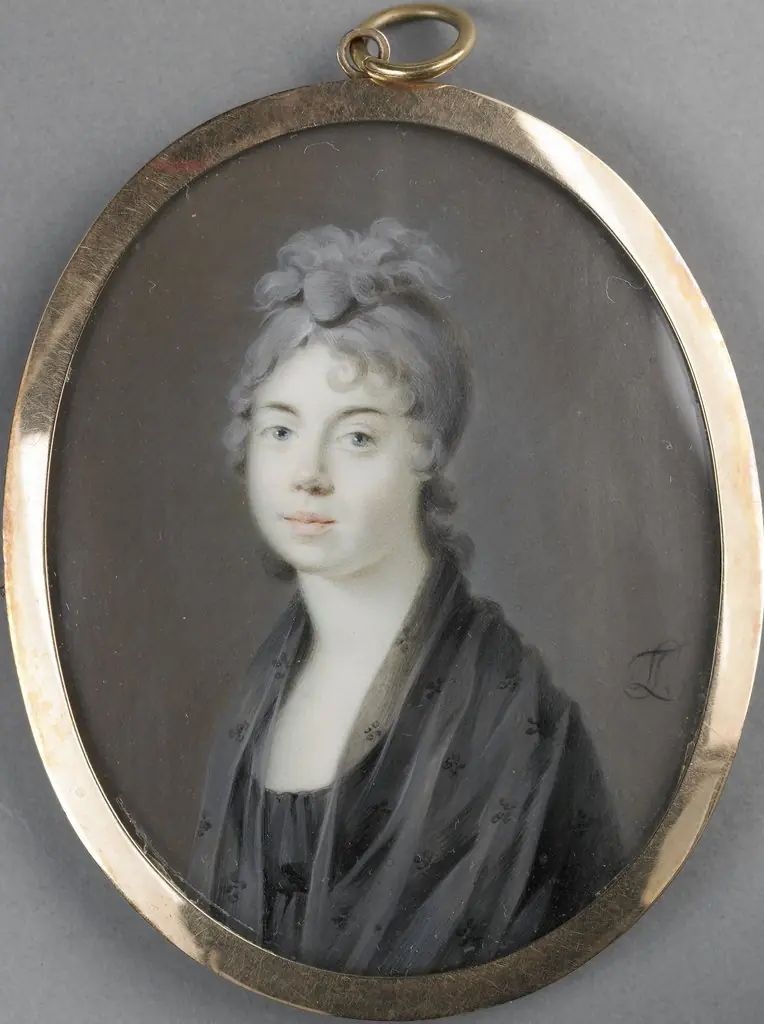
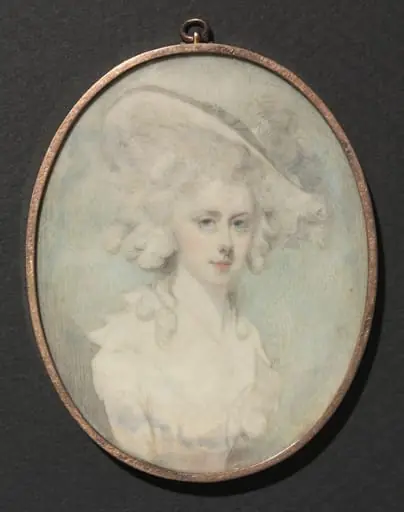
Unknown Lady is an unspecified painting by the Rococo painting artist François Ferrière. It dates from 1798 and is held in the collection of the Nationalmuseum.
About this work
Overview
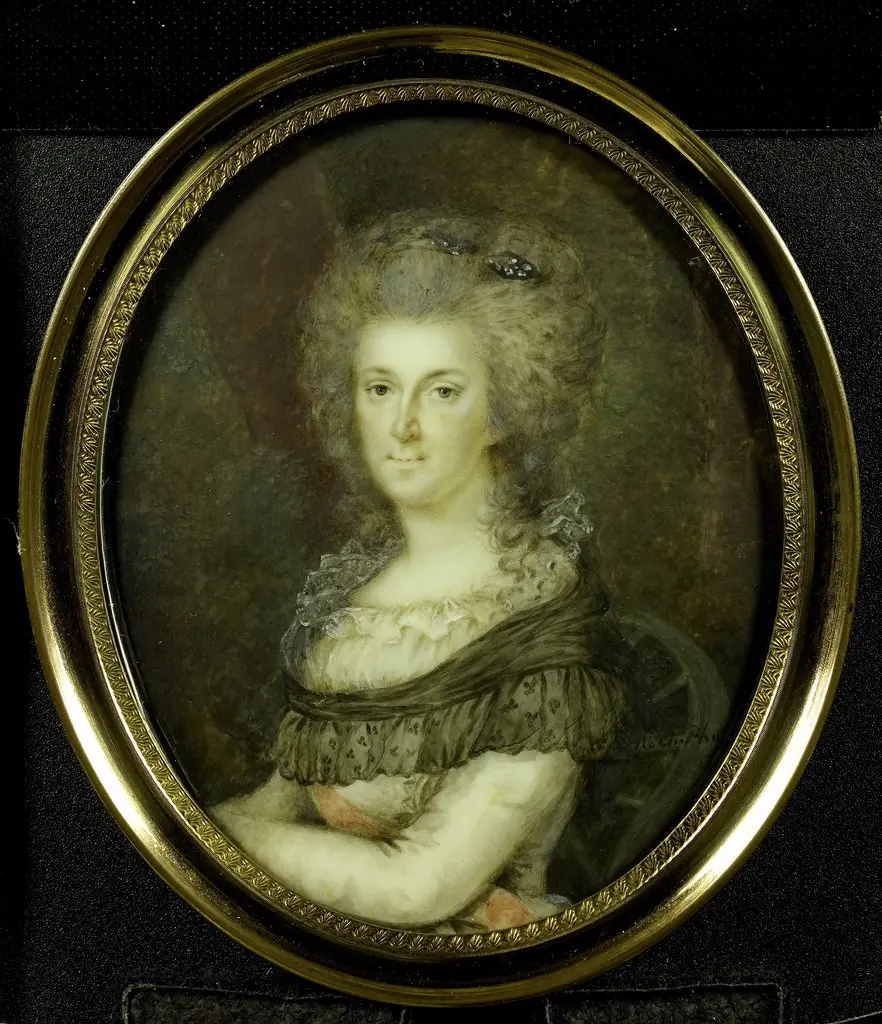
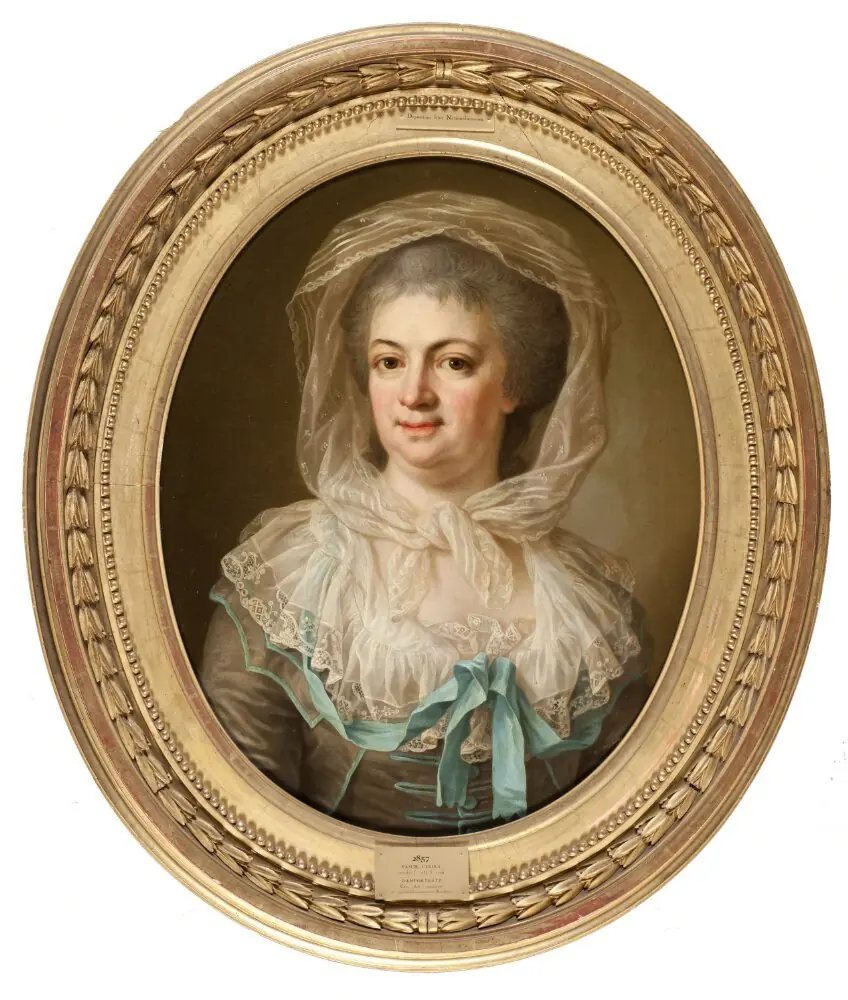
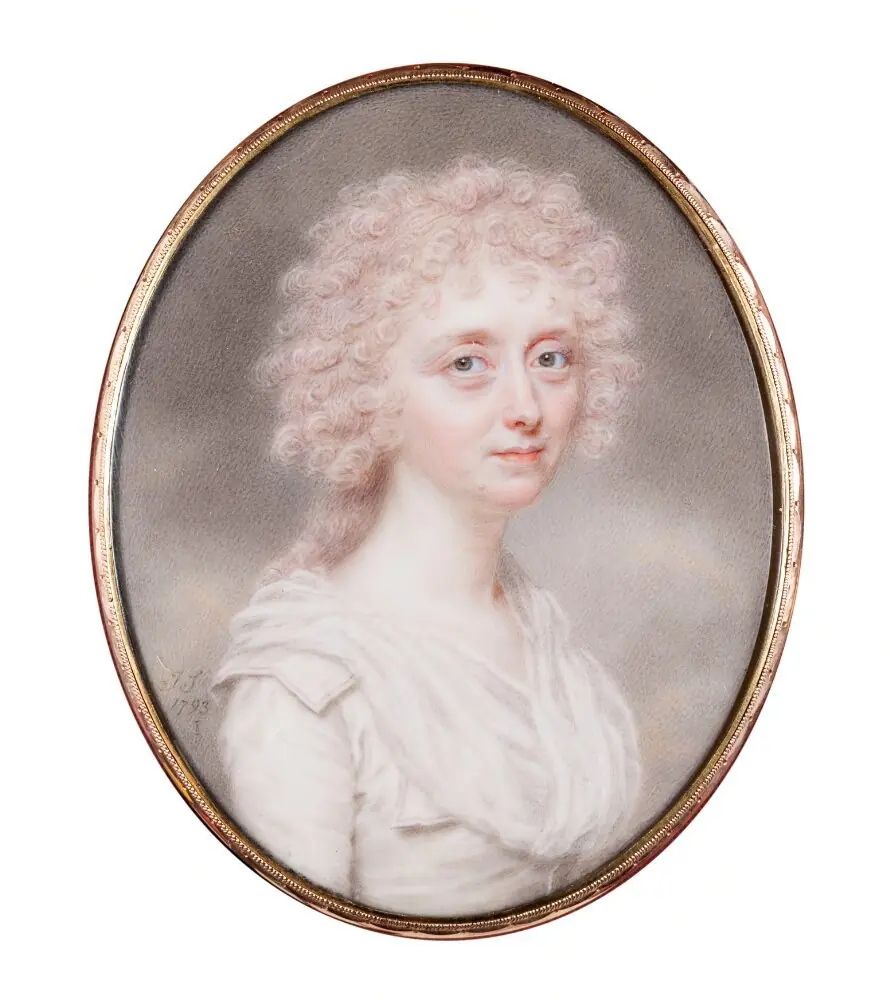
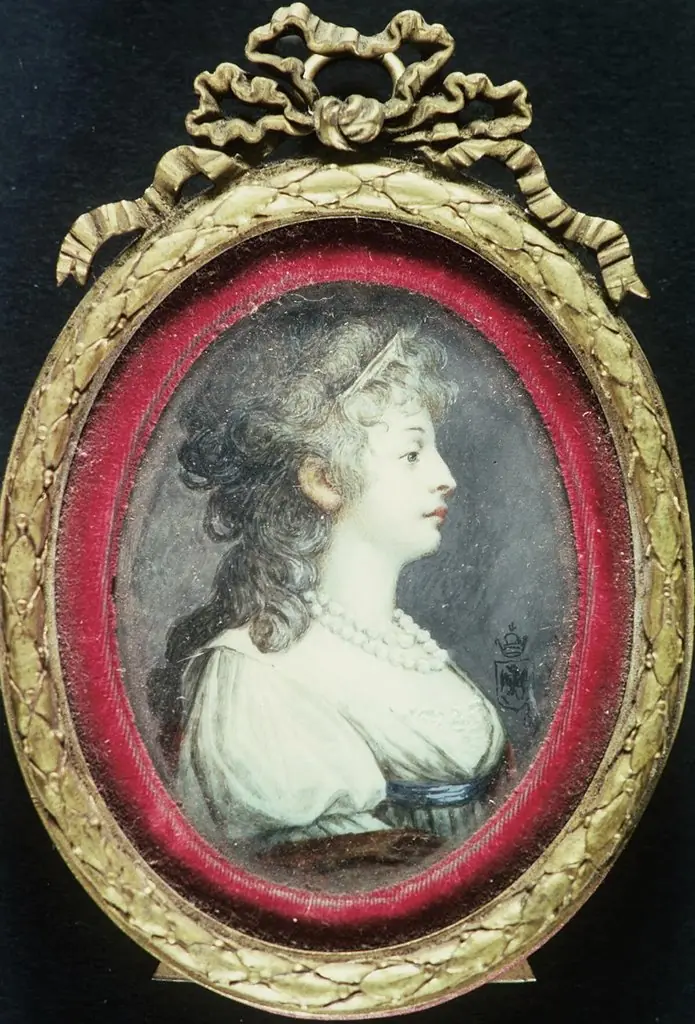
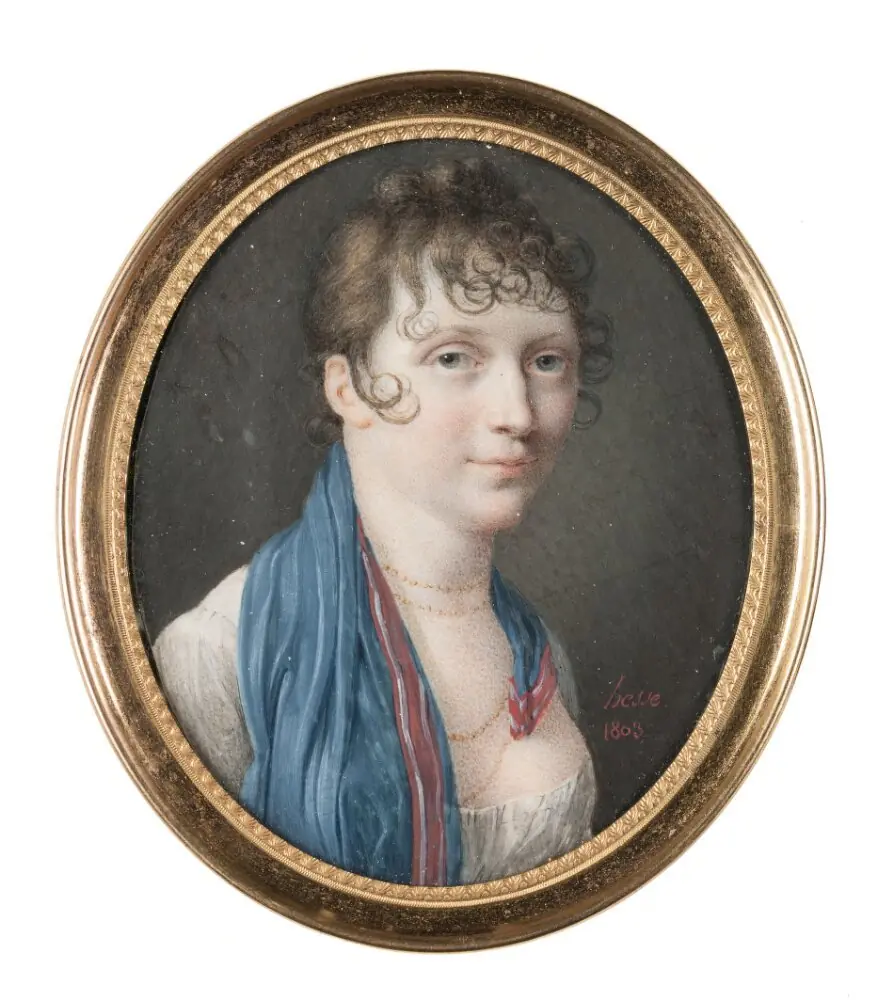
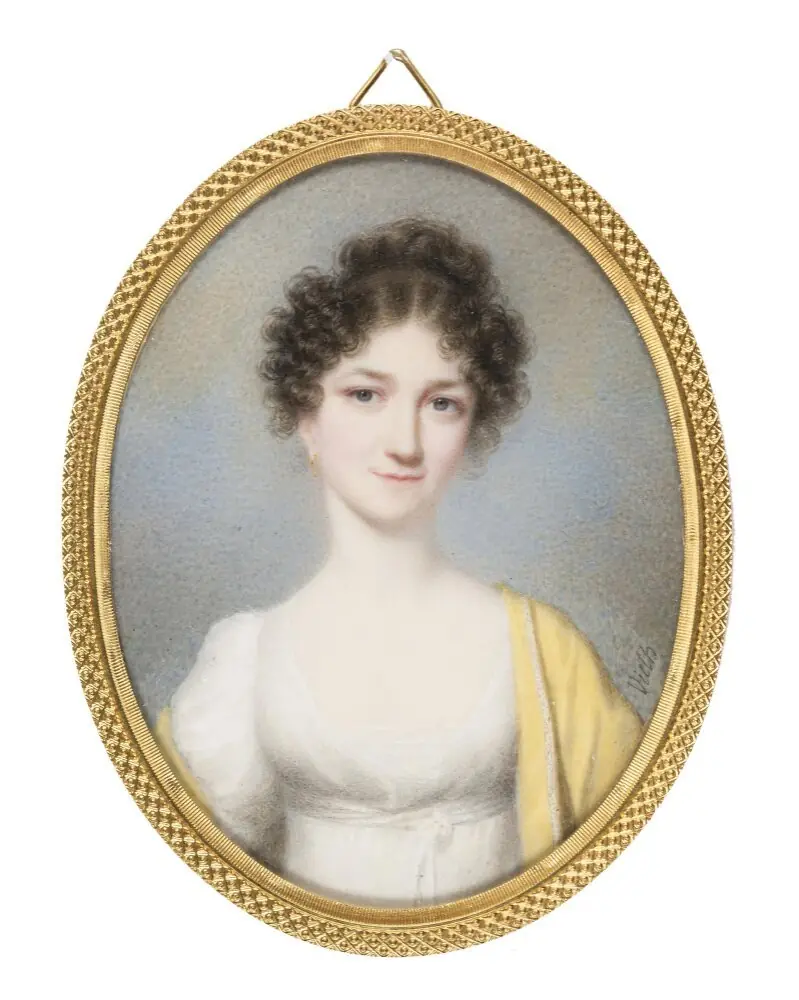
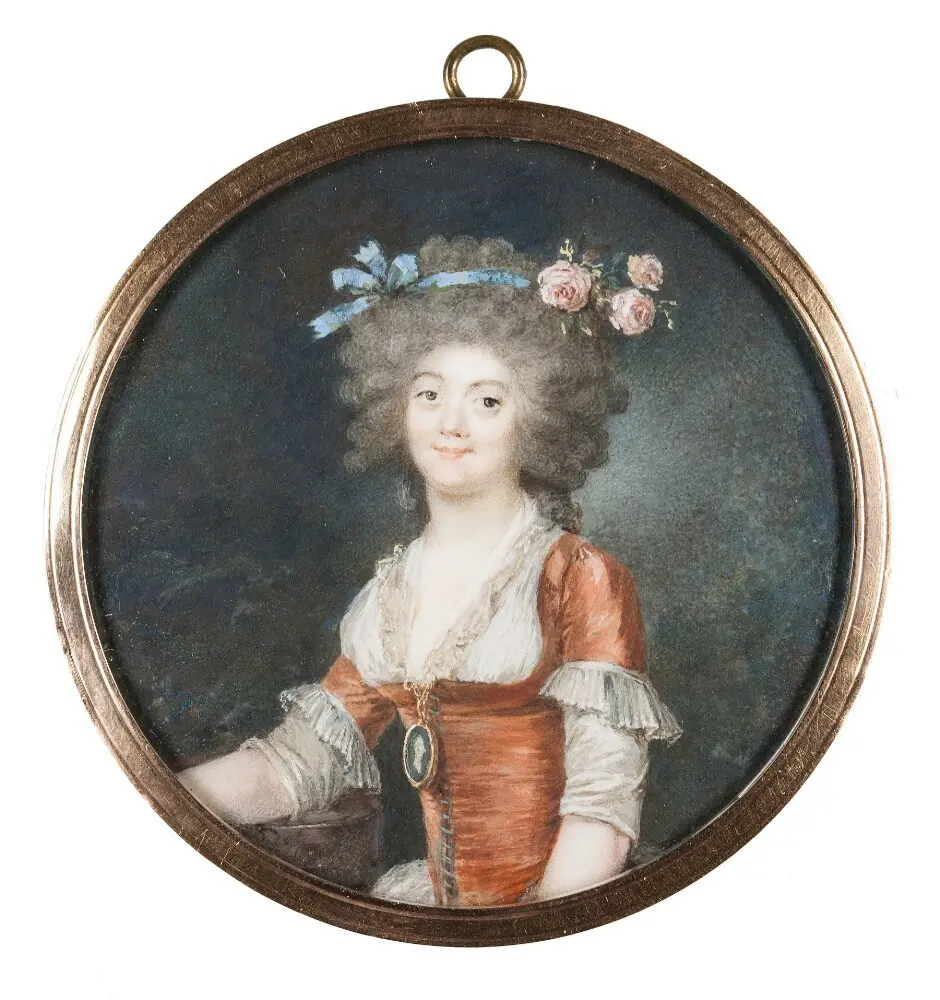
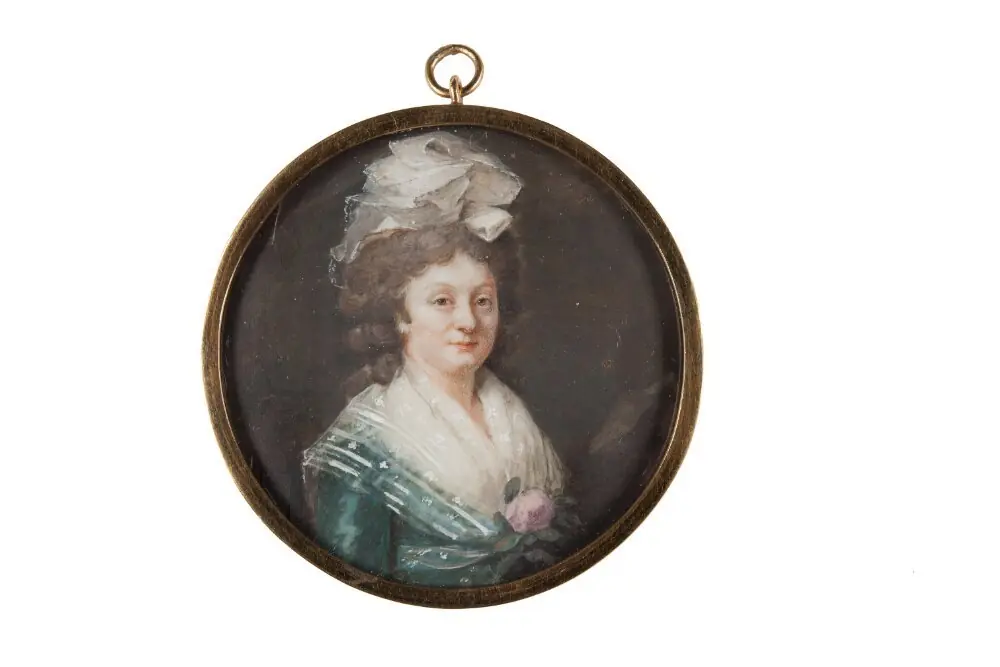
Painted in 1798 by François Ferrière, this oval portrait portrays an unidentified woman, likely from the French or Swiss upper class.
Painted in 1798 by François Ferrière, this oval portrait portrays an unidentified woman, likely from the French or Swiss upper class. Executed in oil on canvas, the work is part of the Nationalmuseum’s collection in Stockholm. Its intimate scale and restrained composition reflect the quiet elegance favored in late 18th-century portraiture, emphasizing the sitter’s presence without overt narrative.
Subject & Meaning
The identity of the woman remains unknown, and no records confirm her name or social role. Her dignified gaze and modest attire suggest a private, personal commission rather than a public statement. The absence of symbols or props shifts focus entirely to her expression and demeanor, inviting contemplation of individual identity within a society increasingly defined by personal refinement.
Technique & Style
Ferrière employs soft modeling and fine brushwork to render the woman’s skin, lace trim, and curls with subtle realism. The dark, unbroken background enhances the luminosity of her white dress and pale complexion, creating a chiaroscuro effect that isolates her figure. The oval format, common in private portraits, adds a sense of intimacy and classical harmony to the composition.
History & Provenance
The painting entered the Nationalmuseum’s holdings in the 19th century, though its earlier ownership is undocumented. It was likely acquired through a private collection in Sweden or France, possibly linked to diplomatic or cultural exchanges between the two nations. No exhibition history or significant alterations are recorded, preserving its original condition.
Context
Created during the post-Revolutionary period, the portrait reflects a shift away from aristocratic grandeur toward quieter, more personal representations. While European elites still commissioned likenesses, the emphasis moved from status to character. Ferrière’s work aligns with this trend, echoing the restrained aesthetics of Neoclassicism and the growing interest in individuality over lineage.
Legacy
Though not widely reproduced or studied, the portrait remains a representative example of Ferrière’s skill in capturing quiet dignity. It contributes to the understanding of lesser-known portraitists working in the late 18th century and offers insight into the visual culture of private life during a time of political and social transformation.
Artist & collection