Artwork
Malerens broder Oluf
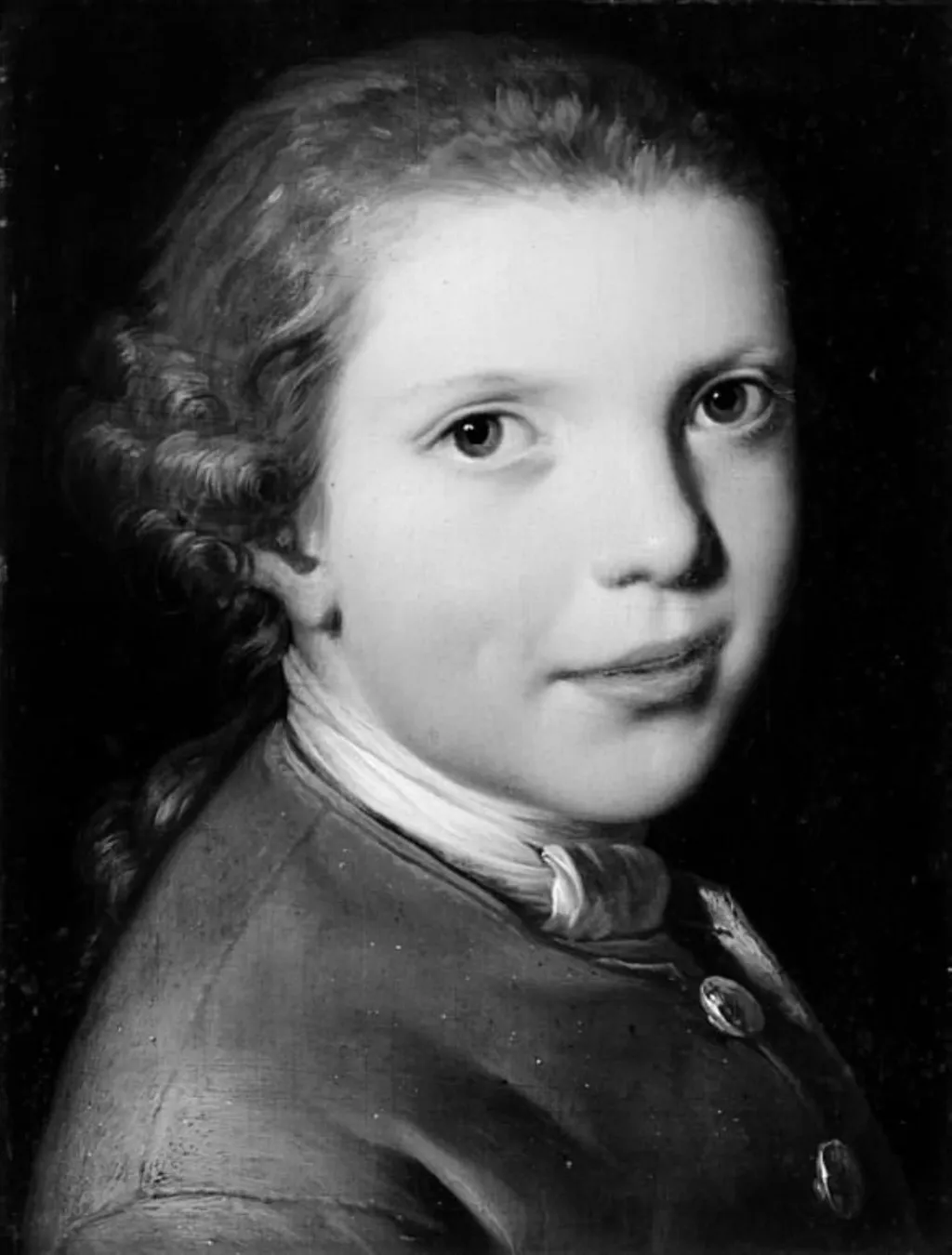
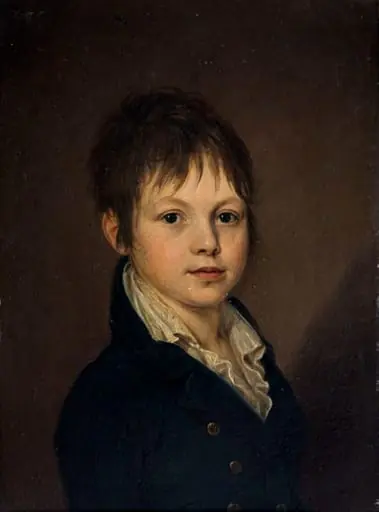
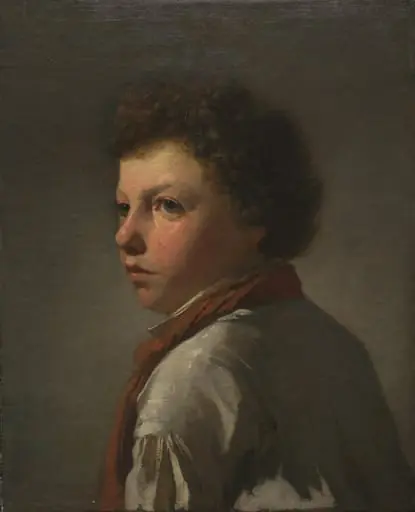
Malerens broder Oluf is a photography by Unknown. It dates from 1750 and is held in the collection of the Statens Museum for Kunst. Created around 1750, this portrait depicts Oluf, the brother of a painter, and is part of the Museum of Ethnography’s collection.
About this work
Overview
Though its surface resembles a photograph, it is executed in paint, deliberately emulating the tonal qualities and intimacy of early photographic portraiture.
Created around 1750, this portrait depicts Oluf, the brother of a painter, and is part of the Museum of Ethnography’s collection. Though its surface resembles a photograph, it is executed in paint, deliberately emulating the tonal qualities and intimacy of early photographic portraiture. The work reflects a period when painters began to adopt the aesthetic of emerging photographic technologies to convey realism and personal presence.
Subject & Meaning
The subject, Oluf, is portrayed with quiet dignity, his expression subtly warm yet restrained. His dark hair is neatly tied back, and his attire—a buttoned jacket with white collar and cuffs—suggests modest respectability. The gentle smile and focused gaze invite a sense of personal connection, not as a formal commission but as an intimate family record, possibly intended to preserve a likeness beyond mere representation.
Technique & Style
The artist employed fine brushwork to mimic the grain and tonal range of early photography, using soft, diffused lighting to model the face against a neutral background. Attention to hair texture and the subtle gradations of skin tone enhance the illusion of photographic realism. Chiaroscuro is used sparingly, avoiding dramatic contrast in favor of a calm, even illumination that emphasizes naturalism over theatricality.
History & Provenance
The painting entered the Museum of Ethnography’s holdings through documented acquisition, though its earlier ownership remains unclear. Its survival into the modern era suggests it was preserved within the artist’s family or among close associates. The work’s unassuming nature likely contributed to its preservation, as it was not treated as a grand artistic statement but as a personal keepsake.
Context
In mid-18th-century Europe, painted portraits were still the norm, but photography’s impending arrival influenced artistic choices. Artists began to refine their techniques to capture lifelike detail and emotional nuance, anticipating the camera’s ability to freeze a moment. This portrait reflects that transition, bridging the conventions of painted likeness with the emerging cultural appetite for photographic truth.
Legacy
The painting stands as a quiet testament to the evolving relationship between painting and photography. It illustrates how artists responded to technological change not by abandoning tradition, but by adapting it. Today, it offers insight into how personal identity was visually constructed before the age of mass reproduction, preserving a face and a moment with deliberate, handcrafted care.
Artist & collection

 Domestic Scene
 Giacomo and Cardinal Marco, investing Andrea, Abbot of San Zeno, with his Benefice
 The Nymph of Fontainebleau
 Portrait of a Woman
 Madonna and Child with Saints in the Enclosed Garden
 Venus and Minerva
 Family Group of Four on Sofa
 Wall painting from Room H of the Villa of P. Fannius Synistor at Boscoreale