Artwork
Portrait of a Girl
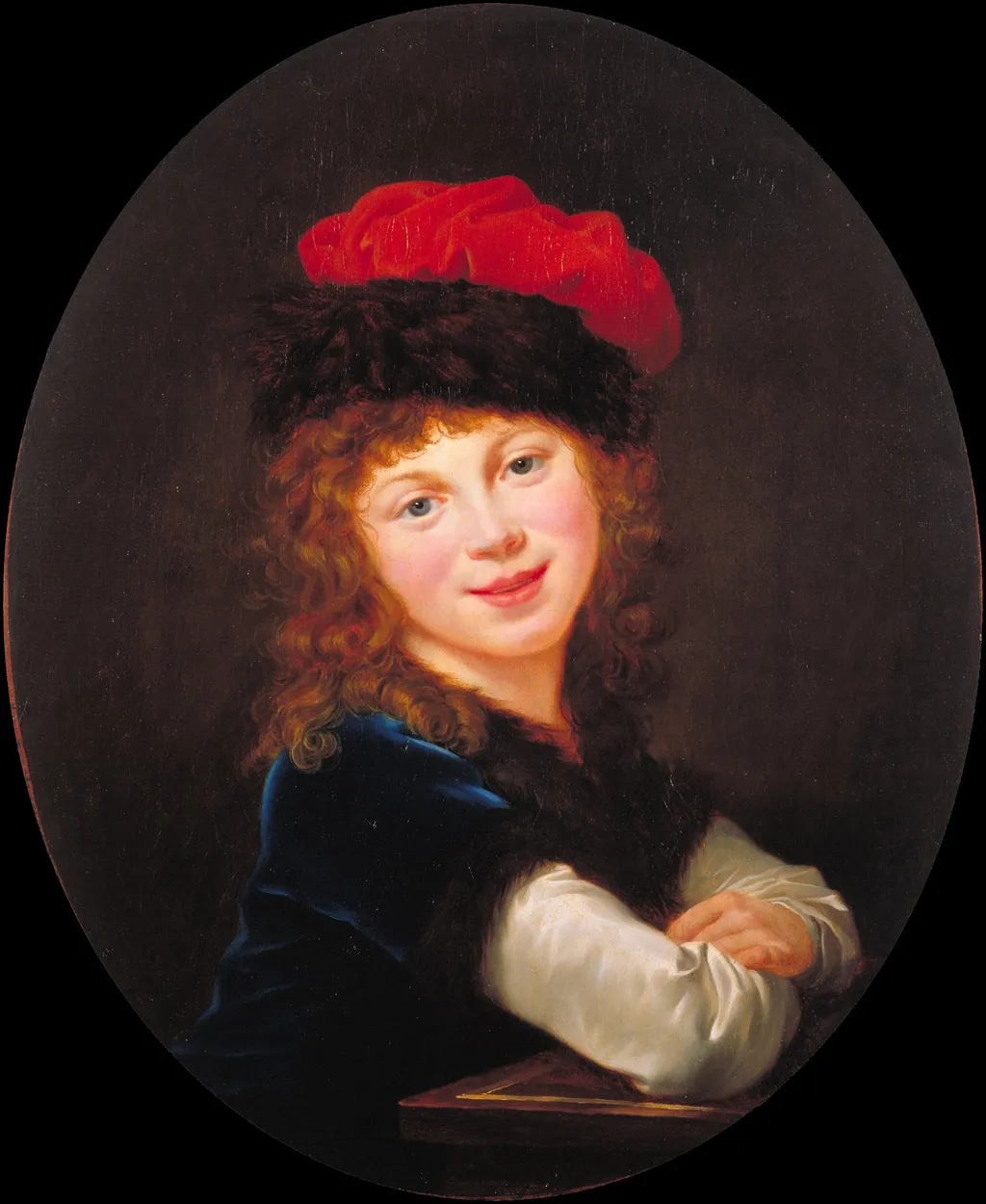
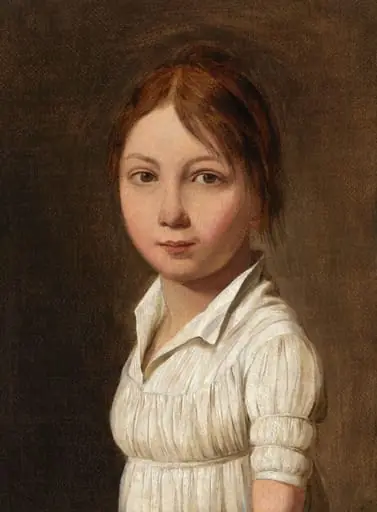
Portrait of a Girl is an oil painting by the Rococo painting artist Élisabeth Louise Vigée Le Brun. It dates from 1750 and is held in the collection of the Museu Nacional d'Art de Catalunya. This oil painting depicts a young girl, rendered with quiet intimacy by an unknown artist active in the mid-18th century.
About this work
Overview
This oil painting depicts a young girl, rendered with quiet intimacy by an unknown artist active in the mid-18th century.
This oil painting depicts a young girl, rendered with quiet intimacy by an unknown artist active in the mid-18th century. The composition centers on the child’s face, illuminated against a dark, undefined background. Her direct gaze and subtle expression invite quiet engagement, while the soft modeling of her skin and clothing suggests a sensitivity to light and form typical of portrait practices of the period.
Subject & Meaning
The subject is a child, likely from a modest or middle-class family, portrayed without aristocratic attributes or symbolic props. Her red hair and flushed cheeks convey vitality, while her parted lips and steady gaze suggest a moment of stillness rather than staged formality. The absence of identifiers—no jewelry, no furniture, no heraldry—points to an emphasis on personal presence over social status.
Technique & Style
Oil paint is applied with delicate brushwork to capture the texture of fabric, the sheen of skin, and the softness of curls. Chiaroscuro is used subtly to define the contours of the face and shoulders, creating volume without dramatic contrast. The palette is restrained: deep blues and muted reds anchor the figure, while the pale skin glows with a naturalistic warmth, avoiding the ornamental excesses of high Rococo.
History & Provenance
The painting resides in the Museu Nacional d'Art de Catalunya, though its early ownership and commissioning remain undocumented. It was likely created in France or a neighboring region during the 1740s–1750s, a time when private portraiture of children was growing in popularity among non-noble patrons. Its survival and acquisition by the museum reflect its value as an example of intimate 18th-century portraiture.
Context
In mid-18th-century Europe, portraits of children were increasingly commissioned by families seeking to preserve personal memory rather than assert lineage. While aristocratic portraits often included elaborate settings, this work’s simplicity aligns with emerging tastes for sincerity and naturalism. It reflects a shift away from theatricality toward quieter, more individualized representation.
Legacy
Though unsigned and unattributed to a major name, the painting endures as a quiet testament to the skill of anonymous portraitists who captured childhood with empathy. Its preservation in a major museum underscores its significance as an example of everyday visual culture in the pre-Revolutionary era, offering insight into how ordinary lives were rendered with dignity in oil.
Artist & collection
Artist
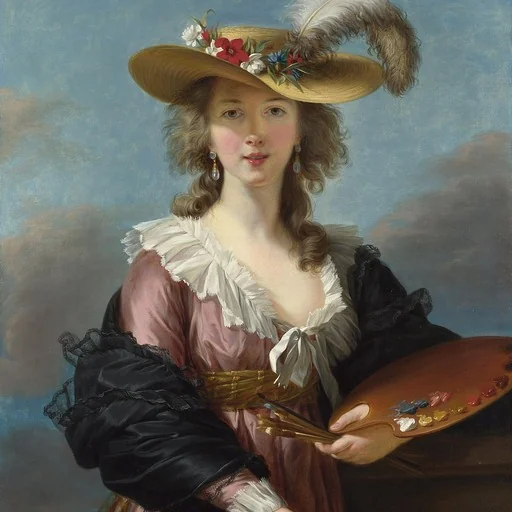
Élisabeth Louise Vigée Le Brun
Élisabeth Louise Vigée Le Brun (French: ; née Vigée; 16 April 1755 – 30 March 1842), also known as Louise Élisabeth Vigée Le Brun or simply Madame Le Brun, was a French painter who mostly specialized in portrait…

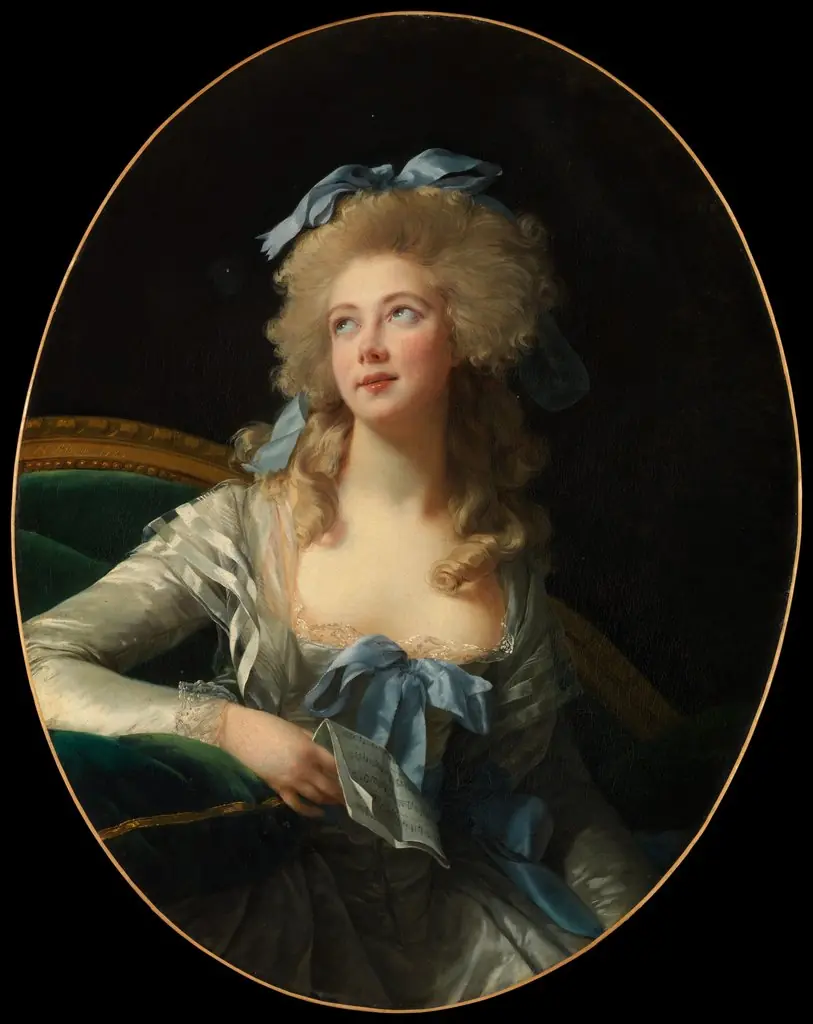 Madame Grand (Noël Catherine Verlée, 1761–1835)
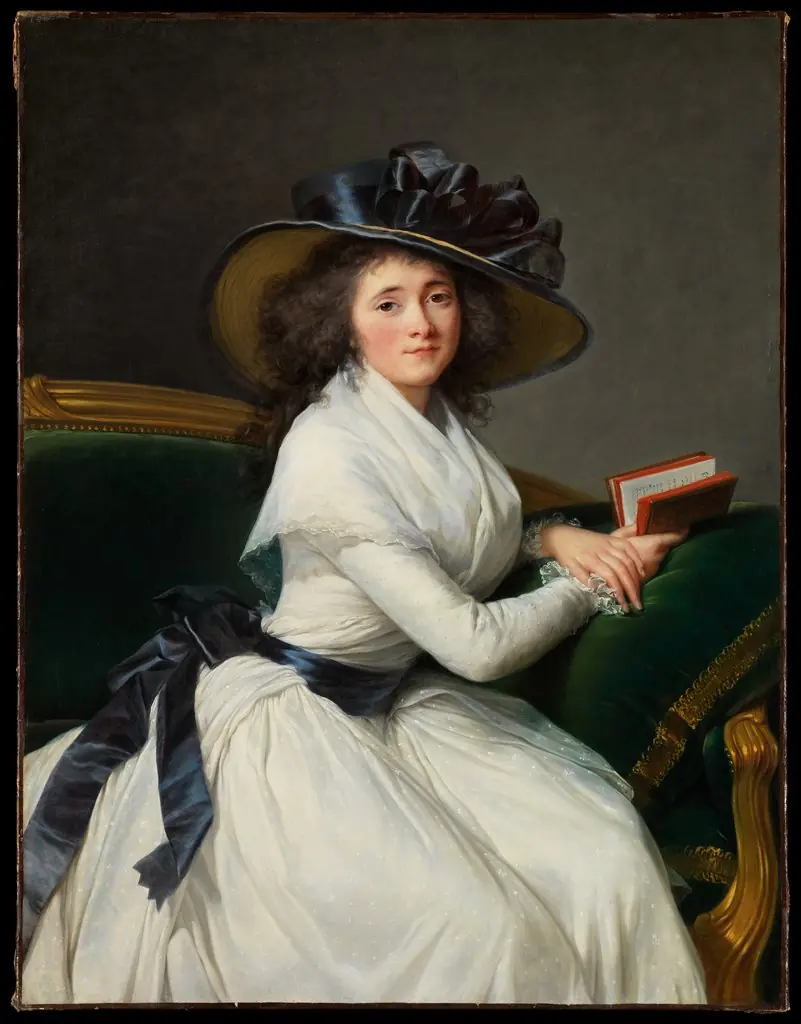 Comtesse de la Châtre (Marie Charlotte Louise Perrette Aglaé Bontemps, 1762–1848)
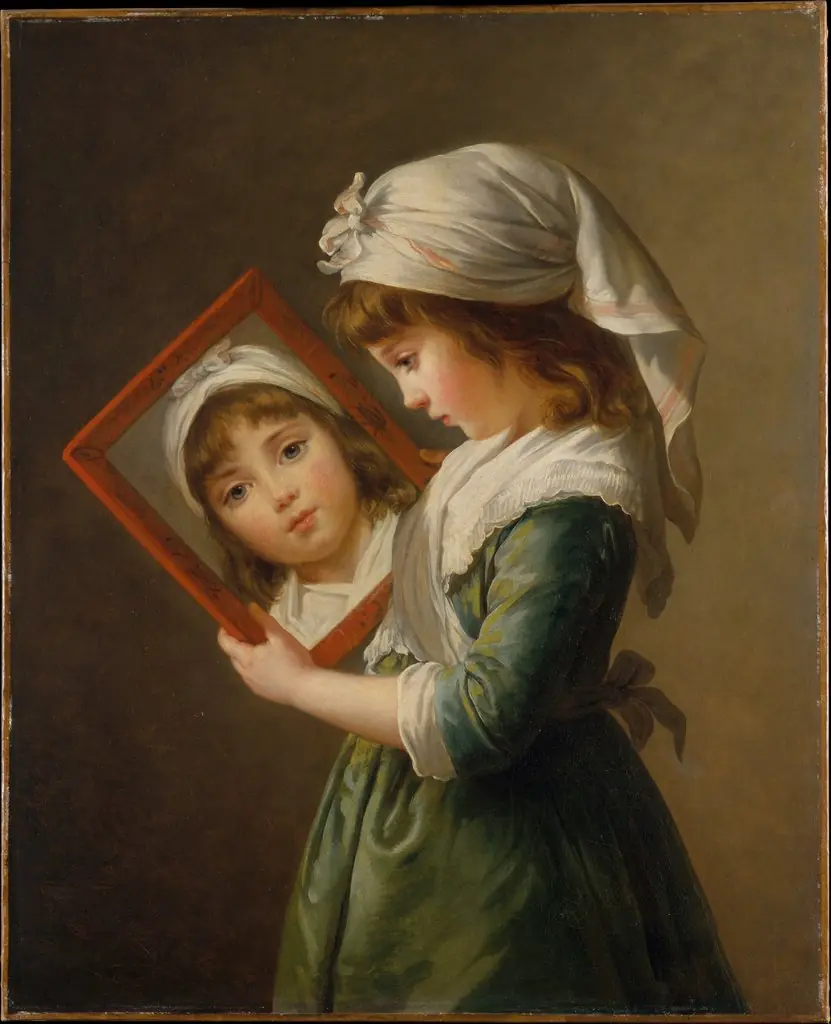 Julie Le Brun (1780–1819) Looking in a Mirror
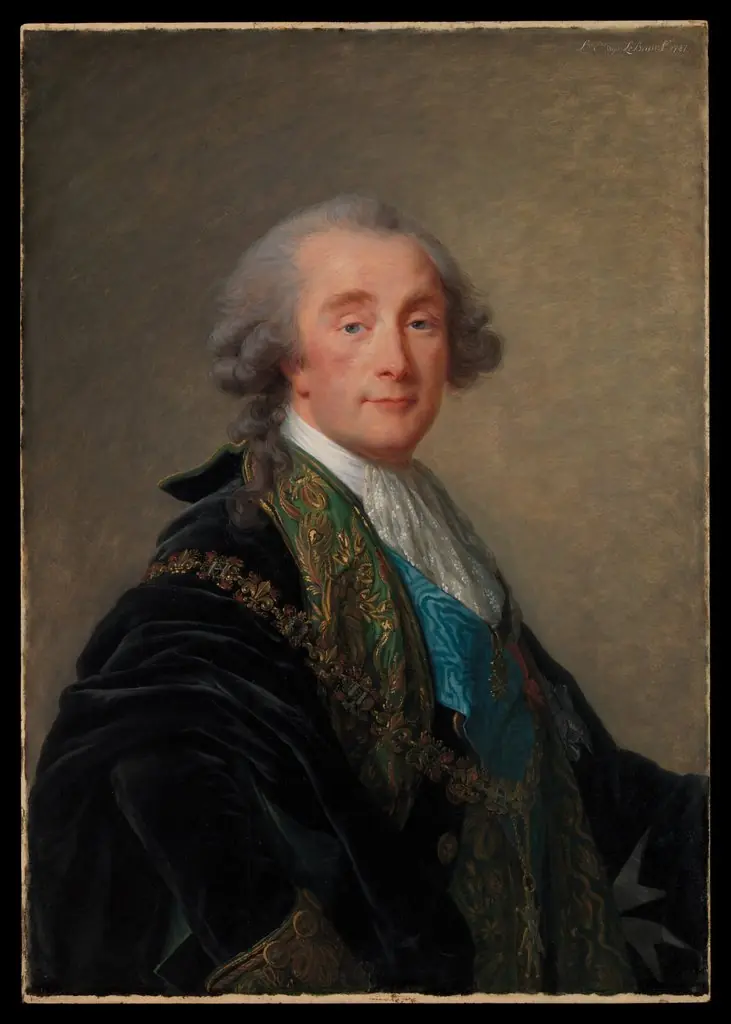 Alexandre Charles Emmanuel de Crussol-Florensac (1743–1815)
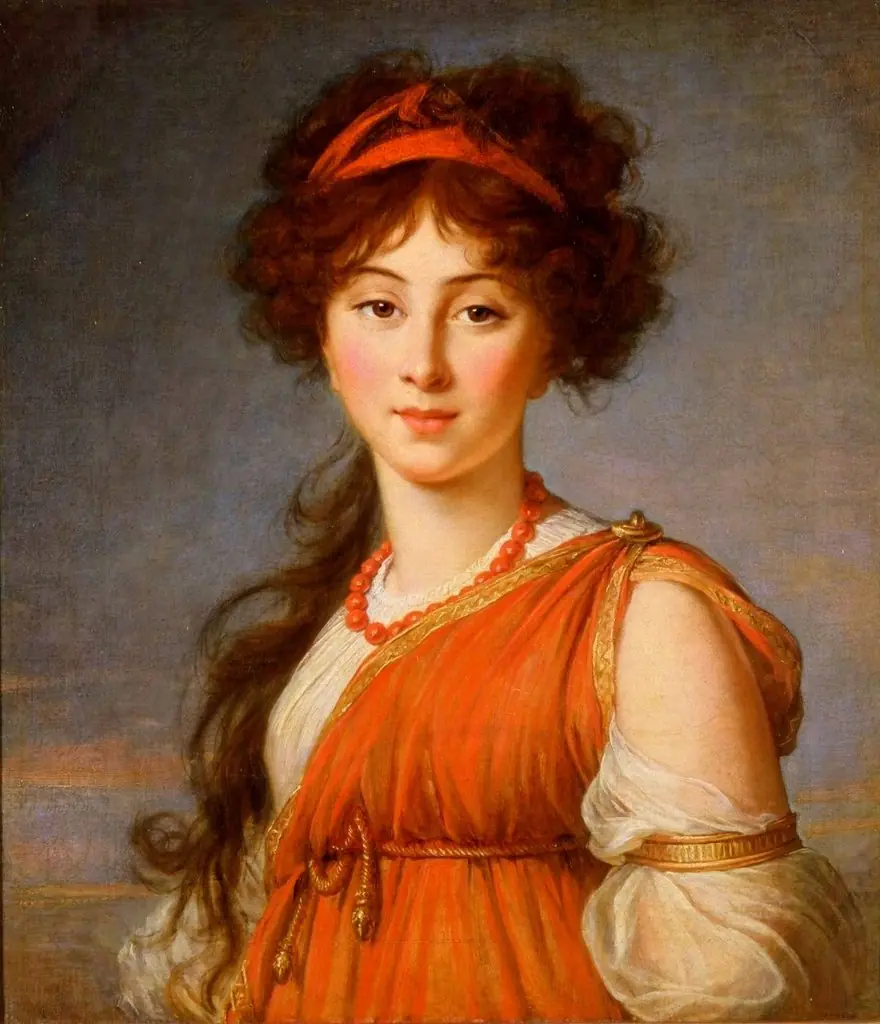 Varvara Ivanovna Ladomirsky
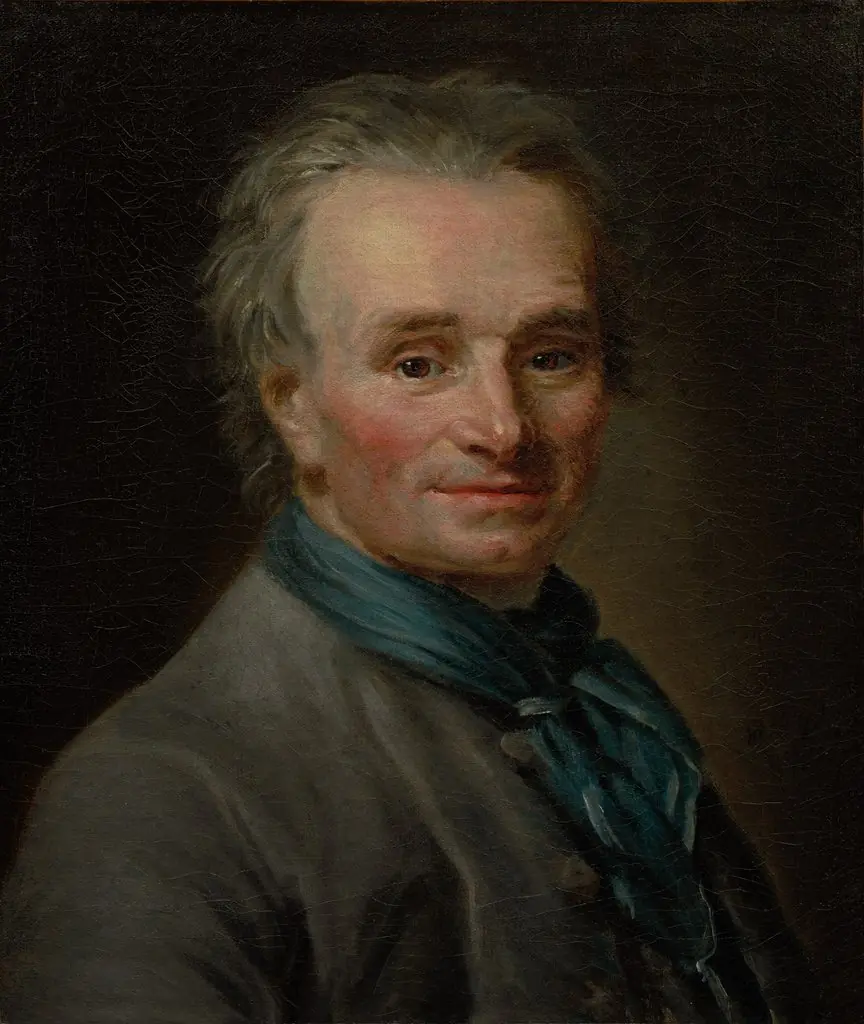 Portrait of Jean-Baptiste Lemoyne the Younger
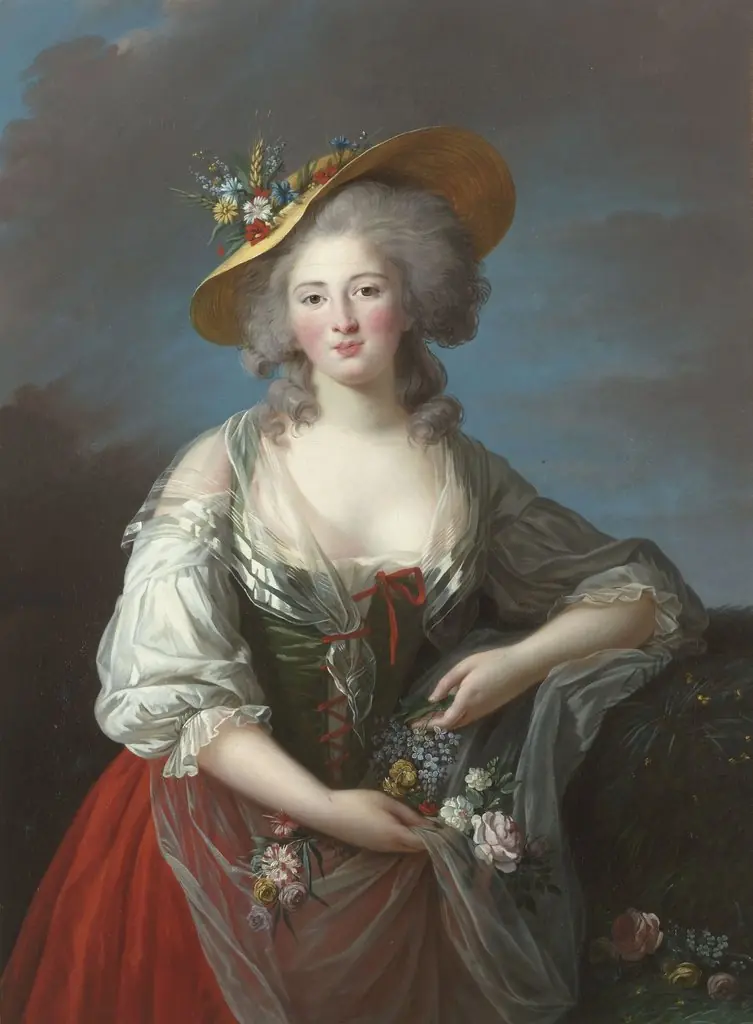 Elisabeth-Philippe-Marie-Hélène de France, dite Madame Elisabeth
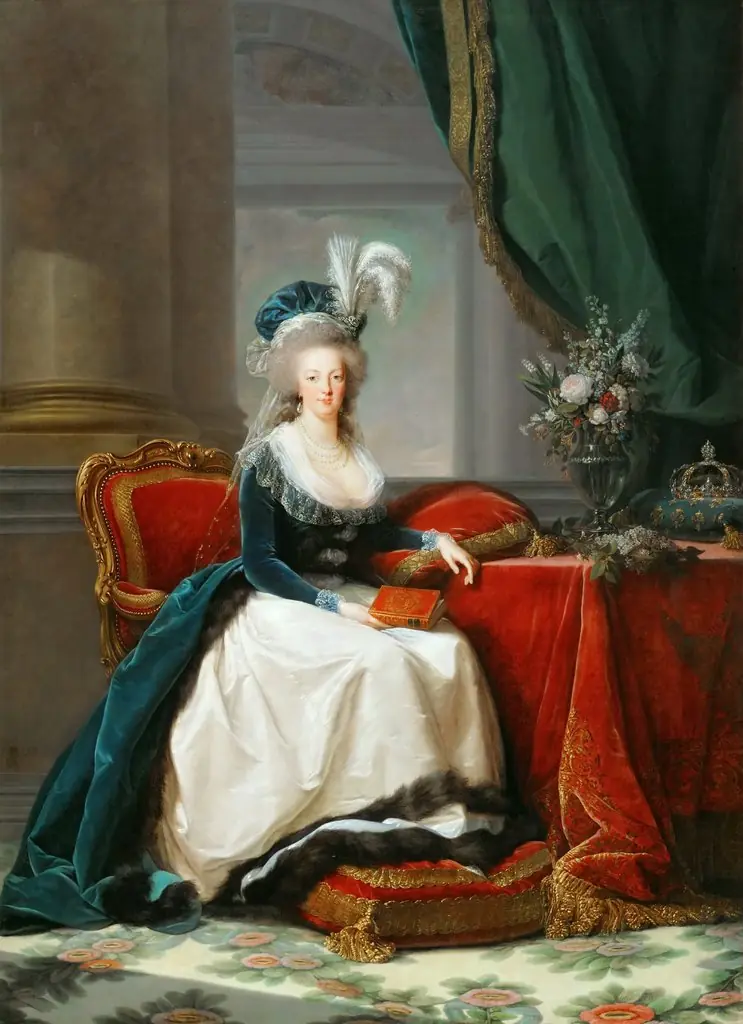 Marie-Antoinette seated, in blue coat and white dress, holding a book in her hand
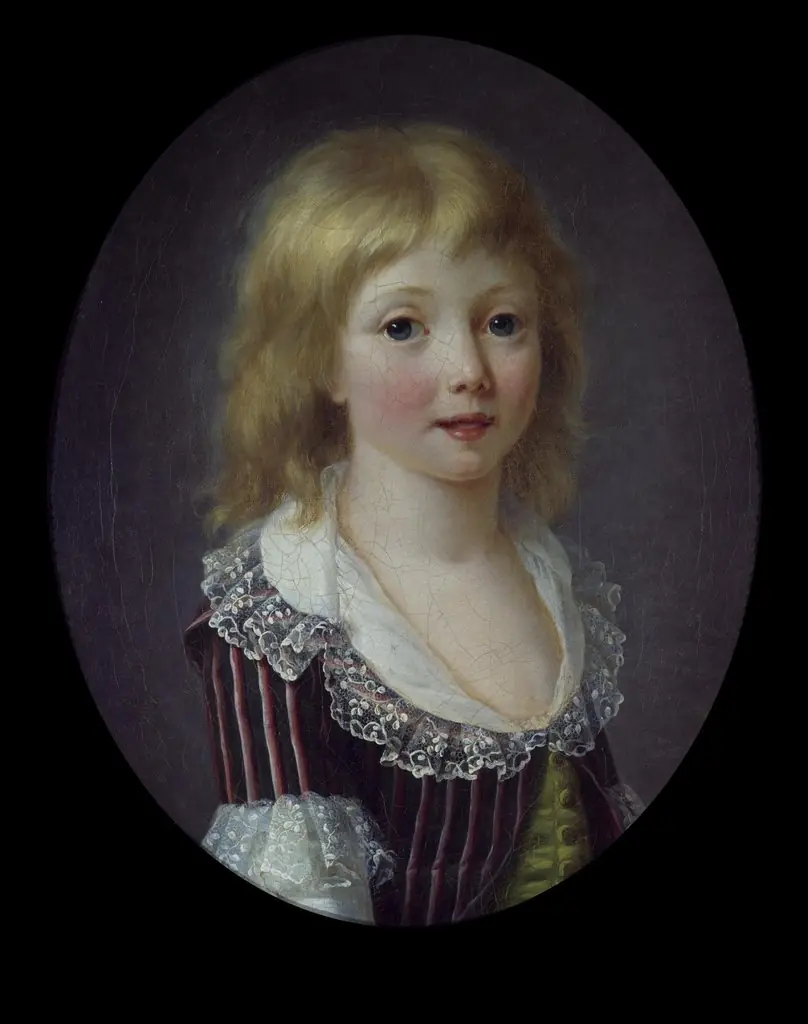 Portrait of a Child of the Comminges Family
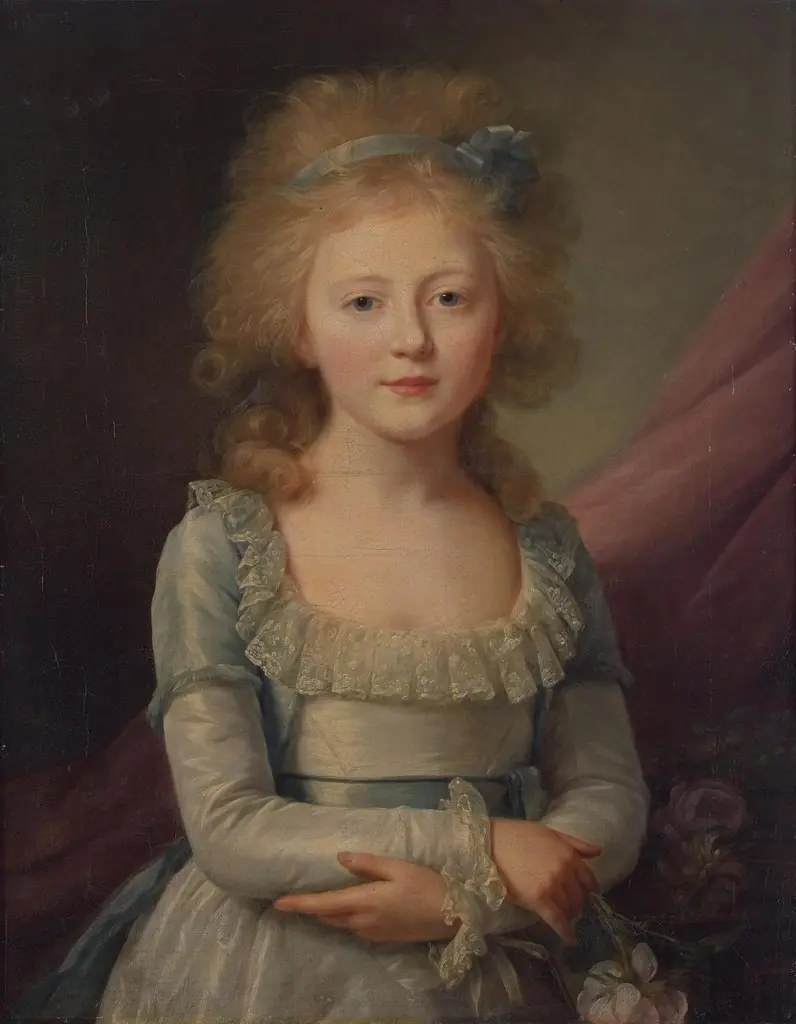 Portrait of grand Duchess Yelena Pavlovna as the Child
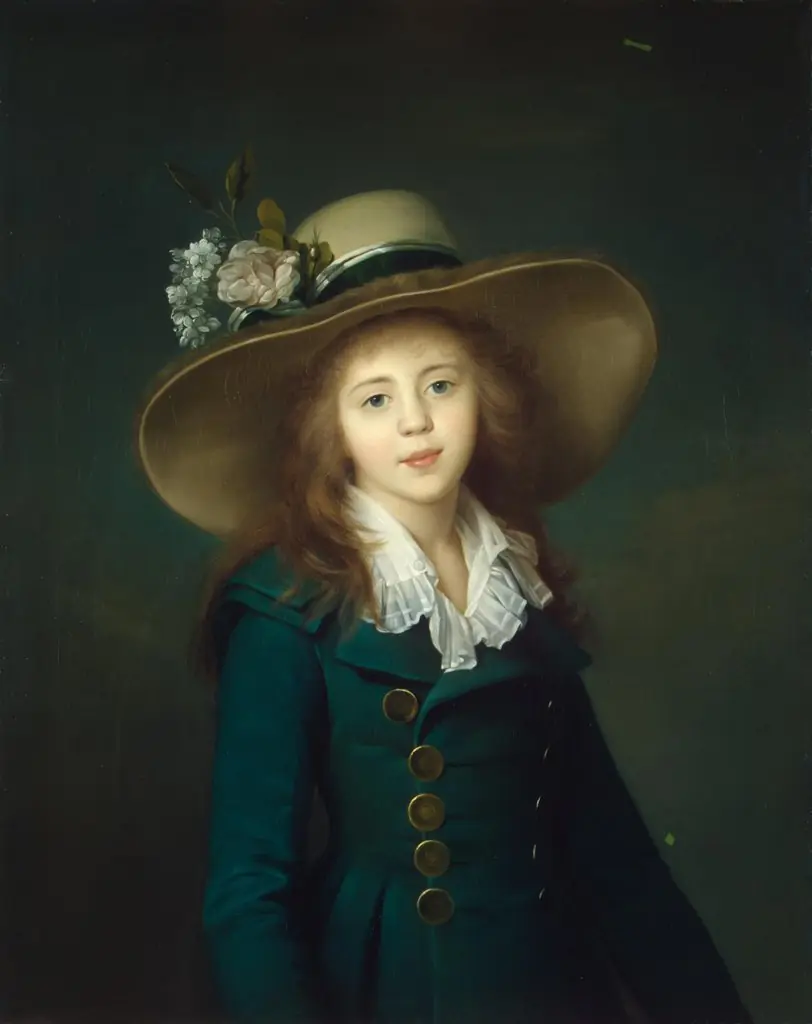 Portrait of a Girl in a Hat
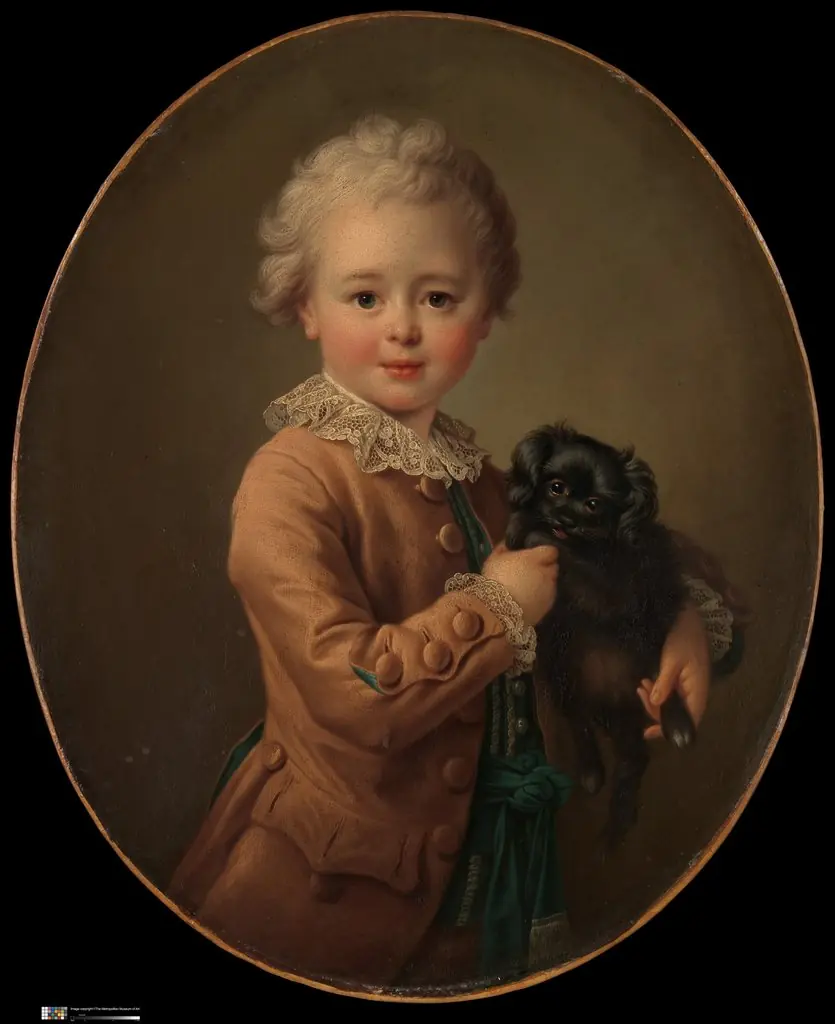 Boy with a Black Spaniel
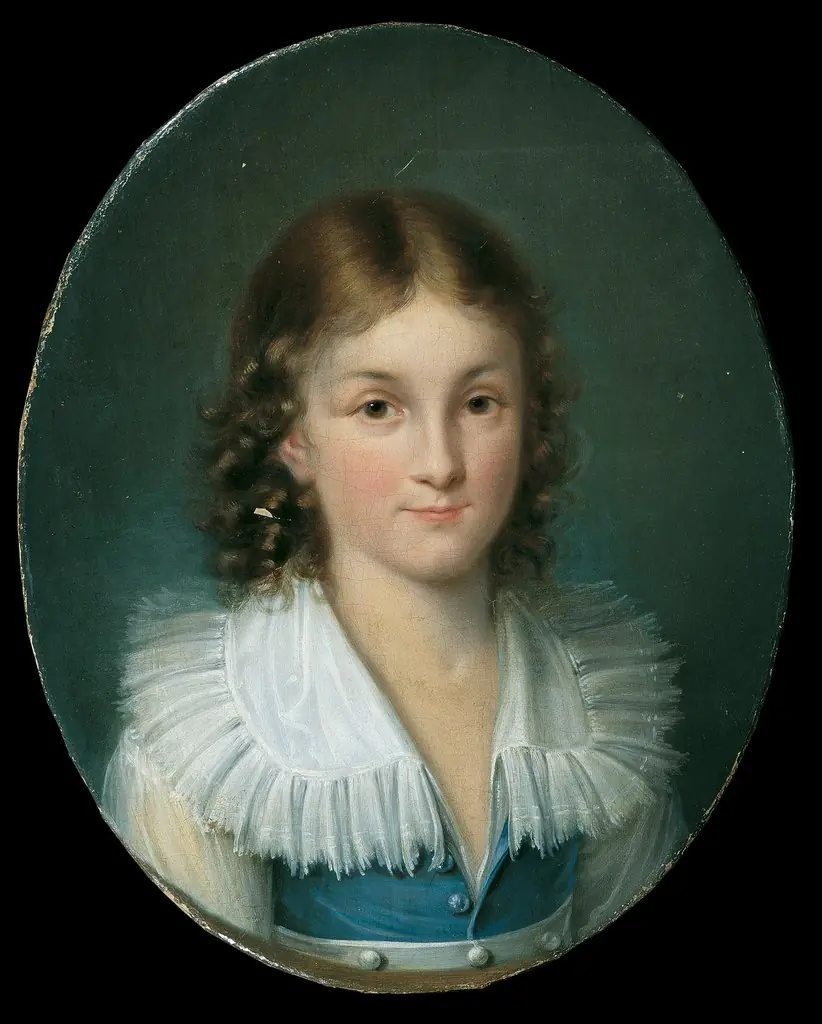 Der Vater des Künstlers als Kind
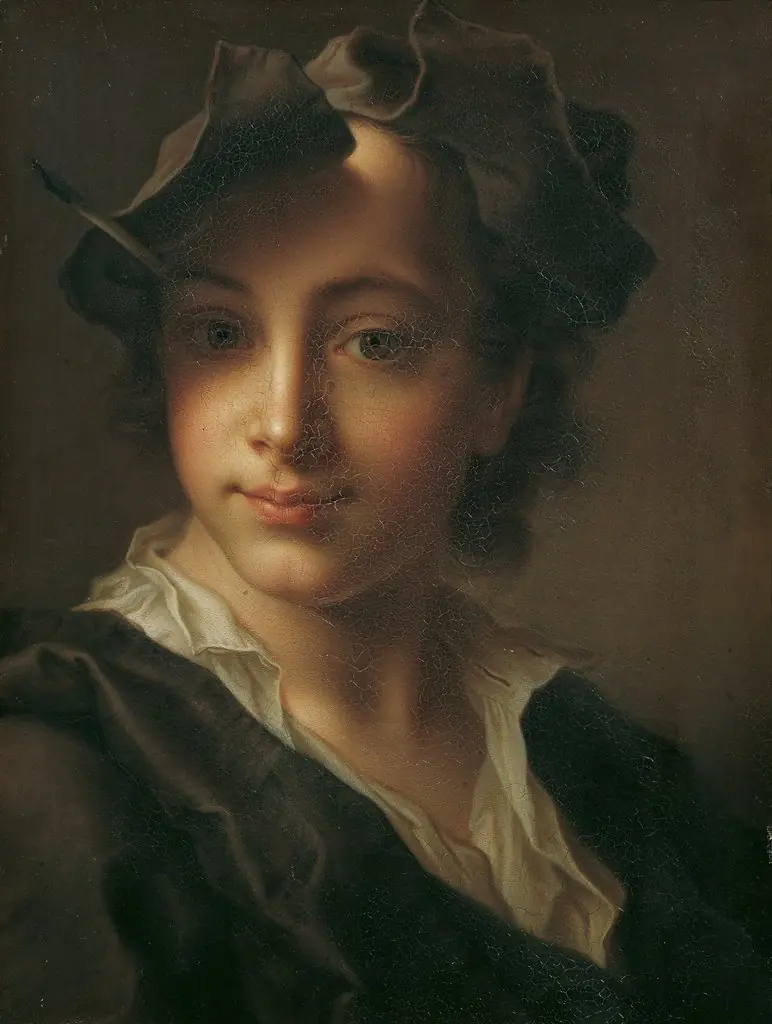 Portrait of a boy
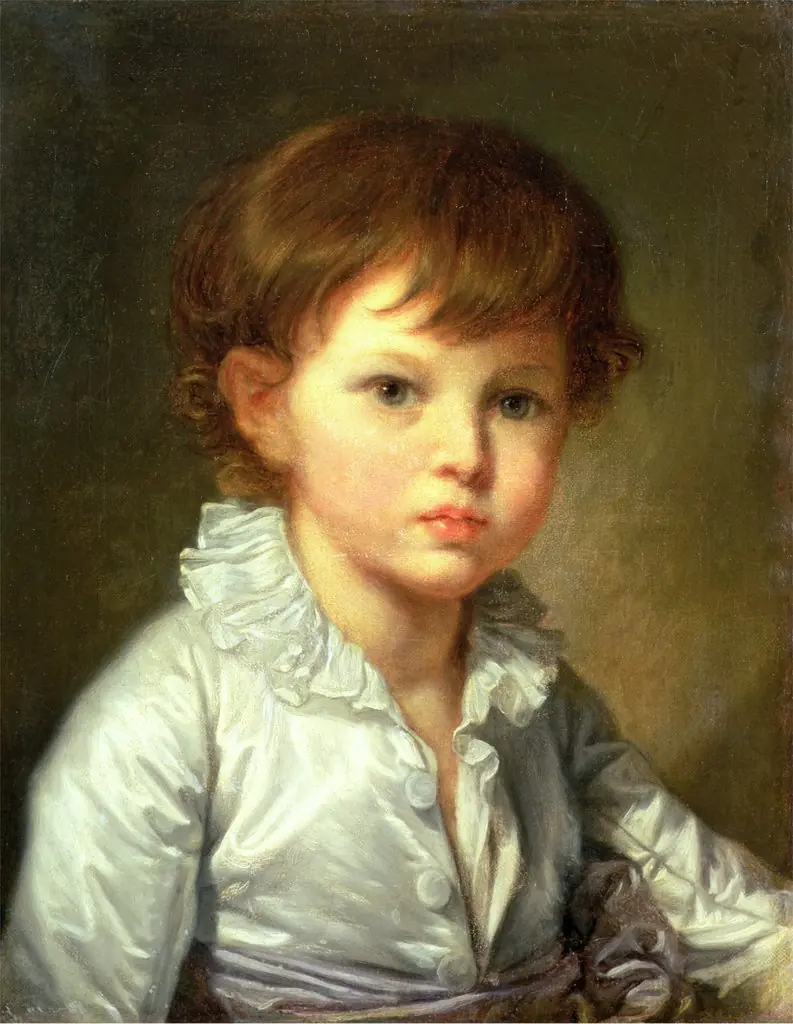 Portrait of Count Pavel Stroganov as A Child
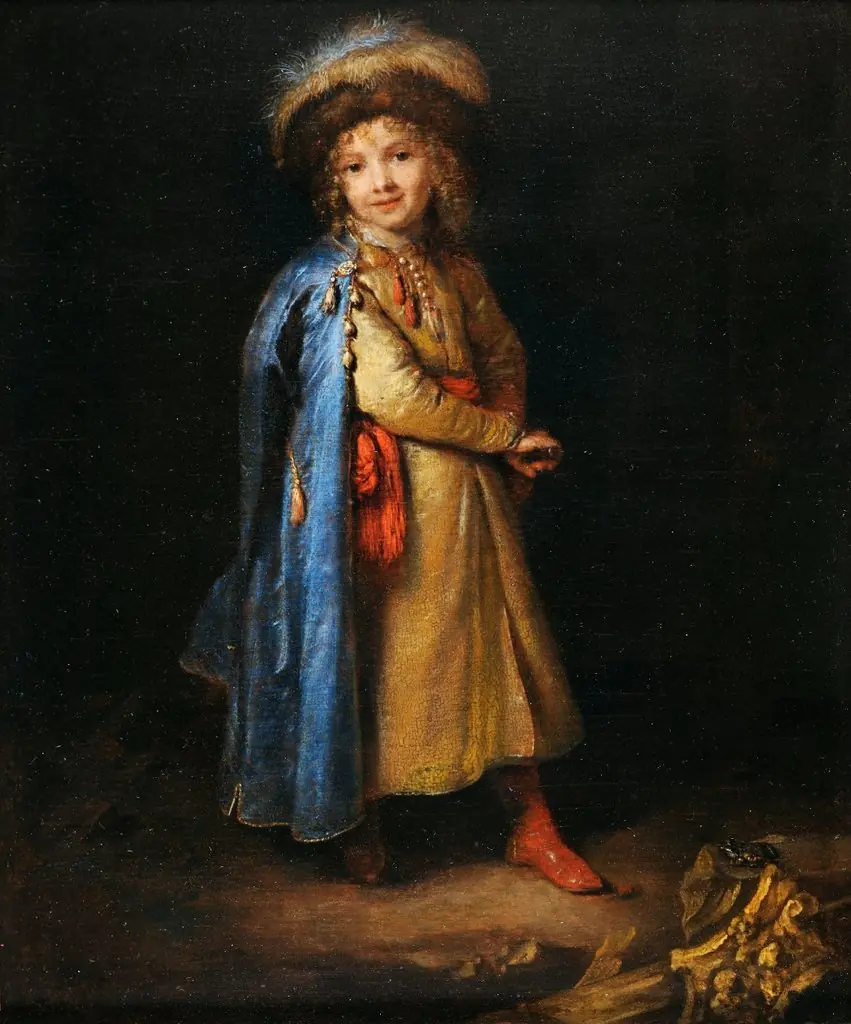 Boy in Polish costume
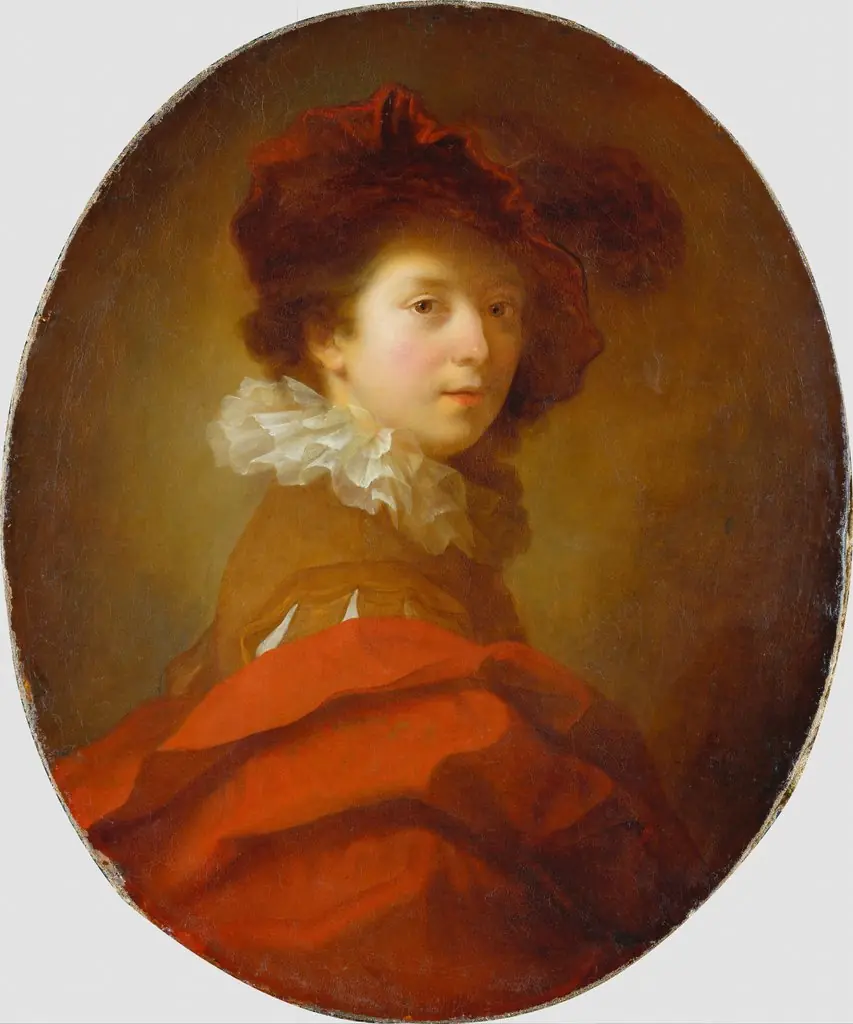 Half-length figure of a young man
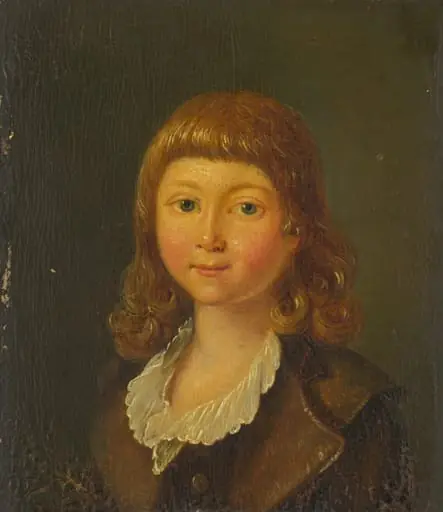 Portrait of a Young Boy
 Malvina Mortier de Trévise
 Portrait of Elżbieta Mniszech (born 1792)