Artwork
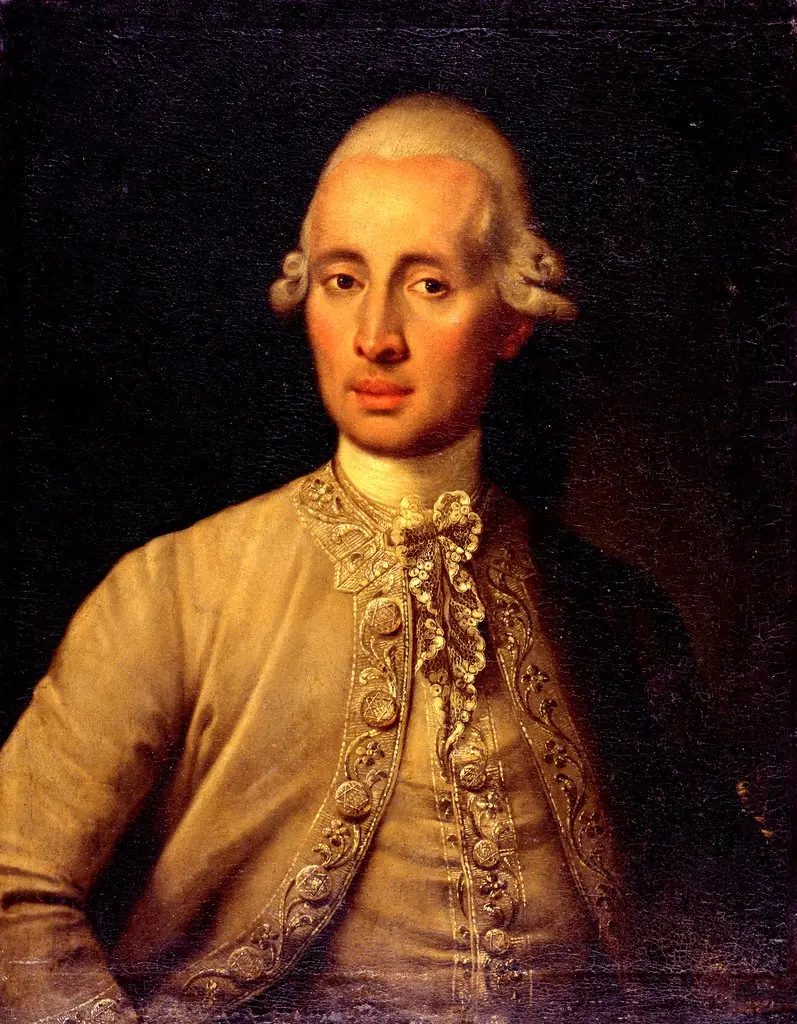
Portræt af Christian VII
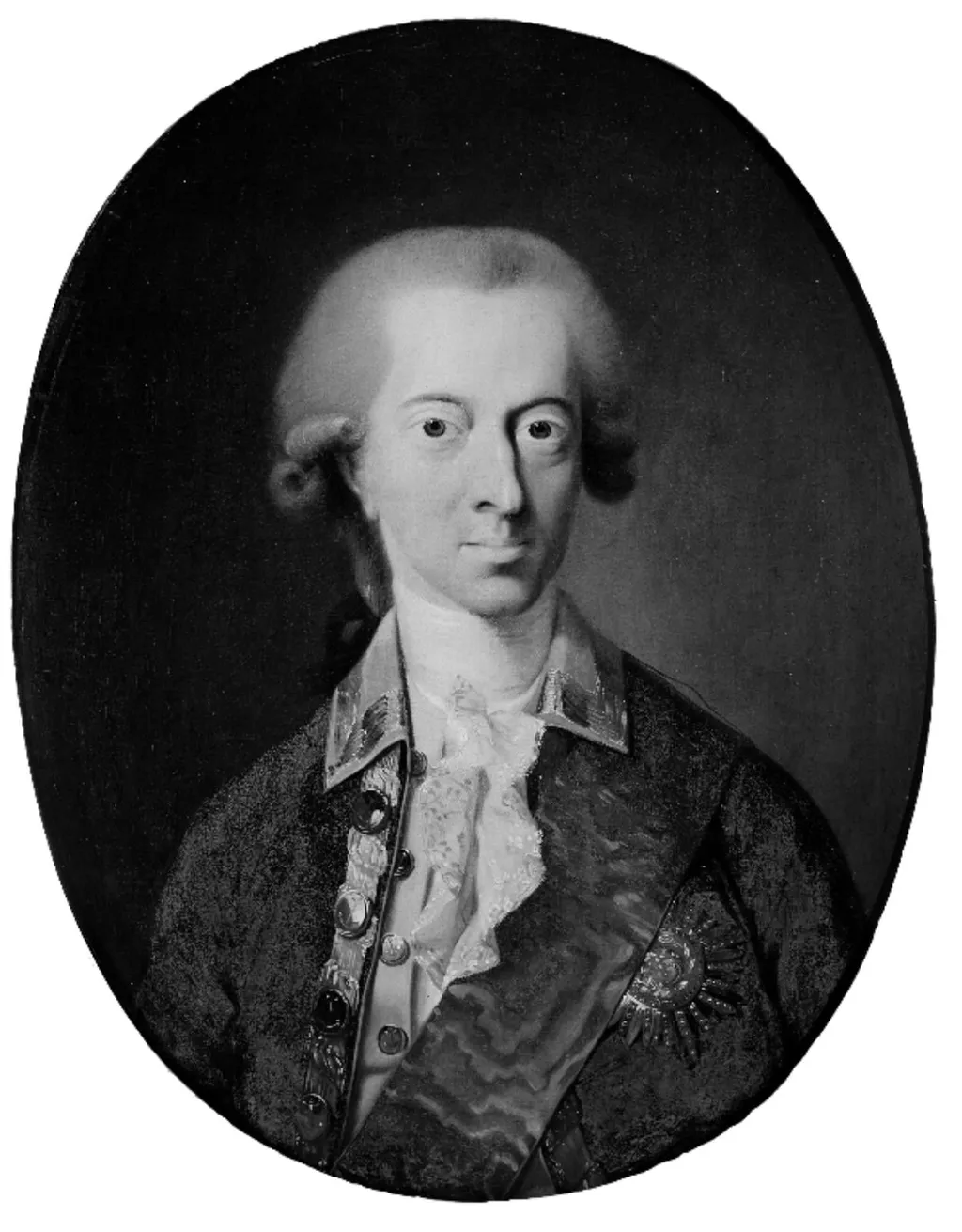
Portræt af Christian VII is a photography by Unknown. It dates from 1750 and is held in the collection of the Statens Museum for Kunst.
About this work
If you're interested in learning more about this artist's work, you might want to explore other pieces by 1092_person.
This is a black and white portrait of a man with a serious expression. He has light-colored hair that is styled in a manner that frames his face. The man is wearing a dark jacket with buttons down the front and a lighter-colored shirt underneath.
The man's attire suggests that he may be from a formal or aristocratic background. The style of his clothing and hairstyle appear to be from an earlier time period, possibly the 18th century.
If you're interested in learning more about this artist's work, you might want to explore other pieces by 1092_person.
Overview
This portrait depicts Christian VII, king of Denmark-Norway, rendered in monochrome by an artist identified in museum records as 1092_person. Executed around 1750, the work reflects conventions of aristocratic portraiture from the mid-eighteenth century, capturing the monarch’s likeness with restrained formality.
Subject & Meaning
The sitter is Christian VII, whose sober expression and structured pose convey authority and dignity. His attire—dark, buttoned coat over a lighter shirt—reinforces status, while powdered hair styled away from the face aligns with courtly fashion of the period. The portrait serves as both personal likeness and public statement of regal presence.
Technique & Style
The image employs controlled tonal contrasts to define contours and textures, from fabric folds to facial features. Linear precision in costume details—buttons, seams—demonstrates a methodical approach typical of formal portraiture. The restrained palette and absence of extraneous ornament focus attention on the subject’s visage and posture.
History & Provenance
Created circa 1750, the portrait entered the collections of the Museum of Ethnography at an unspecified date. Little documentation survives regarding its commission or early ownership, though its preservation suggests recognition of its historical value as a representation of Danish monarchy.
Context
Mid-eighteenth-century Europe saw portraiture as a means to affirm social hierarchy and political legitimacy. Christian VII’s reign began in 1766, though this image predates his accession, possibly reflecting an earlier phase of his life or a posthumous idealization. Such works circulated within elite circles, reinforcing dynastic continuity.
Artist & collection

 Domestic Scene
 Giacomo and Cardinal Marco, investing Andrea, Abbot of San Zeno, with his Benefice
 The Nymph of Fontainebleau
 Portrait of a Woman
 Madonna and Child with Saints in the Enclosed Garden
 Venus and Minerva
 Family Group of Four on Sofa
 Wall painting from Room H of the Villa of P. Fannius Synistor at Boscoreale
 Andreas Hauch, kommandant på Kronborg
 Clemens Franz de Paula, Sohn des Prinzen Ferdinand Maria Innocenz
 Andreas Hauch, kommandant på Kronborg
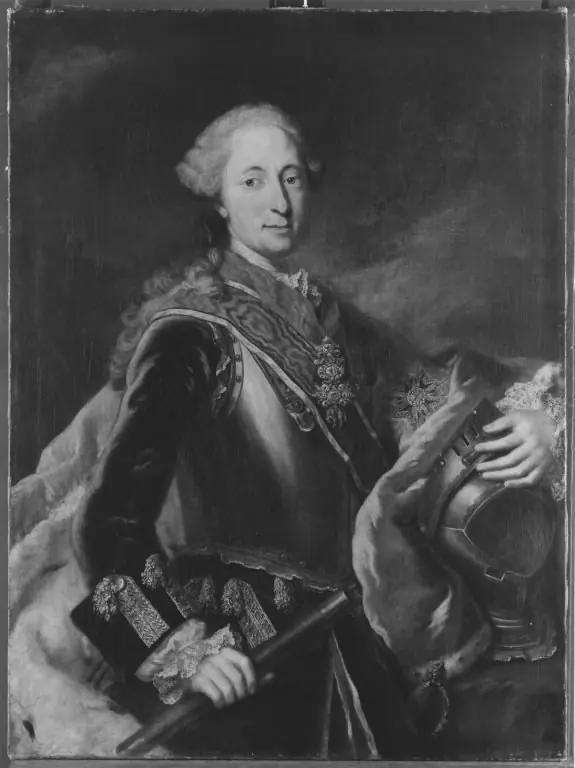 Kurfürst Max III. Joseph von Bayern (zugeschrieben)
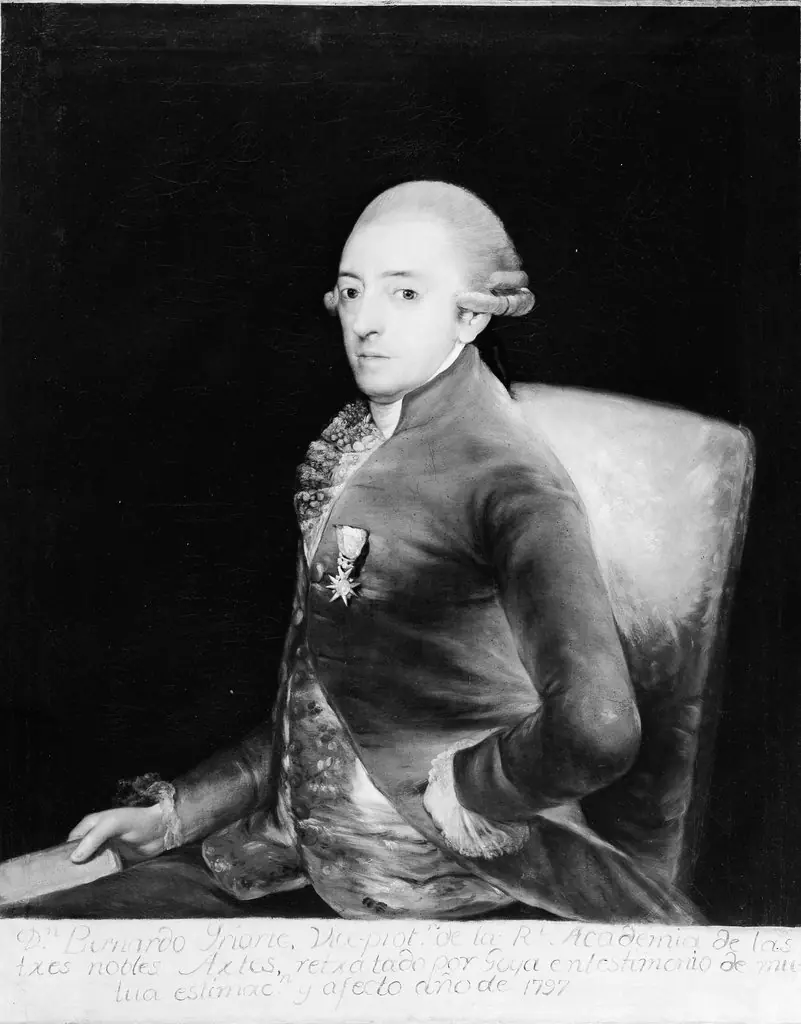 Don Bernardo de Iriarte (1735–1814)
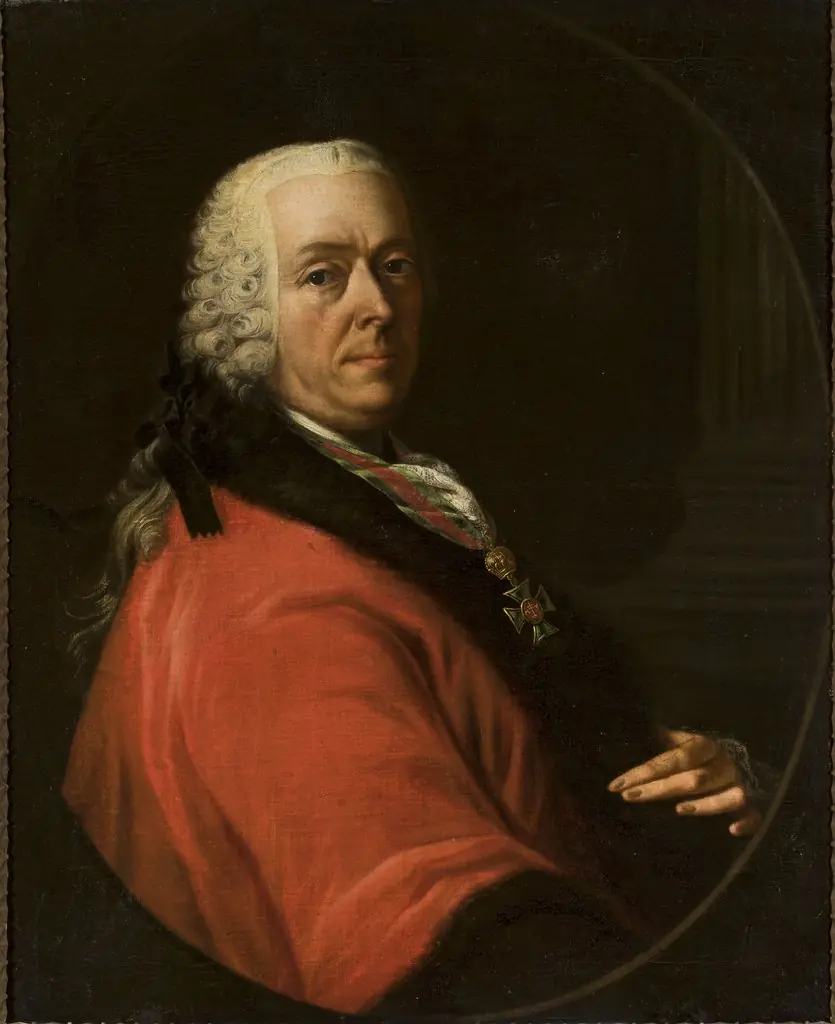 Portrait of count Gaspar Paris Anton
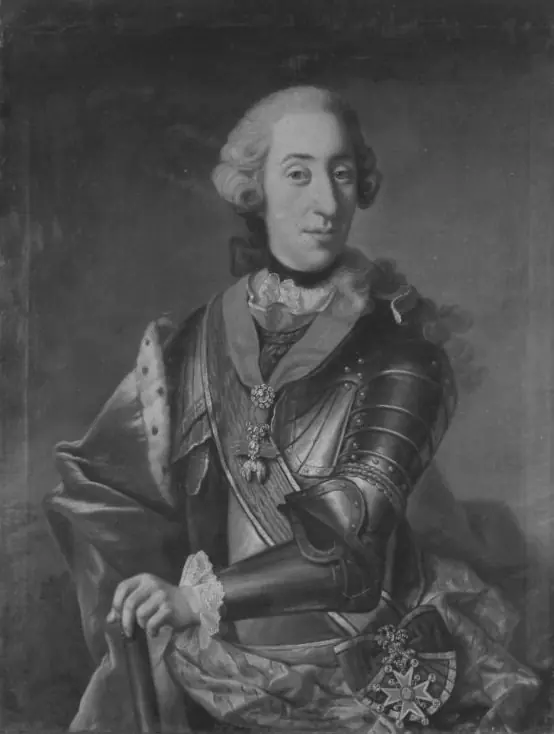 Clement Francis of Bavaria
 Giovanni Domenico Tiepolo (1727-1804)
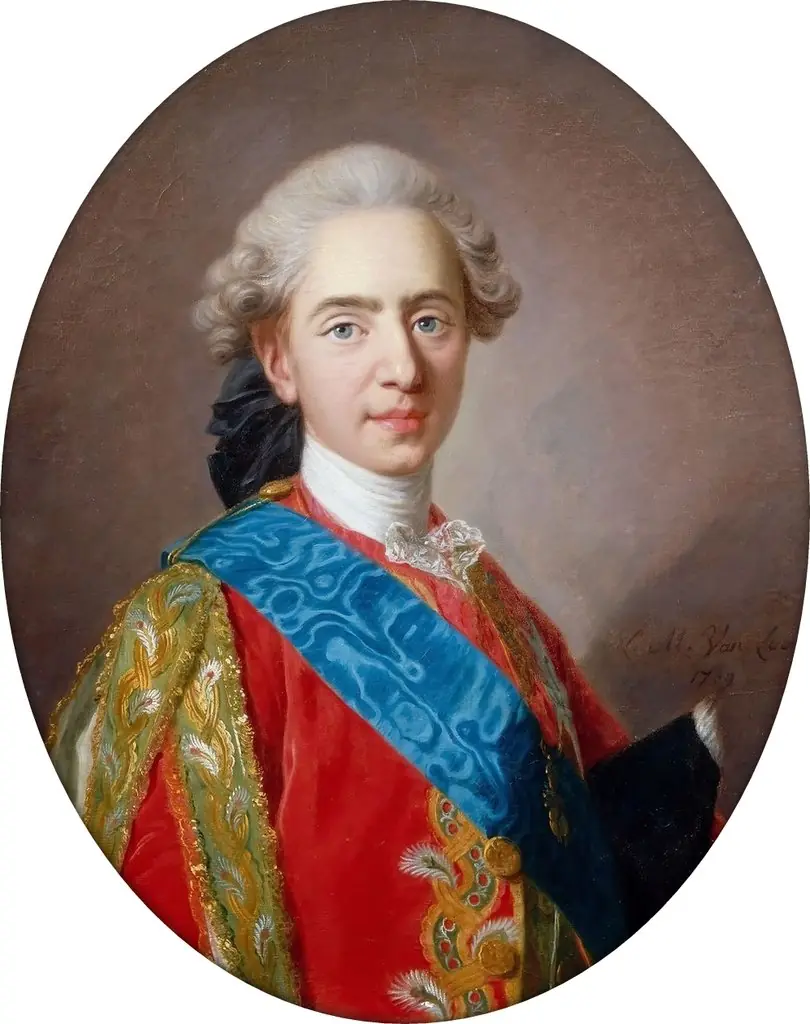 Louis XVI of France when he was the Dauphin of France.