Artwork
Kurfürst Max III. Joseph von Bayern (zugeschrieben)
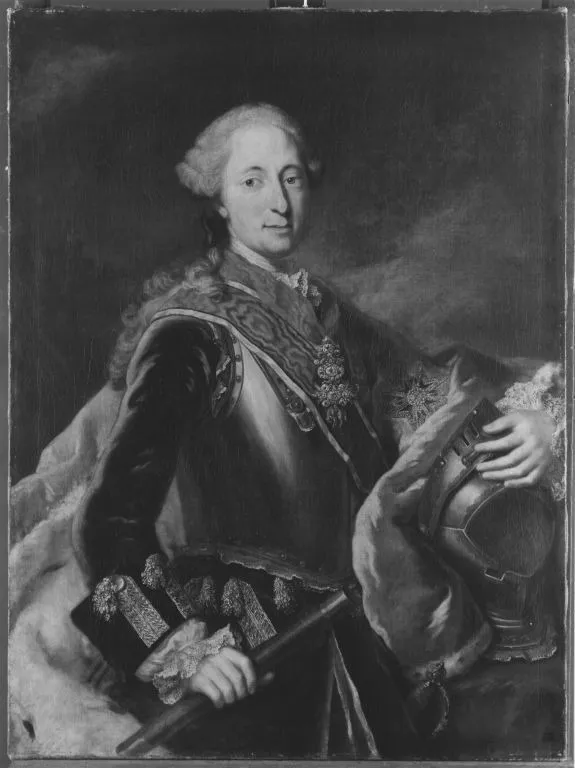
Kurfürst Max III. Joseph von Bayern (zugeschrieben) is an unspecified painting by the Rococo painting artist Georg Desmarées. It dates from 1736 and is held in the collection of the Bavarian State Painting Collections.
About this work
If you're interested in learning more about this style, you could explore the works of Georg Desmarées, the artist behind this piece.
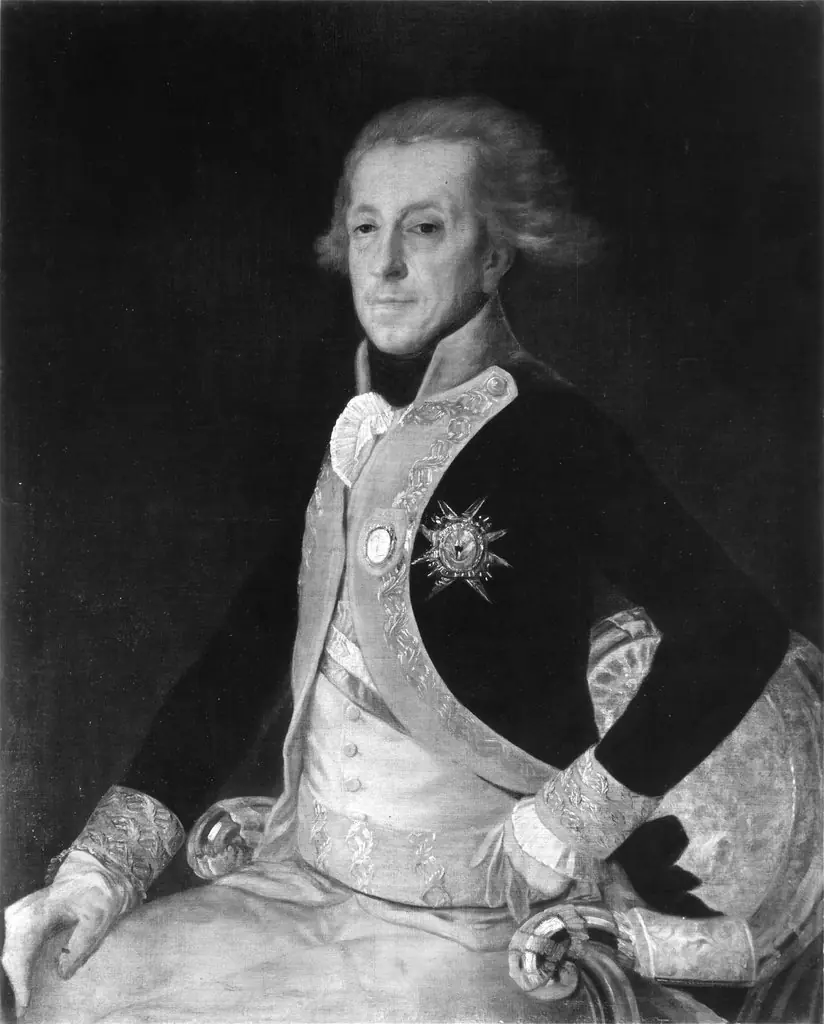
This portrait features a man dressed in a dark, ornate outfit with intricate details and patterns. He is holding a hat in his right hand and a sword in his left. The background is dark, which highlights the subject's attire and facial expression.
The man's face is serious, and his hair is styled in a manner that was popular during the 18th century. The painting's attention to detail, especially in the subject's clothing, suggests a high level of craftsmanship.
This painting is a great example of a portrait from the 18th century. If you're interested in learning more about this style, you could explore the works of Georg Desmarées, the artist behind this piece.
Overview
Georg Desmarées’ oil portrait, dated 1736, depicts the Bavarian Elector Max III Joseph. Executed in the mid‑18th century, the work now belongs to the collection of Munich’s Alte Pinakothek. The composition presents the ruler in a formal pose, emphasizing his status through elaborate dress and accessories.
Subject & Meaning
The sitter, Max III Joseph, is shown with a sober expression, his hair fashioned in the contemporary fashion of the period. He holds a hat in his right hand and a sword in his left, symbols of his military authority and noble rank, underscoring the political power associated with the Electorate of Bavaria.
Technique & Style
Desmarées employs a dark, muted background that intensifies the luminous rendering of the subject’s richly ornamented costume. Fine brushwork captures the intricate patterns of the fabric and the gleam of metal on the sword, while subtle chiaroscuro models the facial features, reflecting the refined portraiture conventions of the Rococo era.
History & Provenance
Created in 1736, the portrait was likely commissioned to commemorate the Elector’s position. It entered the Alte Pinakothek’s holdings during the museum’s formation in the early 19th century, where it remains part of the Germanic portrait collection, attributed to Desmarées based on stylistic analysis and archival records.
Context
The painting belongs to a broader tradition of court portraiture that flourished in the Holy Roman Empire, where rulers were portrayed with regalia to affirm legitimacy. Desmarées, a Swedish‑born artist active in Munich, contributed to this visual culture, blending Northern European precision with the decorative sensibilities of Southern German courts.
Artist & collection
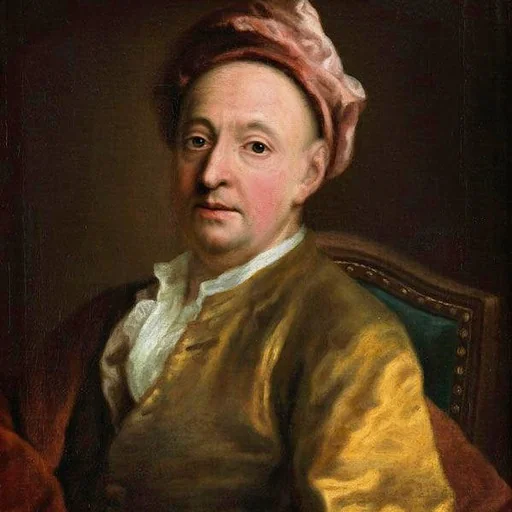

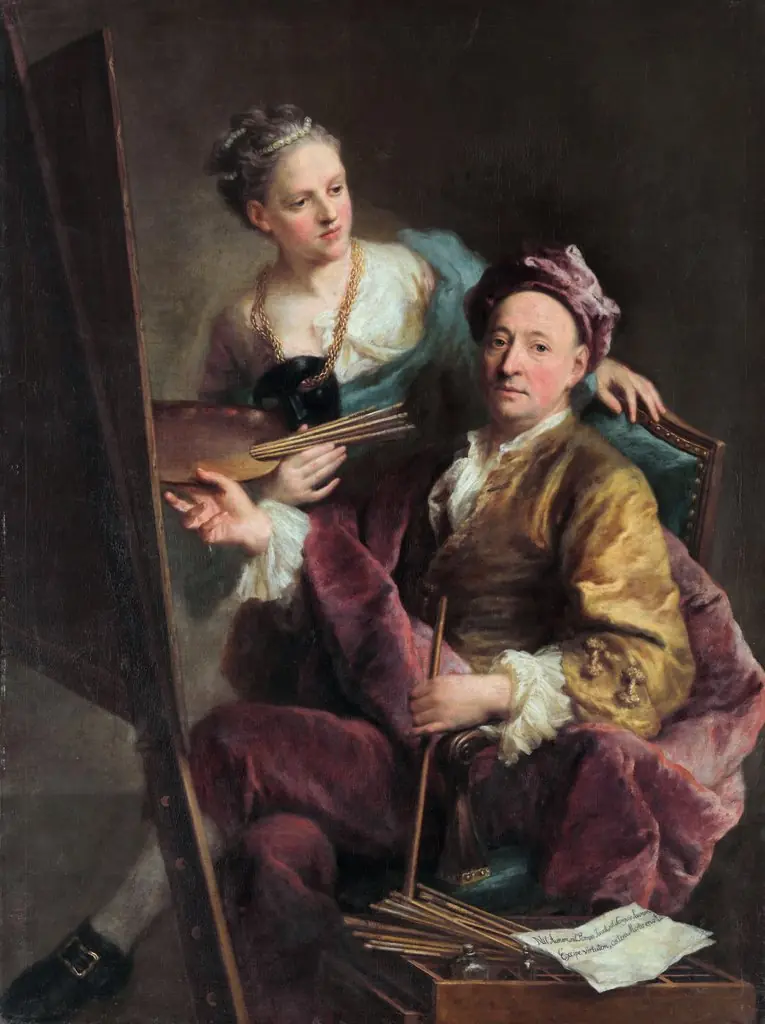 Self-portrait of the Artist with his Daughter Antonia
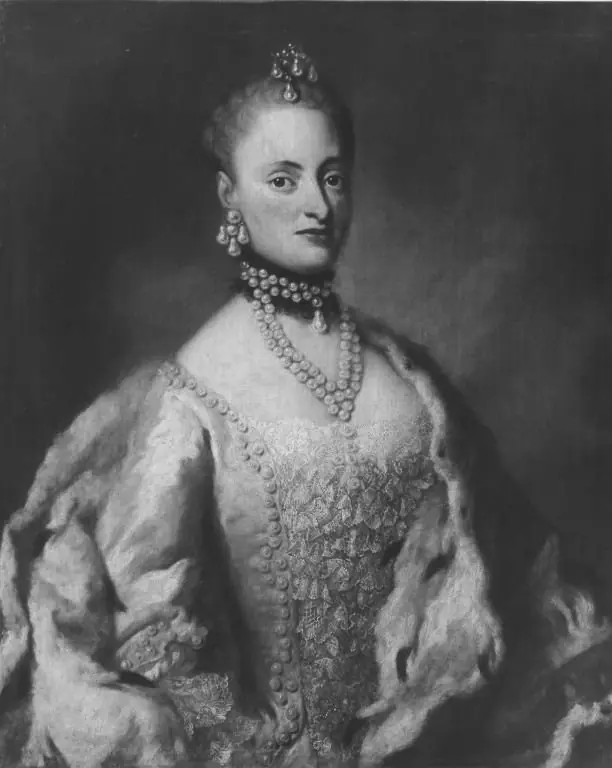 Elisabeth Apollonia of Saxony (1736–1818)
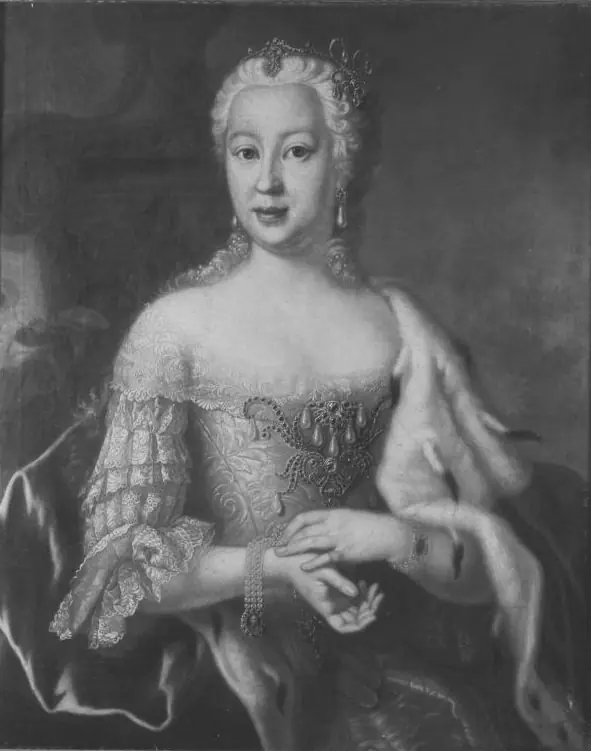 Maria Anna of Sulzbach (1722-1790)
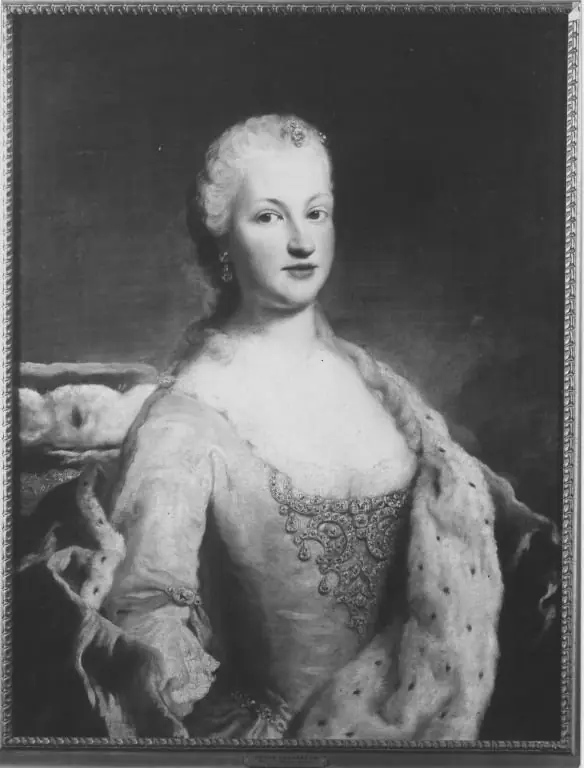 Bildnis der Maria Franziska Dorothea von Pfalz-Sulzbach, Herzogin von Zweibrücken-Birkenfeld (1724-1794)
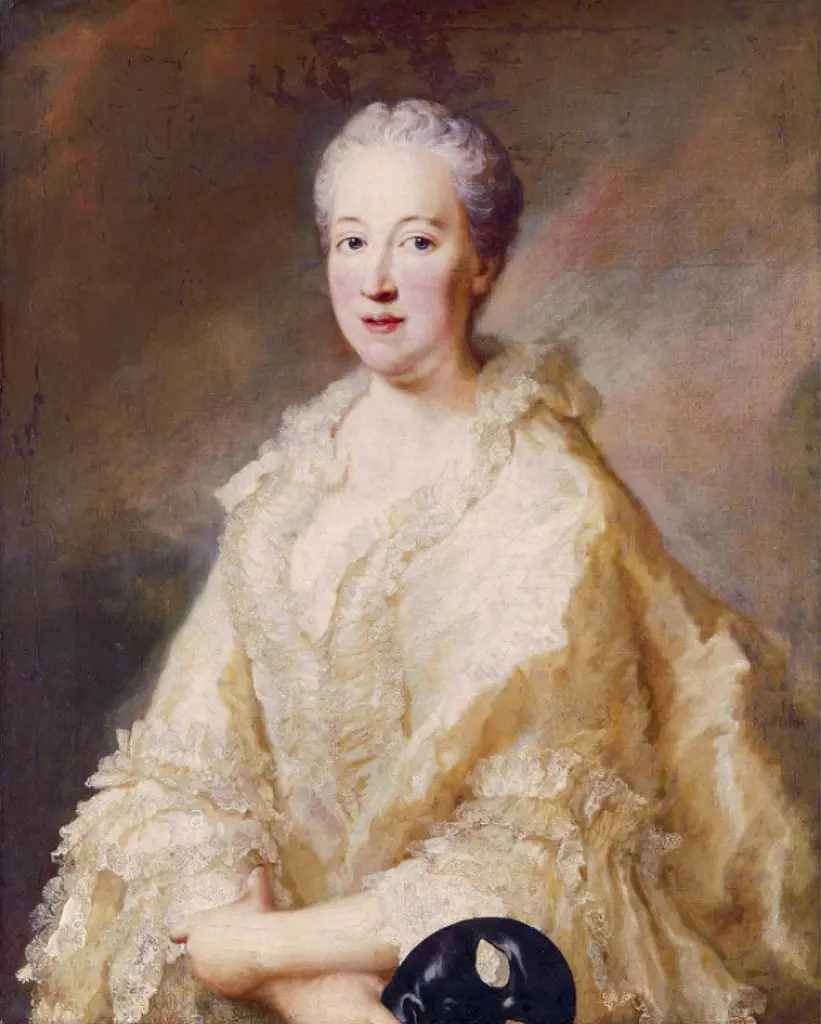 Portrait of Countess Palatine Maria Anna of Sulzbach (1722-1790)
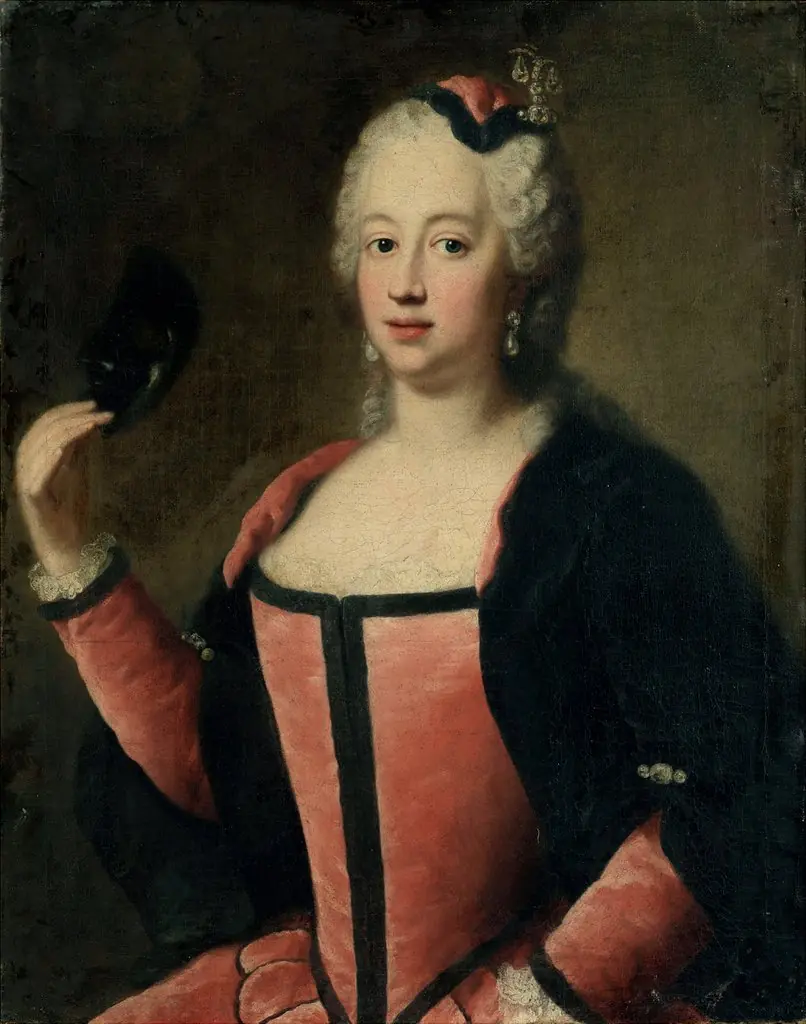 Maria Anna of Sulzbach
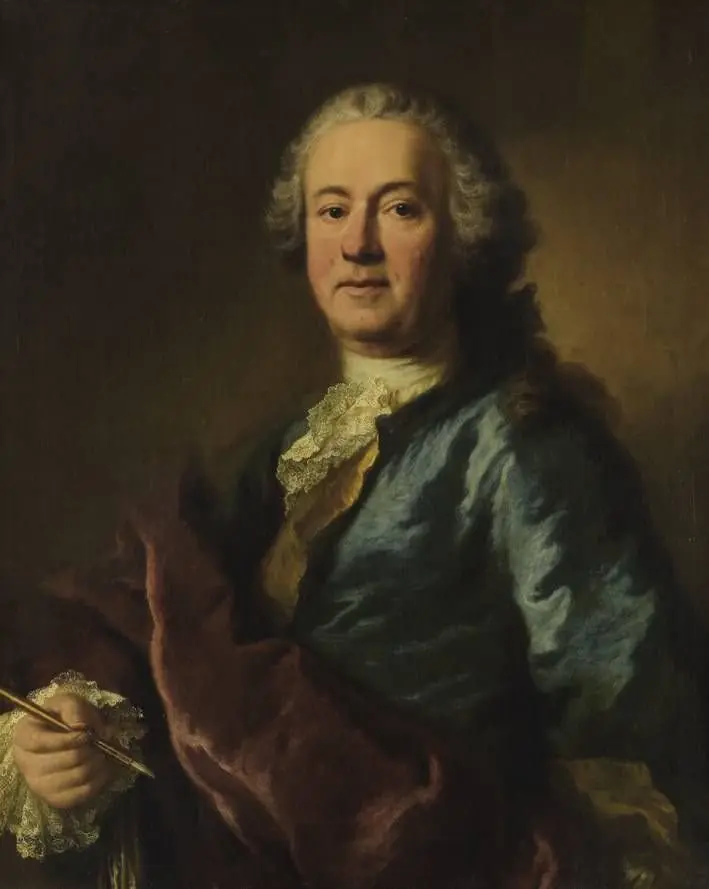 Bildnis des Hofmalers Balthasar August Albrecht (1687-1765)
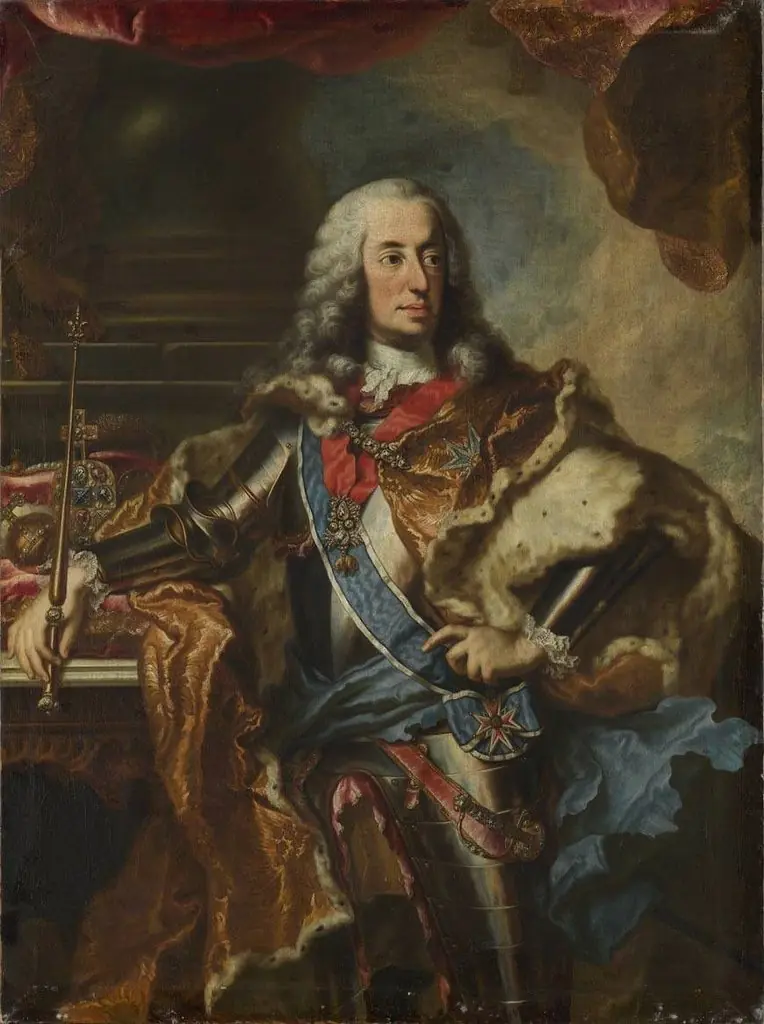 Kurfürst Karl Albrecht als Kaiser Karl VII. (1697-1745)
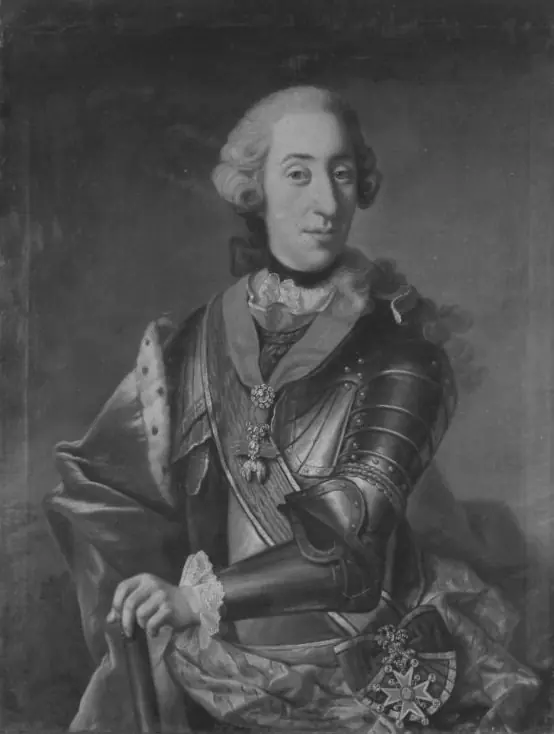 Clement Francis of Bavaria
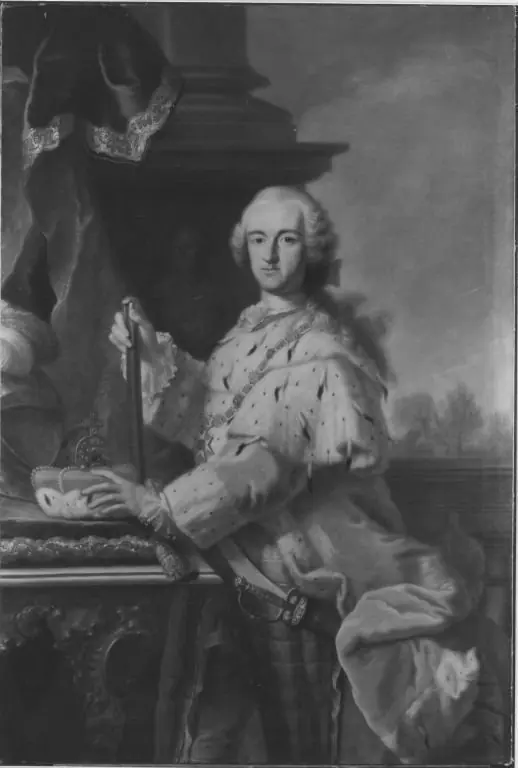 Bildnis des Kurfürsten Karl Theodor von Pfalz-Bayern (Werkstatt)
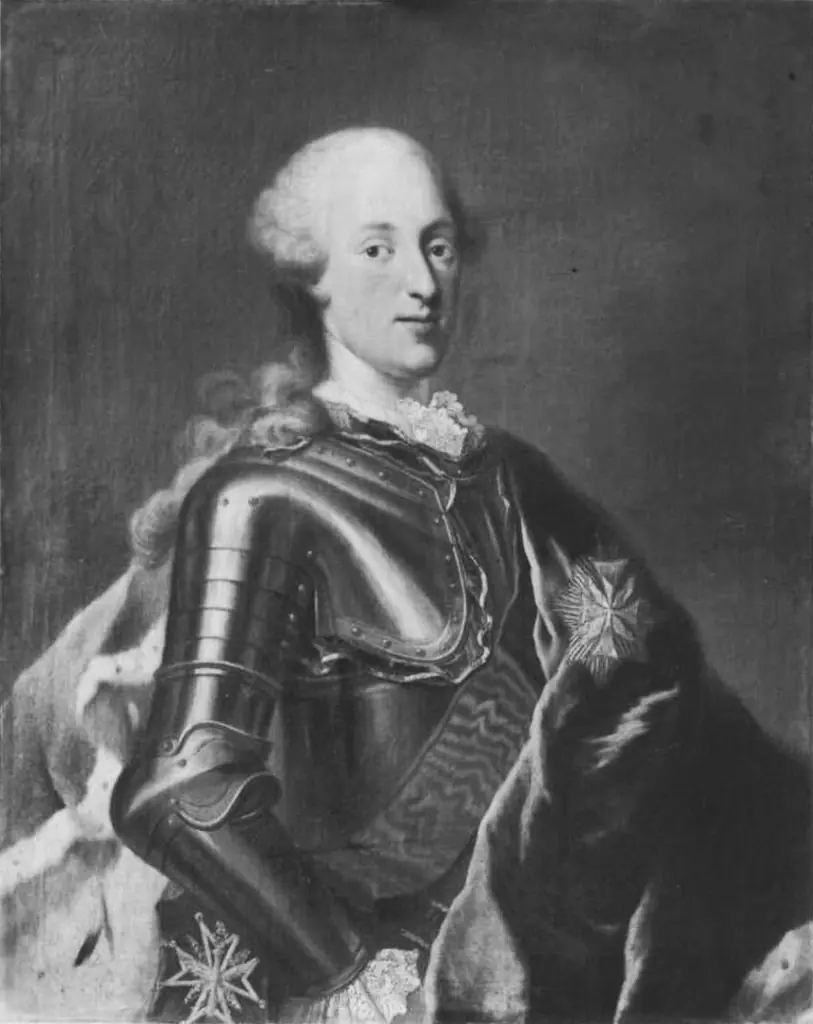 Bildnis eines sächsischen Prinzen
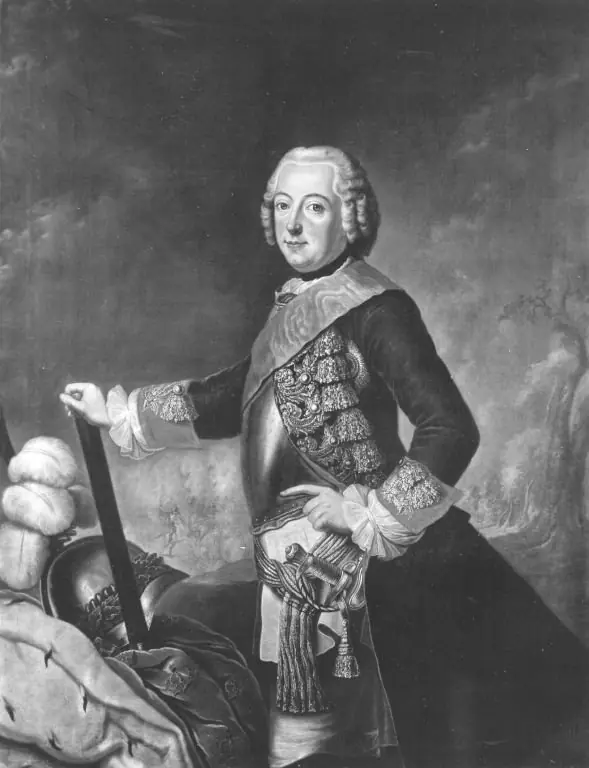 Friedrich II. der Große
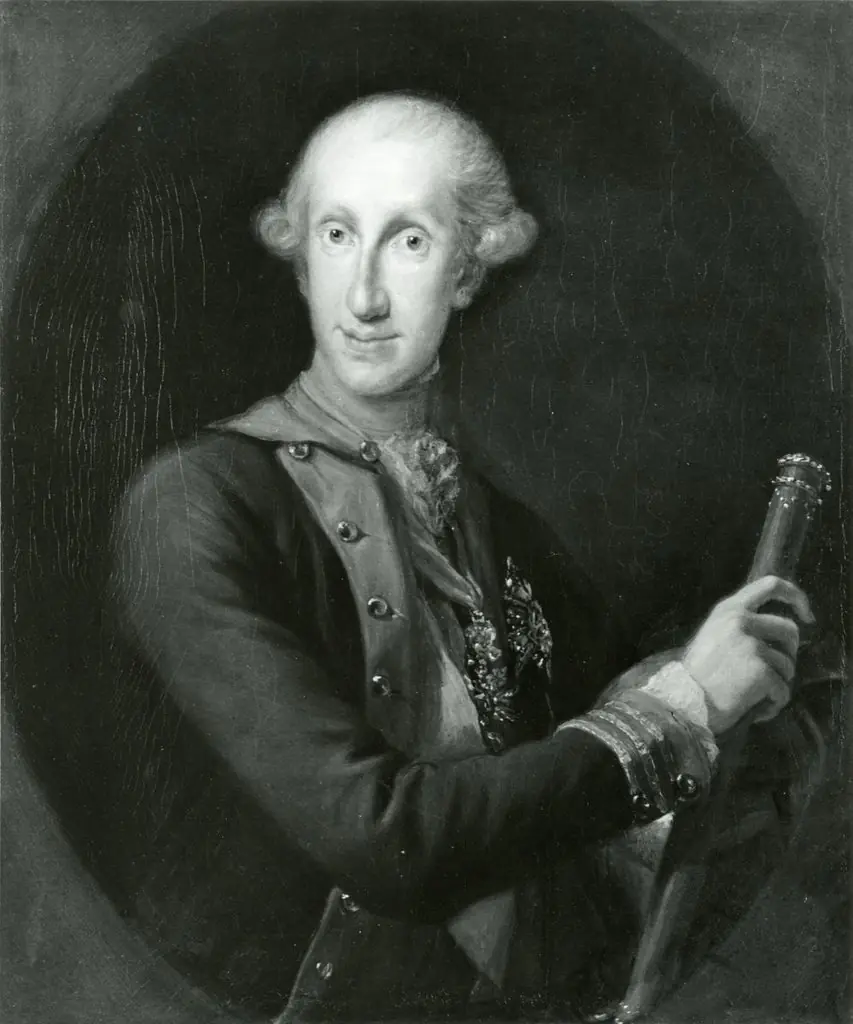 Portrait of Ferdinand IV Bourbon
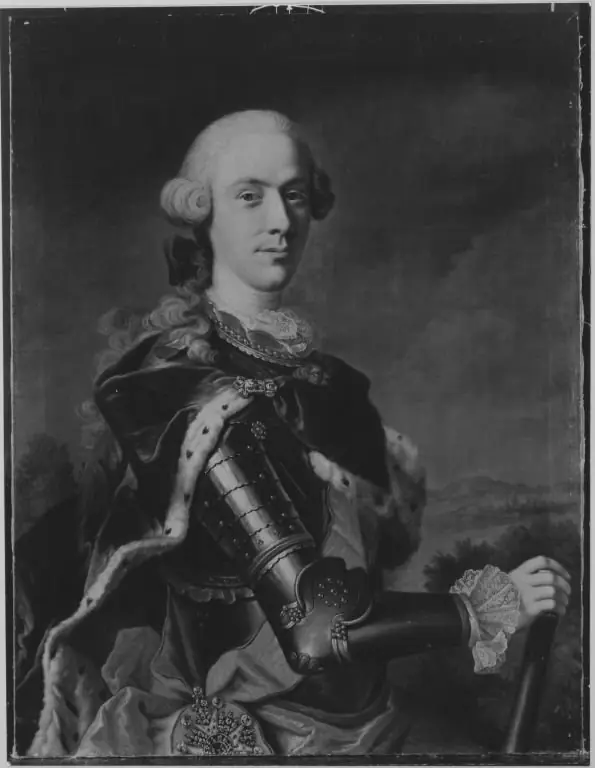 Bildnis von Christian IV., Herzog von Pfalz-Zweibrücken (1722-1775)
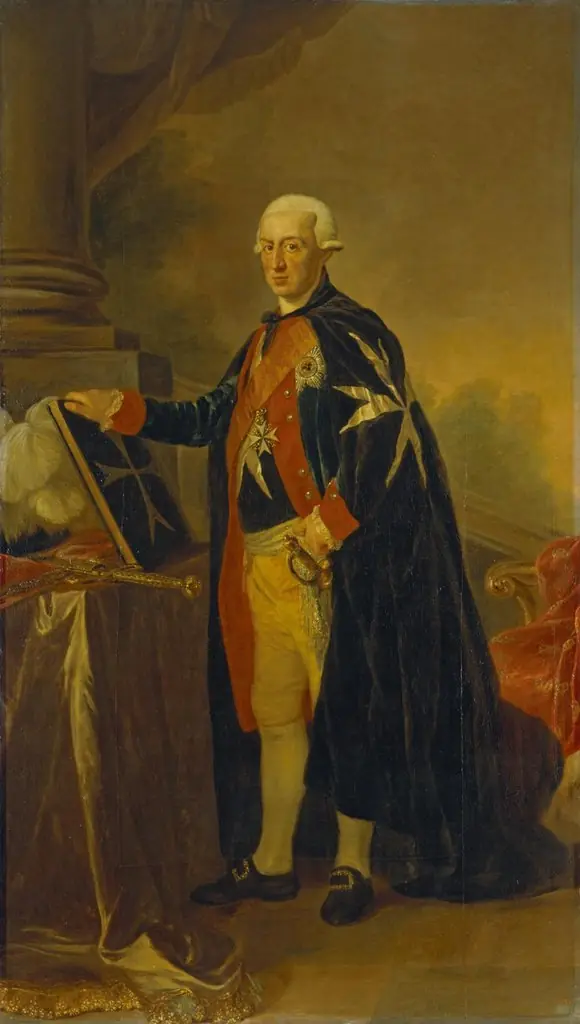 Portrait of Prince Augustus Ferdinand of Prussia
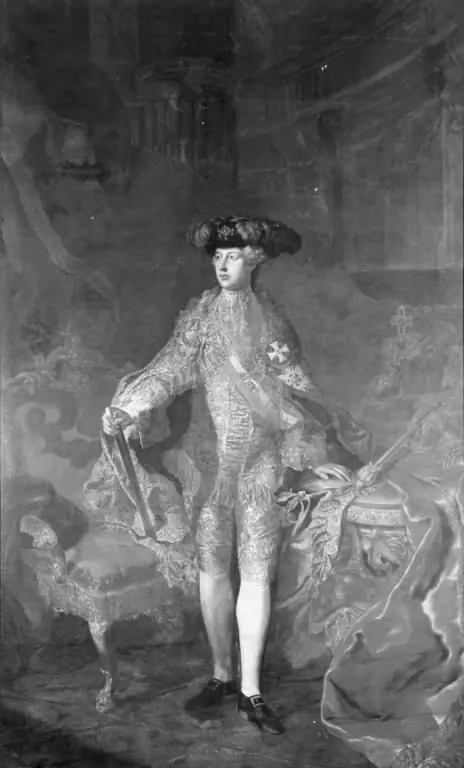 Portrait of the Emperor Joseph II of Austria
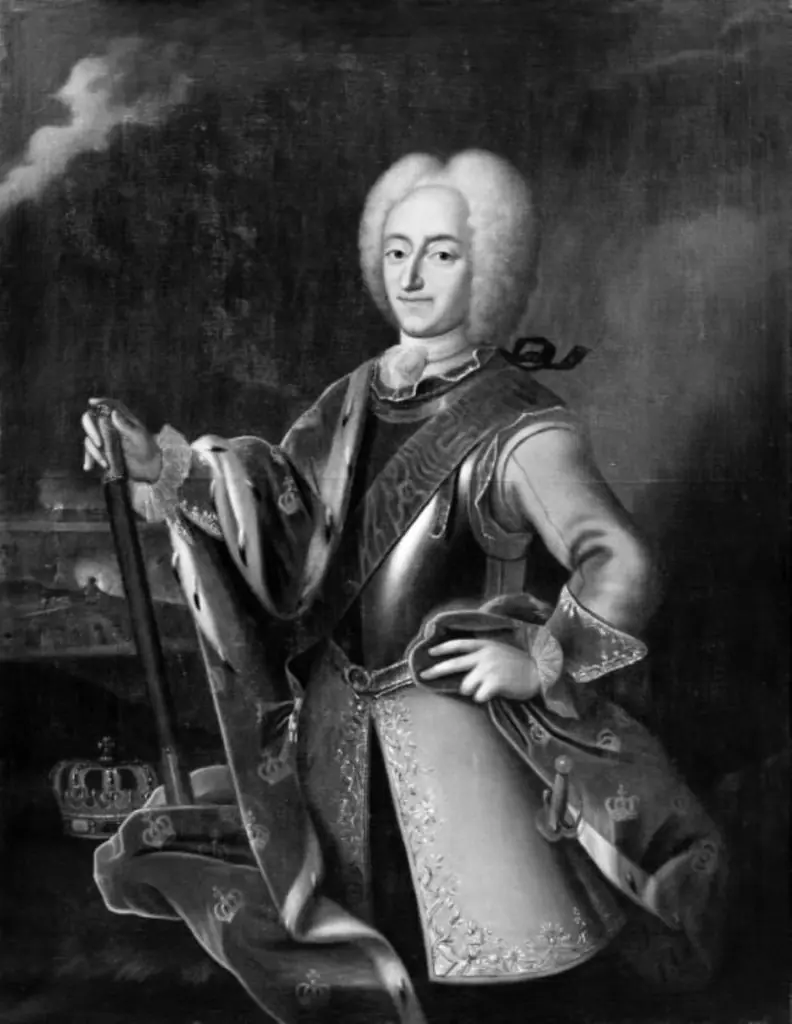 Kong Frederik IV
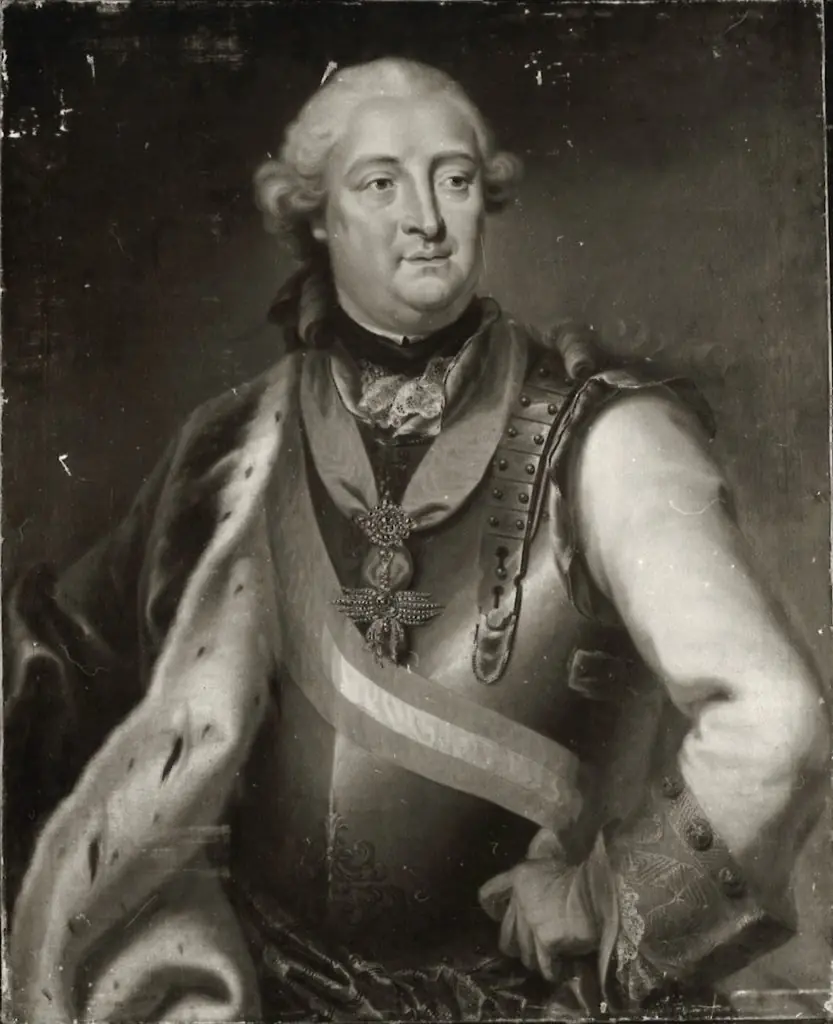 Bildnis des Karl August von Pfalz-Zweibrücken-Birkenfeld
 Portrait of El General Ricardos