Artwork
Portræt af Louise Augusta
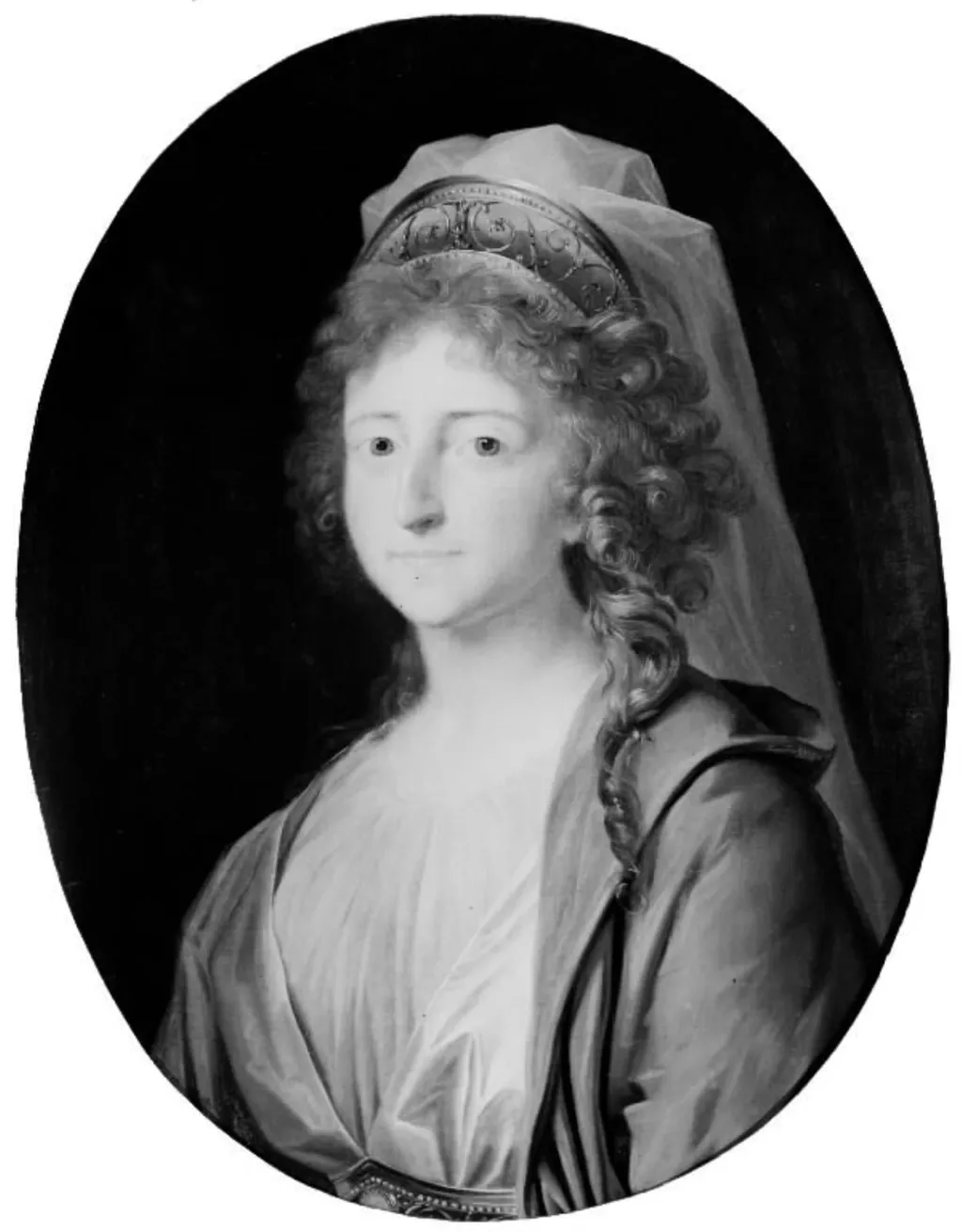
Portræt af Louise Augusta is a photography by Unknown. It dates from 1750 and is held in the collection of the Statens Museum for Kunst. This black-and-white portrait depicts Louise Augusta, likely painted around 1750.
About this work
Overview
This black-and-white portrait depicts Louise Augusta, likely painted around 1750. The image is held in the collection of the Museum of Ethnography. Rendered with subtle tonal contrasts, the composition isolates the sitter against a dark, unadorned background. The soft lighting emphasizes facial features without dramatic highlights, suggesting a restrained, intimate approach to representation.
Subject & Meaning
The absence of symbols or props invites focus on her presence rather than status, suggesting a personal rather than ceremonial intent.
Louise Augusta is portrayed with composed stillness, her steady gaze directed outward. Her attire—a high-necked dress with a ruffled collar and a lace cap—reflects modest, early 18th-century fashion, possibly indicating her social standing or adherence to traditional dress. The absence of symbols or props invites focus on her presence rather than status, suggesting a personal rather than ceremonial intent.
Technique & Style
The portrait employs gentle chiaroscuro to model the face, using soft gradations of light and shadow to define contours without harsh lines. The plain background enhances the figure’s immediacy, while the texture of lace and fabric is rendered with quiet precision. The monochrome palette and lack of decorative elements point to a focus on psychological presence over ornamental display.
History & Provenance
The portrait entered the Museum of Ethnography’s collection as part of a broader effort to document historical portraiture from Northern Europe. Its origins prior to museum acquisition remain undocumented, though its stylistic features align with mid-18th-century Danish or German domestic portraiture. The image’s medium suggests it may be a photographic reproduction of an earlier painted work.
Context
Created during a period when portraiture was increasingly accessible beyond royalty, this image reflects a growing interest in depicting private individuals with dignity. The restrained aesthetic contrasts with the opulence of court portraits, hinting at a shift toward more personal, middle-class representations in Nordic regions during the mid-1700s.
Legacy
Though not widely reproduced, the portrait contributes to scholarly understanding of non-elite portraiture in 18th-century Scandinavia. Its preservation in an ethnographic context underscores its value as a cultural artifact rather than a celebrated work of art. It remains a quiet testament to the visual language of everyday life in its time.
Artist & collection

 Domestic Scene
 Giacomo and Cardinal Marco, investing Andrea, Abbot of San Zeno, with his Benefice
 The Nymph of Fontainebleau
 Portrait of a Woman
 Madonna and Child with Saints in the Enclosed Garden
 Venus and Minerva
 Family Group of Four on Sofa
 Wall painting from Room H of the Villa of P. Fannius Synistor at Boscoreale
 Elisabeth (Lisa) de la Calmette, f. baronesse Iselin, Antoine de la Calmettes hustru
 Elisabeth (Lisa) de la Calmette, f. baronesse Iselin, Antoine de la Calmettes hustru
 Portret de femeie
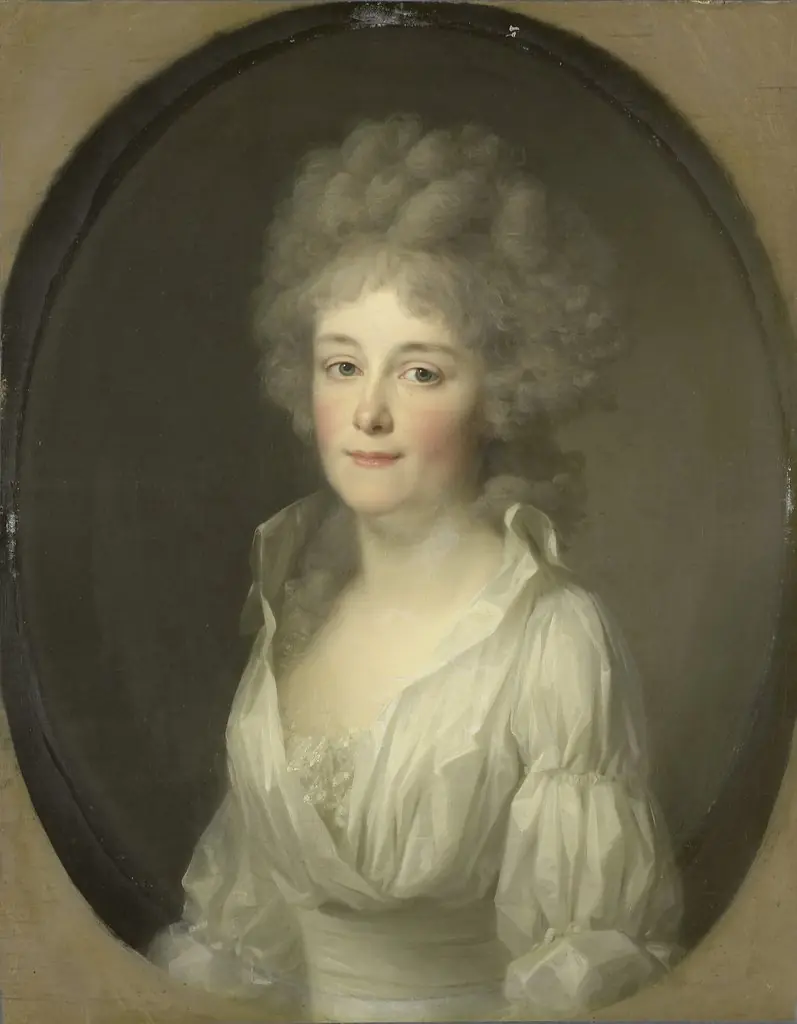 Portrait of Johanna Ferdinanda van Collen, Wife of Salomon Rendorp
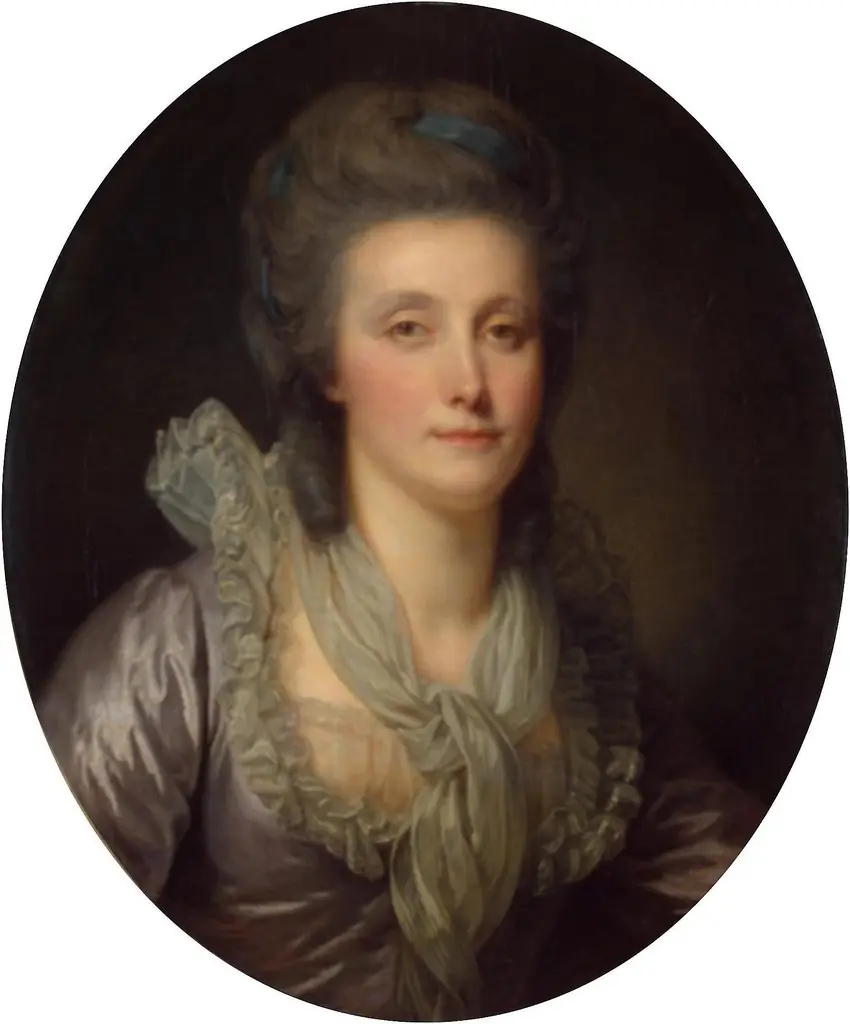 Portrait of Countess Ekaterina Shuvalova
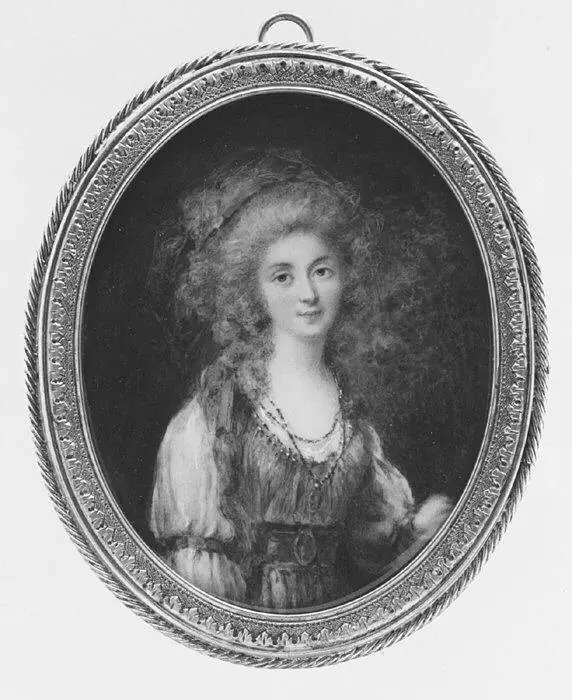 Portrait of a Young Woman
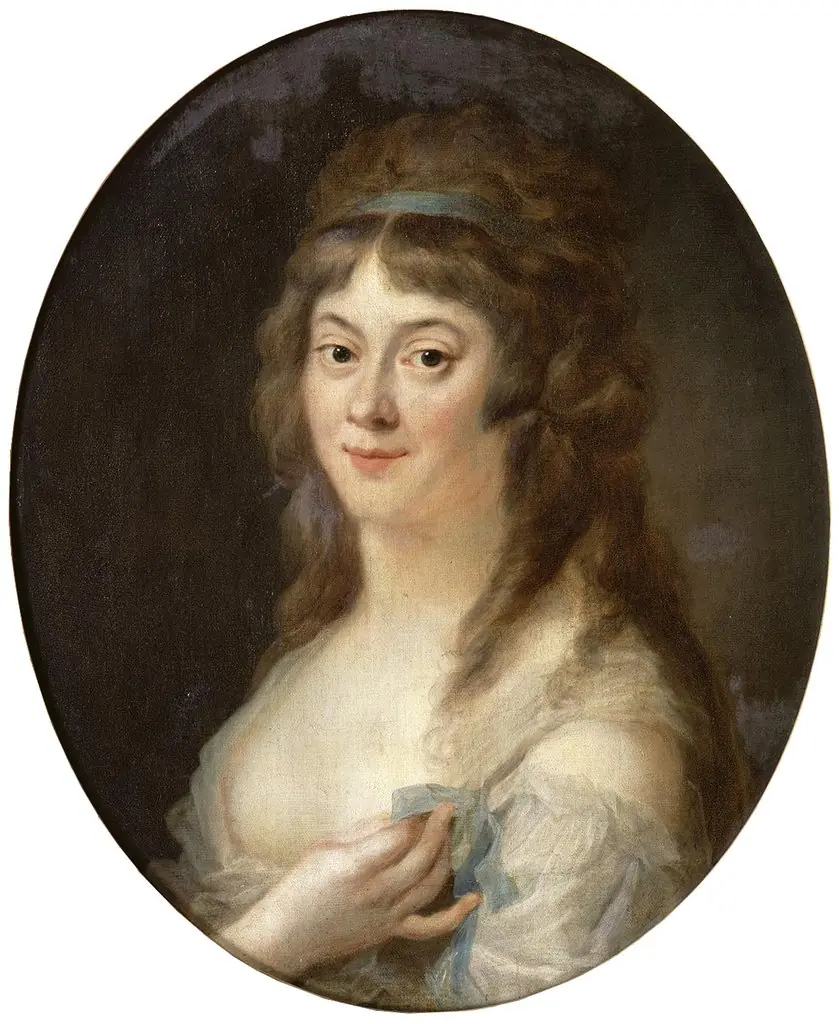 Madame Roland
 Porträt der Maria Ivanovna Myussar
 Venus Urania
 Dronning Louise, Frederik IV's første dronning