Artwork
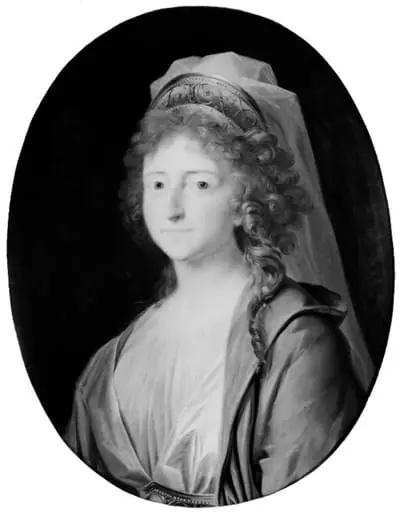
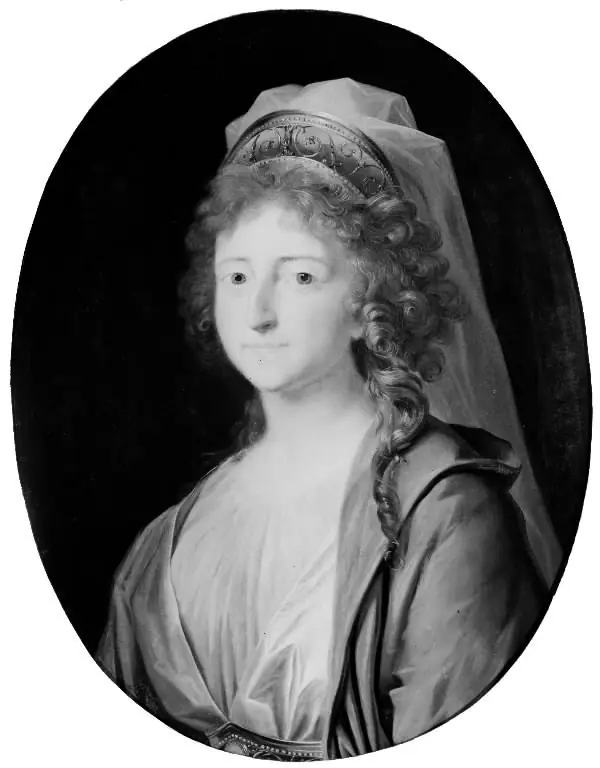
Elisabeth (Lisa) de la Calmette, f. baronesse Iselin, Antoine de la Calmettes hustru
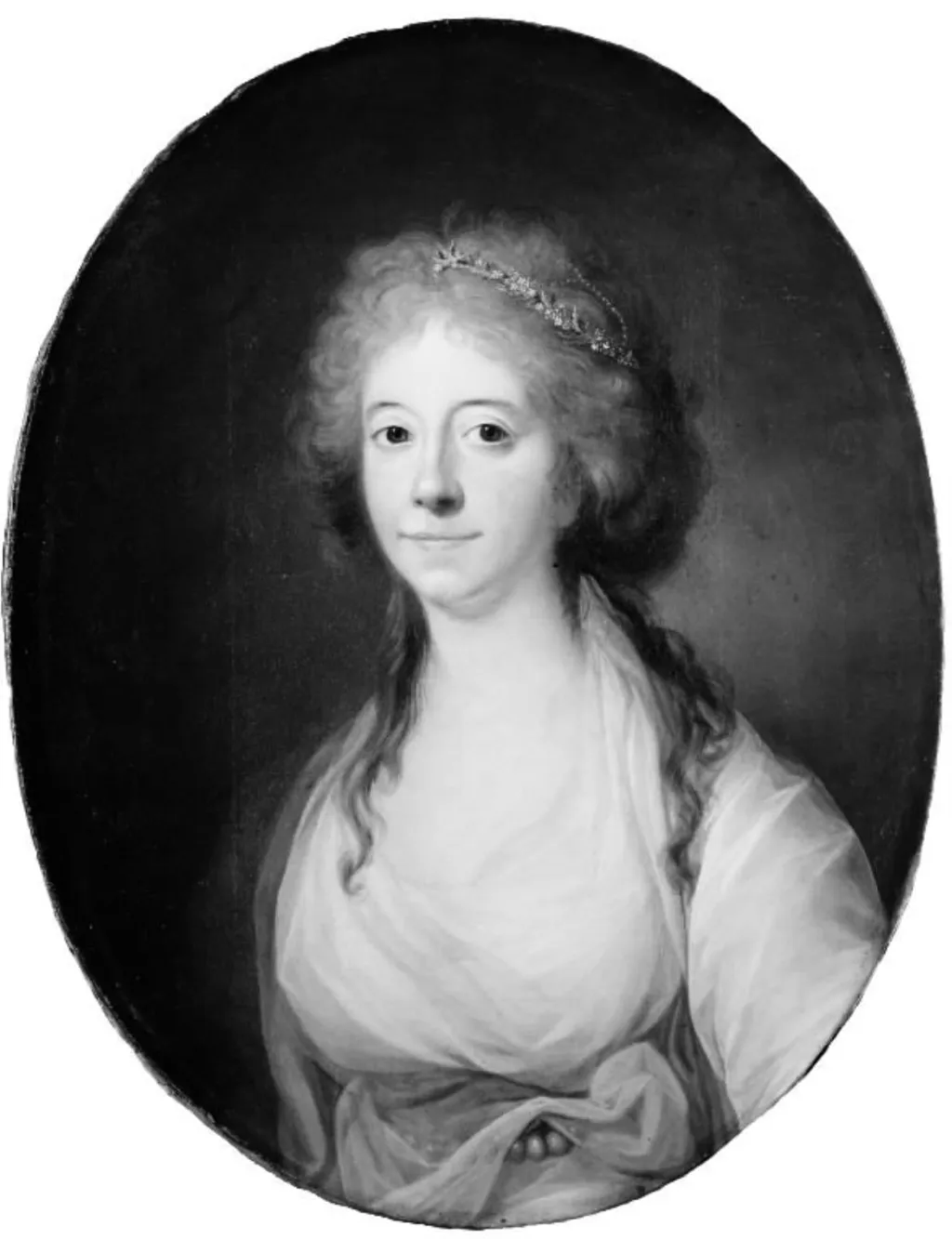
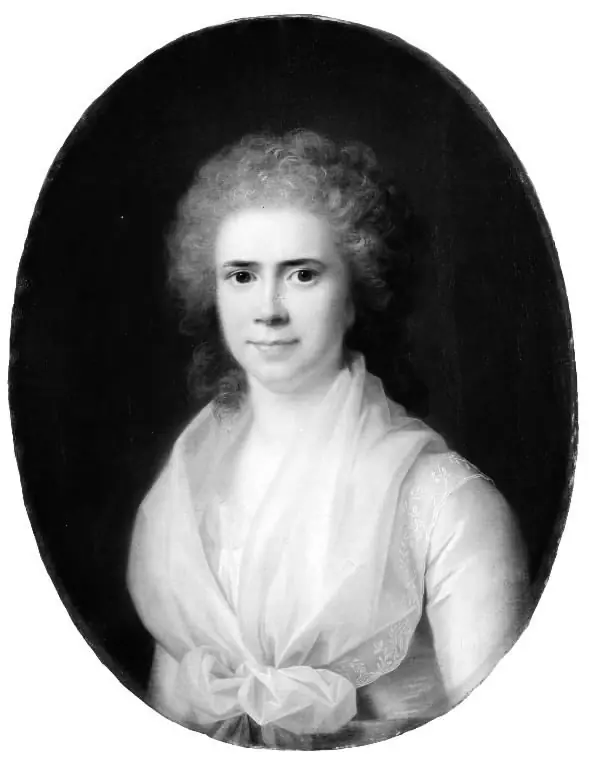
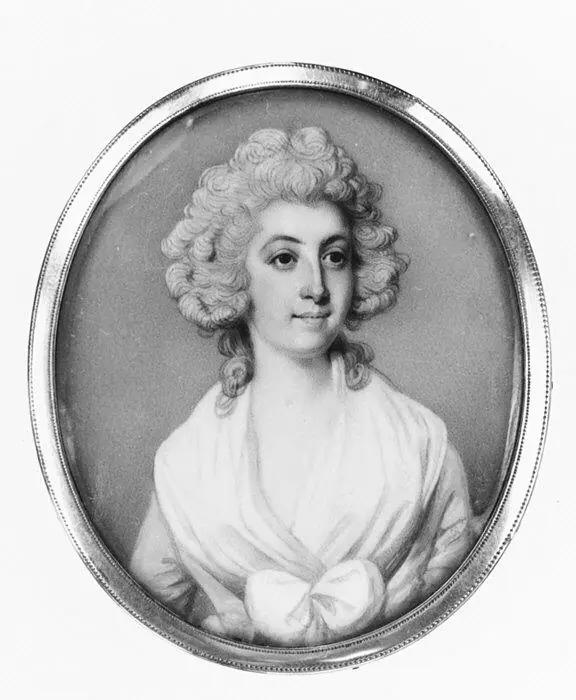
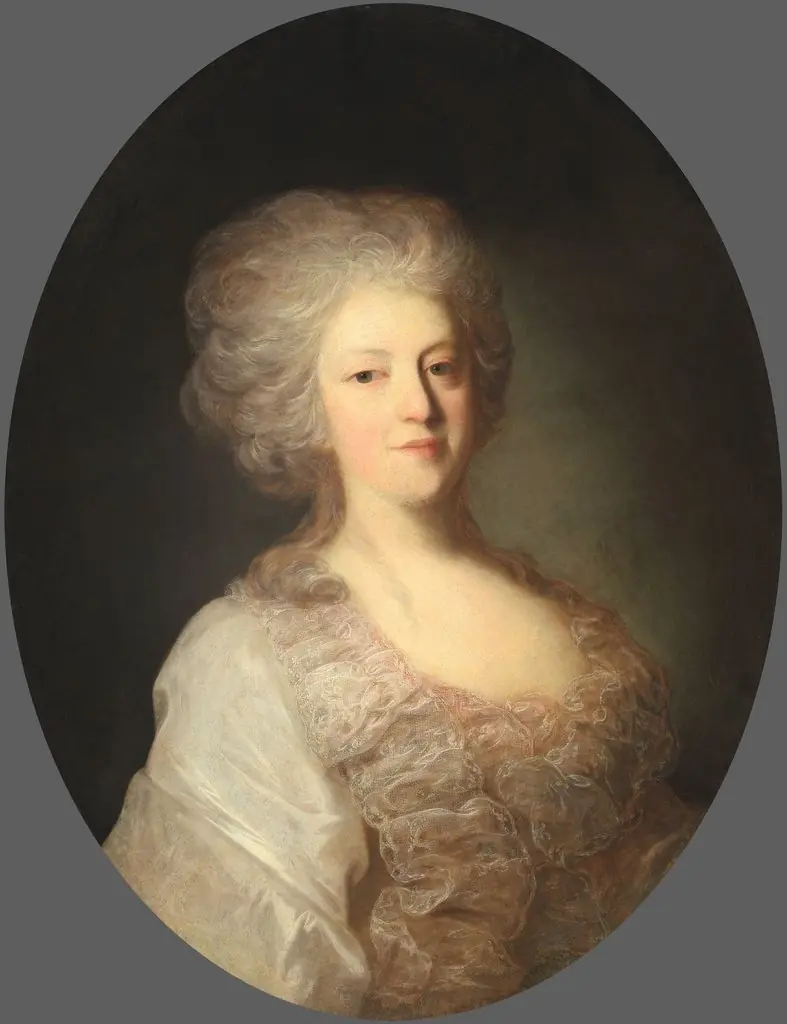
Elisabeth (Lisa) de la Calmette, f. baronesse Iselin, Antoine de la Calmettes hustru is a photography by Unknown. It dates from 1750 and is held in the collection of the Statens Museum for Kunst. This portrait depicts Elisabeth de la Calmette, also known as Lisa, wife of Antoine de la Calmette and baroness Iselin.
About this work
Overview
This portrait depicts Elisabeth de la Calmette, also known as Lisa, wife of Antoine de la Calmette and baroness Iselin. Created around 1750, the image is a monochrome photograph, likely a daguerreotype or early calotype, preserved in the Museum of Ethnography. Its quiet composition and tonal subtlety reflect early photographic practices that prioritized clarity and dignity over theatricality.
Subject & Meaning
The absence of ornate props or symbolic elements suggests an emphasis on personal identity rather than social status.
Elisabeth is portrayed with restrained elegance, her posture composed and gaze direct. The absence of ornate props or symbolic elements suggests an emphasis on personal identity rather than social status. Her modest attire and neutral expression convey a sense of quiet refinement, typical of middle- to upper-class portraiture in mid-18th-century Europe, where inner character was valued over external display.
Technique & Style
The image employs soft gradations of gray to model form, with light falling gently across the face and hands to suggest volume. The dark background isolates the figure, enhancing focus on her features. The delicate rendering of curls and lace details indicates careful exposure and development, characteristic of early photographic processes that required long sitting times and precise chemical handling.
History & Provenance
The portrait entered the collection of the Museum of Ethnography through documented acquisition, likely from family archives or a private collector. Its survival into the 20th century reflects its preservation as a personal relic rather than a public monument. No records indicate public exhibition prior to its institutional acquisition, suggesting a private, domestic origin.
Context
In mid-18th-century Scandinavia and France, photographic portraiture was not yet possible; this image must be a later reproduction or a misattribution. The style and subject align more closely with early 19th-century photographic practices. The work may represent a 19th-century photographic copy of an earlier painted portrait, reinterpreted through the new medium's aesthetic.
Legacy
As an early photographic portrait of a noblewoman, it contributes to the documentation of private life in pre-industrial Europe. Its preservation in an ethnographic museum underscores its value as a cultural artifact, offering insight into how identity, gender, and class were visually negotiated in domestic settings during the transition from painted to photographic representation.
Artist & collection

 Domestic Scene
 Giacomo and Cardinal Marco, investing Andrea, Abbot of San Zeno, with his Benefice
 The Nymph of Fontainebleau
 Portrait of a Woman
 Madonna and Child with Saints in the Enclosed Garden
 Venus and Minerva
 Family Group of Four on Sofa
 Wall painting from Room H of the Villa of P. Fannius Synistor at Boscoreale