Artwork
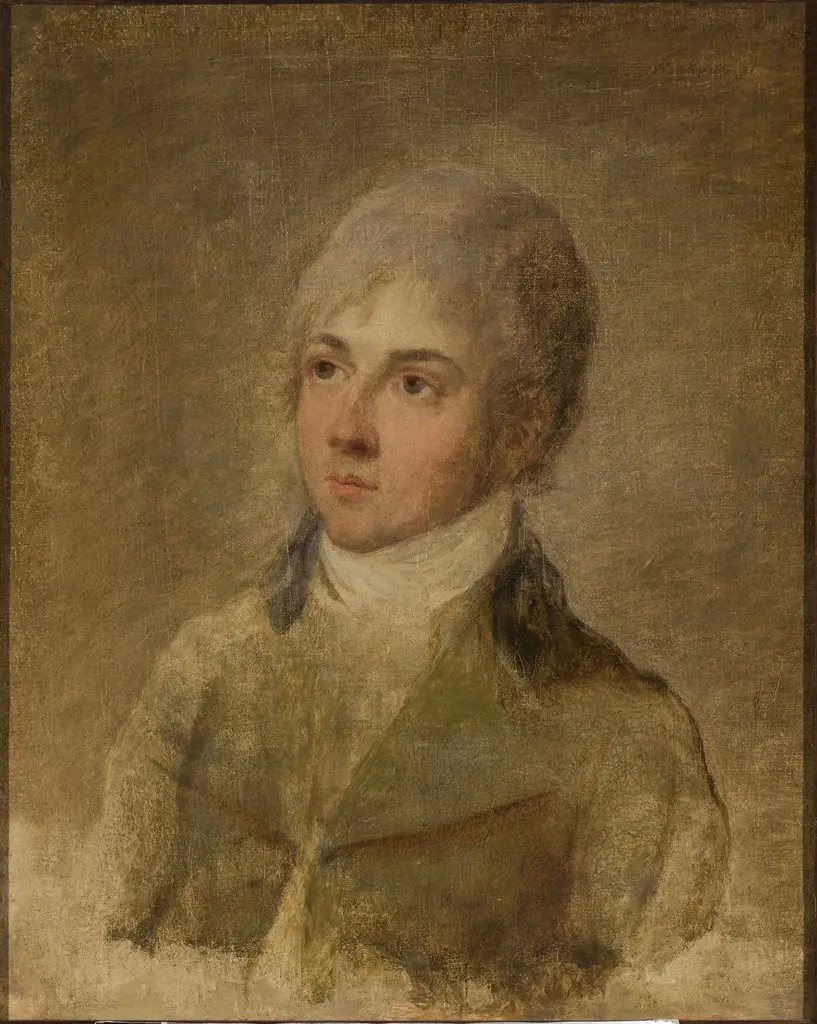
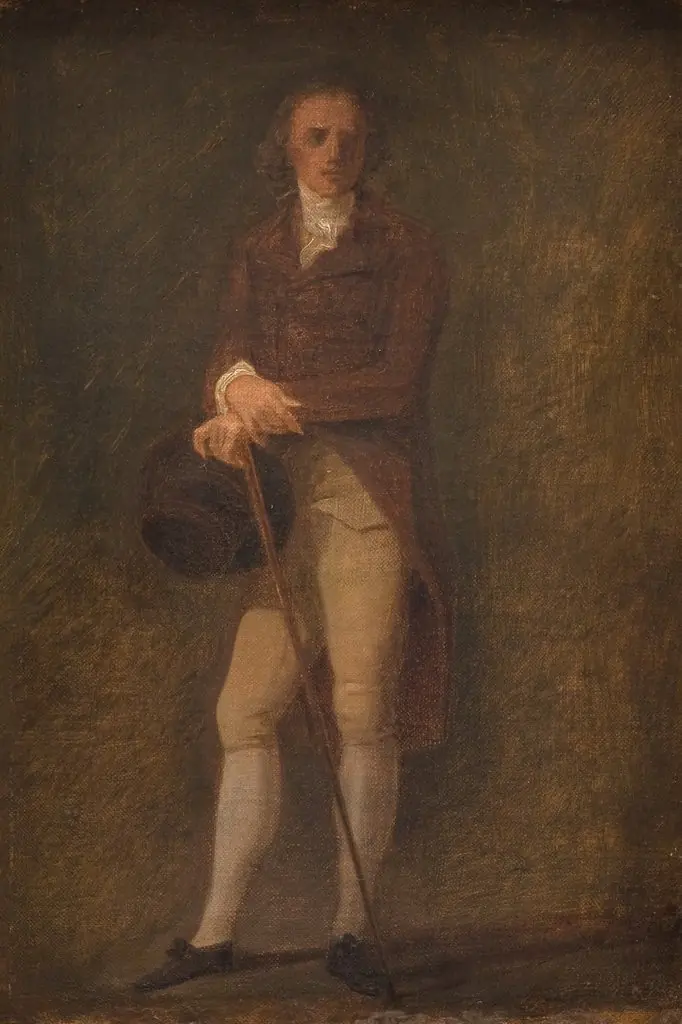
Portrætskitse. Maleren N.A. Abildgaard (?).
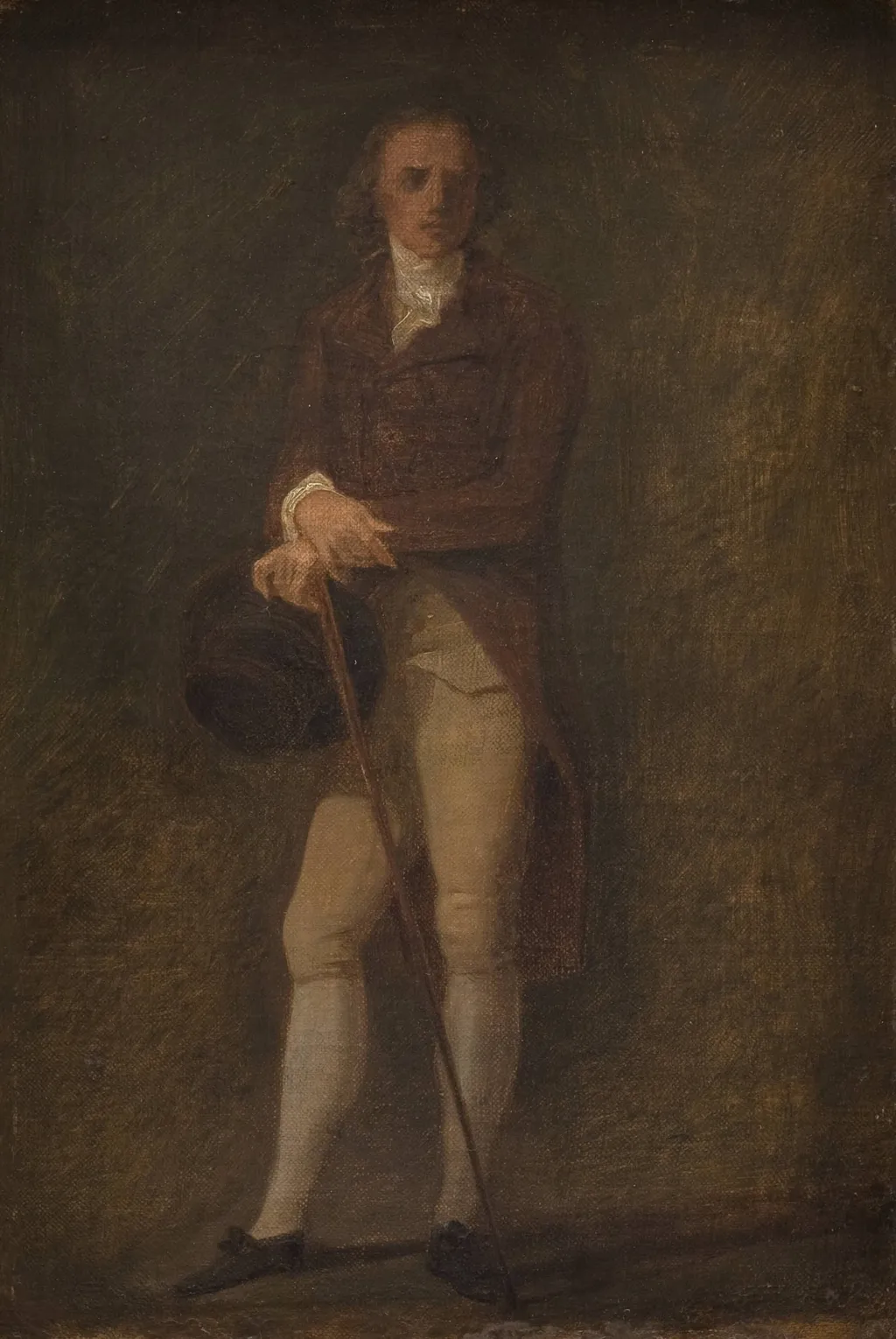
Portrætskitse. Maleren N.A. Abildgaard (?). is a photography by Unknown. It dates from 1750 and is held in the collection of the Statens Museum for Kunst. This portrait sketch, dated around 1750, is attributed to the Danish artist N.
About this work
Overview
The work is held in the collection of the Museum of Ethnography, where it is cataloged as a study rather than a finished commission.
This portrait sketch, dated around 1750, is attributed to the Danish artist N.A. Abildgaard, though the authorship remains uncertain. Executed in a restrained tonal palette, it presents a formal depiction of a man in 18th-century dress. The work is held in the collection of the Museum of Ethnography, where it is cataloged as a study rather than a finished commission. Its modest scale and unadorned background suggest an informal or preparatory intent.
Subject & Meaning
The sitter is portrayed in formal attire—a brown coat, white shirt, beige trousers, and black shoes—accompanied by a cane and hat, symbols of social standing and personal refinement. His neutral expression and upright posture convey composure rather than emotion. The absence of identifying marks or contextual elements leaves his identity obscure, reinforcing the work’s function as a study of presence rather than a record of individual status.
Technique & Style
The artist employs chiaroscuro to model the figure against a dark, gradated background, enhancing the three-dimensionality of the form. Brushwork is controlled but not overly refined, suggesting a working sketch rather than a polished portrait. The limited color range—dominated by browns and off-whites—focuses attention on the subject’s silhouette and the play of light across fabric and skin, emphasizing texture over detail.
History & Provenance
The work entered the Museum of Ethnography’s collection without clear documentation of its early ownership. Its attribution to Abildgaard is tentative, based on stylistic parallels with his known drawings and studies. No records confirm whether it was created for personal use, academic practice, or as a commission. Its preservation suggests it was valued as a representative example of 18th-century Danish portraiture.
Context
In mid-18th-century Denmark, portrait studies like this were common among artists training in academic traditions. While grand portraits celebrated nobility, smaller works such as this served as exercises in observation and composition. The subdued tone and lack of ornamentation reflect a shift toward introspective representation, aligning with broader European trends that favored psychological presence over theatrical display.
Legacy
Though not widely exhibited or reproduced, this sketch contributes to understanding the development of Danish portraiture in the Enlightenment era. Its preservation in an ethnographic museum, rather than an art museum, reflects its perceived value as a cultural artifact of dress and demeanor. It remains a quiet testament to the artist’s engagement with the human form outside the conventions of official portraiture.
Artist & collection

 Domestic Scene
 Giacomo and Cardinal Marco, investing Andrea, Abbot of San Zeno, with his Benefice
 The Nymph of Fontainebleau
 Portrait of a Woman
 Madonna and Child with Saints in the Enclosed Garden
 Venus and Minerva
 Family Group of Four on Sofa
 Wall painting from Room H of the Villa of P. Fannius Synistor at Boscoreale
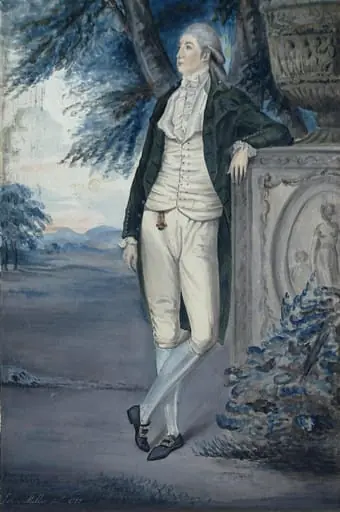 Portrait of a gentleman in a landscape
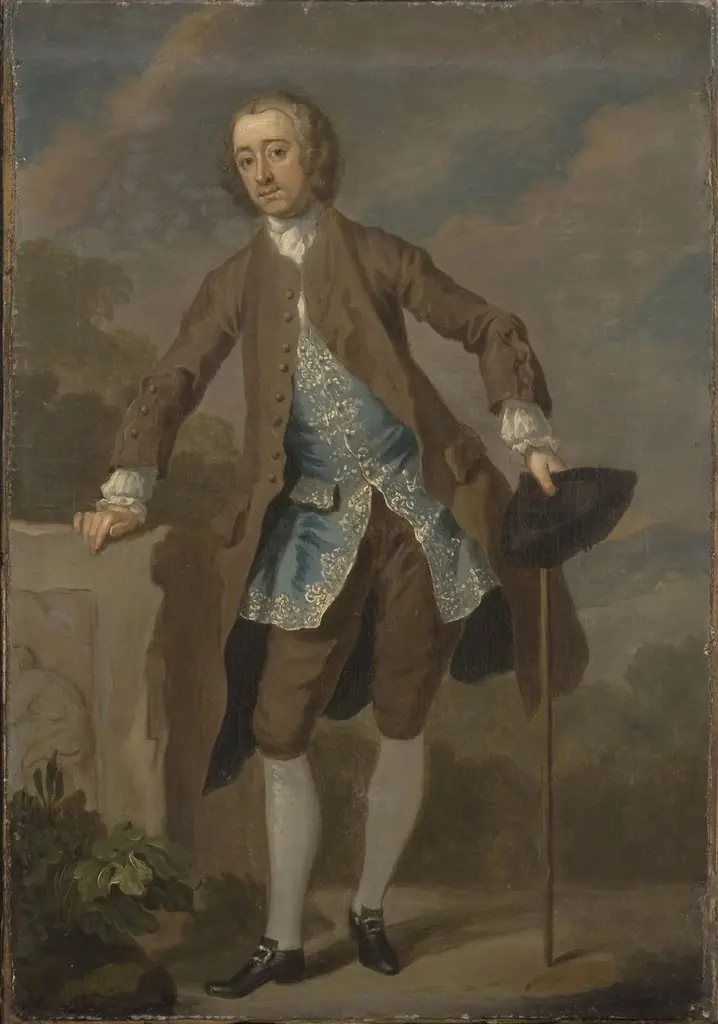 Portrait of Gustavus Hamilton, 2nd Viscount Boyne
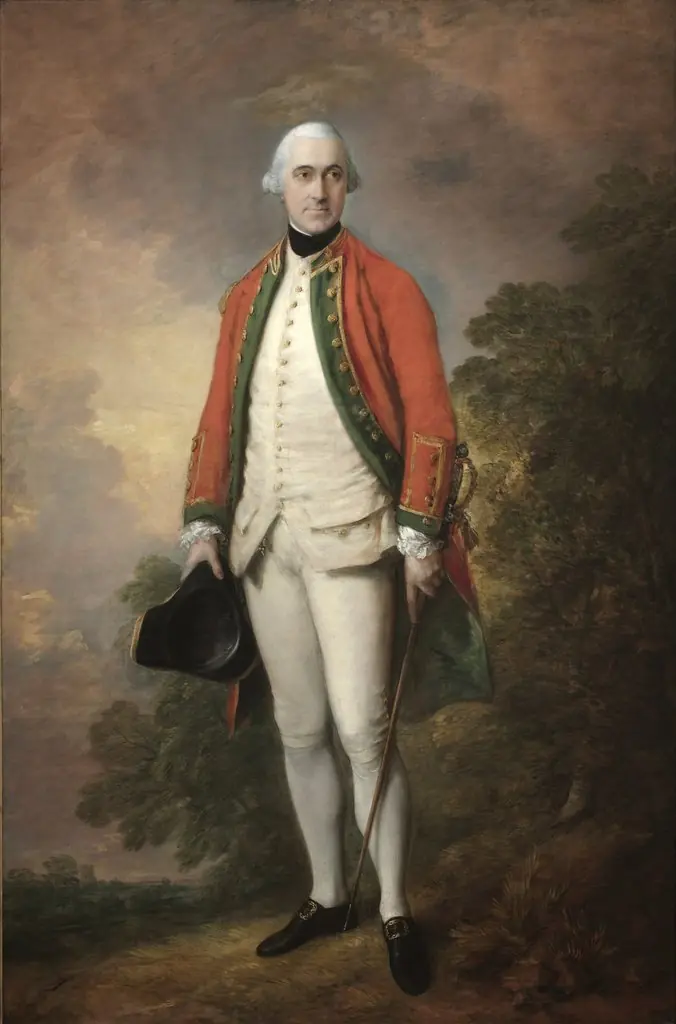 Portrait of George Pitt, First Baron Rivers
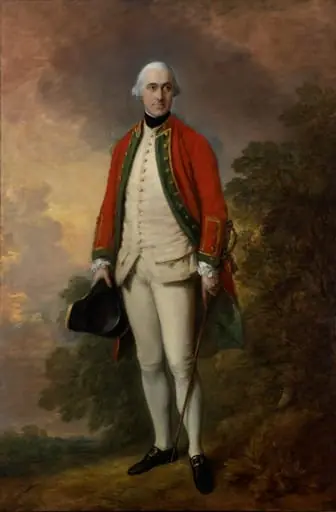 Portrait of George Pitt, First Baron Rivers
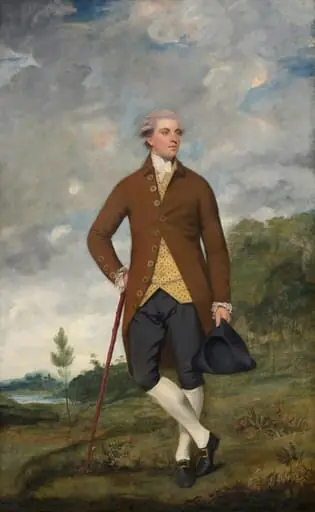 John Musters
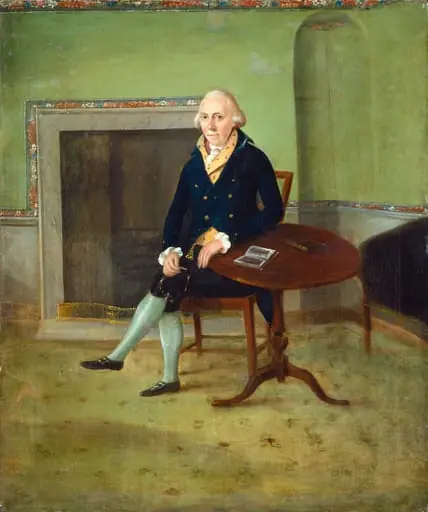 Samuel Griffin
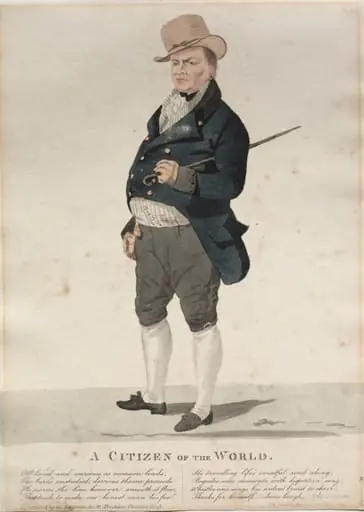 A Citizen of the World
 Portrait of a young man
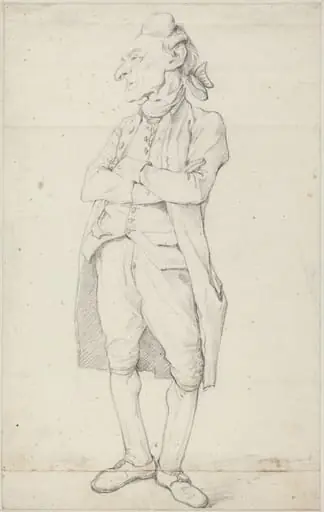 A Gentleman Standing with His Arms Crossed
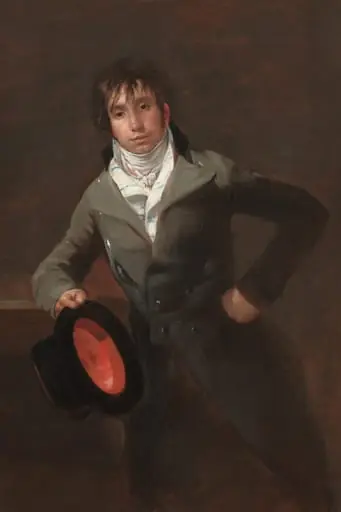 Bartolomé Sureda y Miserol
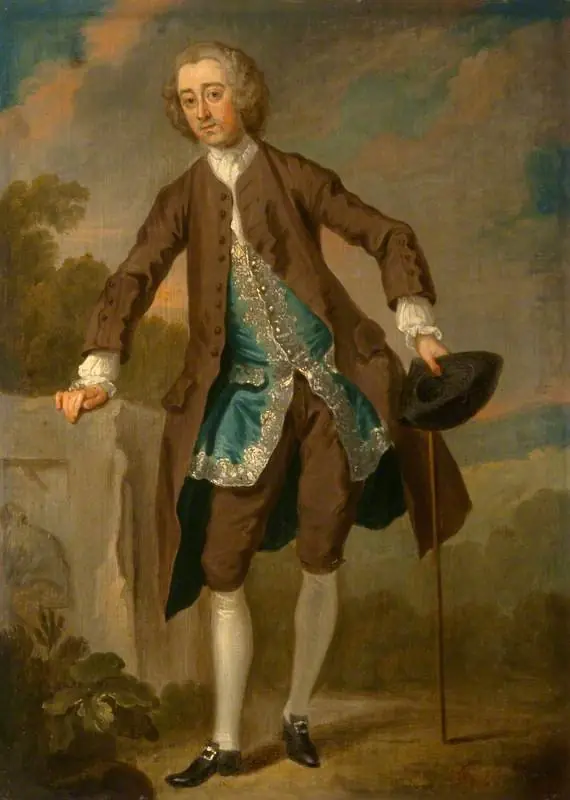 Gustavus Hamilton, 2nd Viscount Boyne (1710 - 1746)
 Portrætskitse. Maleren N.A. Abildgaard (?).