Artwork
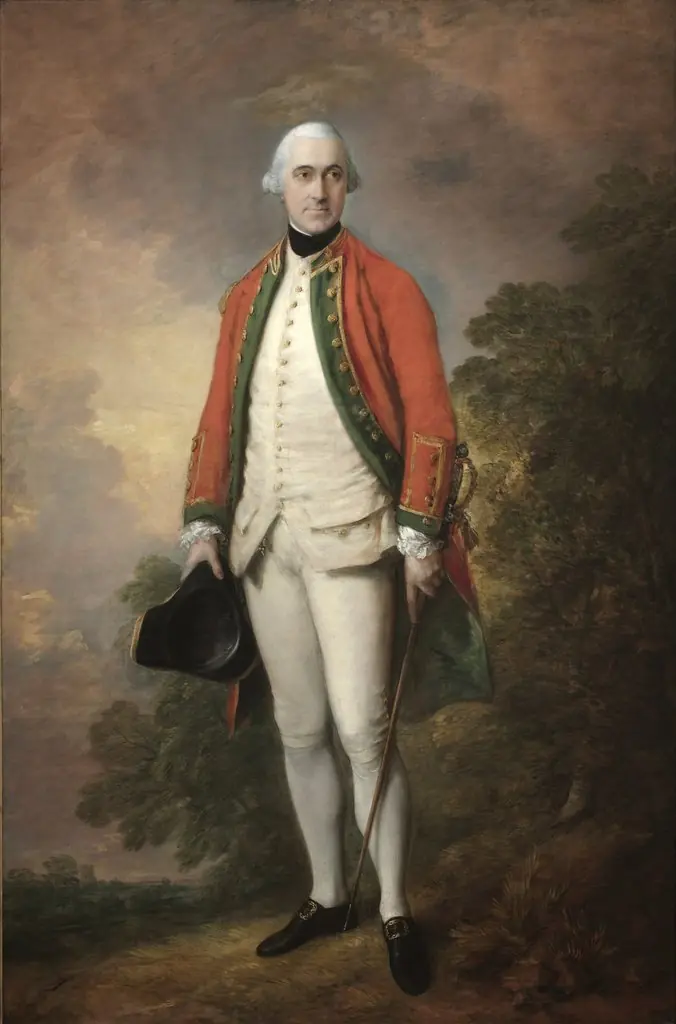
Portrait of George Pitt, First Baron Rivers
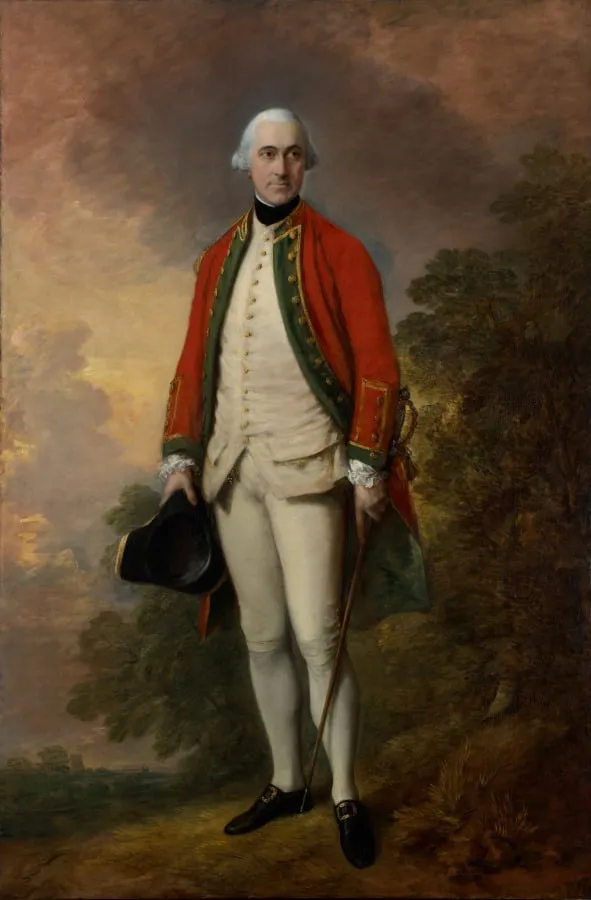
Portrait of George Pitt, First Baron Rivers is an unspecified painting by the Rococo painting artist Thomas Gainsborough. It dates from 1769 and is held in the collection of the Cleveland Museum of Art.
About this work
Overview
Thomas Gainsborough painted George Pitt, First Baron Rivers, during a pause between his diplomatic postings to Turin and Madrid.
Thomas Gainsborough painted George Pitt, First Baron Rivers, during a pause between his diplomatic postings to Turin and Madrid. The portrait captures Pitt not as a statesman in foreign courts, but as an English landowner at ease on his estate. Gainsborough avoids overt symbols of power, instead presenting him in a moment of quiet contemplation, surrounded by a soft, atmospheric landscape that lends the scene a sense of serene isolation.
Subject & Meaning
Despite historical accounts describing Pitt as a harsh and dissolute figure, Gainsborough’s portrayal deliberately omits any indication of moral frailty. The sitter’s composed posture, dignified bearing, and refined attire suggest an idealized gentleman, detached from his reputation. The painting functions less as a personal record and more as a statement of aristocratic composure, aligning Pitt with the cultivated image expected of his class.
Technique & Style
Gainsborough employed fluid, almost impressionistic brushwork to render the woodland background, using muted tones of gray, mauve, and silver to evoke mist and depth. The vivid red and green of Pitt’s uniform are softened by the surrounding atmosphere, their intensity tempered rather than amplified. Edges are gently blurred, creating a sense of quiet harmony between figure and environment, a hallmark of Gainsborough’s mature style.
History & Provenance
Commissioned during Pitt’s interim between diplomatic assignments, the portrait remained in the Pitt family for generations before entering a public collection. Its survival reflects its status as a valued family heirloom rather than a public monument. The painting’s preservation offers insight into how aristocratic families curated their public image through portraiture, even when personal conduct diverged from it.
Context
In late 18th-century Britain, portraiture often served to reinforce social standing through idealization. Gainsborough, though known for his landscapes, frequently blended natural settings with aristocratic subjects to convey a sense of inherited grace. This work aligns with a broader trend where the countryside became a symbolic space for moral and cultural authority, distancing the elite from urban corruption.
Legacy
The portrait exemplifies Gainsborough’s ability to transform the physical presence of a sitter into an emotional atmosphere. Its quiet elegance influenced later British landscape portraiture, emphasizing mood over narrative. While Pitt’s personal history faded from public memory, the painting endured as a model of restrained refinement, demonstrating how art could reshape perception beyond the limits of biography.
Artist & collection
Artist
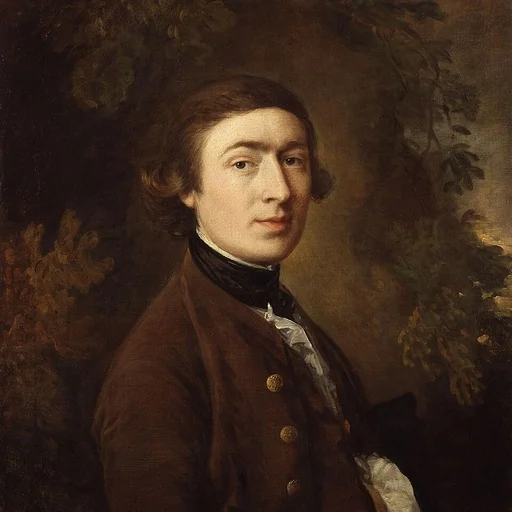
Thomas Gainsborough (; 14 May 1727 (baptised) – 2 August 1788) was an English painter, draughtsman and printmaker who specialised in portrait and landscape painting.

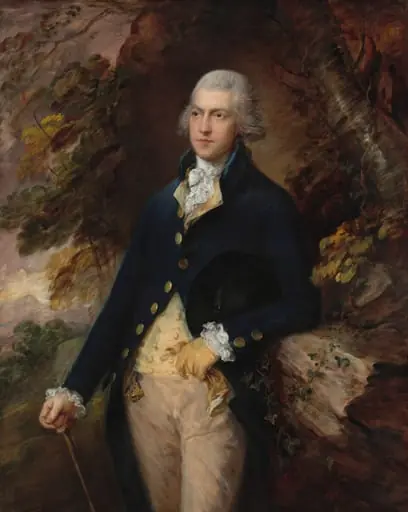
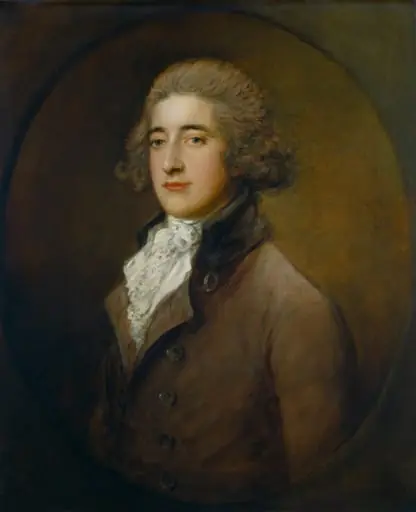
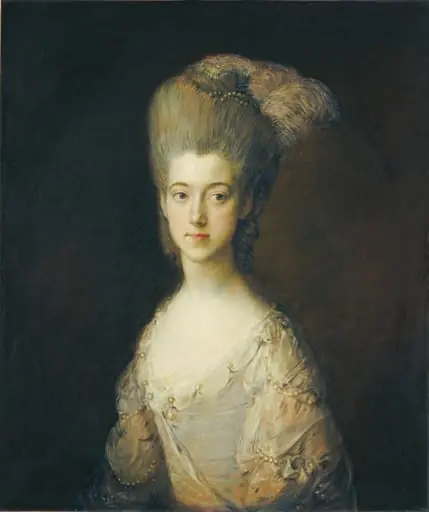
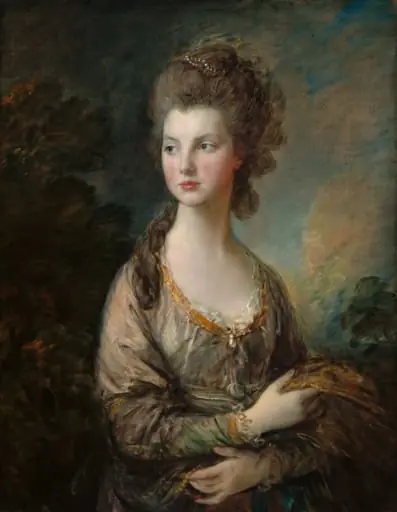
 Portrait of James Caulfield, 1st Earl of Charlemont (1728-1799)
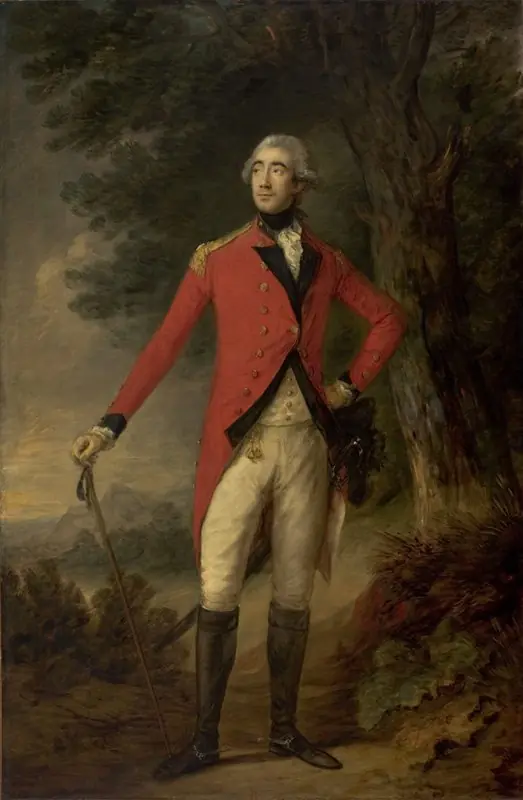 Francis Rawdon, 1st Marquess of Hasting and 2nd Earl of Moira
 Portrait of Colonel Charles Heathcote
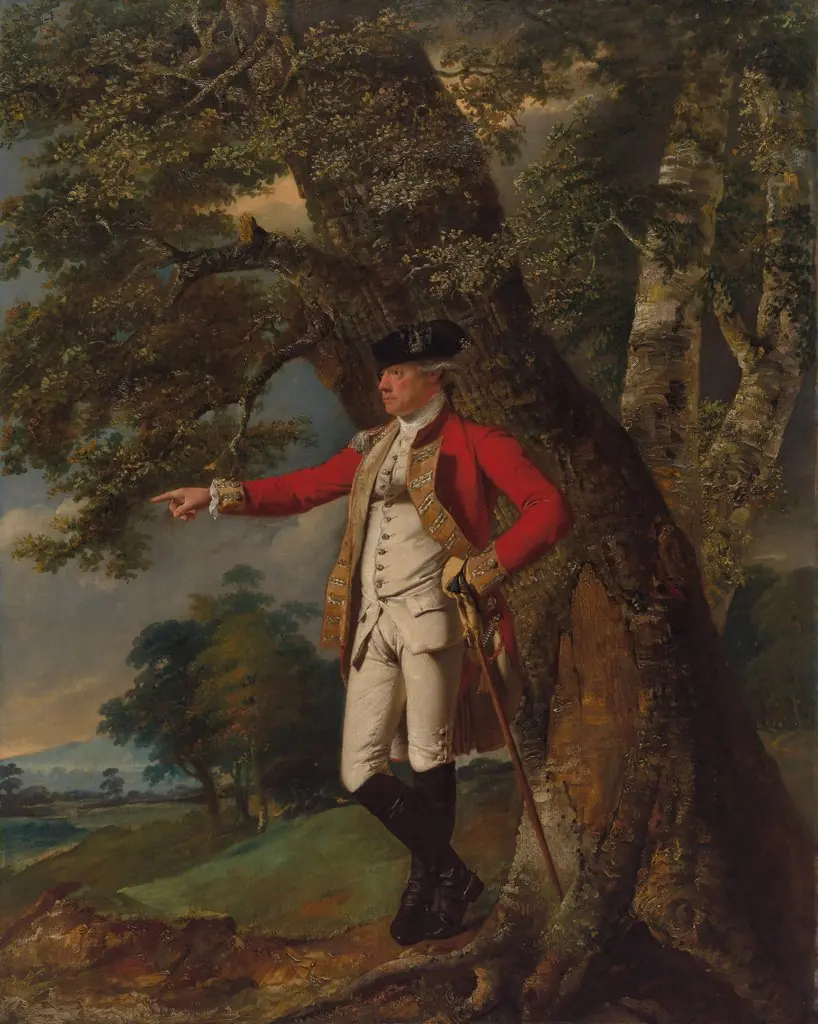 Portrait of Colonel Charles Heathcote
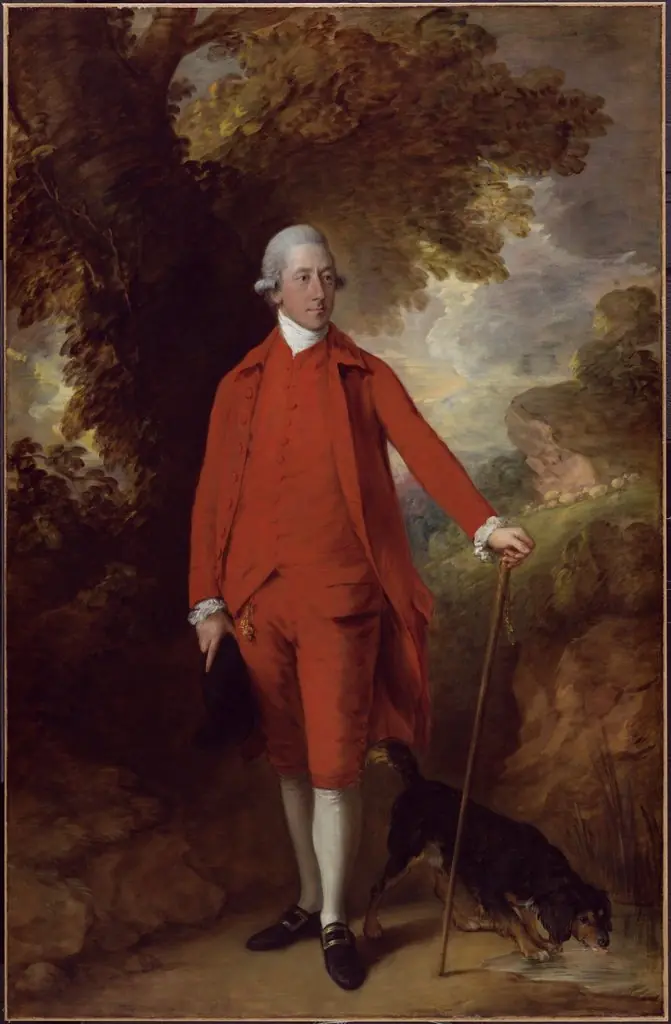 The Honorable Richard Savage Nassau de Zuylestein, M.P.
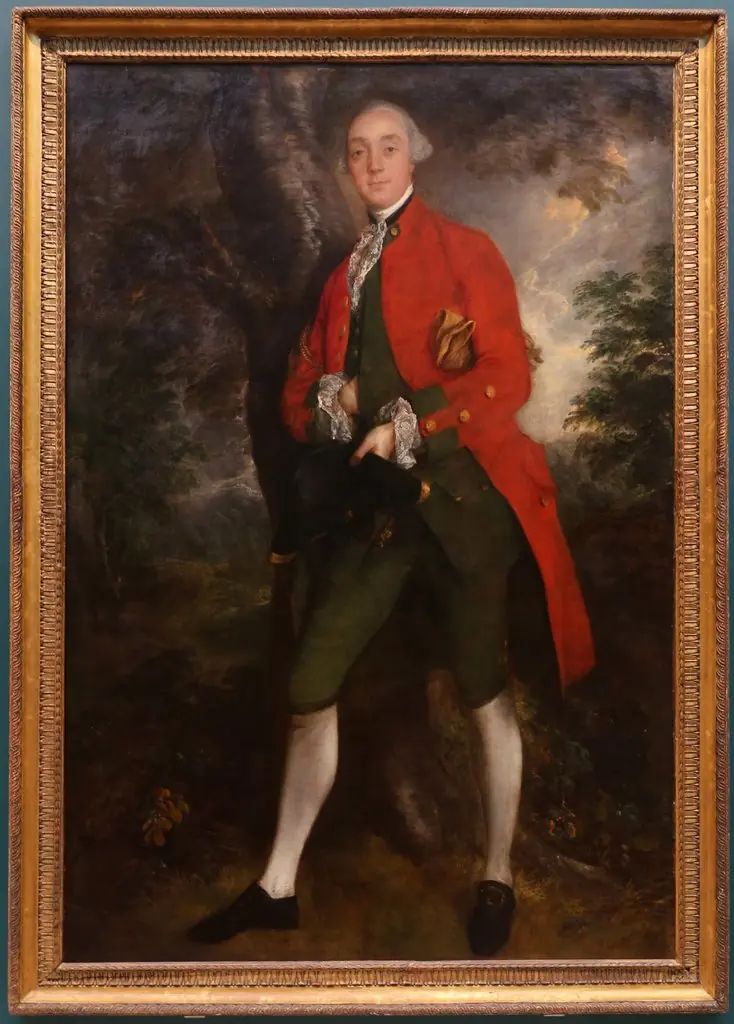 General James Johnston (1721-1797)
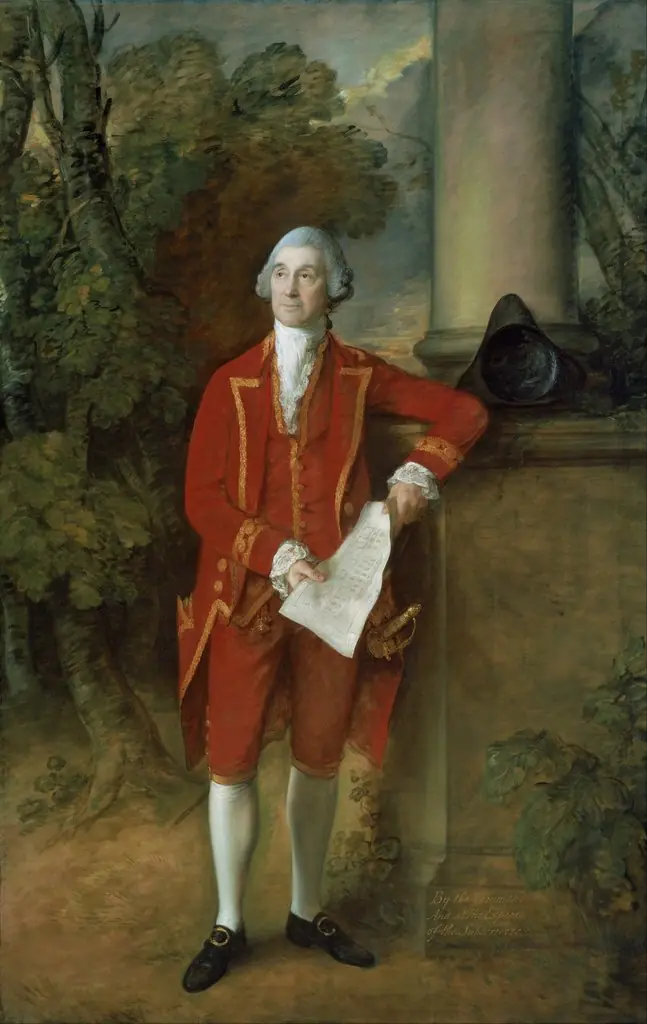 John Eld of Seighford Hall, Stafford
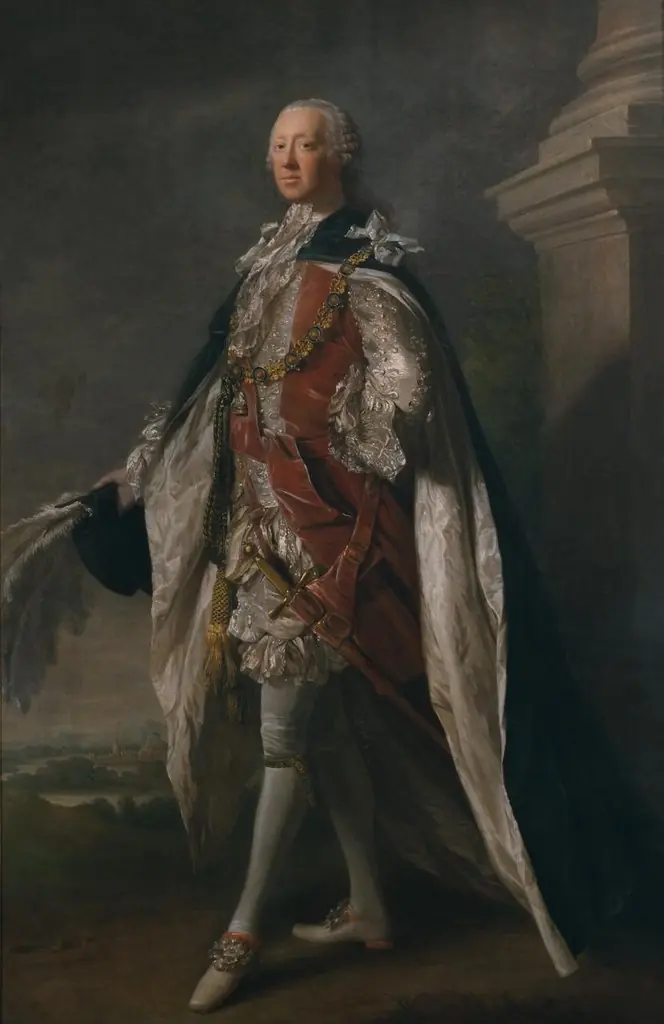 Richard Grenville, 2nd Earl Temple
 Captain John Gell
 Don Juan Lorenzo Gutiérrez Altamirano de Velasco y Flores
 Portrait of George Pitt, First Baron Rivers