Artwork
The Sculptor Jacques-François-Joseph Saly
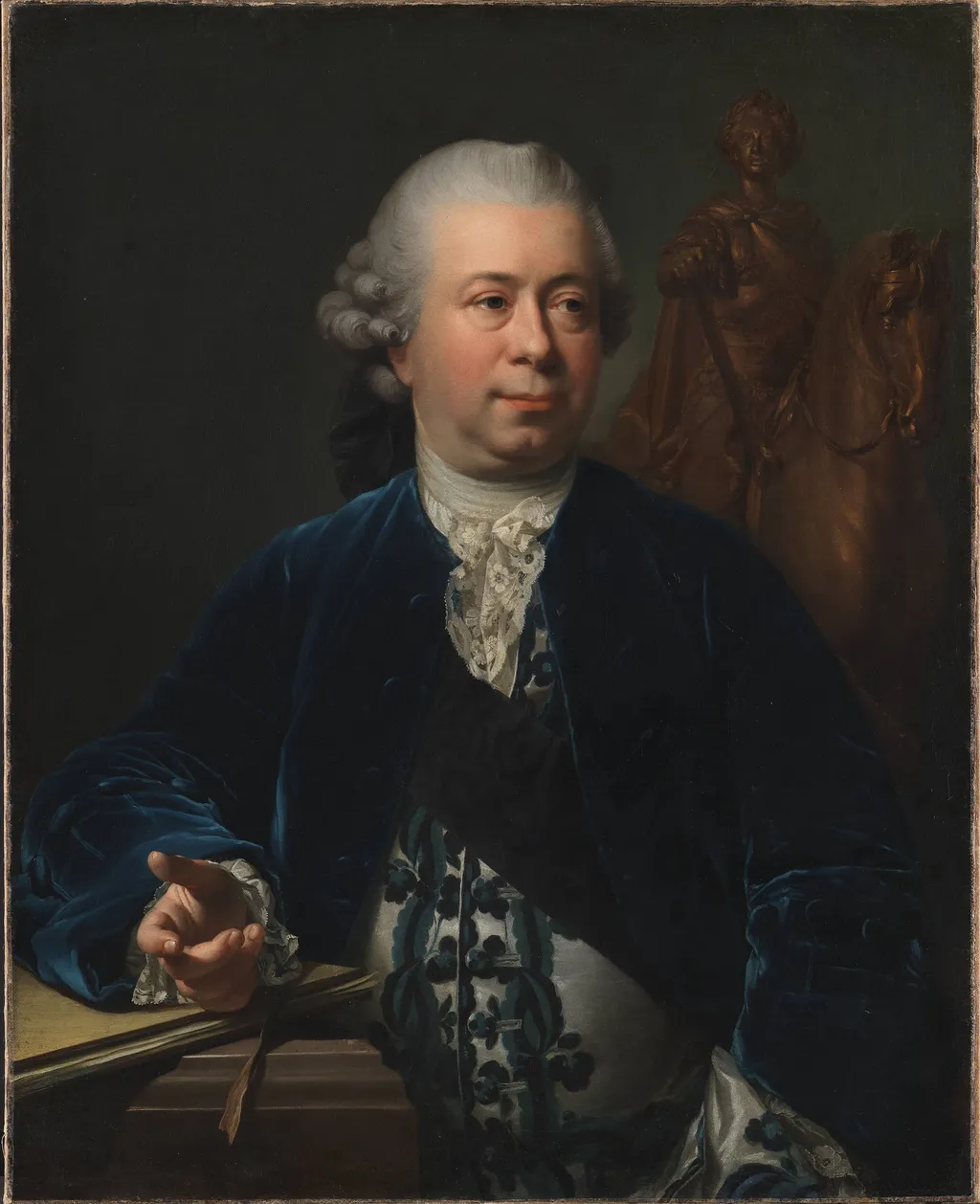
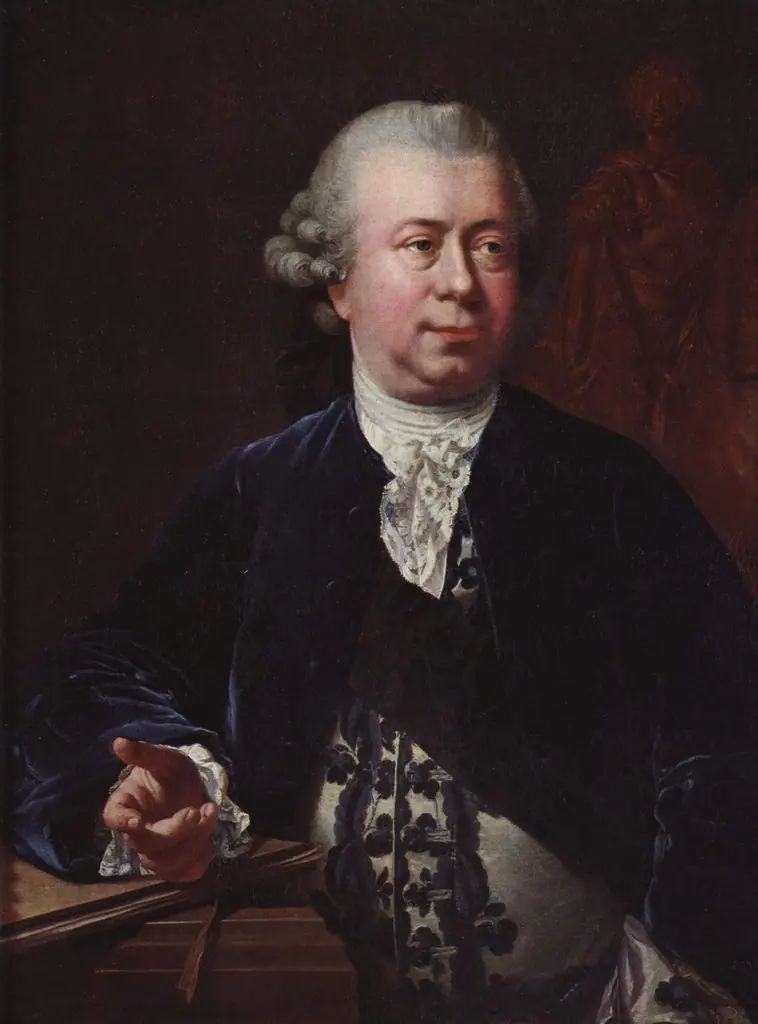
The Sculptor Jacques-François-Joseph Saly is a photography by the Romanticist artist Unknown. It dates from 1772 and is held in the collection of the Statens Museum for Kunst. This portrait depicts Jacques-François-Joseph Saly, a Danish-born sculptor active in 18th-century France.
About this work
The painting depicts a man with white hair, wearing a blue velvet jacket over a white shirt with a high collar and a blue and white patterned vest.
The painting depicts a man with white hair, wearing a blue velvet jacket over a white shirt with a high collar and a blue and white patterned vest. He is seated at a table with a book or papers in front of him. The background is dark, with a faint image of a statue behind him.
The man's attire and hairstyle suggest a formal portrait from the 18th century. The dark background and the subtle lighting on the subject's face create a sense of depth and dimensionality.
If you're interested in learning more about this style of portraiture, you might want to explore the Romanticism movement.
Overview
This portrait depicts Jacques-François-Joseph Saly, a Danish-born sculptor active in 18th-century France. Painted in 1772, it presents him in a contemplative pose, seated at a table with scholarly materials. The work is attributed to an artist associated with the Royal Danish Academy, though the painter’s identity remains unconfirmed. It is currently held in the collection of the Museum of Ethnography, where it serves as a record of artistic professional identity in the Enlightenment era.
Subject & Meaning
Saly is portrayed not as a public figure in ceremonial dress, but as a working artist engaged in intellectual labor. His attire—blue velvet jacket, white shirt, and patterned vest—signals status without ostentation. The presence of books and papers suggests scholarly activity, aligning him with the Enlightenment ideal of the artist as thinker. The faint statue in the background subtly reinforces his profession, framing him as both creator and custodian of classical tradition.
Technique & Style
The painting employs chiaroscuro to model the face and hands with quiet precision, drawing attention to Saly’s expression and the texture of his clothing. The dark, unadorned background isolates the figure, enhancing three-dimensionality. Brushwork is controlled, favoring smooth transitions over visible strokes. The subdued palette and restrained composition reflect a preference for psychological presence over theatricality, characteristic of late Baroque portraiture transitioning toward Neoclassical restraint.
History & Provenance
Commissioned during Saly’s tenure as director of the Royal Danish Academy of Fine Arts, the portrait likely served to document his professional standing. It remained in Denmark after his death, eventually entering the Museum of Ethnography’s collection. Its placement there, rather than in a fine arts institution, may reflect shifting institutional priorities in the 19th century, where portraits of artists were valued as ethnographic artifacts of cultural identity.
Context
In the 1770s, European academies emphasized the intellectual dignity of the artist. Saly’s portrait aligns with this trend, contrasting with earlier depictions of sculptors as manual laborers. The inclusion of books and the absence of tools or clay suggest a deliberate shift toward portraying the artist as a man of letters. This reflects broader Enlightenment ideals that elevated artistic practice to the level of philosophy and science.
Legacy
The portrait endures as a quiet testament to the professional self-image of sculptors in the late 18th century. While not widely exhibited, it contributes to scholarly understanding of how artists represented themselves within institutional frameworks. Its preservation in an ethnographic museum underscores evolving perceptions of artistic identity—not merely as aesthetic objects, but as cultural documents of professional life.
Artist & collection

 Domestic Scene
 Giacomo and Cardinal Marco, investing Andrea, Abbot of San Zeno, with his Benefice
 The Nymph of Fontainebleau
 Portrait of a Woman
 Madonna and Child with Saints in the Enclosed Garden
 Venus and Minerva
 Family Group of Four on Sofa
 Wall painting from Room H of the Villa of P. Fannius Synistor at Boscoreale
 Portrait of Pieter Parker, Alderman, Burgomaster and Councilor of Goes
 Portrait of Pieter Parker, Alderman, Burgomaster and Councilor of Goes
 Portrait of Ivan Ivanovich Betskoi Wearing a Dressing Gown (copy)
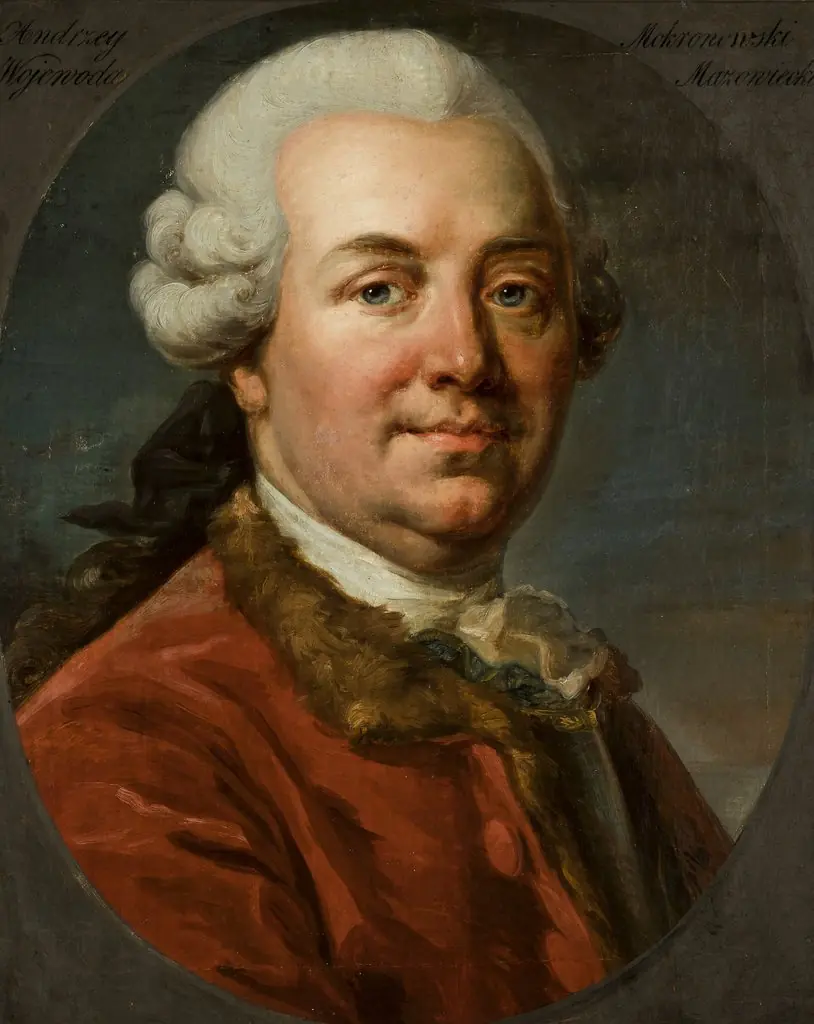 Portrait of Andrzej Mokronowski
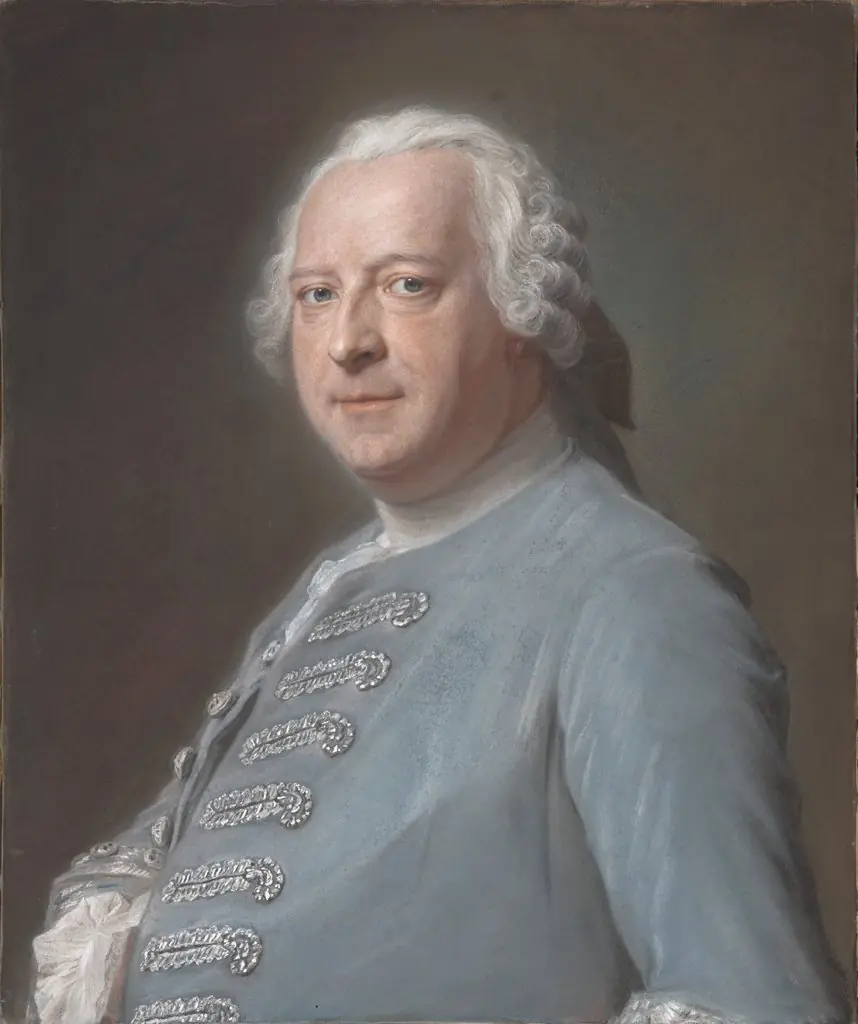 Jean Charles Garnier d'Isle (1697–1755)
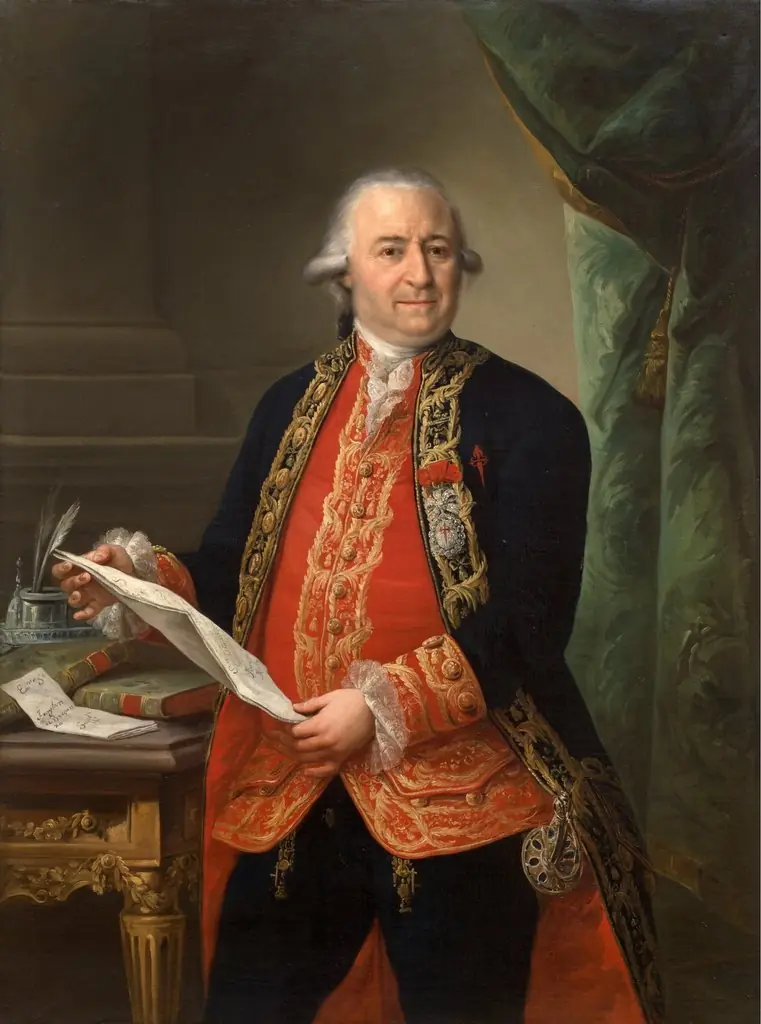 D Pedro López de Lerena, I Count of Lerena
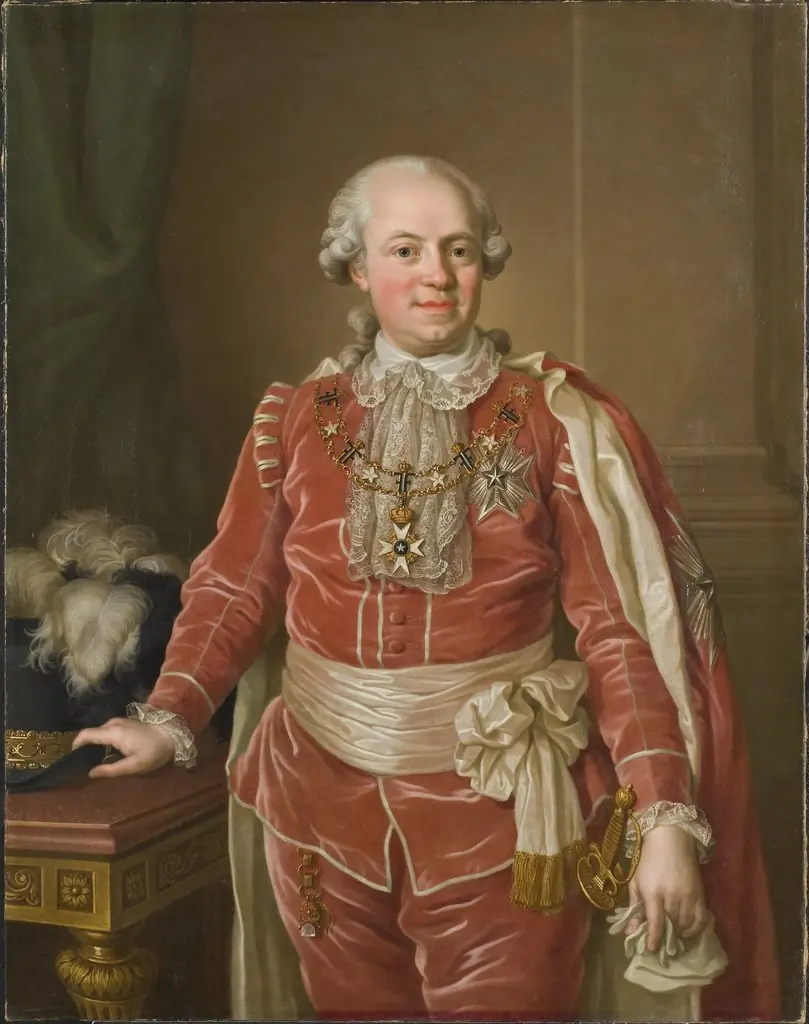 Samuel af Ugglas (1750-1812), greve, landshövding, överståthållare, kammarkollegiepresident, en av rikets herrar
 Portrait of a man in armour
 Antoni Warin
 Untitled
 Portrait de Louis Phélypeaux de Saint-Florentin (1705-1777), comte de Saint Florentin, Duc de La Vrillière, ministre et secrétaire d'Etat
 The Sculptor Jacques-François-Joseph Saly