Artwork
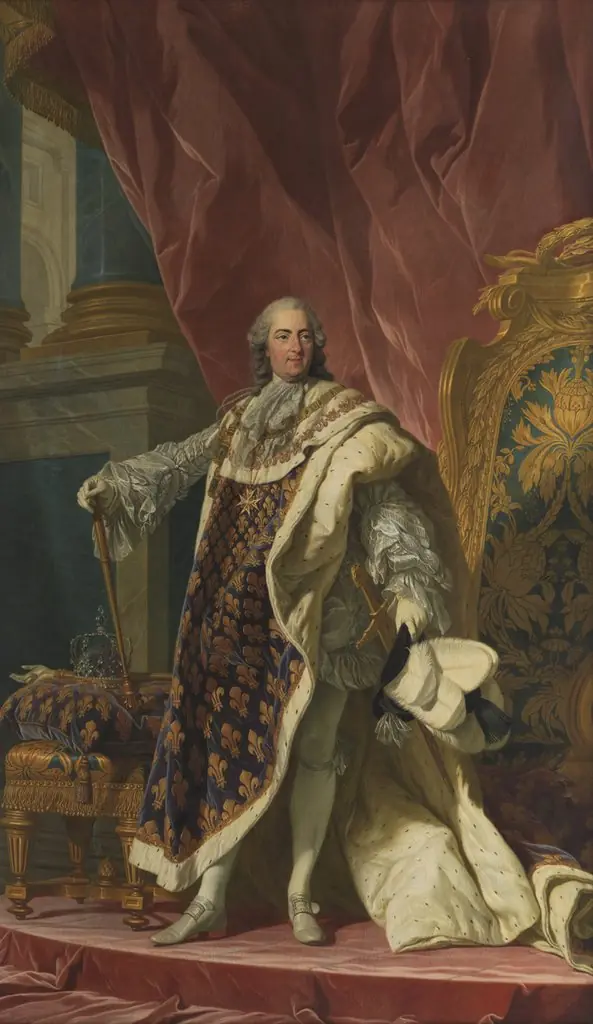
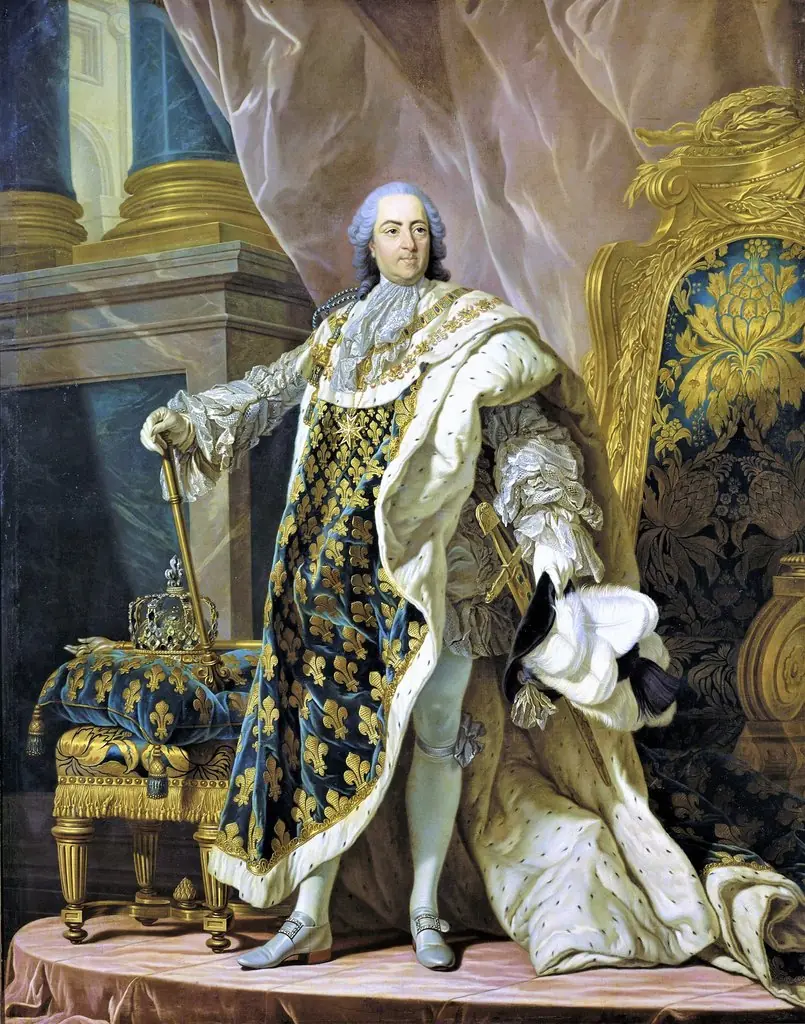
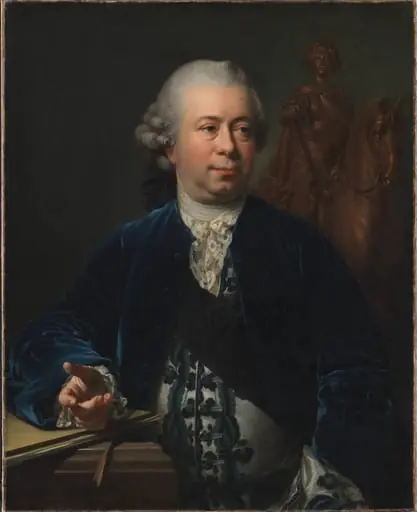
Portrait de Louis Phélypeaux de Saint-Florentin (1705-1777), comte de Saint Florentin, Duc de La Vrillière, ministre et secrétaire d'Etat
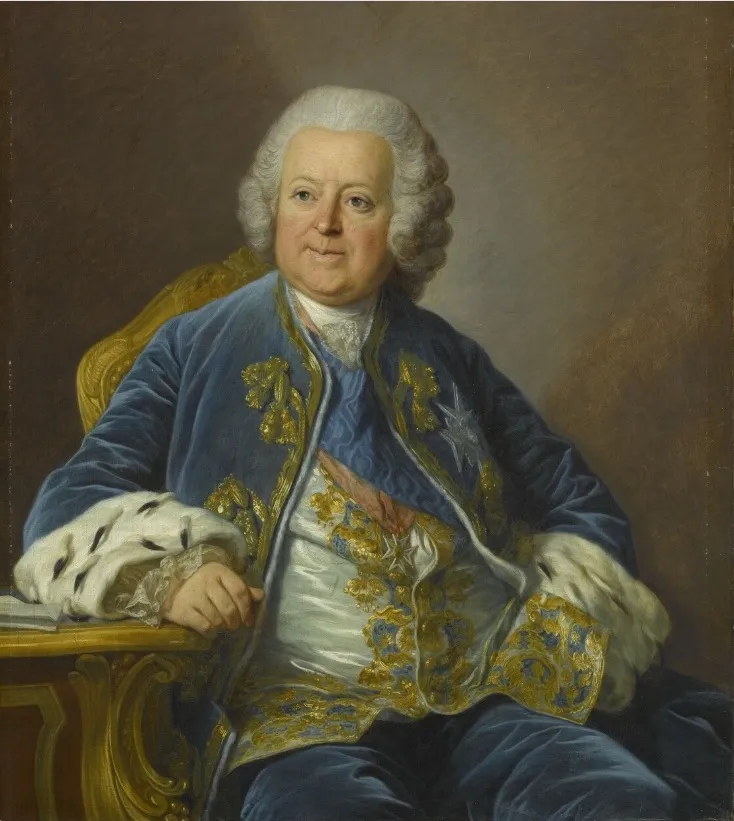
Portrait de Louis Phélypeaux de Saint-Florentin (1705-1777), comte de Saint Florentin, Duc de La Vrillière, ministre et secrétaire d'Etat is an oil painting by the Rococo painting artist Louis-Michel van Loo. It dates from 1769 and is held in the collection of the Palace of Versailles.
About this work
Overview
Louis-Michel van Loo’s oil portrait, executed in 1769, presents Louis Phélypeaux, comte de Saint‑Florentin, a senior minister of the French crown. The work is part of the Versailles collection, where it remains on display as a representation of eighteenth‑century court portraiture.
Subject & Meaning
The sitter, a high‑ranking statesman who later held the title duc de La Vrillière, is shown seated in a dignified pose, gazing directly at the viewer. His neutral expression and composed demeanor convey the authority and decorum expected of a royal secretary and minister.
Technique & Style
Van Loo employs a refined palette of deep blues and muted browns, highlighted by gold embroidery on the velvet jacket. Careful modeling of light and shadow—chiaroscuro—accentuates the textures of the fabrics and the polished wood of the chair, revealing the artist’s skill in rendering material richness.
History & Provenance
Created toward the end of van Loo’s prolific career, the portrait entered the royal collection shortly after its completion. It has remained in the possession of the French state, currently housed in the Palace of Versailles, where it contributes to the narrative of the Ancien Régime’s administrative elite.
Context
The painting reflects the conventions of mid‑eighteenth‑century French portraiture, where officials were depicted in luxurious attire to signal status. Van Loo, a court painter, often portrayed ministers and nobles, aligning their personal prestige with the visual language of the monarchy.
Legacy
As a documented likeness of Louis Phélypeaux, the portrait serves both as a historical record and as an example of van Loo’s mature style. Its preservation at Versailles allows scholars to examine the interplay of political power and artistic representation in pre‑revolutionary France.
Artist & collection

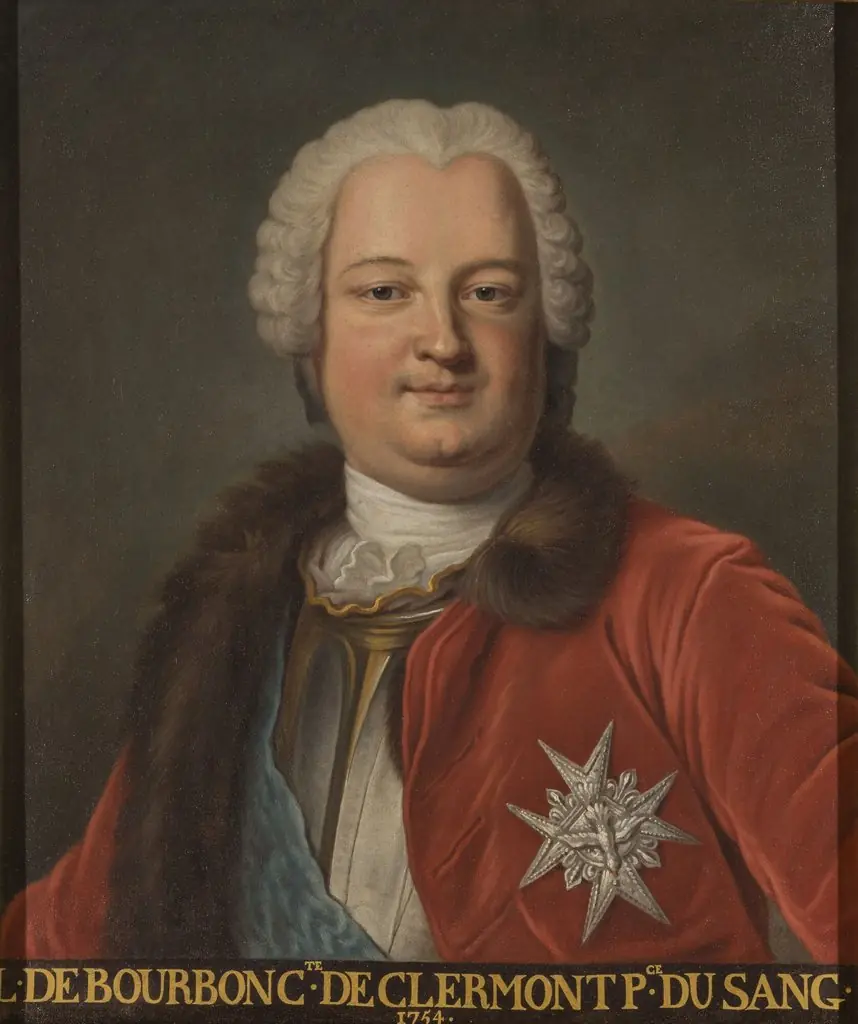 Louis de Bourbon-Condé, Count of Clermont
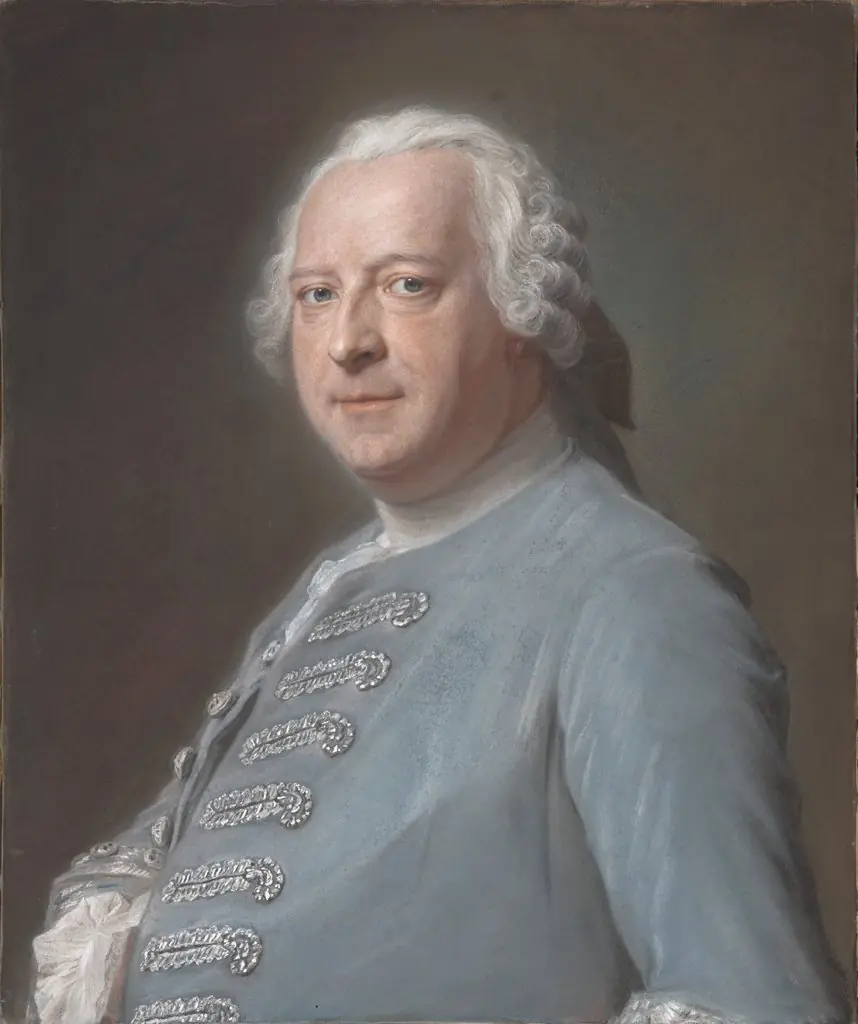 Jean Charles Garnier d'Isle (1697–1755)
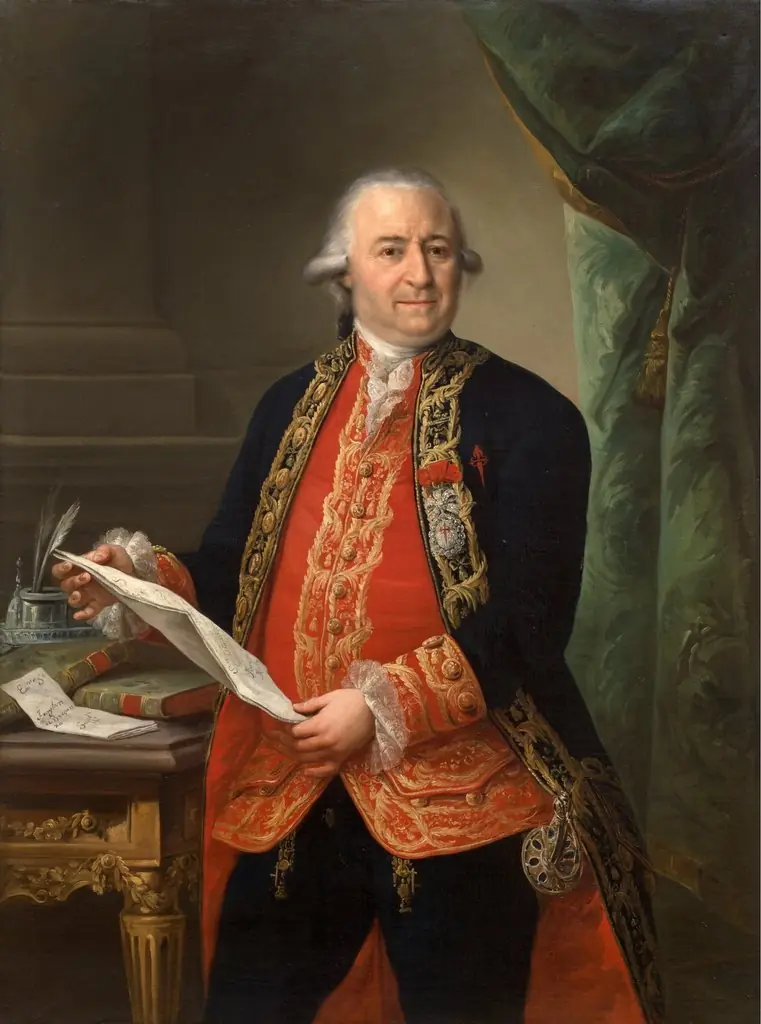 D Pedro López de Lerena, I Count of Lerena
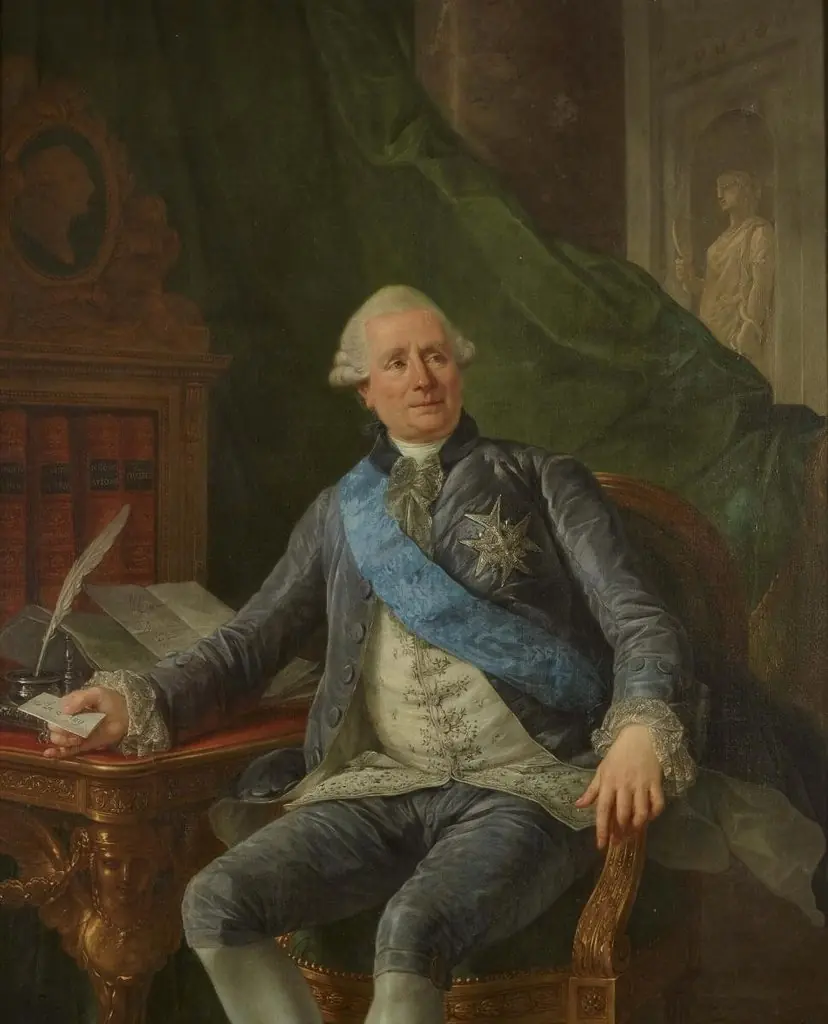 Portrait of the Comte de Vergennes
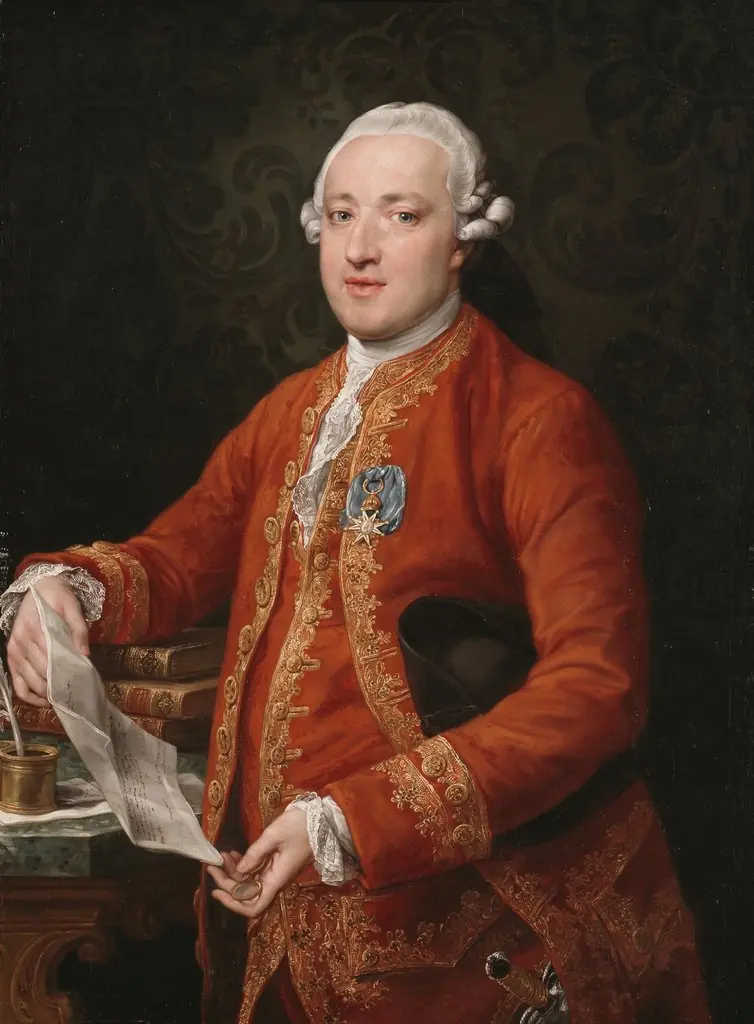 Don José Moñino y Redondo, Conde de Floridablanca
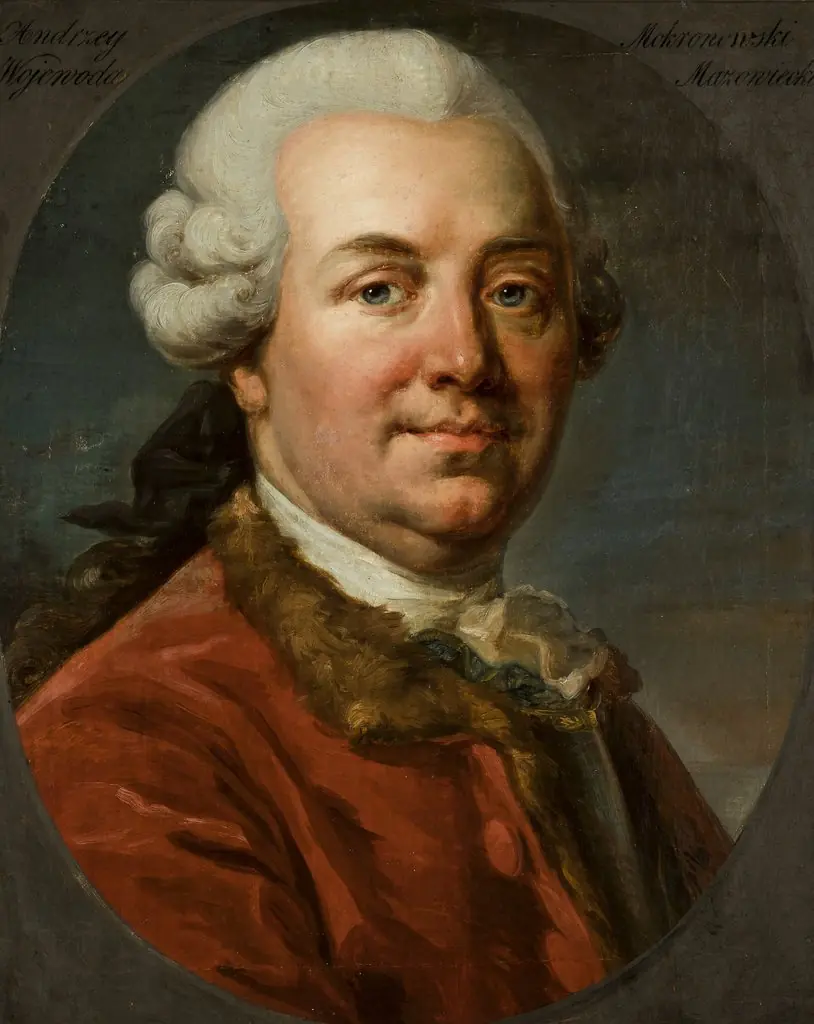 Portrait of Andrzej Mokronowski
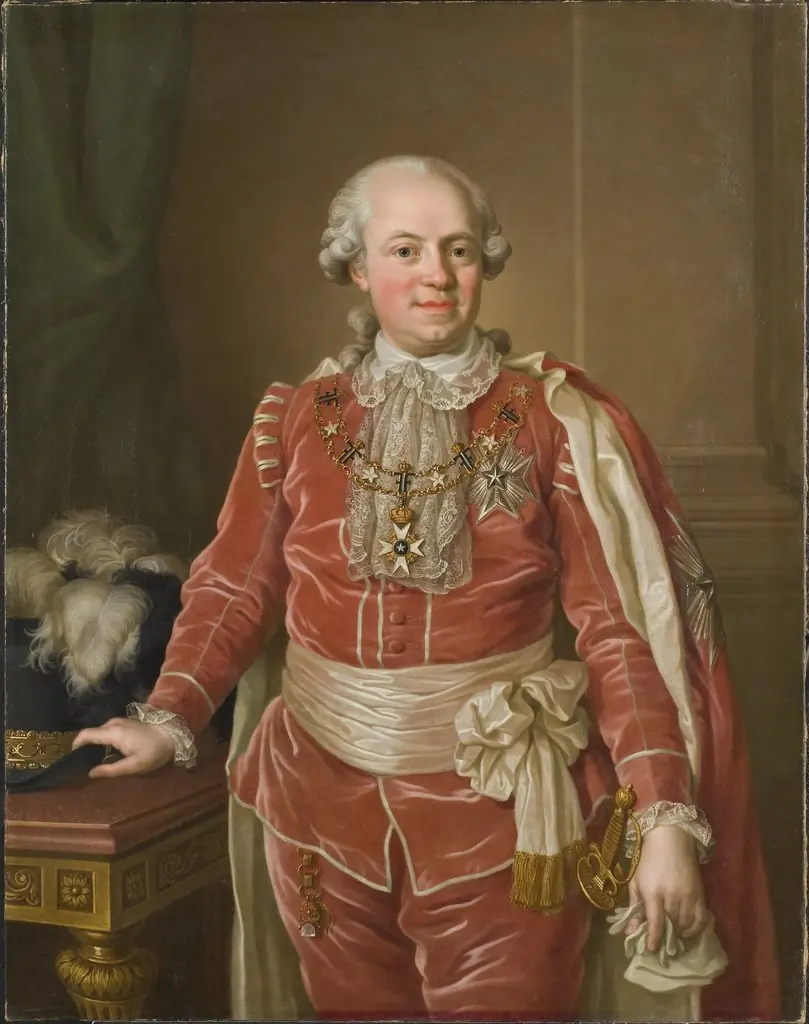 Samuel af Ugglas (1750-1812), greve, landshövding, överståthållare, kammarkollegiepresident, en av rikets herrar
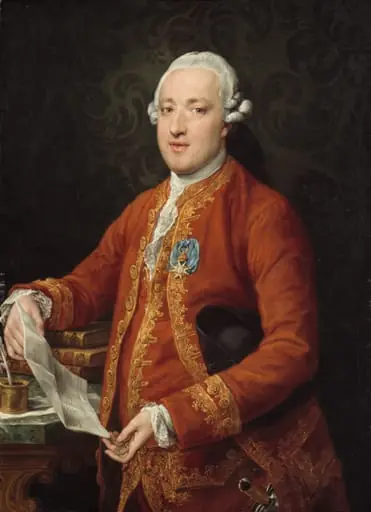 Don José Moñino y Redondo, Conde de Floridablanca
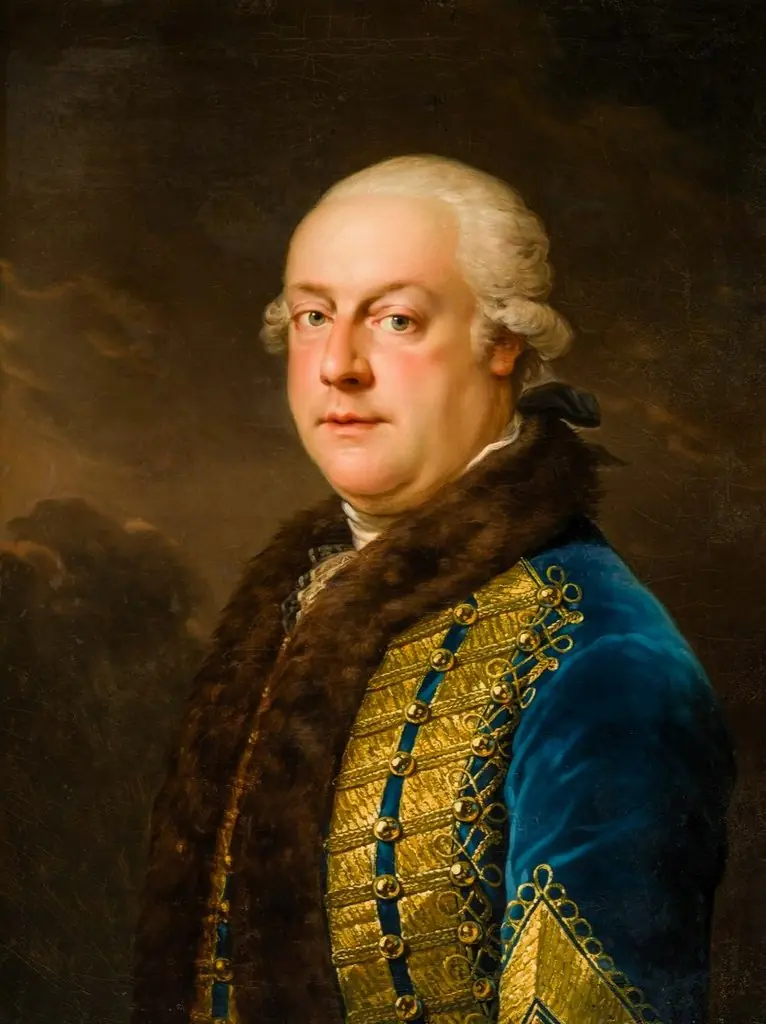 Portrait of Count Miklós Esterházy
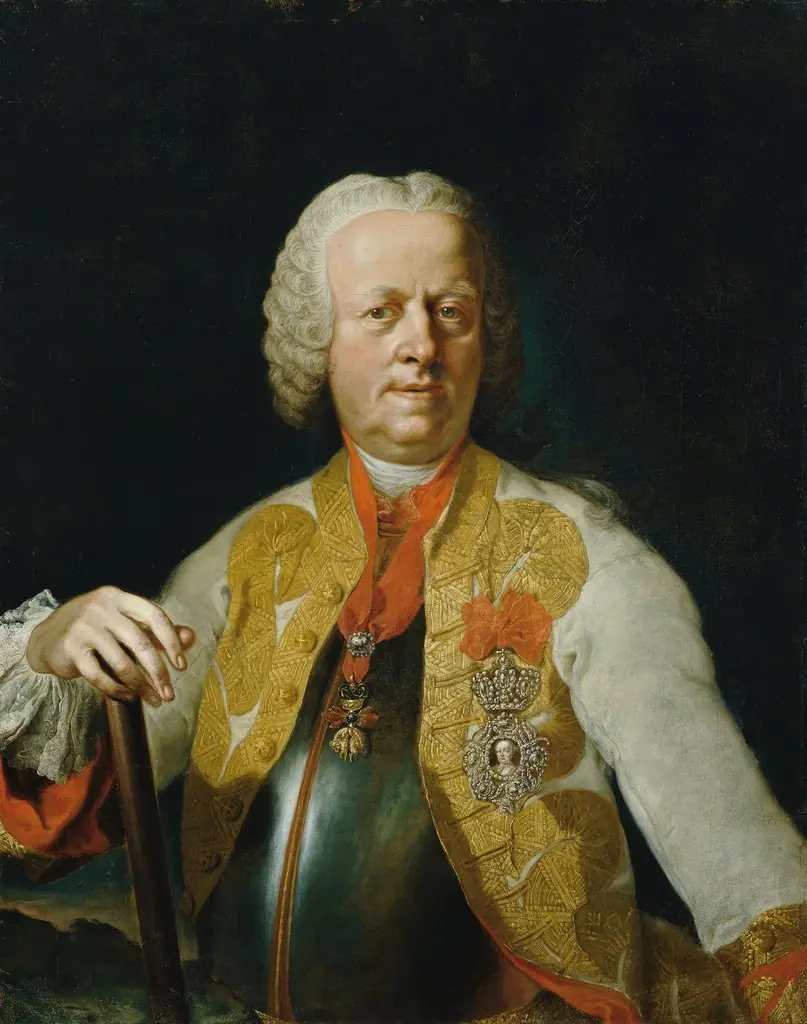 Field Marshal Karl Josef Prince Batthyány
 The Sculptor Jacques-François-Joseph Saly
 Portrait of the architect Luigi Vanvitelli (1700-1773)