Artwork
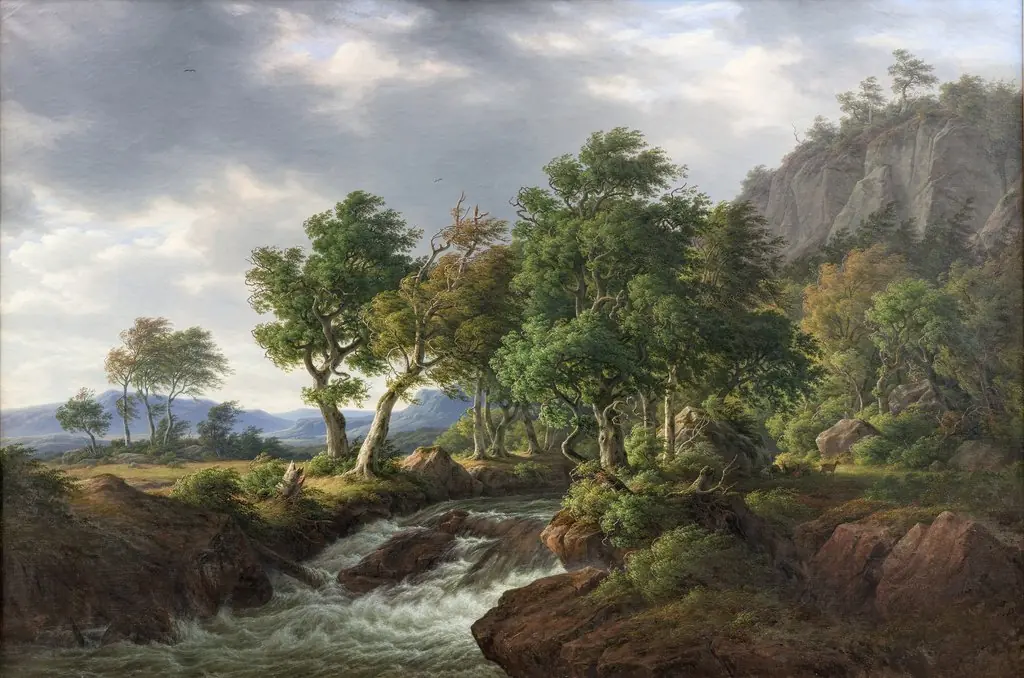
Klippelandskab. Djupadal i Bleking
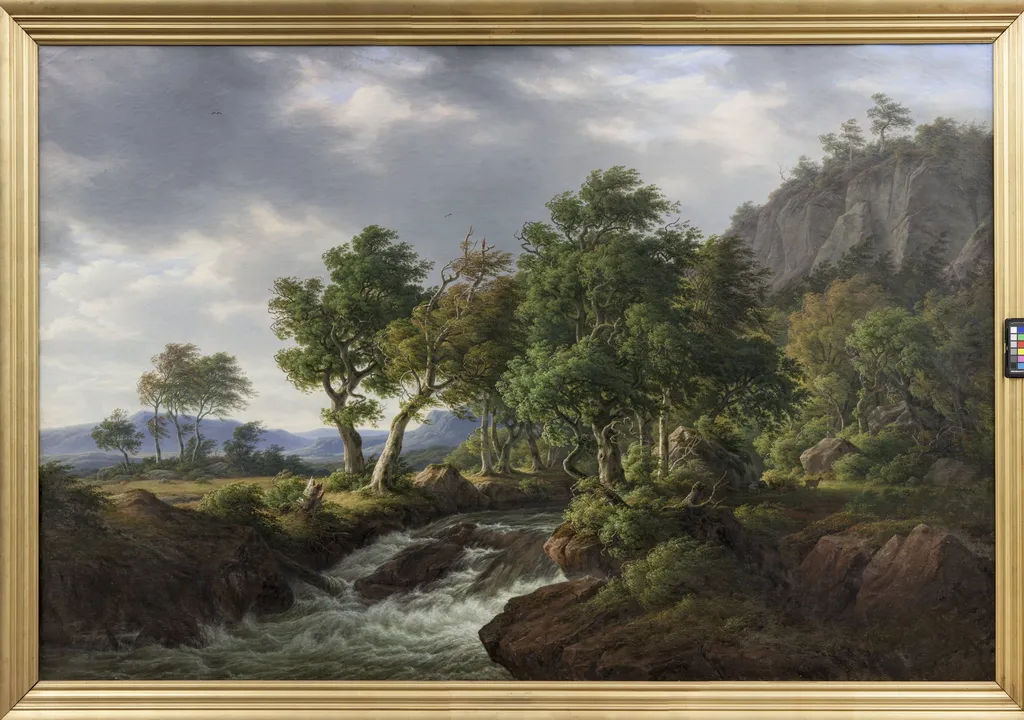
Klippelandskab. Djupadal i Bleking is a photography by the Impressionist artist Unknown. It dates from 1855 and is held in the collection of the Statens Museum for Kunst. Created in 1855, Klippelandskab.
About this work
Overview
Created in 1855, Klippelandskab. Djupadal i Bleking is a landscape depiction of a rugged river gorge in southern Sweden. The work captures the untamed terrain of Djupadal in Blekinge, emphasizing natural forces over human presence. It is part of the collection at the Museum of Ethnography, where it is preserved as an example of 19th-century Scandinavian naturalism.
Subject & Meaning
The scene portrays a fast-flowing river carving through a dense forested valley, flanked by towering trees and a sheer cliff face. The absence of figures or structures underscores nature’s autonomy. The composition conveys a sense of elemental power, where water, rock, and vegetation interact without human intervention, reflecting a quiet reverence for wild landscapes.
Technique & Style
The artist employs detailed brushwork to render the textures of wet rock, bark, and foliage, with careful attention to the river’s turbulent flow. Light is used to model form, casting deep shadows in the ravine and highlighting the cliff’s surface. The contrast between illuminated and dark areas enhances spatial depth, aligning with contemporary interest in atmospheric realism.
History & Provenance
The work was completed in 1855 and later acquired by the Museum of Ethnography, where it remains in its collection. Its inclusion suggests an early institutional interest in documenting Sweden’s natural environments, possibly as part of broader efforts to record national landscapes during a period of rising environmental awareness.
Context
Painted during a time when Scandinavian artists increasingly turned to local terrain for inspiration, the piece reflects a shift away from idealized landscapes toward direct observation of nature. It aligns with emerging Romantic and realist tendencies in Nordic art, where wild, unaltered scenery was valued for its authenticity and emotional resonance.
Legacy
Though not widely exhibited outside institutional archives, the work contributes to the historical record of Swedish landscape painting. It stands as a quiet testament to the aesthetic and scientific interest in natural formations during the mid-19th century, influencing later generations focused on ecological and topographical representation.
Artist & collection

 Domestic Scene
 Giacomo and Cardinal Marco, investing Andrea, Abbot of San Zeno, with his Benefice
 The Nymph of Fontainebleau
 Portrait of a Woman
 Madonna and Child with Saints in the Enclosed Garden
 Venus and Minerva
 Family Group of Four on Sofa
 Wall painting from Room H of the Villa of P. Fannius Synistor at Boscoreale
 Skovlandskab ved Hellebæk. Efterår
 Skovlandskab ved Hellebæk. Efterår
 The Cemetery at Baden-Baden
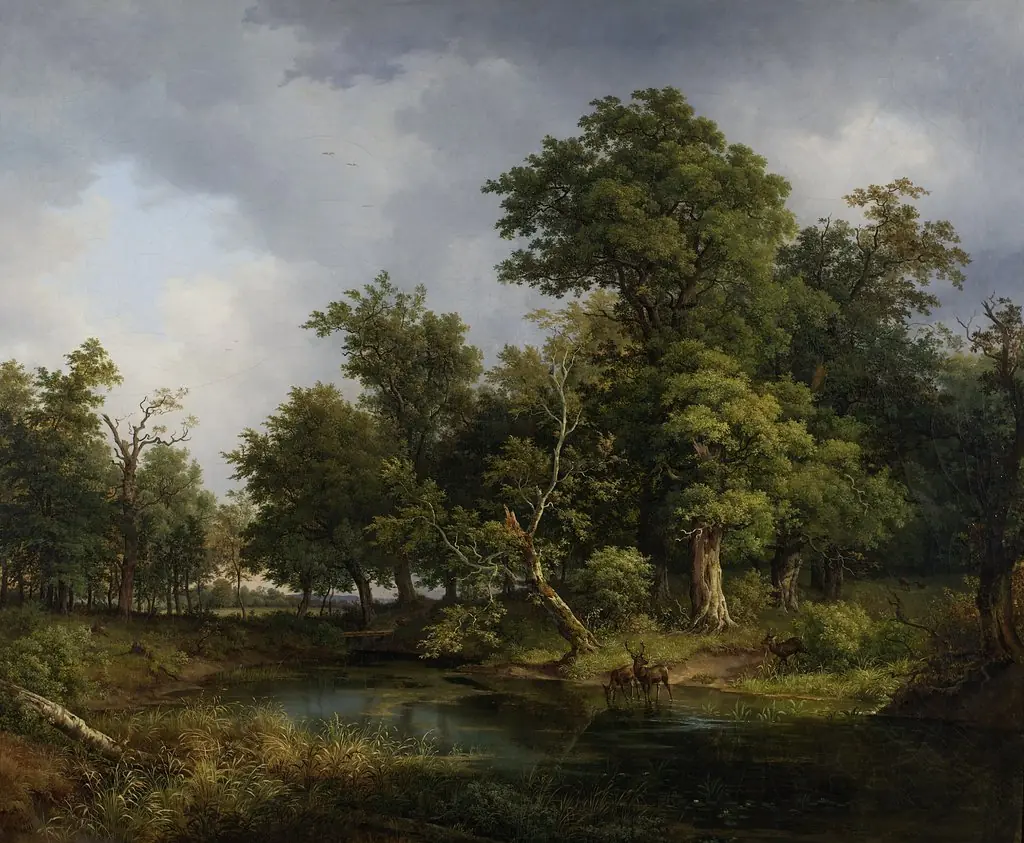 Waldlandschaft
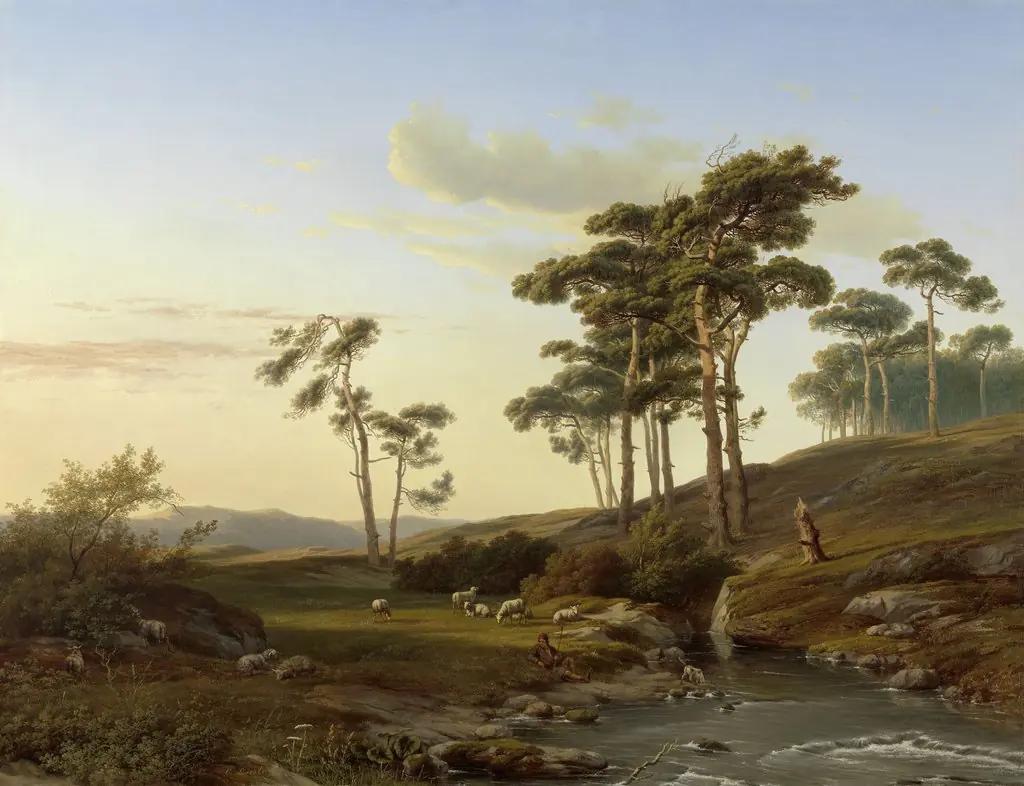 Avondstemming met herder
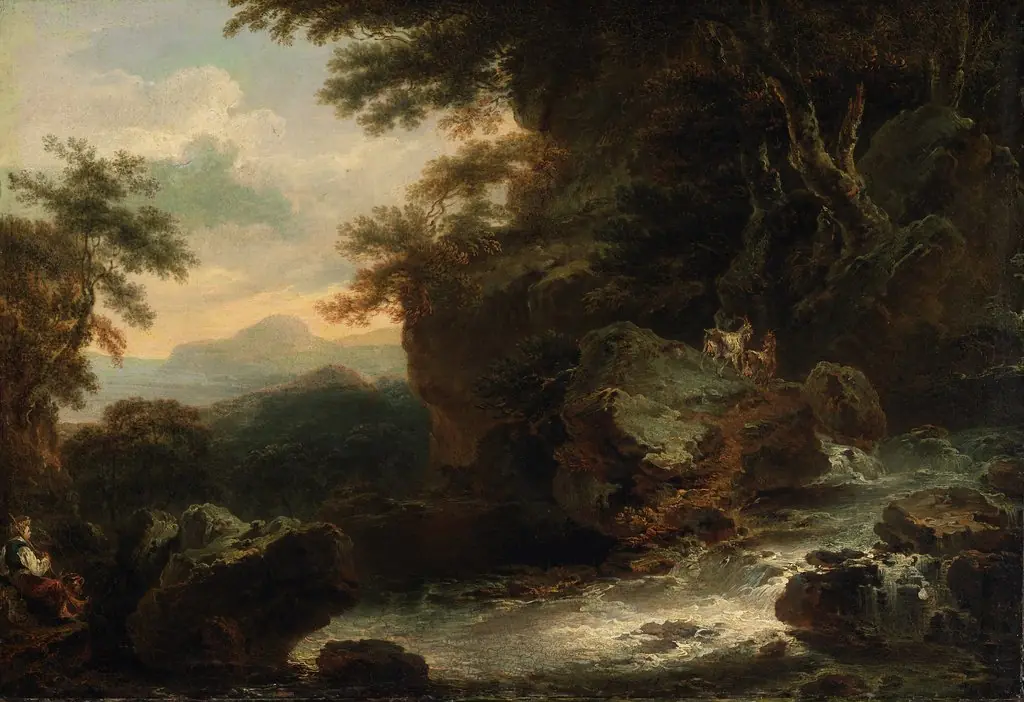 Landscape
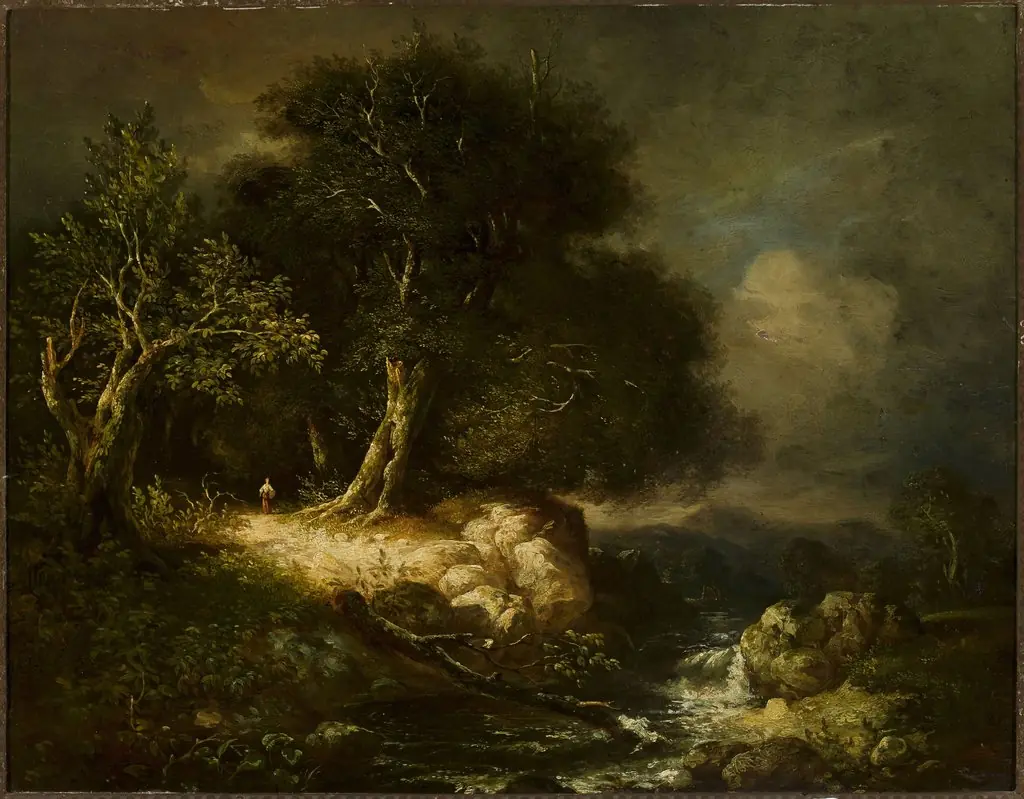 Forest landscape with a road and a river
 Lakes and Mountains
 Mountainous Landscape with a Waterfall, Norway
 Lake George, New York
 After the rain in autumn
 Klippelandskab. Djupadal i Bleking