Artwork
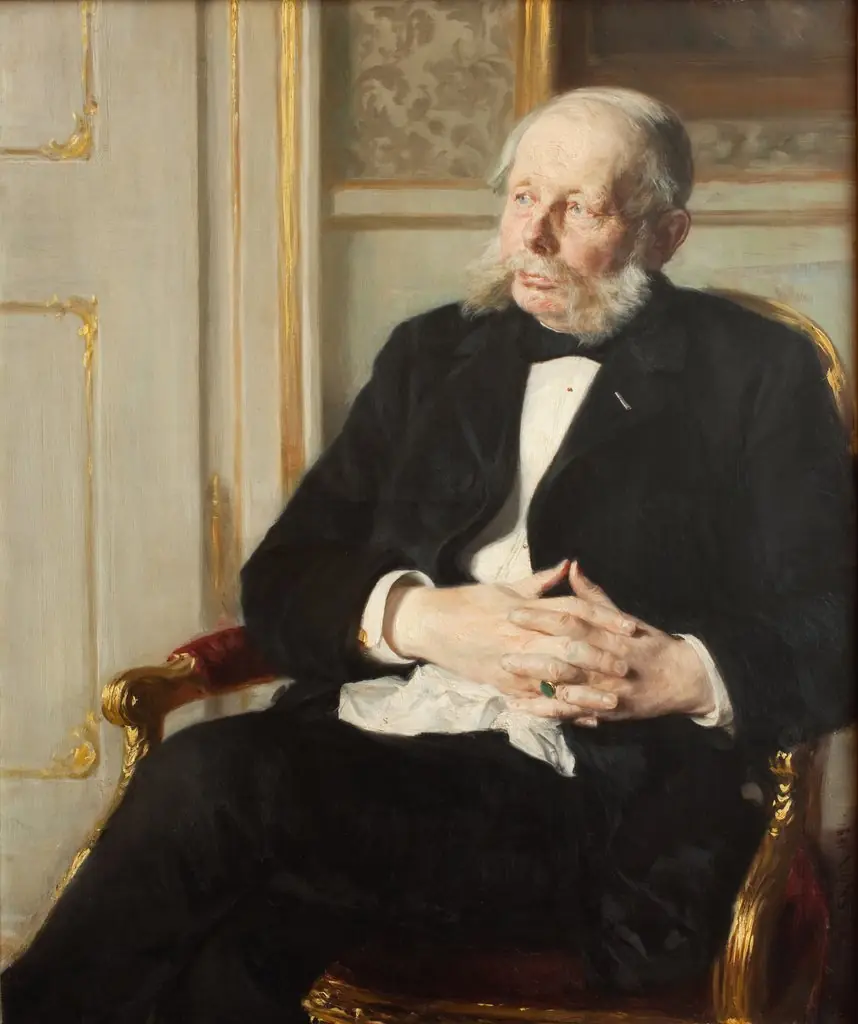
Baron Otto Ditlev Rosenørn-Lehn
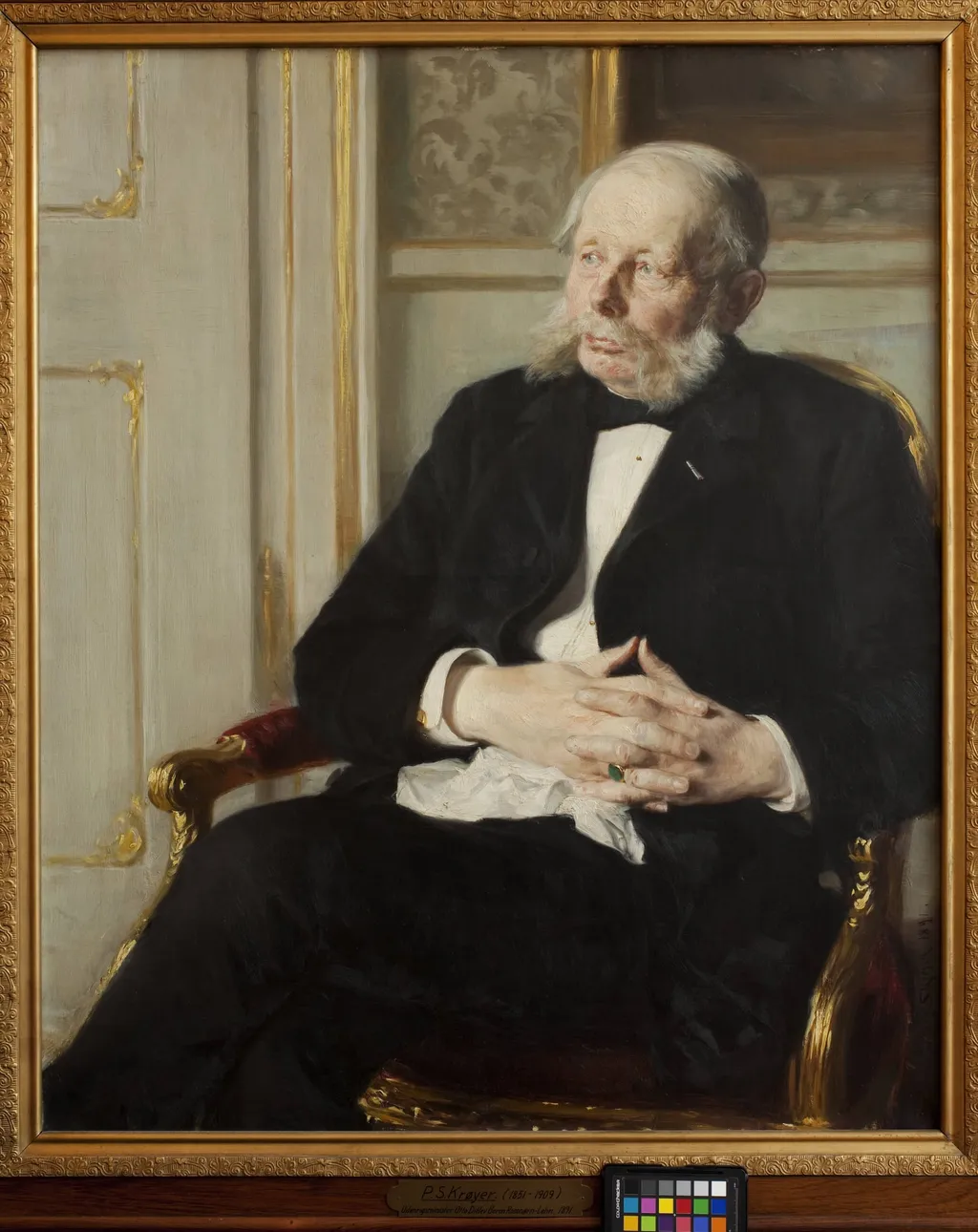
Baron Otto Ditlev Rosenørn-Lehn is a photography by the Impressionist artist Unknown. It dates from 1891 and is held in the collection of the Statens Museum for Kunst.
About this work
Overview
It resides in the Museum of Ethnography, where it is preserved as part of a collection documenting 19th-century Danish elite culture.
Painted in 1891, this portrait depicts Baron Otto Ditlev Rosenørn-Lehn, a Danish nobleman, in formal attire. The work is attributed to an artist associated with the Danish Realist tradition. It resides in the Museum of Ethnography, where it is preserved as part of a collection documenting 19th-century Danish elite culture. The composition emphasizes stillness and dignity, avoiding theatricality in favor of quiet observation.
Subject & Meaning
The baron is portrayed seated, dressed in a black suit with a white bow tie, conveying status through restrained elegance. His hands rest on a white cloth, suggesting composure and refinement. The serious expression and direct gaze invite contemplation rather than emotional engagement. The plain background and minimal props reinforce a sense of private introspection, aligning with ideals of aristocratic gravitas in late 19th-century Denmark.
Technique & Style
The artist employs soft, controlled brushwork to render the play of light across the baron’s face and hands, creating a tactile sense of skin and fabric. The palette is muted, dominated by grays, blacks, and subtle earth tones. Background elements—the faint outline of a small painting and green curtains—are rendered with deliberate ambiguity, ensuring visual focus remains on the figure. This approach reflects a commitment to observational realism over decorative flourish.
History & Provenance
The portrait was completed in 1891 and entered the collection of the Museum of Ethnography shortly thereafter. Its presence there, rather than in a fine arts institution, suggests its value as a cultural artifact representing social hierarchy and personal identity in Denmark’s upper class. No record of prior private ownership or exhibition history is widely documented, indicating it may have been donated directly by the family.
Context
In late 19th-century Denmark, portraiture served as a means of affirming social standing amid rapid modernization. The baron’s image aligns with a broader trend of dignified, unembellished representation favored by the landed aristocracy. Unlike romanticized depictions of nobility, this work reflects a shift toward psychological restraint and material simplicity, mirroring broader cultural values of sincerity and understated authority.
Legacy
The portrait remains a quiet example of Danish Realist portraiture, valued for its unadorned fidelity to its subject. It contributes to scholarly understanding of how elite identity was visually constructed during a period of societal transition. While not widely exhibited outside its home institution, it continues to serve as a reference point for studies on class, representation, and the evolution of Danish visual culture.
Artist & collection

 Domestic Scene
 Giacomo and Cardinal Marco, investing Andrea, Abbot of San Zeno, with his Benefice
 The Nymph of Fontainebleau
 Portrait of a Woman
 Madonna and Child with Saints in the Enclosed Garden
 Venus and Minerva
 Family Group of Four on Sofa
 Wall painting from Room H of the Villa of P. Fannius Synistor at Boscoreale
 Portrait of Teodor Rygier, sculptor
 Portrait of a man
 Portrait of professor Aleksander Jabłonowski
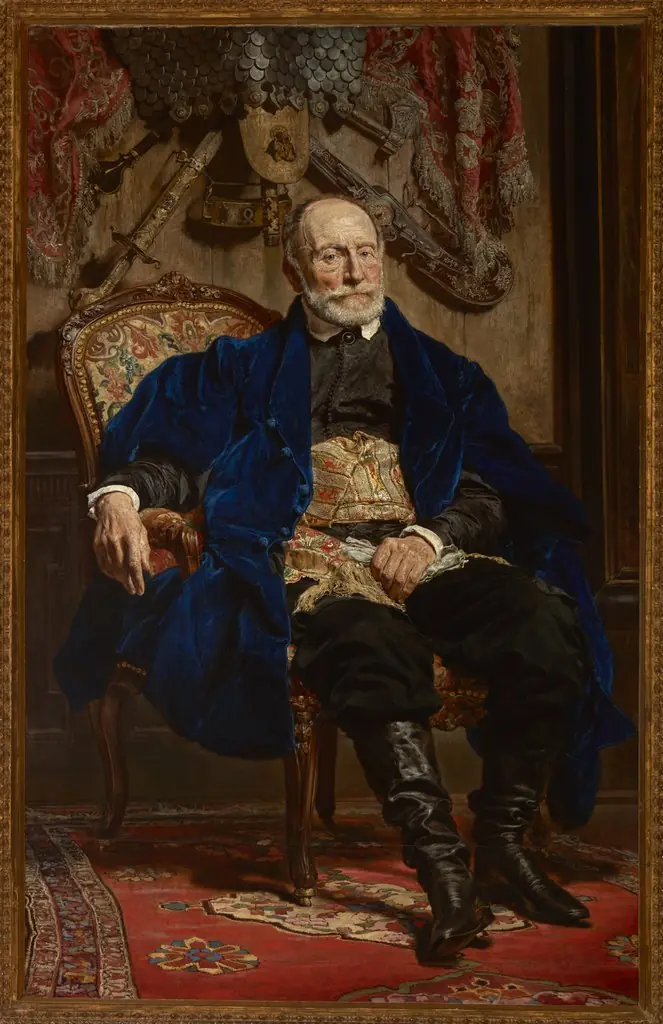 Portrait of Piotr Moszyński
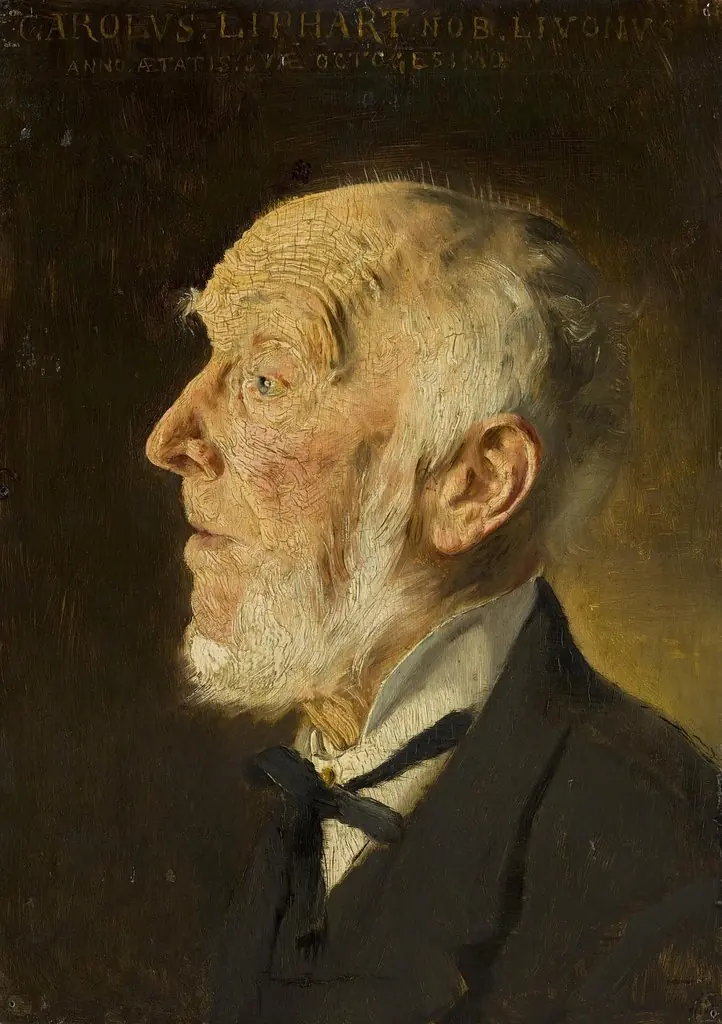 Portrait of Karl Liphart
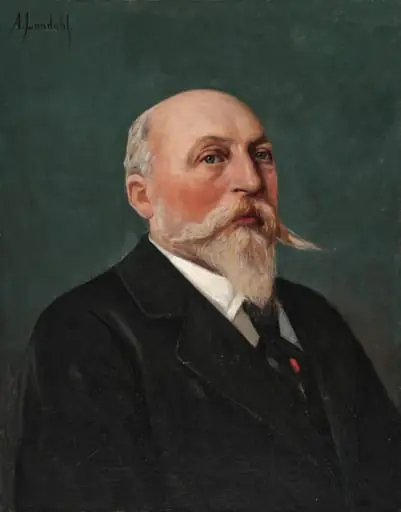 Otto Roland Mellin
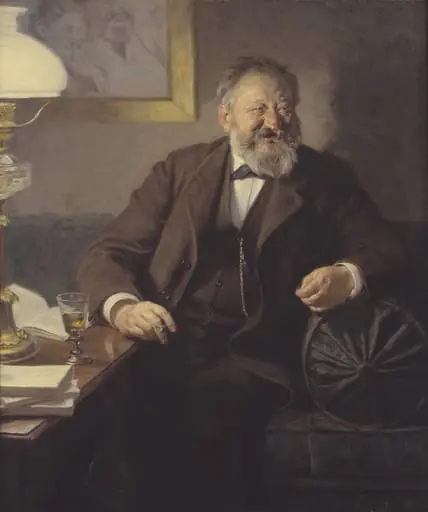 The Author Sophus Schandorph
 Portrait of Johan Philip van der Kellen (1831-1906). Director of the Rijksprentenkabinet (1876-96)
 Dr. Thaddäus Vita
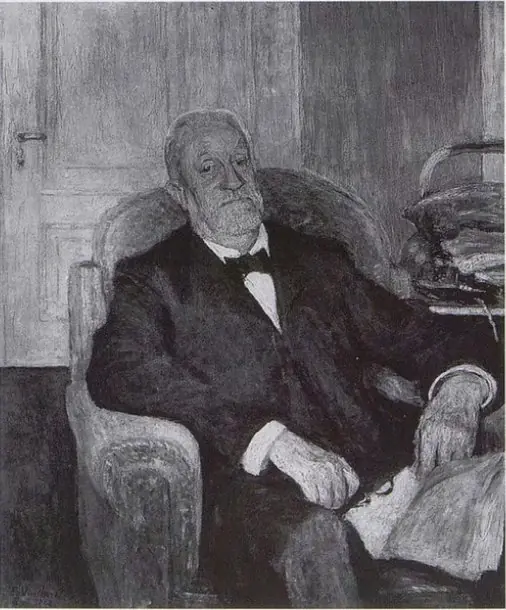 Portrait du sénateur Heinrich Roscher, assis
 Portrait of a Man
 Baron Otto Ditlev Rosenørn-Lehn