Artwork
Portrait of a Man
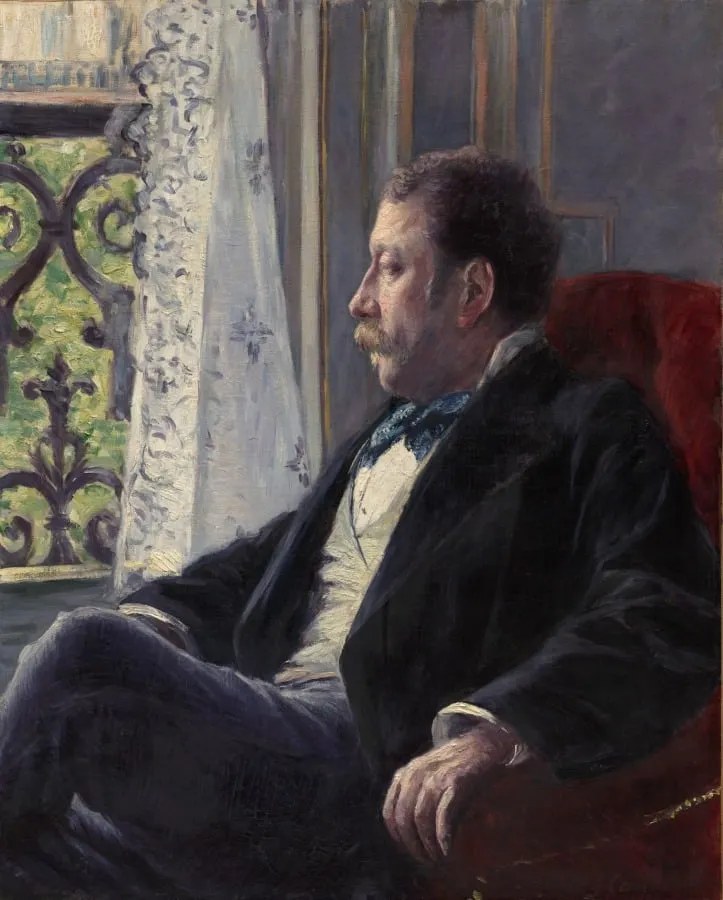
Portrait of a Man is an unspecified painting by the Impressionist artist Gustave Caillebotte. It dates from 1880 and is held in the collection of the Cleveland Museum of Art.
About this work
The light feels natural, almost casual, as if the artist caught a quiet moment between two people who knew each other well.
A man in a dark suit leans against a balcony railing, Paris spreading out behind him. His hands are relaxed, his gaze steady—like he’s just paused mid-conversation.
This isn’t a stiff, formal portrait. The setting is Caillebotte’s own apartment, where he painted friends lounging in their everyday lives. The light feels natural, almost casual, as if the artist caught a quiet moment between two people who knew each other well.
To see more of Caillebotte’s Paris scenes, look up *Gustave Caillebotte (French, 1848–1894)*.
Overview
Portrait of a Man is a painting by Gustave Caillebotte depicting a figure from his social circle.
Subject & Meaning
The subject, identified as Albert Courtier, is shown in a relaxed pose on a balcony, suggesting a familiar and informal relationship with the artist. Courtier's calm demeanor and unguarded gaze imply a level of comfort and trust.
Technique & Style
The painting features a naturalistic use of light and a candid portrayal of the subject, capturing a quiet moment between two acquaintances. The setting, Caillebotte's own apartment, adds to the sense of informality.
History & Provenance
The portrait was painted in Caillebotte's apartment at 31 boulevard Hausmann in Paris, which he shared with his brother Martial. Courtier had a close relationship with Caillebotte, posing for him multiple times and owning several of his works.
Artist & collection
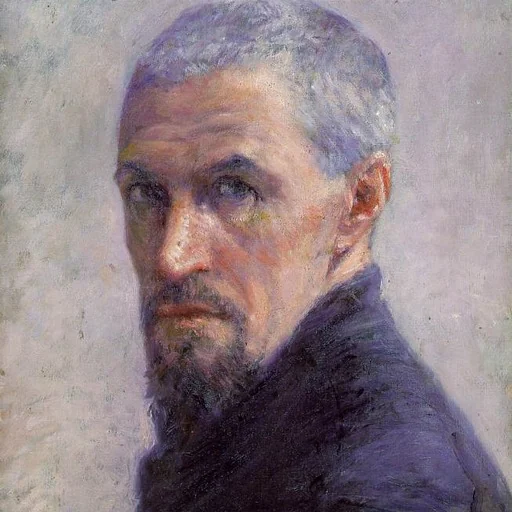
Artist
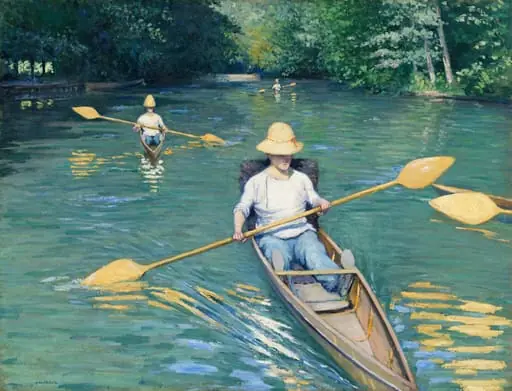
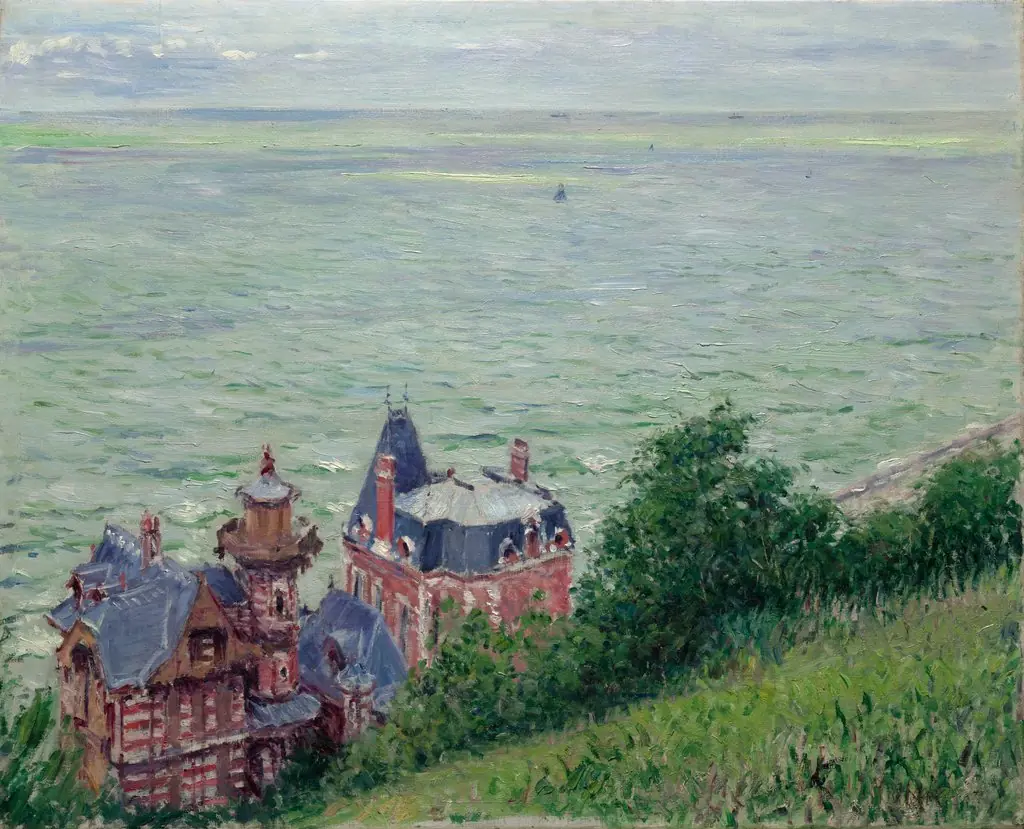
Gustave Caillebotte (French: ; 19 August 1848 – 21 February 1894) was a French painter who was a member and patron of the Impressionists, although he painted in a more realistic manner than many others in the group.

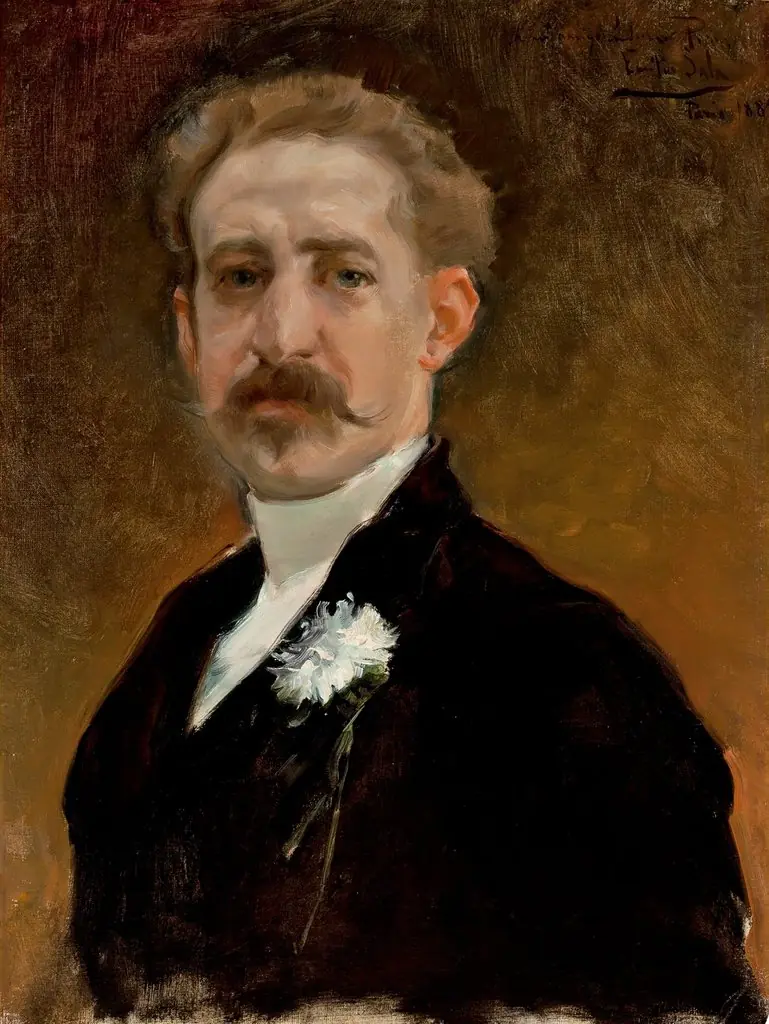 Jacinto Octavio Picón
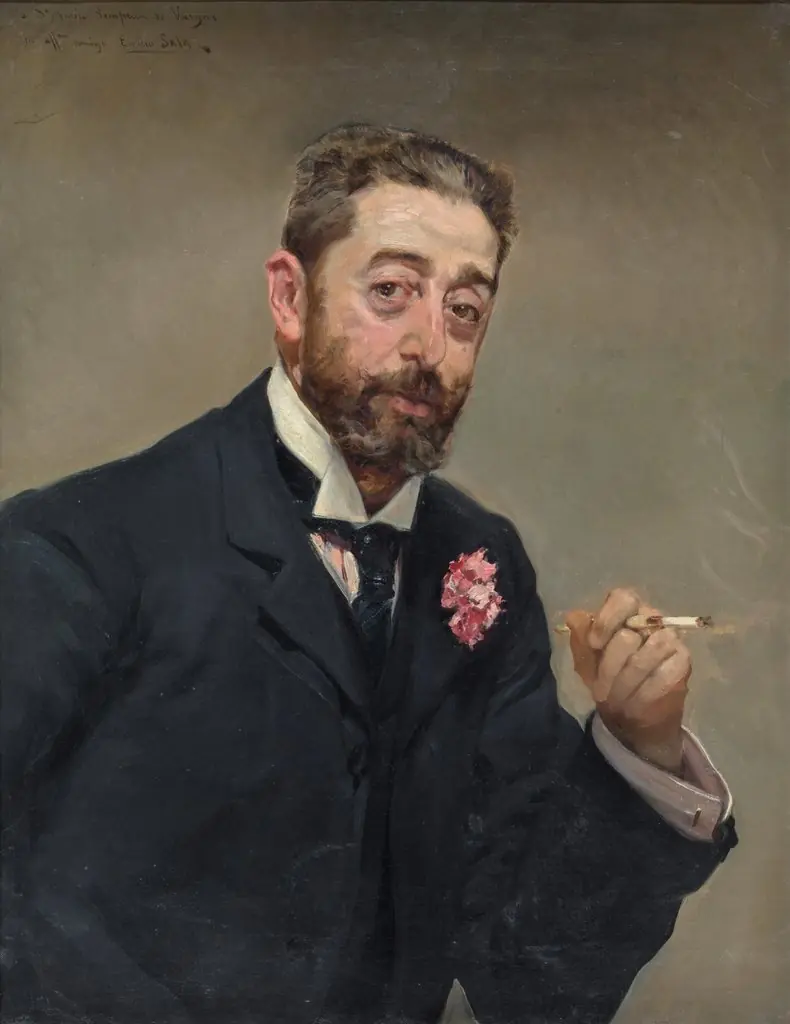 Rafael de Vargas y de Oviedo
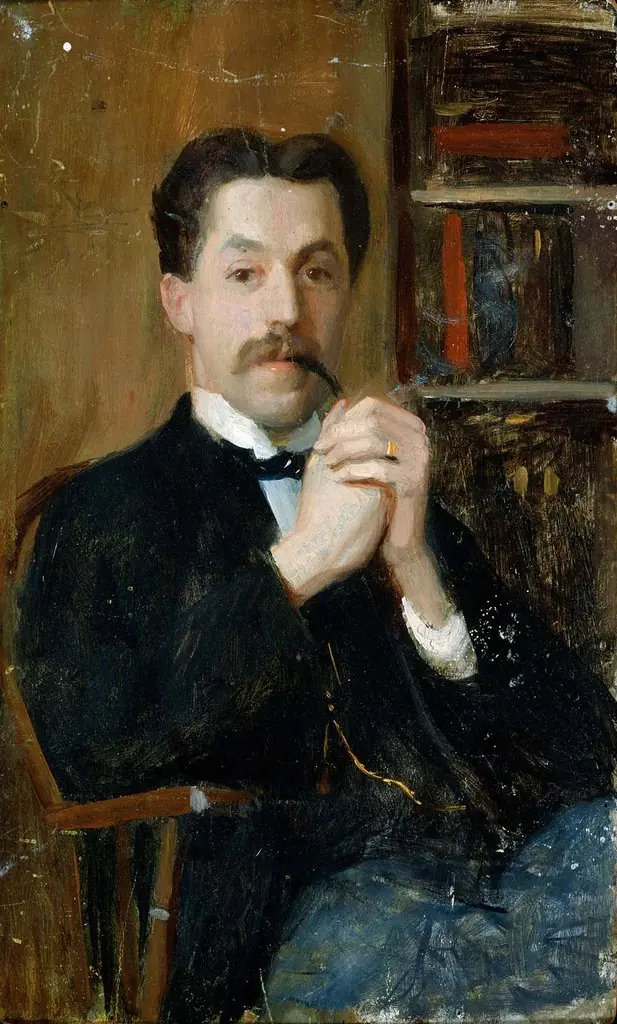 George H. Williams
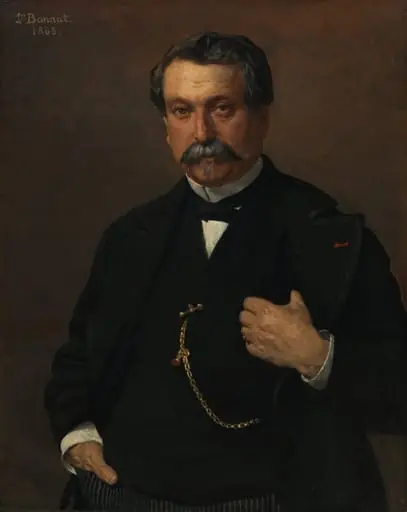
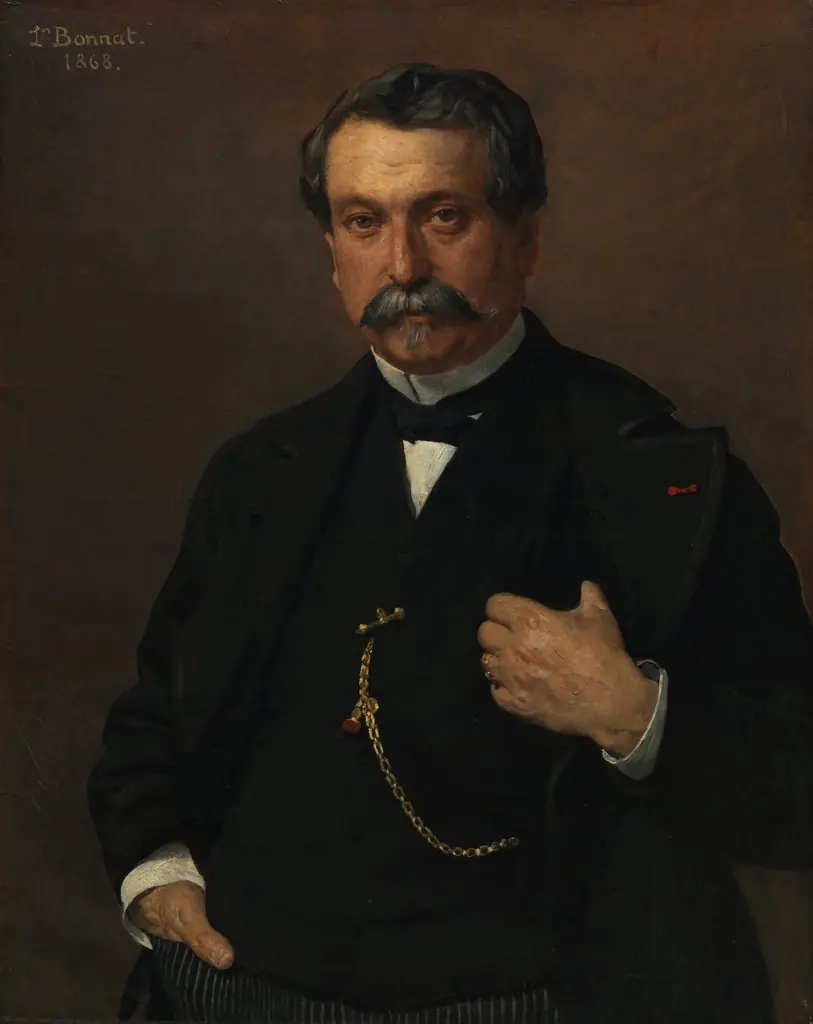 Portrait of Jean Léglise, Merchant, Mayor of Saint-Martin-de-Seignanx
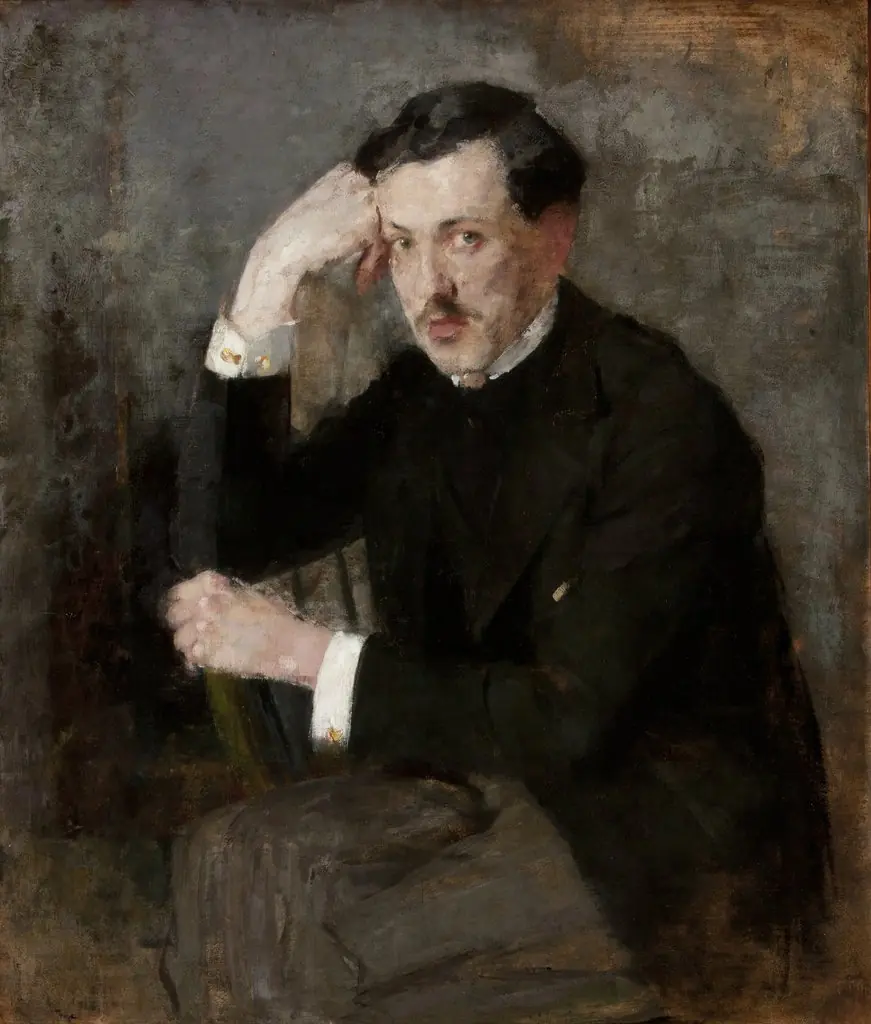 Portrait of Józef Czajkowski
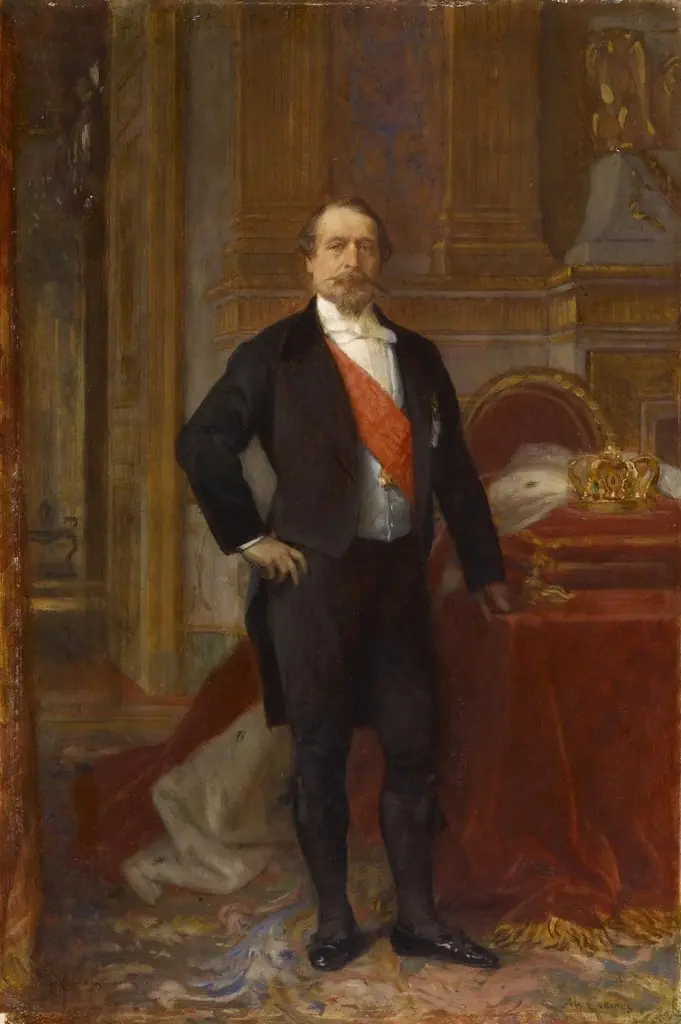 Napoleon III
 Baron Otto Ditlev Rosenørn-Lehn
 Eero Järnefeltin muotokuva
 Baron Otto Ditlev Rosenørn-Lehn
 José Tomás Salvany
 Portrait of Jean Léglise, Merchant, Mayor of Saint-Martin-de-Seignanx
 Portretul lui Anastase Simu