Artwork
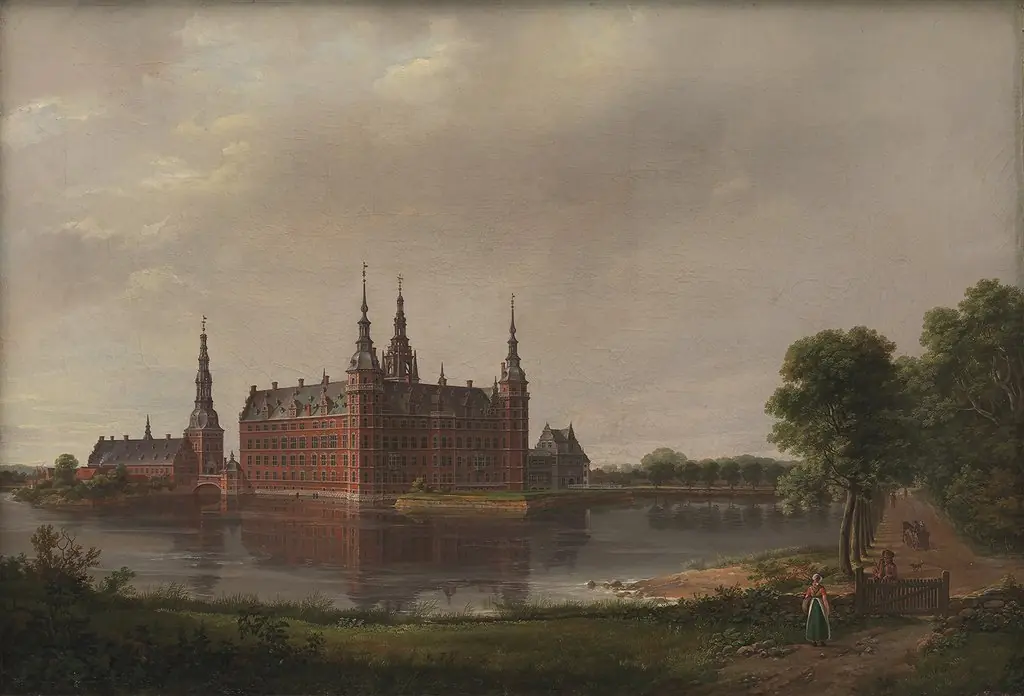
Frederiksborg Castle Seen from the Northwest
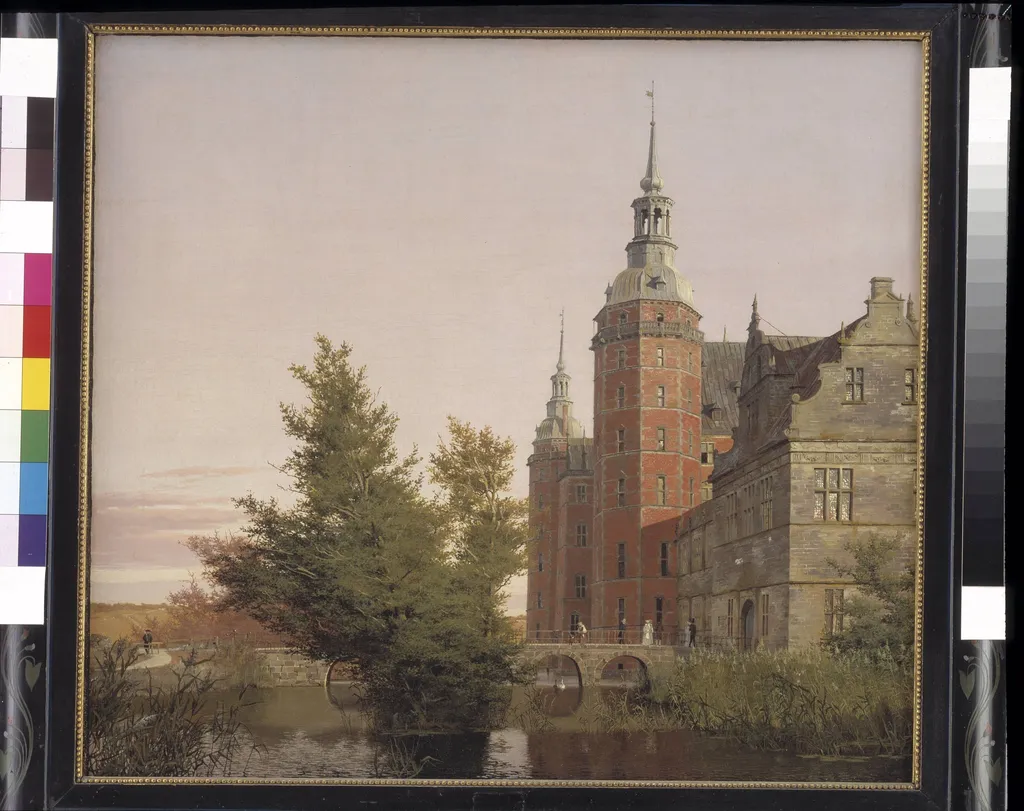
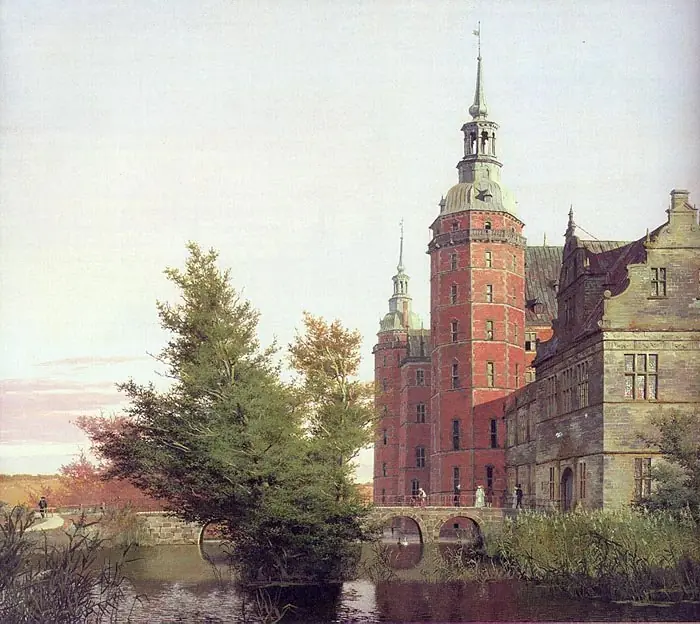
Frederiksborg Castle Seen from the Northwest is a photography by the Romanticist artist Unknown. It dates from 1836 and is held in the collection of the Statens Museum for Kunst. Painted in 1836, this landscape depicts Frederiksborg Castle as viewed from the northwest.
About this work
Overview
The composition emphasizes scale and serenity, aligning with 19th-century tendencies to frame historical architecture within natural settings.
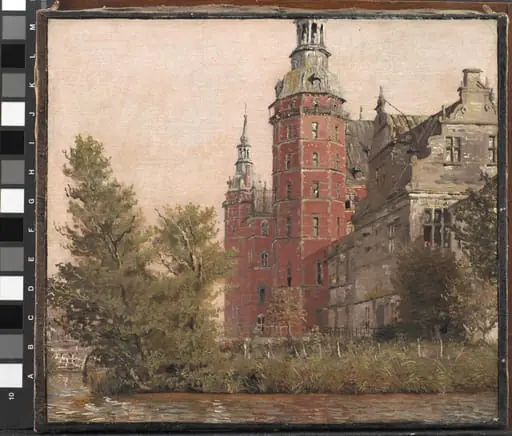
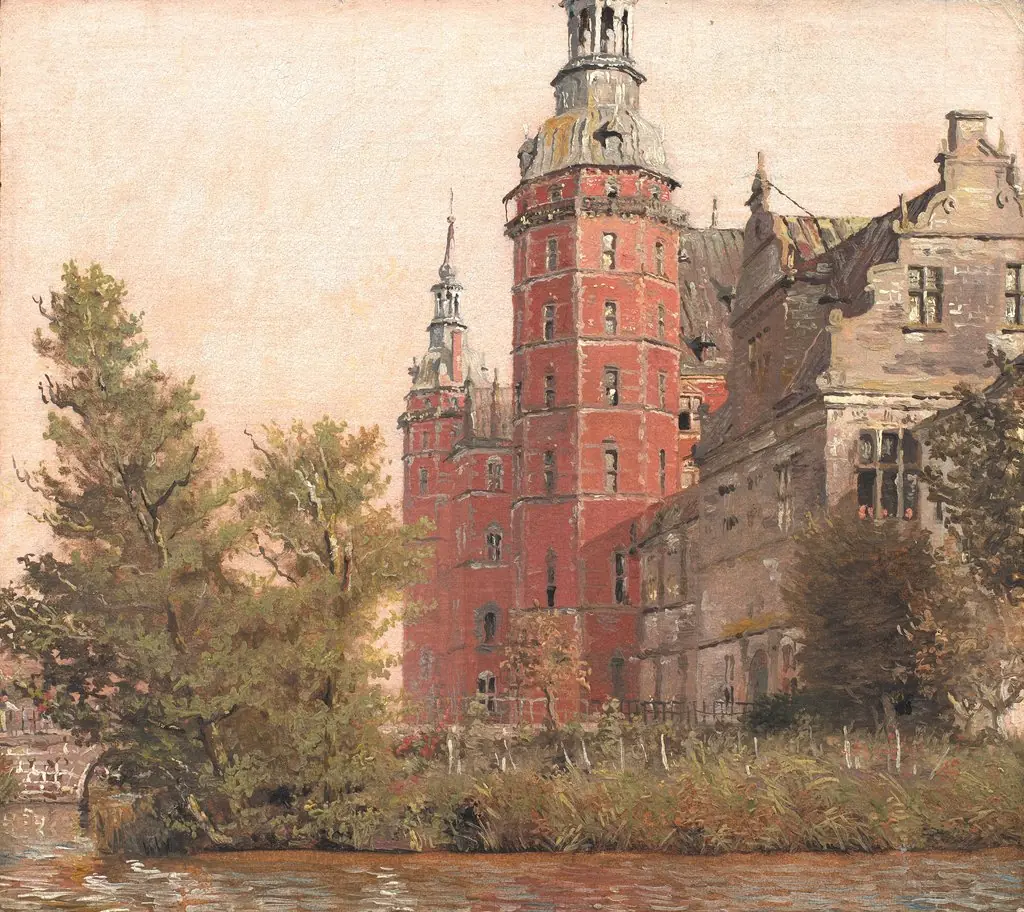
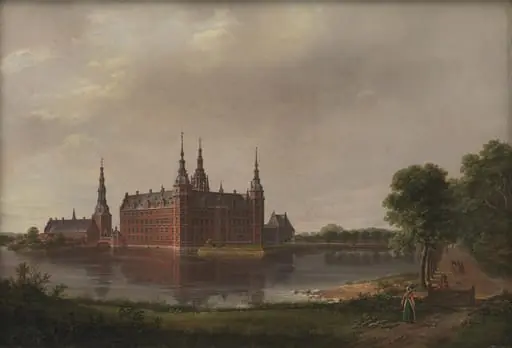
Painted in 1836, this landscape depicts Frederiksborg Castle as viewed from the northwest. The work captures the castle’s imposing red-brick architecture against a muted sky, with a bridge crossing a quiet stretch of water. Figures move subtly along the path, grounding the scene in quiet daily life. The composition emphasizes scale and serenity, aligning with 19th-century tendencies to frame historical architecture within natural settings.
Subject & Meaning
The castle, once a royal residence, stands as a symbol of Denmark’s past. Its presence, framed by trees and water, suggests a contemplative relationship between human achievement and the natural world. The sparse human figures imply solitude rather than grandeur, inviting reflection on time’s passage. The scene avoids overt nationalism, instead offering a quiet meditation on endurance and decay.
Technique & Style
The artist employs soft brushwork and a restrained palette of ochres, grays, and pale blues to evoke atmospheric calm. Light is diffused, casting gentle shadows across the castle’s façade and surrounding foliage. Details like windows and rooflines are rendered with precision but without theatricality, favoring harmony over drama. The balance between architectural solidity and organic softness reflects Romantic-era sensibilities.
History & Provenance
The painting entered the collection of the Museum of Ethnography in the 19th century, though its origins as a work of Danish landscape art are distinct from the museum’s typical ethnographic holdings. Its presence there suggests an early interest in cultural artifacts tied to national identity, even if the medium was painting rather than material culture. Its acquisition likely coincided with growing public interest in Denmark’s architectural heritage.
Context
In the 1830s, Denmark experienced a revival of interest in its medieval and Renaissance past, spurred by Romantic ideals. Artists increasingly turned to historic buildings as subjects, often portraying them in tranquil, natural settings to evoke emotional resonance. This painting aligns with that movement, reflecting a cultural moment when national history was being reimagined through landscape rather than political narrative.
Legacy
Though not widely exhibited today, the work remains a quiet example of early Danish Romantic landscape painting. It contributes to a broader understanding of how 19th-century artists engaged with heritage—not through glorification, but through understated observation. Its placement in an ethnographic museum underscores shifting ideas about what constitutes cultural record, bridging art and historical memory.
Artist & collection

 Domestic Scene
 Giacomo and Cardinal Marco, investing Andrea, Abbot of San Zeno, with his Benefice
 The Nymph of Fontainebleau
 Portrait of a Woman
 Madonna and Child with Saints in the Enclosed Garden
 Venus and Minerva
 Family Group of Four on Sofa
 Wall painting from Room H of the Villa of P. Fannius Synistor at Boscoreale