Artwork
Frederiksborg Castle
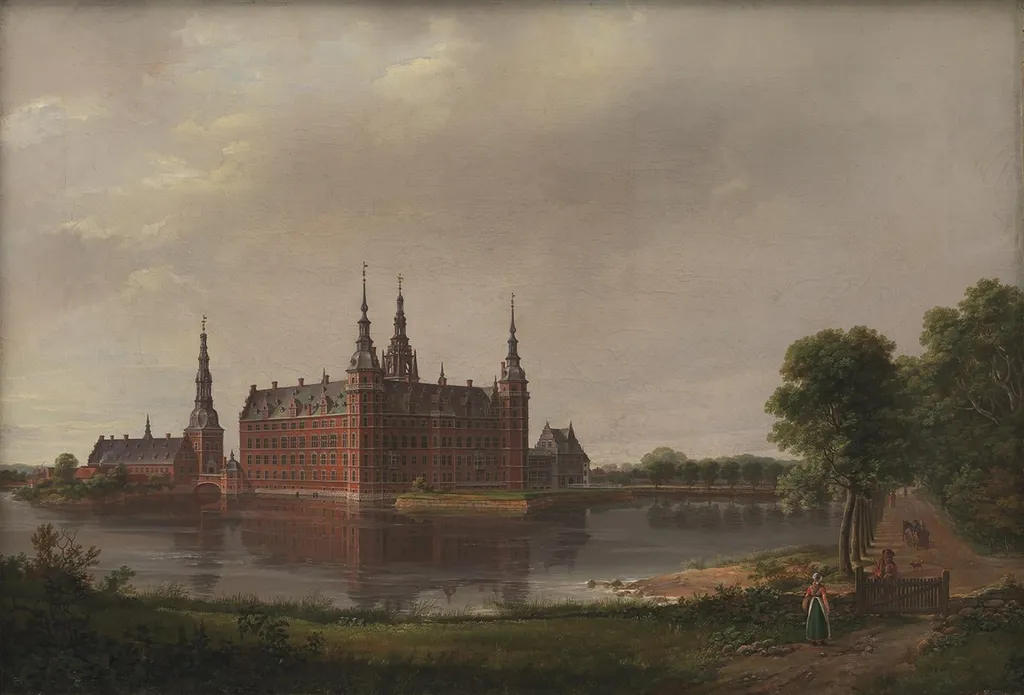
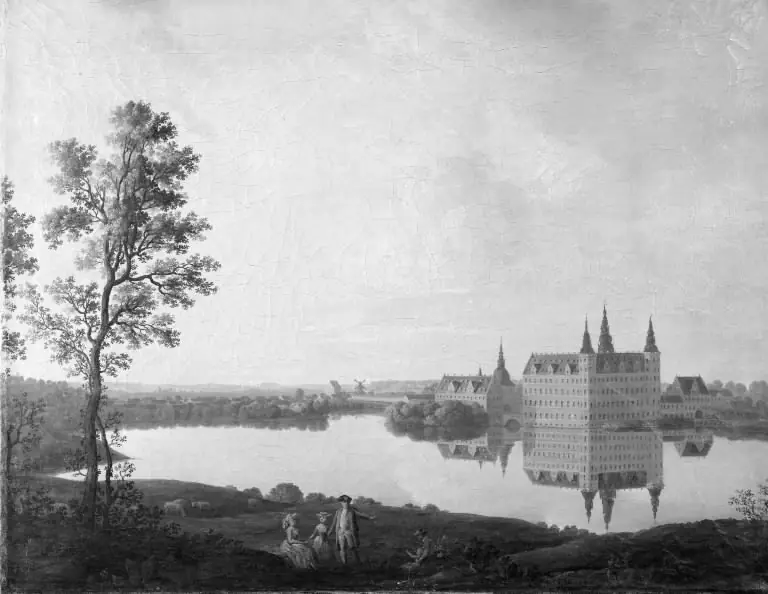
Frederiksborg Castle is a photography by the Romanticist artist Unknown. It dates from 1817 and is held in the collection of the Statens Museum for Kunst.
About this work
Overview
Painted in 1817, this work depicts Frederiksborg Castle in Denmark, rendered with precise detail and atmospheric depth.
Painted in 1817, this work depicts Frederiksborg Castle in Denmark, rendered with precise detail and atmospheric depth. The artist captures the structure as it rises from a still lake, its red-brick façade mirrored in the water. Surrounding trees and scattered figures anchor the scene in quiet observation. The cloudy sky enhances the castle’s presence without dramatic contrast, reflecting a restrained Romantic sensibility focused on contemplation rather than spectacle.
Subject & Meaning
Frederiksborg Castle, once a royal residence, is portrayed not as a symbol of power but as a serene, enduring presence within nature. The reflection in the lake suggests duality—between land and water, reality and image—inviting quiet reflection. The few human figures are incidental, emphasizing the building’s autonomy in the landscape. The scene conveys a sense of timelessness, aligning with early 19th-century ideals that valued historical architecture as part of a natural, unspoiled world.
Technique & Style
The artist employs fine brushwork to render textures: the roughness of brick, the softness of grass, the smoothness of water. Color is muted, dominated by earth tones and gray skies, with the castle’s red hue providing subtle contrast. The composition balances symmetry and naturalism, with the bridge guiding the eye toward the structure. Atmospheric perspective softens distant elements, enhancing depth without artificial drama, characteristic of early Romantic landscape painting.
History & Provenance
The painting entered the collection of the Museum of Ethnography shortly after its creation, likely as part of a broader effort to document European architectural heritage. Its placement in an ethnographic institution, rather than a fine arts museum, suggests an early interest in cultural artifacts as records of national identity. The work has remained in the museum’s holdings since the 19th century, with no record of significant relocation or ownership change.
Context
Created during the rise of Romanticism in Northern Europe, the painting reflects a growing fascination with historical buildings and natural landscapes as vessels of collective memory. While contemporaries like Caspar David Friedrich emphasized solitude and sublime awe, this work opts for quiet observation. It aligns with Danish artists of the period who sought to define national character through depictions of enduring landmarks, not myth or heroism.
Legacy
Though not widely reproduced or exhibited beyond its institutional home, the painting remains a quiet example of early Romantic landscape practice in Denmark. It contributes to a body of work that shifted focus from grand narratives to the poetic dignity of place. Its preservation in an ethnographic context underscores its role as both artistic and documentary, offering insight into how 19th-century audiences perceived heritage and environment as intertwined.
Artist & collection

 Domestic Scene
 Giacomo and Cardinal Marco, investing Andrea, Abbot of San Zeno, with his Benefice
 The Nymph of Fontainebleau
 Portrait of a Woman
 Madonna and Child with Saints in the Enclosed Garden
 Venus and Minerva
 Family Group of Four on Sofa
 Wall painting from Room H of the Villa of P. Fannius Synistor at Boscoreale
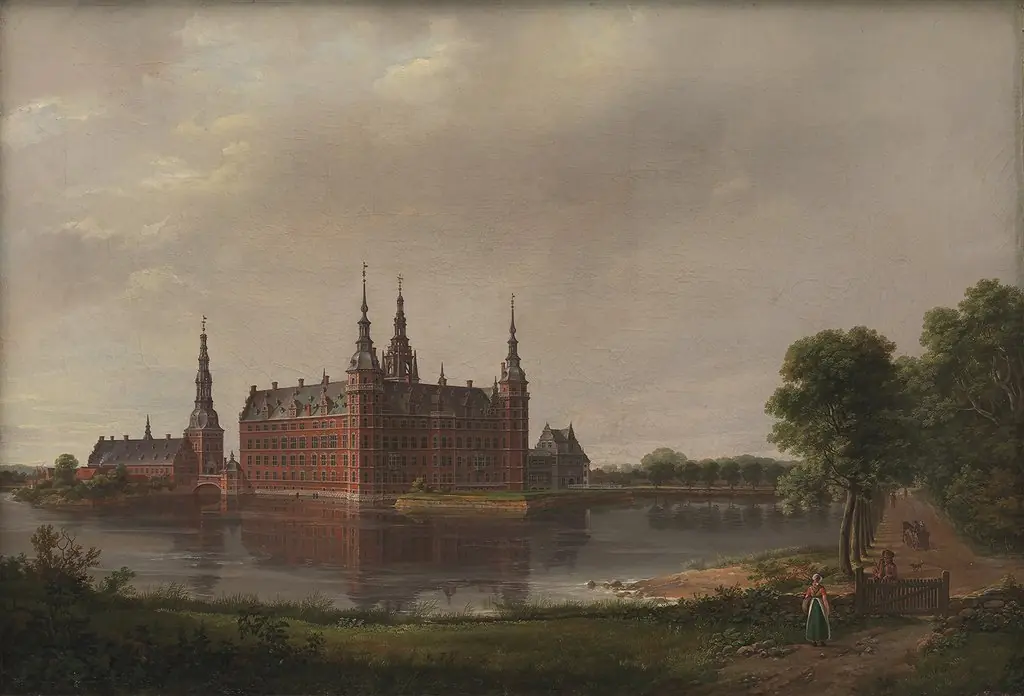 Frederiksborg Castle
 Frederiksborg Castle by Moonlight
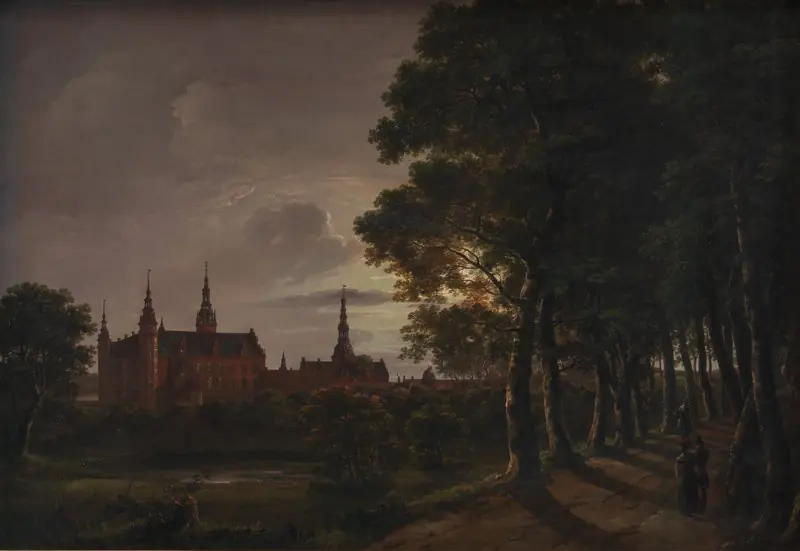 Frederiksborg Castle by Moonlight
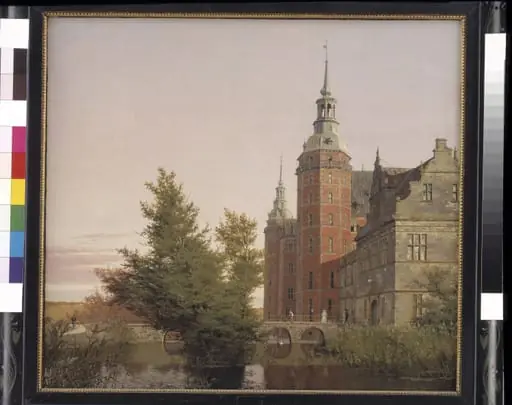 Frederiksborg Castle Seen from the Northwest
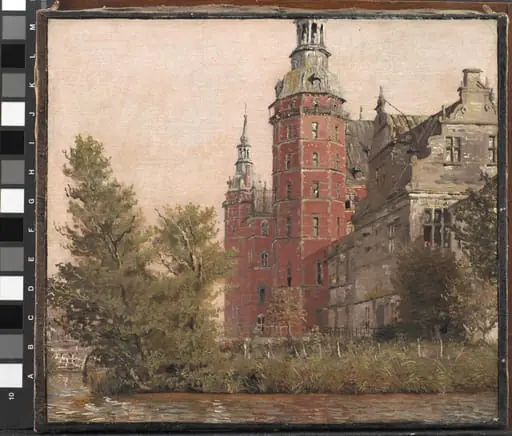 Frederiksborg Castle seen from the Northwest. Study
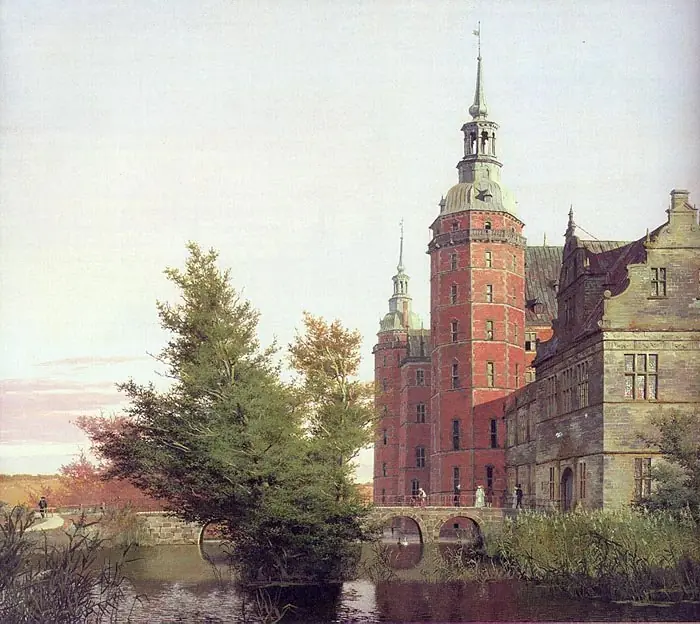 Frederiksborg Castle Seen from the Northwest
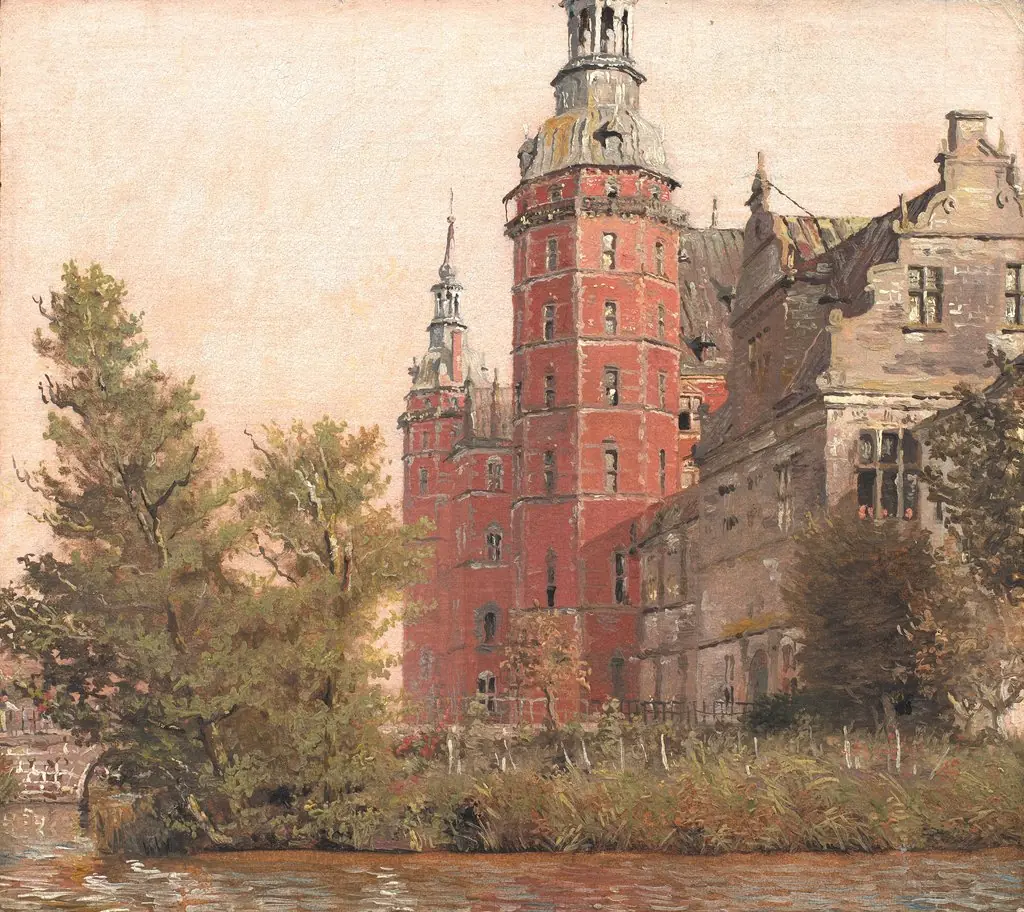 Frederiksborg Castle seen from the Northwest. Study
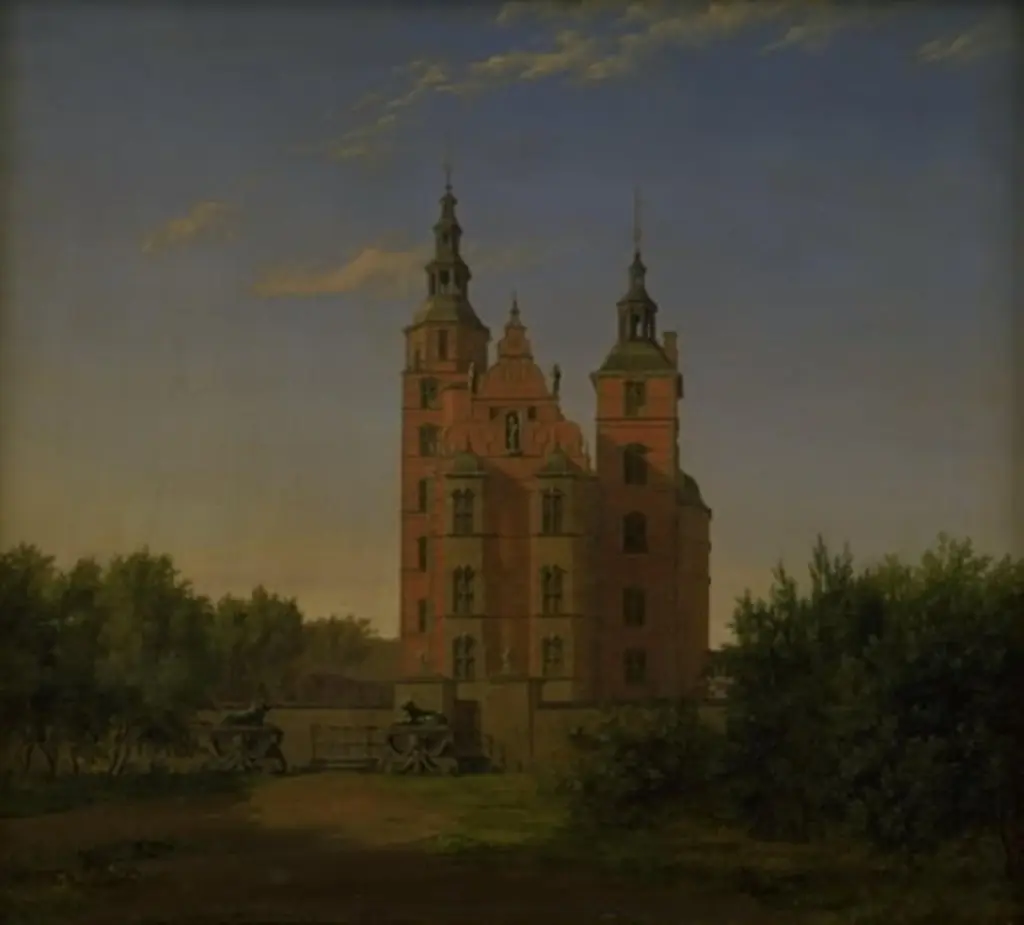 Rosenborg Castle
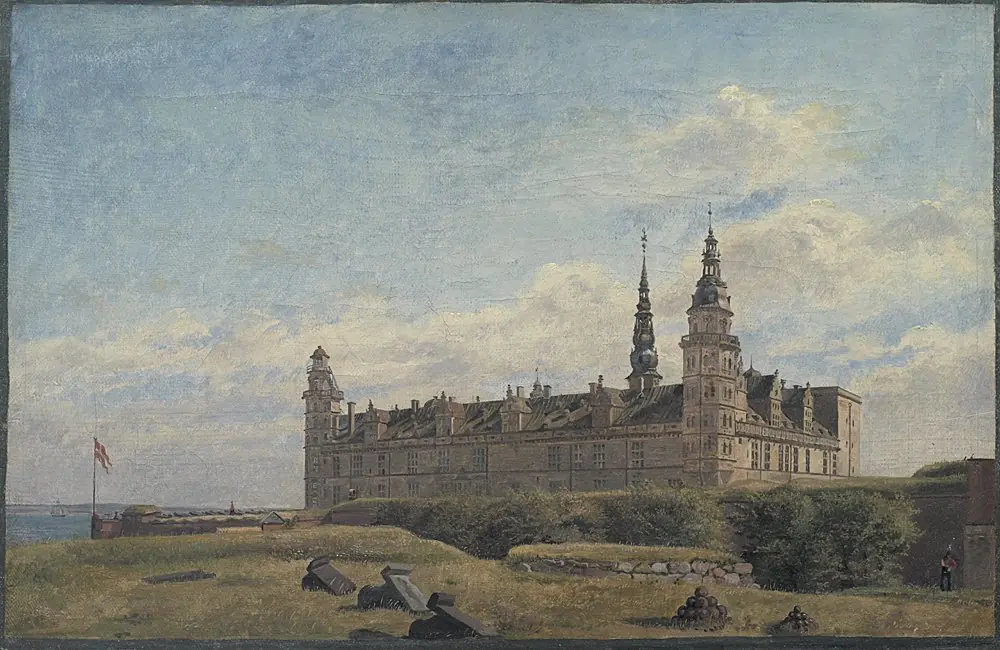 Kronborg Castle
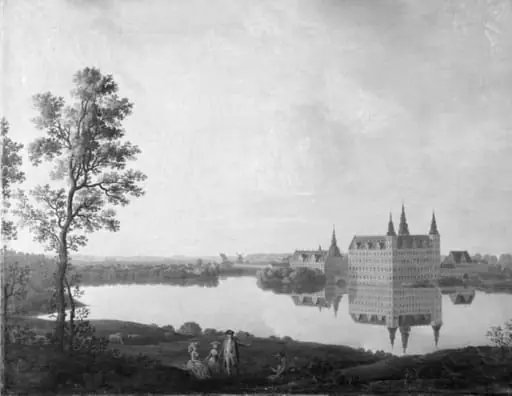 Frederiksborg Slot
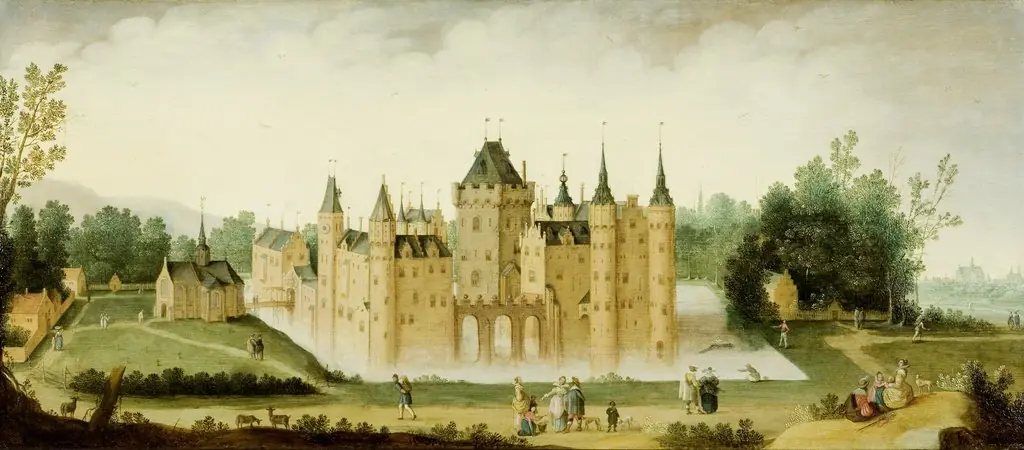 View of the Castle of Egmond aan den Hoef
 Frederiksborg Slot