Artwork
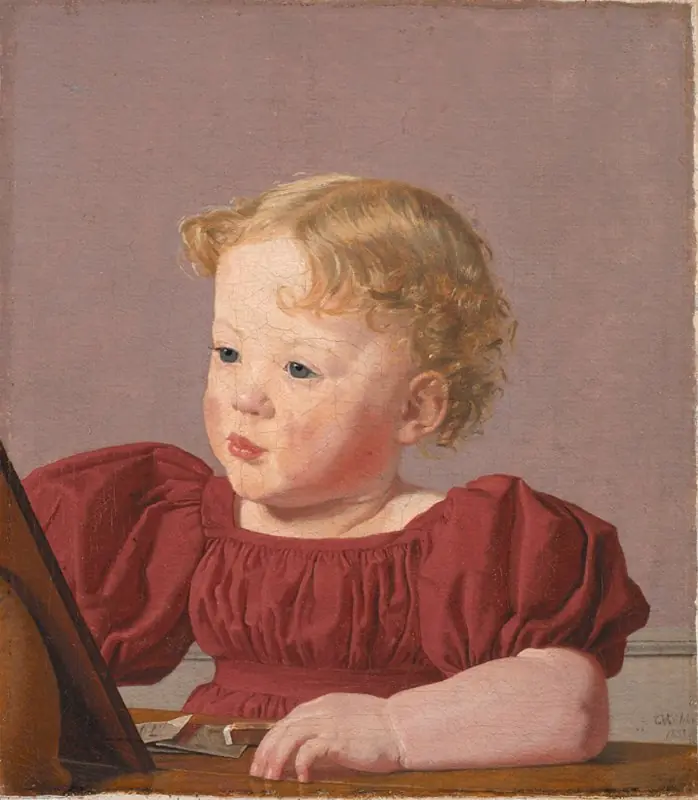
Ida Thiele, the future Mrs Wilde, as a Child
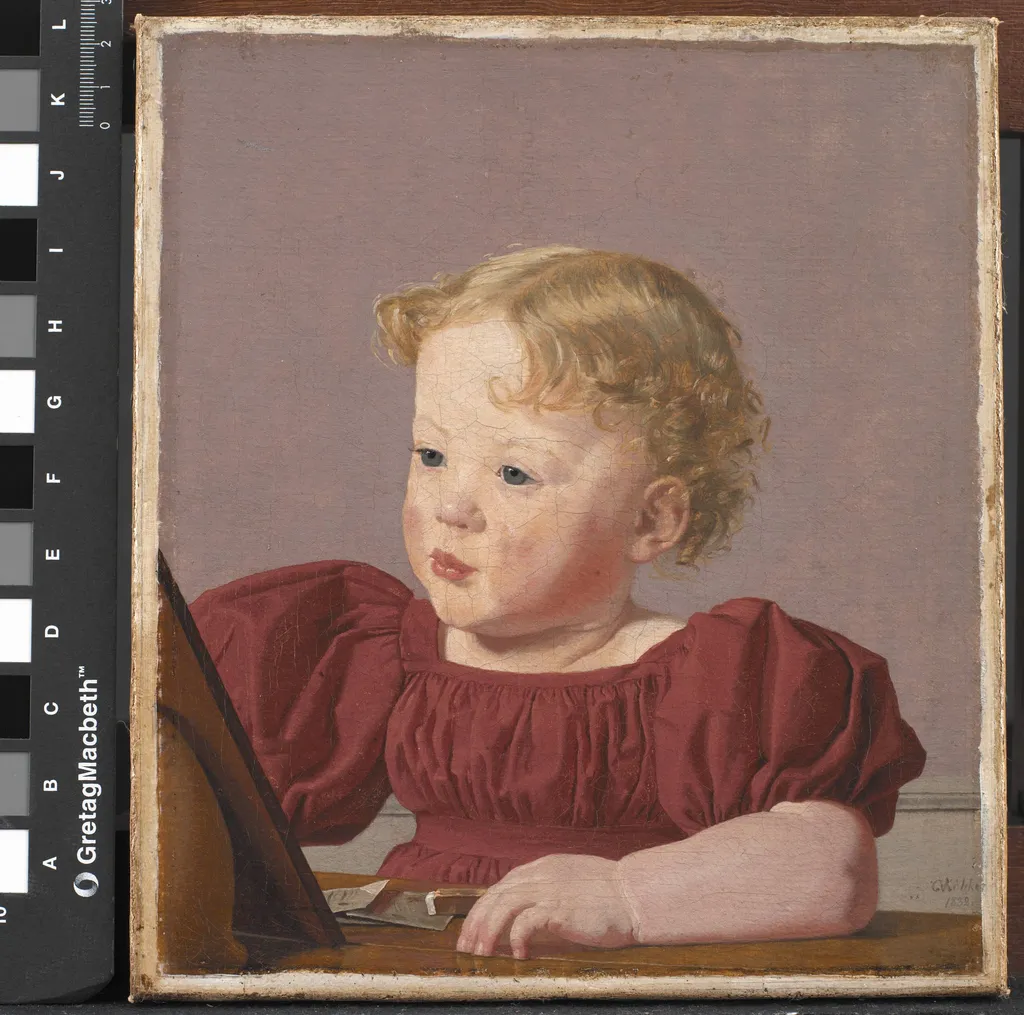
Ida Thiele, the future Mrs Wilde, as a Child is a photography by the Romanticist artist Unknown. It dates from 1832 and is held in the collection of the Statens Museum for Kunst. This portrait depicts Ida Thiele as a young girl, painted in 1832 by an artist whose name is not recorded.
About this work
The background is a plain pinkish color, and the child sits slightly turned, resting one arm on a dark surface.
This painting shows a young child with light hair and bright eyes, wearing a red dress. The background is a plain pinkish color, and the child sits slightly turned, resting one arm on a dark surface. The brushstrokes are loose, especially in the hair and clothing.
The painting looks like it was made in 1832, but it’s actually a photograph—something unusual for that time. The artist used soft lighting to highlight the child’s face, making it stand out.
Look up chiaroscuro next to see how artists used light and shadow like this.
Overview
This portrait depicts Ida Thiele as a young girl, painted in 1832 by an artist whose name is not recorded. Though visually resembling a painted portrait, the work is in fact a daguerreotype—an early photographic process rare in that era. It is held in the collection of the Museum of Ethnography, where its material distinction from contemporaneous paintings draws scholarly attention.
Subject & Meaning
Ida Thiele, later known as the wife of the Danish writer Johan Ludvig Heiberg, is portrayed in quiet stillness, her gaze directed just beyond the frame. The image captures her in childhood, before her public life, offering a private glimpse into a figure who would later be connected to Denmark’s literary circles. The composition avoids narrative, focusing instead on presence and individuality.
Technique & Style
The image employs soft, directional lighting to model the child’s face and hands, creating subtle tonal contrasts that enhance three-dimensionality. Loose rendering of the hair and fabric suggests an experimental approach to capturing texture. The plain pink background isolates the figure, emphasizing form over context. These choices reflect early photographic attempts to emulate painterly effects.
History & Provenance
Created in 1832, the daguerreotype predates the widespread adoption of photography in portraiture. It remained in private hands until entering the Museum of Ethnography’s collection, where its rarity as an early photographic portrait of a non-public figure contributed to its preservation. The identity of the photographer remains undocumented.
Context
In 1832, photography was in its infancy, with daguerreotypes only recently announced in France. Portraits were still dominated by painted miniatures and oil paintings. This image stands as an early example of photography being used for intimate, domestic portraiture rather than formal or scientific documentation, signaling a shift in visual culture.
Legacy
As one of the earliest photographic portraits of a Danish child, it illustrates the transition from painted to photographic representation in personal imagery. Its survival offers insight into how early photographers adapted compositional conventions from painting. Today, it serves as a historical artifact of both technological innovation and domestic visual practice.
Artist & collection

 Domestic Scene
 Giacomo and Cardinal Marco, investing Andrea, Abbot of San Zeno, with his Benefice
 The Nymph of Fontainebleau
 Portrait of a Woman
 Madonna and Child with Saints in the Enclosed Garden
 Venus and Minerva
 Family Group of Four on Sofa
 Wall painting from Room H of the Villa of P. Fannius Synistor at Boscoreale
 Portræt af Holger Aagaard Hammerich som 4-årig
 Lapsi ja nuori tyttö, muotokuvaluonnos
 Portrait of a Little Girl, Elise Købke, with a Cup in front of her
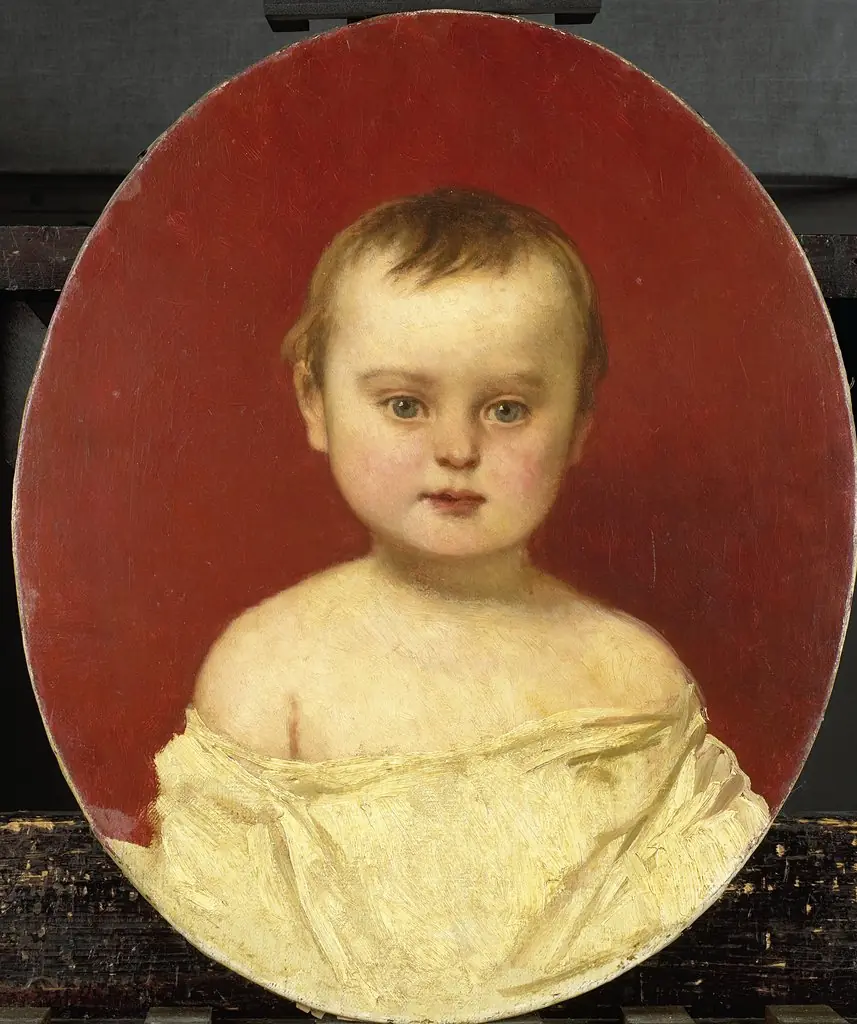 Henri Bernard van der Kolk at age 2
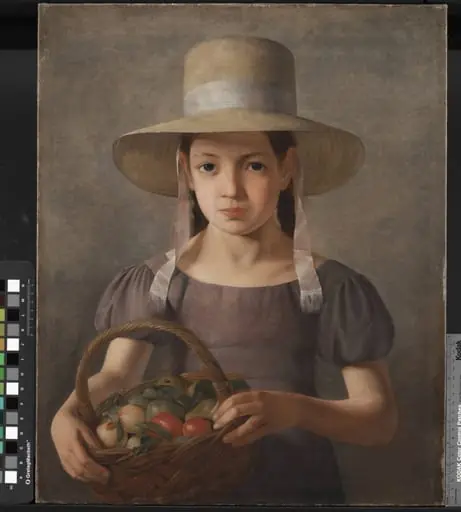 A Girl with Fruits in a Basket
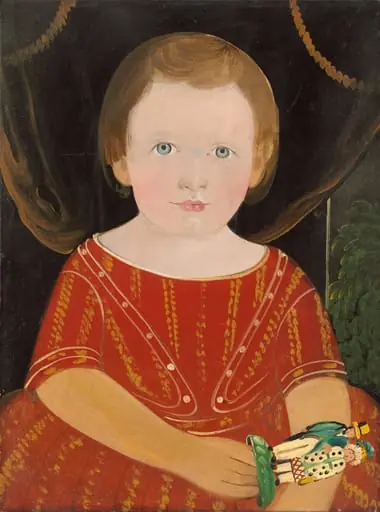 Master Cleeves
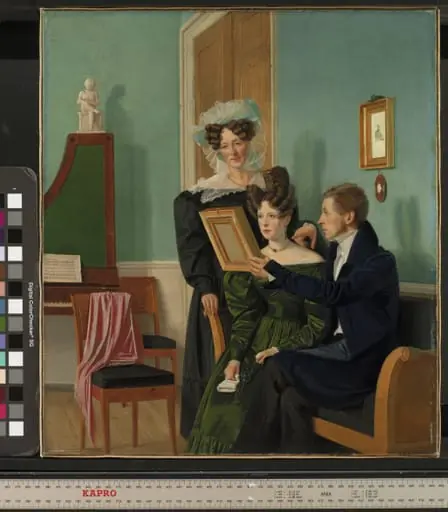 The Raffenberg Family
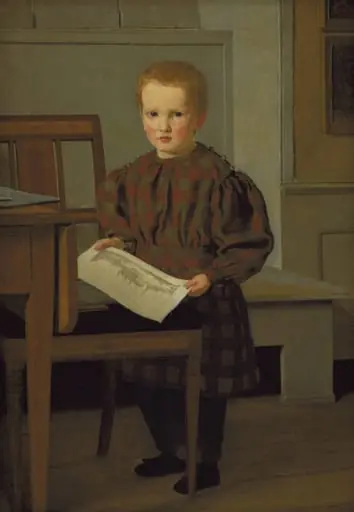 The Painter C.W. Eckersberg's Son Julius in his Fathers Studio
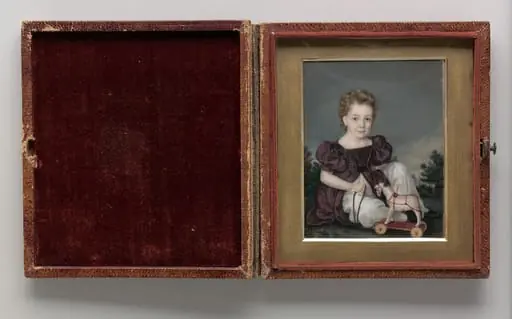 Portrait of a Boy
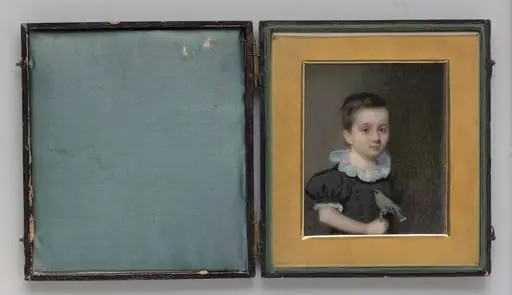 Henry Larcom Abbot
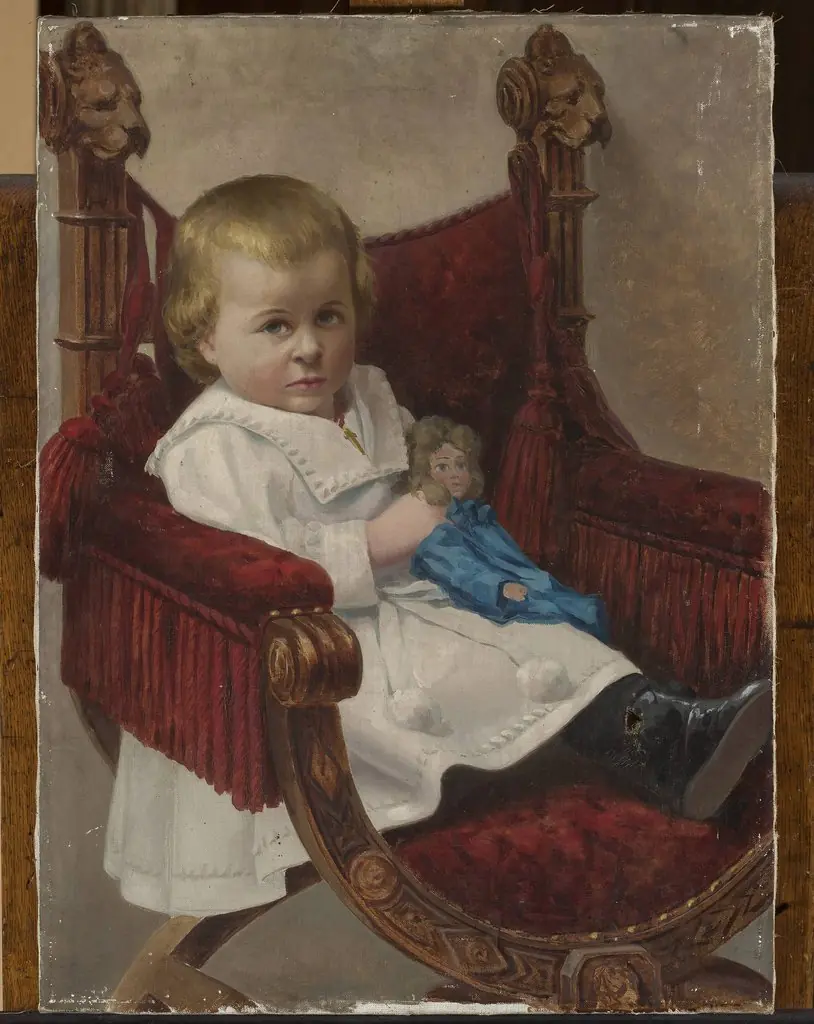 Child in an armchair
 Ida Thiele, the future Mrs Wilde, as a Child