Artwork
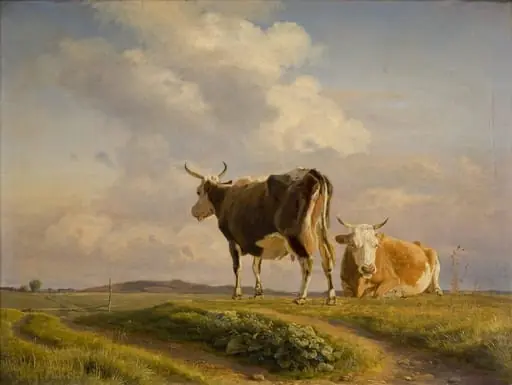
A Milking Place near Vognserup Manor, Zealand
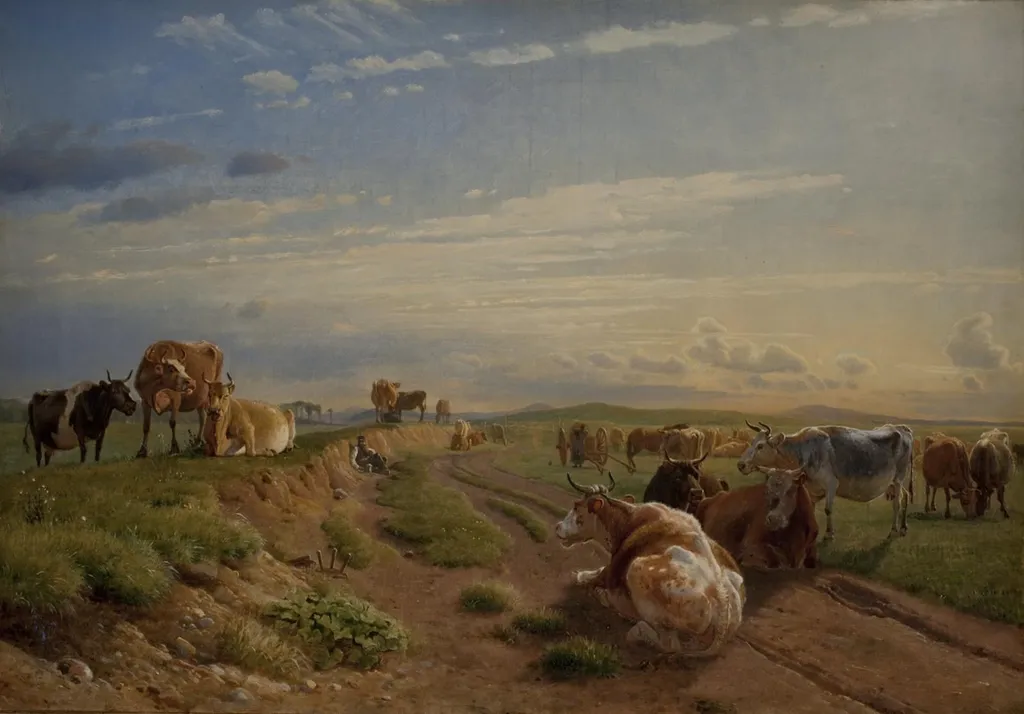
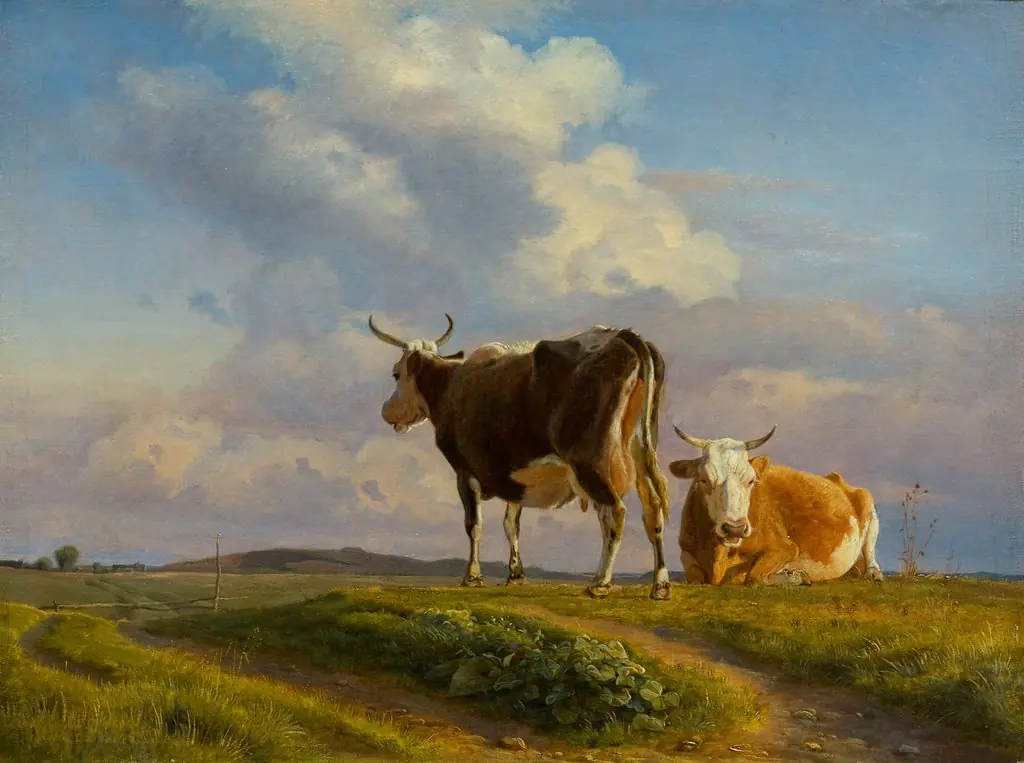
A Milking Place near Vognserup Manor, Zealand is a photography by the Romanticist artist Unknown. It dates from 1847 and is held in the collection of the Statens Museum for Kunst. Painted in 1847, this work depicts a tranquil rural scene near Vognserup Manor on the Danish island of Zealand.
About this work
Overview
The piece is part of the Museum of Ethnography’s collection, where it serves as a record of 19th-century Danish agrarian environments.
Painted in 1847, this work depicts a tranquil rural scene near Vognserup Manor on the Danish island of Zealand. It captures a moment of quiet agricultural life, with cows grazing and resting in an open field. The artist rendered the landscape with restrained tones and soft lighting, emphasizing stillness over drama. The piece is part of the Museum of Ethnography’s collection, where it serves as a record of 19th-century Danish agrarian environments.
Subject & Meaning
The scene centers on a solitary figure seated near a dirt path, observing a small herd of cows. No overt narrative is present—instead, the focus lies in the ordinary rhythm of rural labor. The figure’s passive posture suggests attentiveness rather than active work, reinforcing a sense of harmony between human and animal. The painting conveys dignity in everyday rural existence, without idealization or sentimentality.
Technique & Style
The artist employed a muted palette of greens, browns, and pale blues to evoke a subdued, atmospheric mood. Brushwork is loose yet deliberate, with soft transitions between land, sky, and animals. Light is diffused, suggesting an overcast day, and shadows are gently rendered to avoid contrast. These choices reflect a commitment to naturalism, aligning with broader trends in Nordic landscape painting of the period.
History & Provenance
Created in 1847, the painting entered the Museum of Ethnography’s holdings at an early date, likely as part of a broader effort to document Danish rural life. Its acquisition reflects 19th-century institutional interest in ethnographic records of agriculture and domestic practice. No significant changes in ownership are documented, and it has remained in the museum’s care since its initial acquisition.
Context
In mid-19th-century Denmark, interest in rural traditions grew alongside national romanticism and emerging ethnographic studies. While urban centers modernized, artists and scholars turned to the countryside as a site of cultural authenticity. This painting aligns with that movement, offering a quiet, unembellished view of farm life that contrasts with more dramatic historical or mythological subjects of the era.
Legacy
Though not widely exhibited outside Denmark, the work contributes to a modest but important corpus of Danish landscape paintings that prioritize observation over spectacle. It remains a reference for studies of rural life in 19th-century Scandinavia and exemplifies how everyday scenes were preserved as cultural artifacts, influencing later documentary approaches to regional identity.
Artist & collection

 Domestic Scene
 Giacomo and Cardinal Marco, investing Andrea, Abbot of San Zeno, with his Benefice
 The Nymph of Fontainebleau
 Portrait of a Woman
 Madonna and Child with Saints in the Enclosed Garden
 Venus and Minerva
 Family Group of Four on Sofa
 Wall painting from Room H of the Villa of P. Fannius Synistor at Boscoreale