Artwork
Ellen Roed, f. Jensen, kunstnerens moder
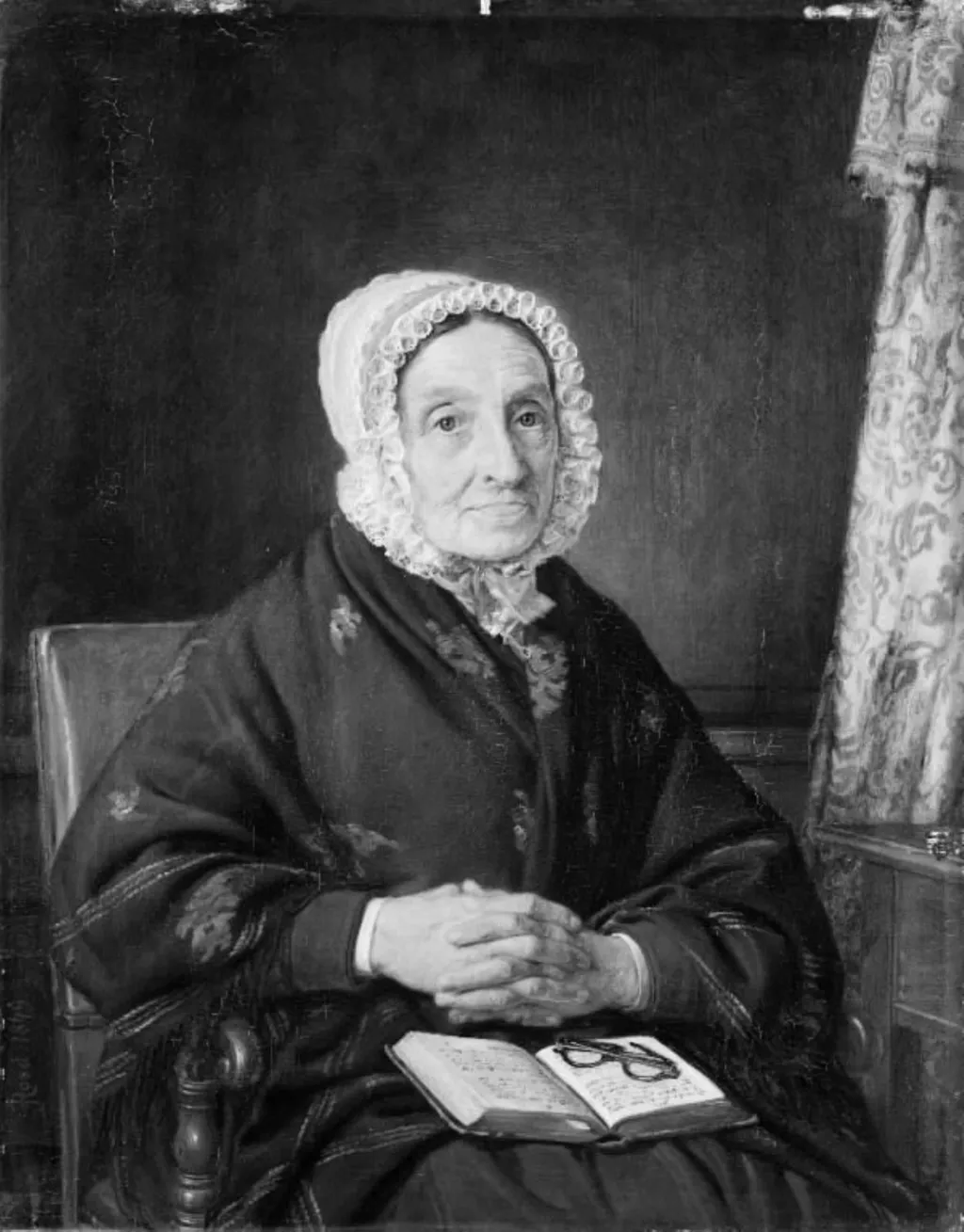
Ellen Roed, f. Jensen, kunstnerens moder is a photography by the Romanticist artist Unknown. It dates from 1849 and is held in the collection of the Statens Museum for Kunst. Painted in 1849, this portrait depicts Ellen Roed, née Jensen, the artist’s mother.
About this work
Overview
The painting is part of the collection at the Museum of Ethnography, where it is preserved as a personal and cultural artifact from mid-19th-century Denmark.
Painted in 1849, this portrait depicts Ellen Roed, née Jensen, the artist’s mother. Executed in a precise realist manner, the work captures her in a quiet, contemplative pose. The composition is restrained, with a dark background and a single curtain framing the figure. The painting is part of the collection at the Museum of Ethnography, where it is preserved as a personal and cultural artifact from mid-19th-century Denmark.
Subject & Meaning
Ellen Roed is portrayed with solemn dignity, her hands folded in her lap and her gaze fixed directly ahead. The presence of spectacles and an open book beside her suggests literacy and intellectual engagement, common among educated women of her social circle. The absence of ornamentation or symbolic flourishes emphasizes her quiet strength and domestic role, reflecting values of modesty and diligence in mid-19th-century Danish society.
Technique & Style
The artist employed a detailed, naturalistic approach, rendering textures with care: the weave of the dark dress, the soft folds of the white bonnet, and the sheen of leather on the book’s cover. Lighting is subdued, enhancing the somber tone. Brushwork is controlled, avoiding dramatic contrasts in favor of subtle gradations. The background’s darkness isolates the figure, focusing attention on her presence and the objects that define her daily life.
History & Provenance
The painting remained within the artist’s family until its acquisition by the Museum of Ethnography. Its preservation there reflects a broader 19th-century interest in documenting domestic life and familial identity through portraiture. While not widely exhibited, it has been studied as an example of intimate, non-idealized portraiture from a period when such personal depictions were gaining cultural significance.
Context
In 1849 Denmark, portraiture often served to affirm social standing and moral character. Women like Ellen Roed, though rarely public figures, were idealized as pillars of domestic virtue. This painting aligns with that tradition, avoiding theatricality in favor of quiet realism. The inclusion of reading materials signals education, a growing value among the urban middle class, even as women’s public roles remained limited.
Legacy
The portrait endures as a quiet testament to the dignity of ordinary lives. It contributes to the historical record of Danish domestic culture and the evolving role of women in the 19th century. Though not celebrated in major art narratives, its precision and emotional restraint offer insight into how personal identity was visually constructed outside the realm of public achievement.
Artist & collection

 Domestic Scene
 Giacomo and Cardinal Marco, investing Andrea, Abbot of San Zeno, with his Benefice
 The Nymph of Fontainebleau
 Portrait of a Woman
 Madonna and Child with Saints in the Enclosed Garden
 Venus and Minerva
 Family Group of Four on Sofa
 Wall painting from Room H of the Villa of P. Fannius Synistor at Boscoreale
 Mrs. Thomas Streatfield Clarkson (Elizabeth Van Horne)
 Cathrine Jensen, née Lorenzen, the Artist's Wife
 Mrs. Daniel Strobel Jr. (Anna Church)
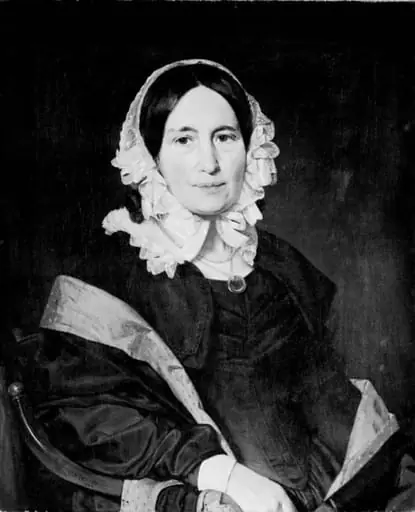 Cathrine Jensen, née Lorenzen, the Artist's Wife
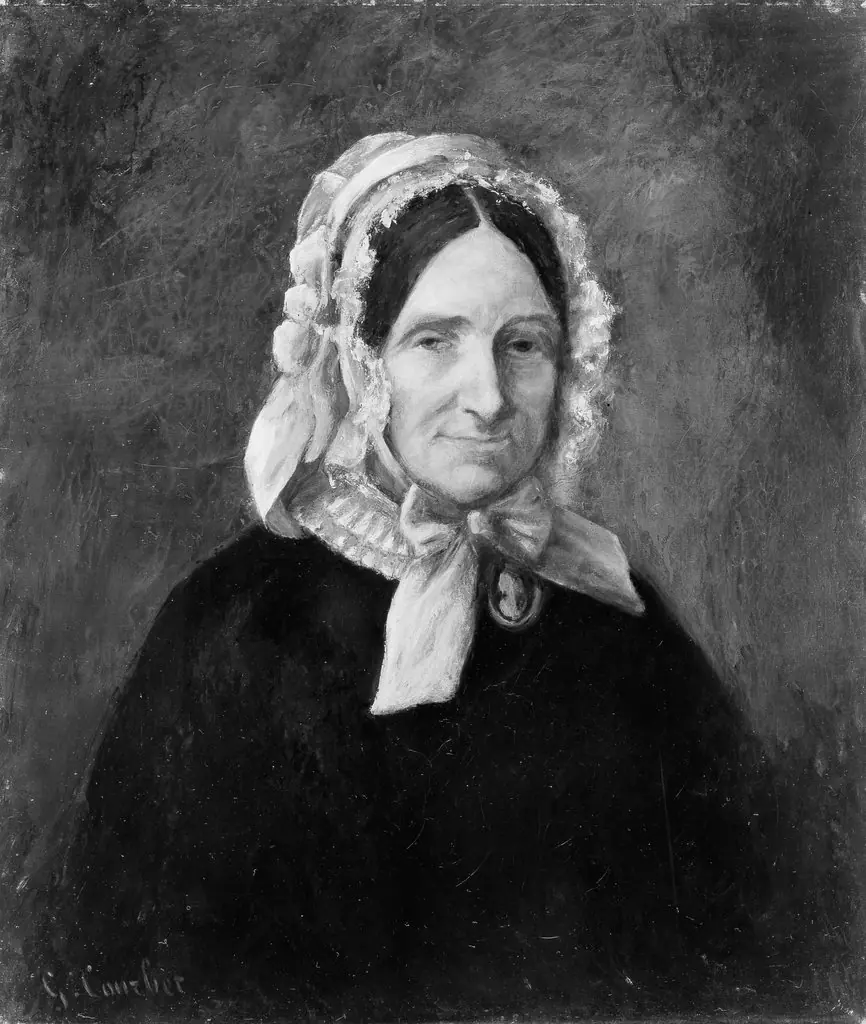 Portrait of a Woman, Called Héloïse Abélard
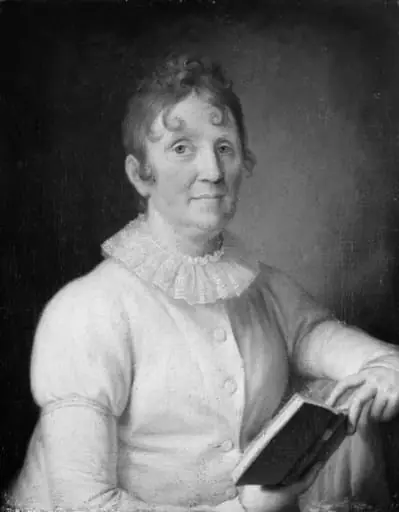 Skuespillerinden Johanne Cathrine Rosing
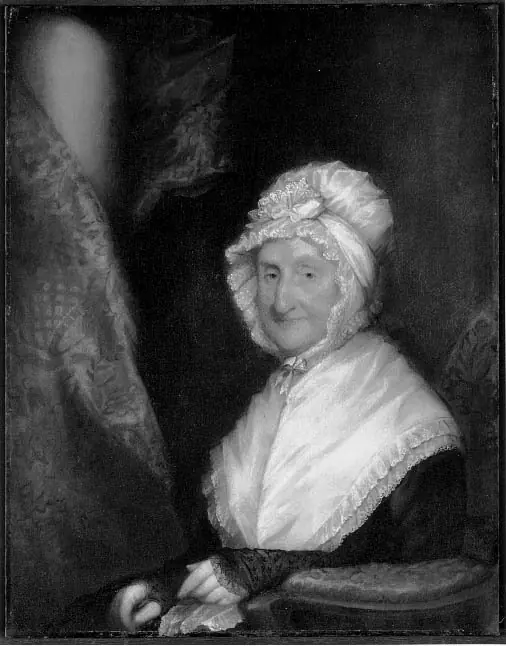 Mrs. George Williams (Lydia Pickering)
 Mrs. Samuel Rodman (Elizabeth Rotch)
 Portrait of an Elderly Woman
 Emilie Mathilde Roed, f. Kruse, kunstnerens hustru